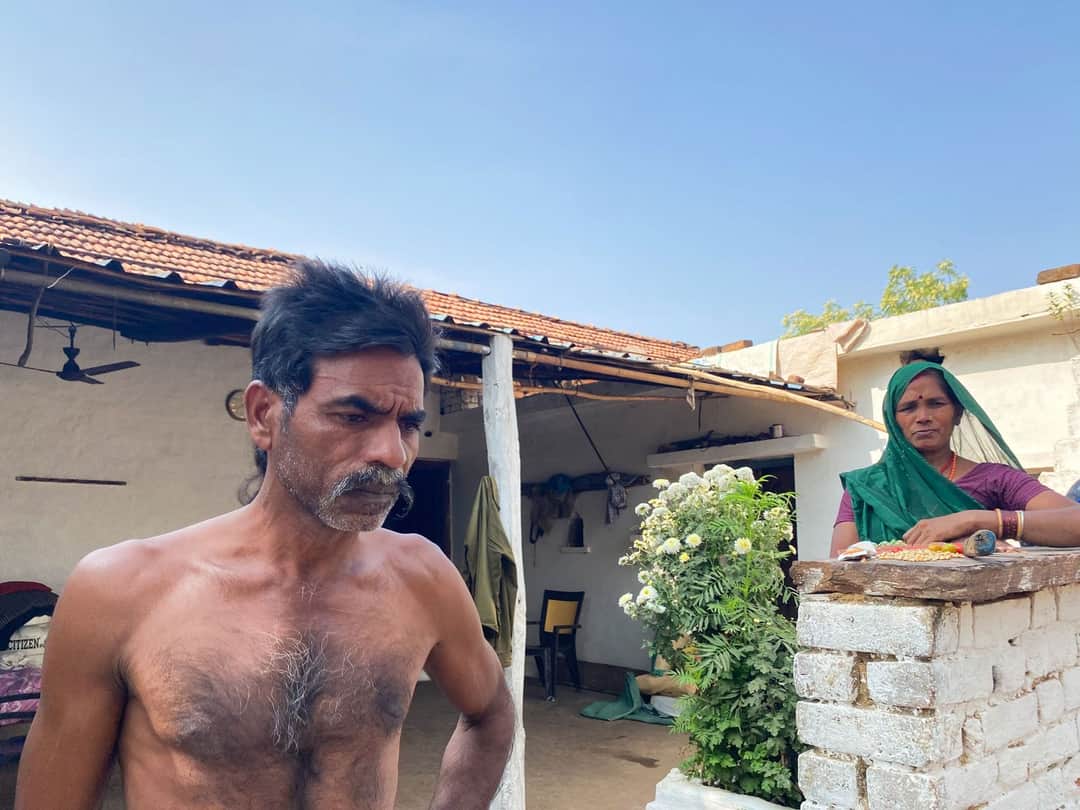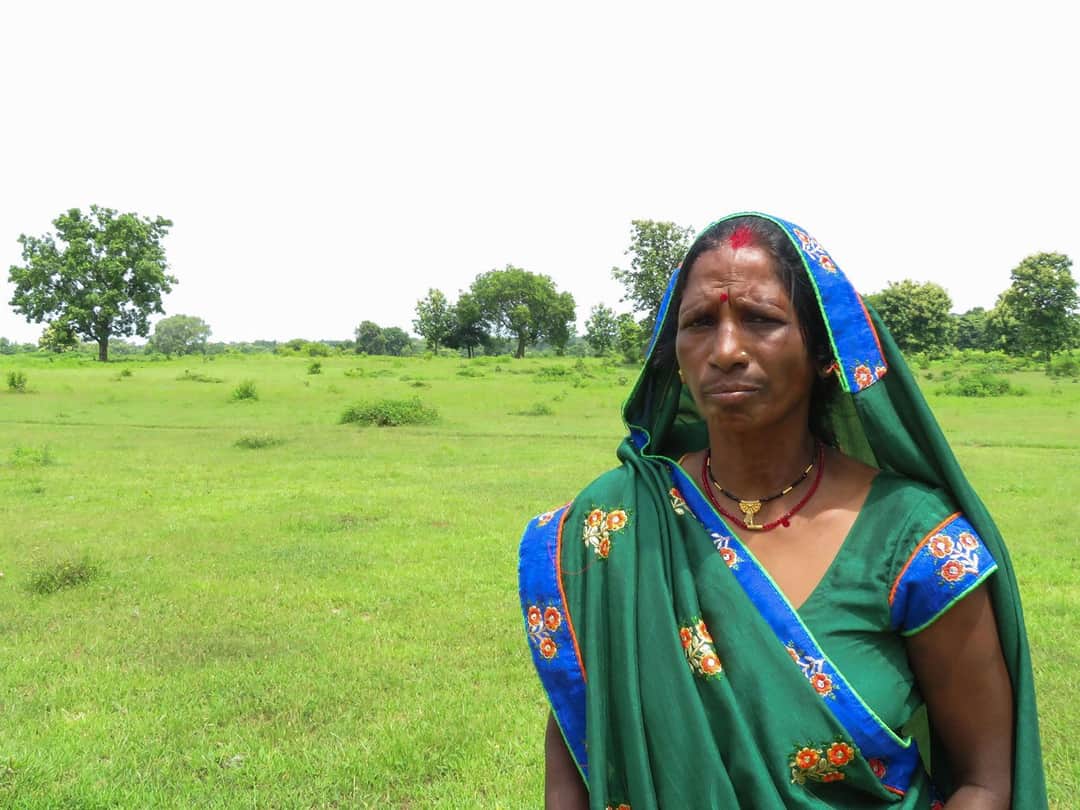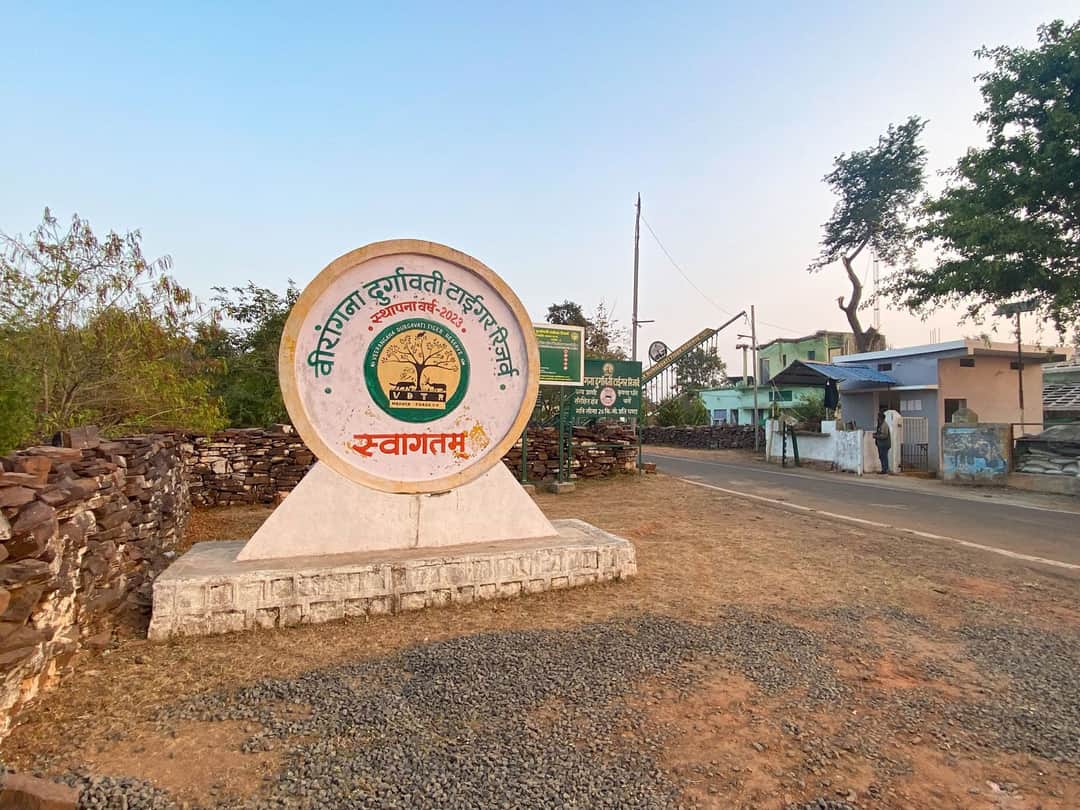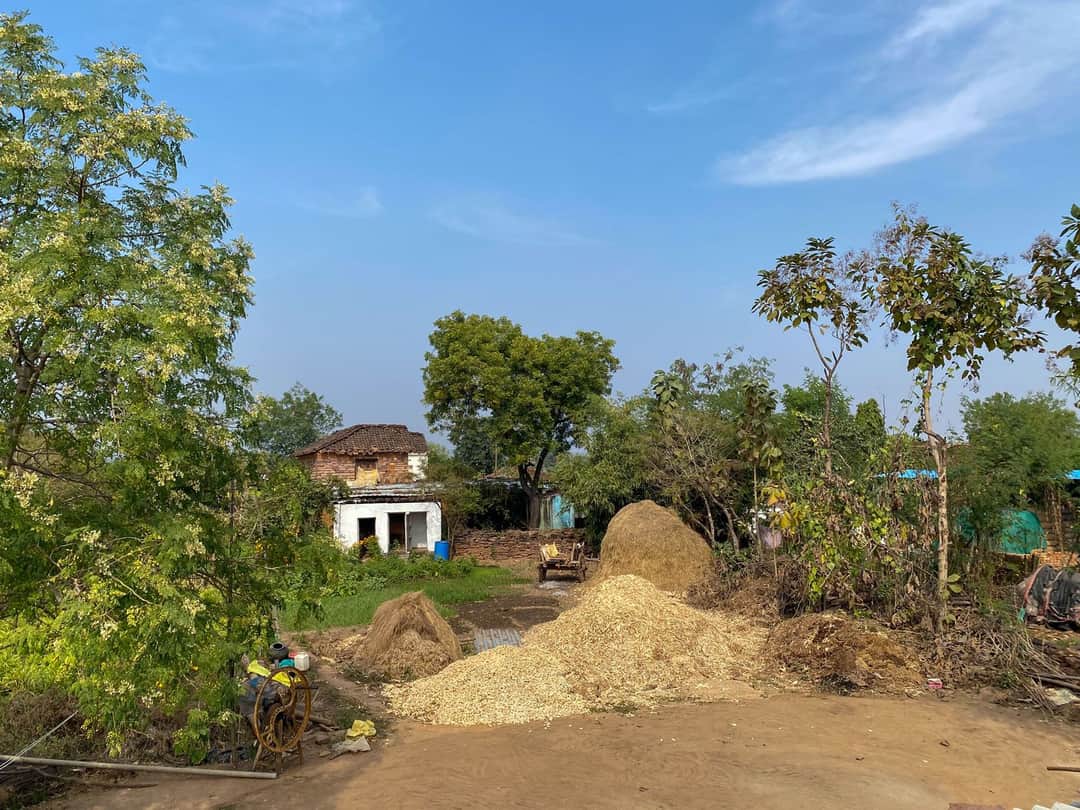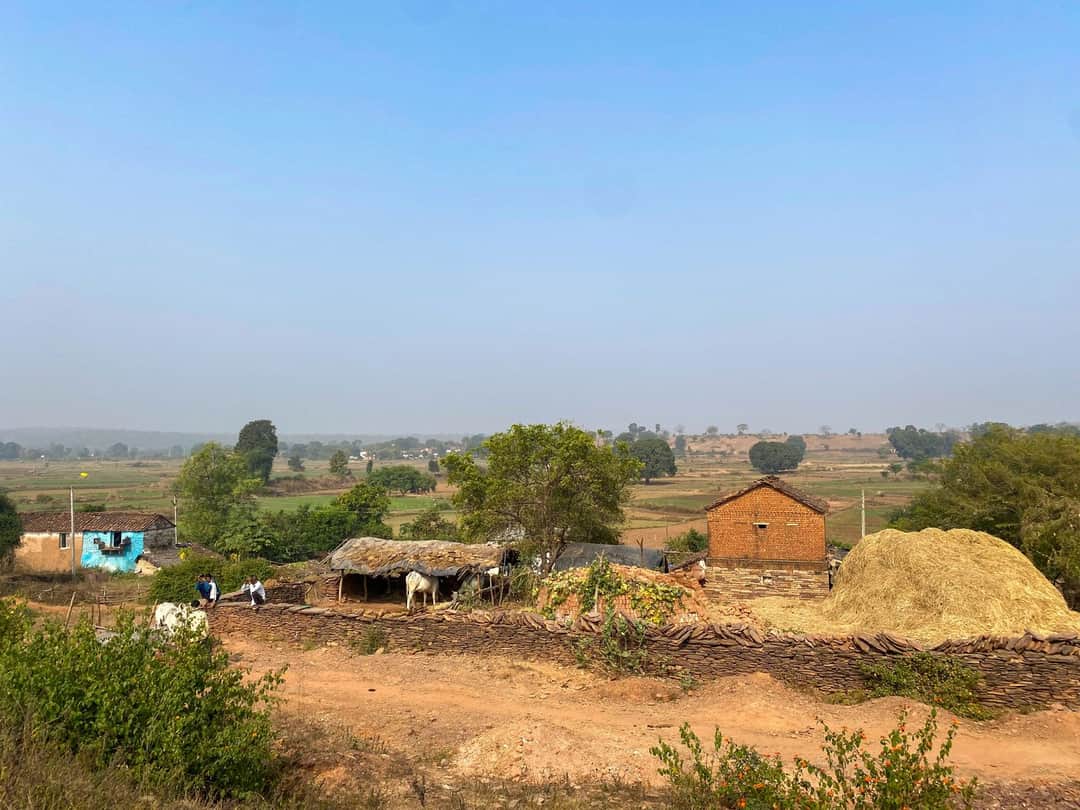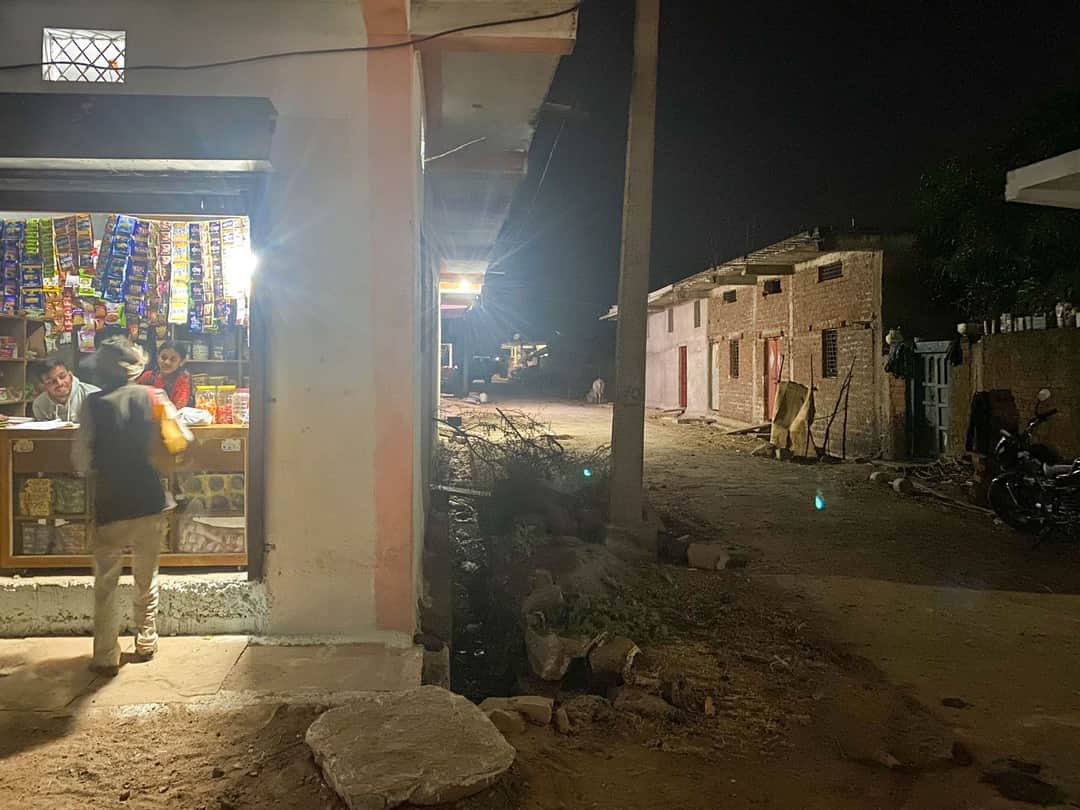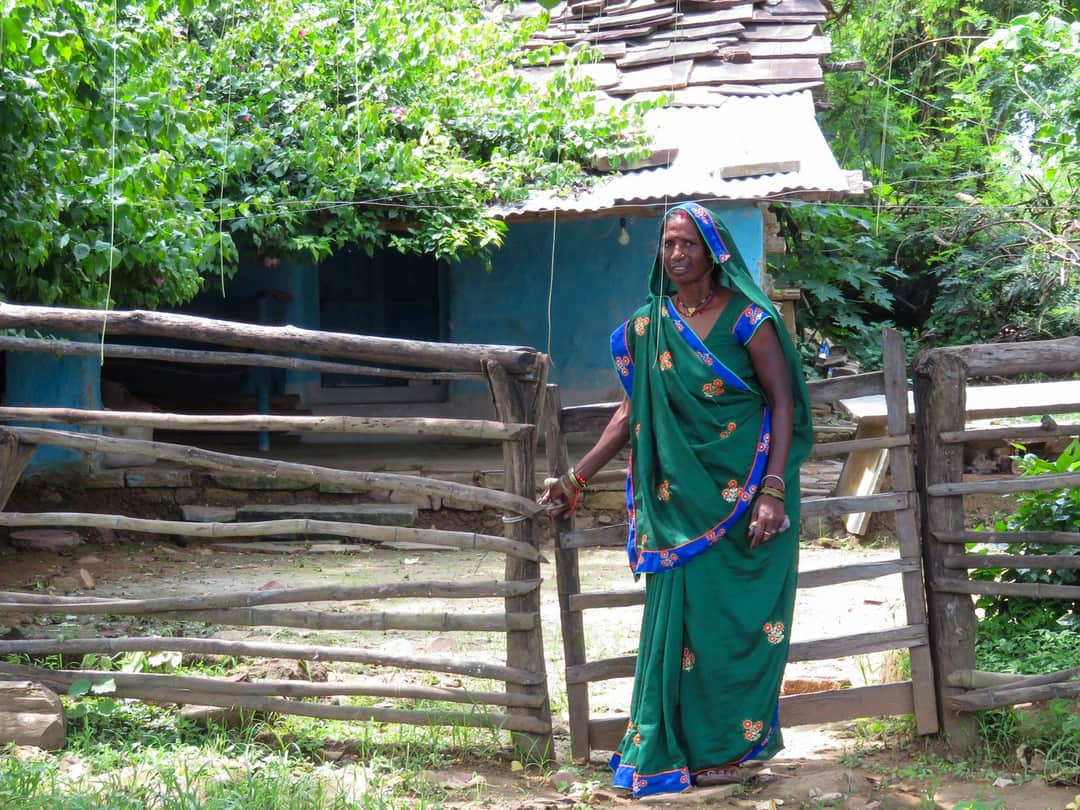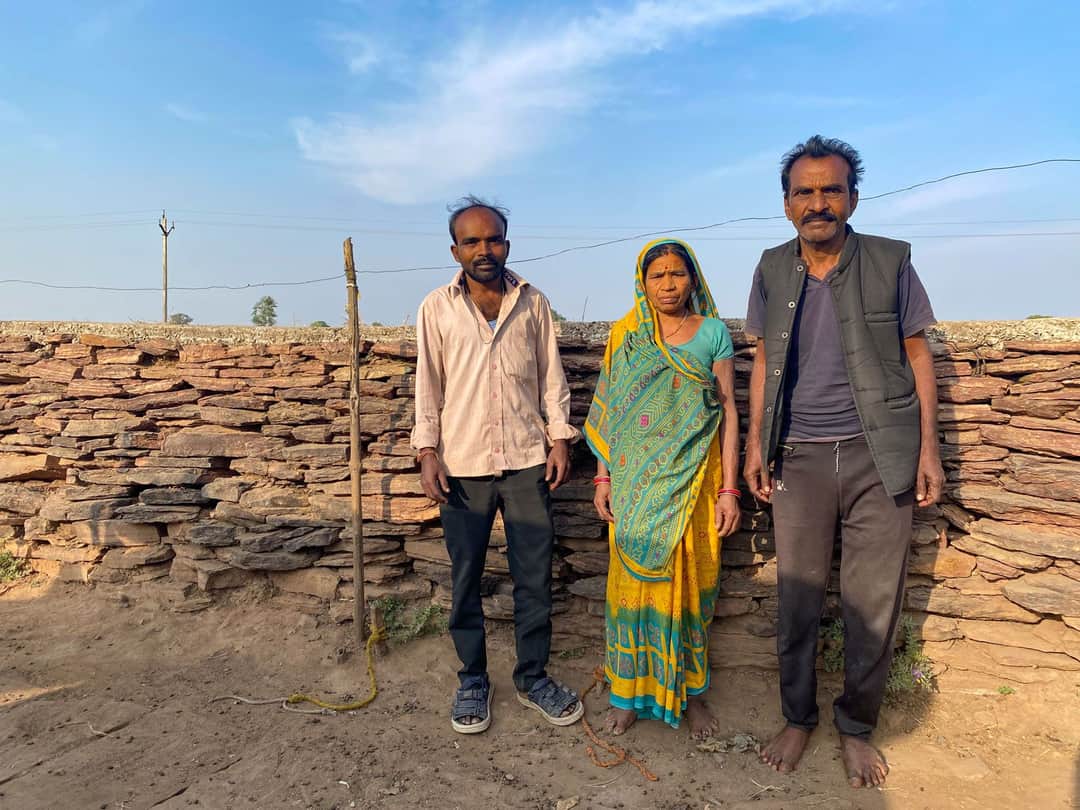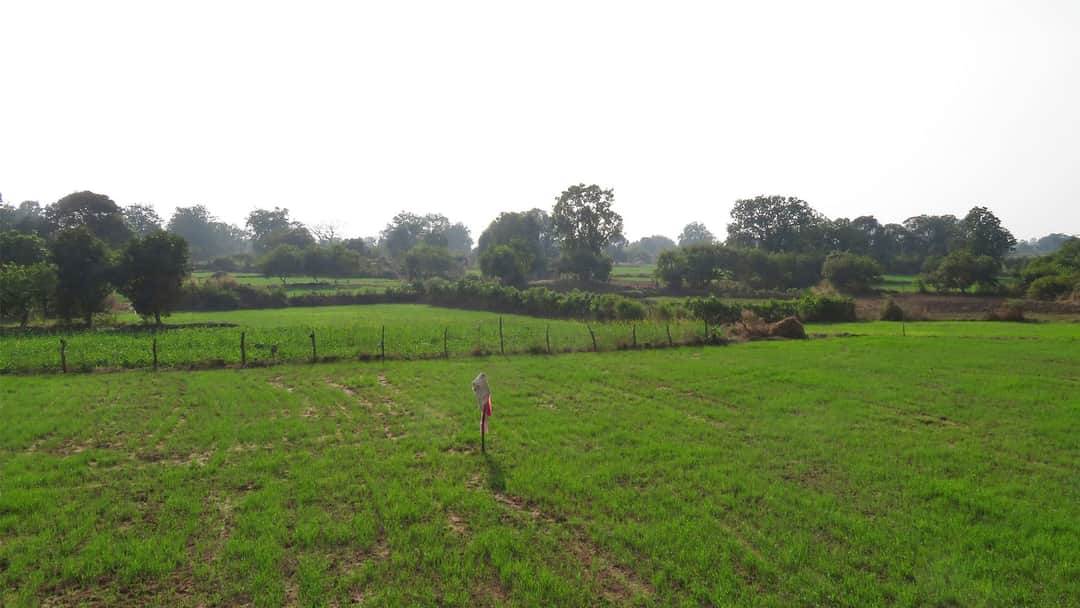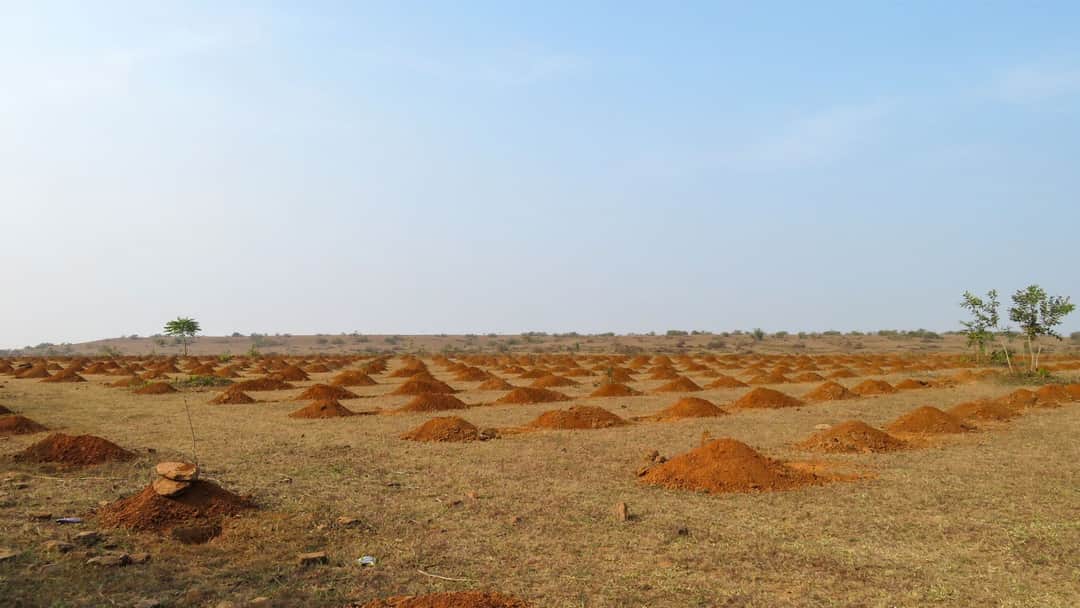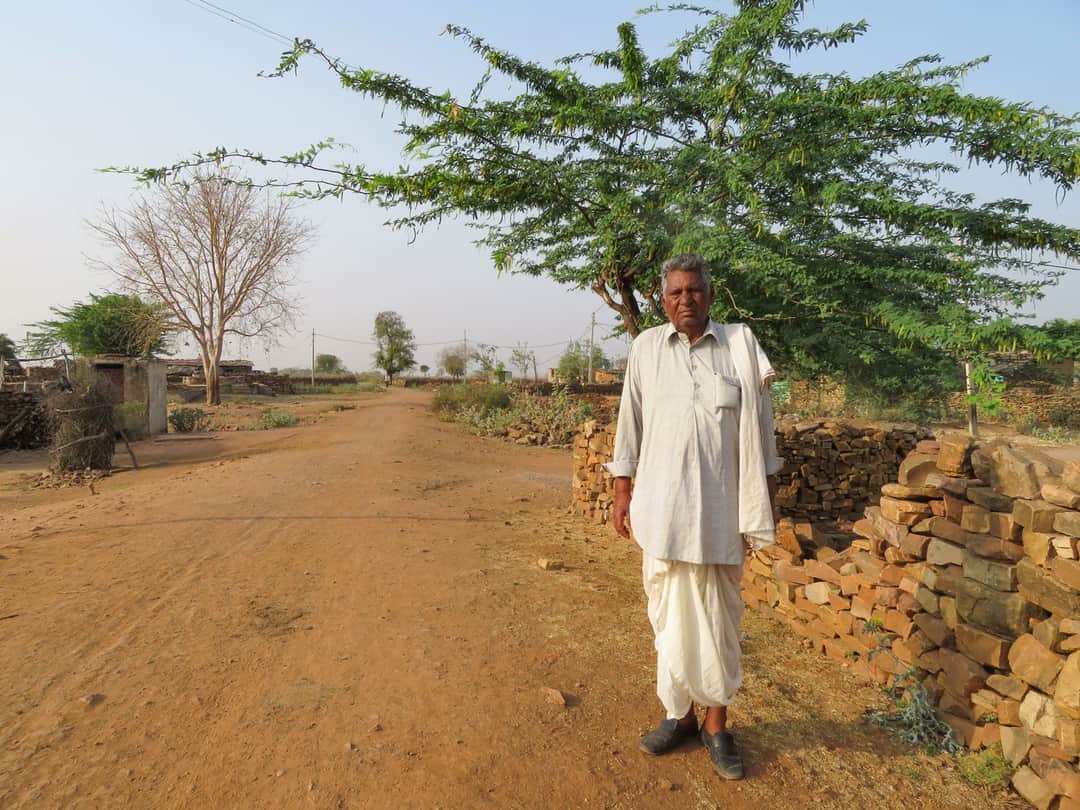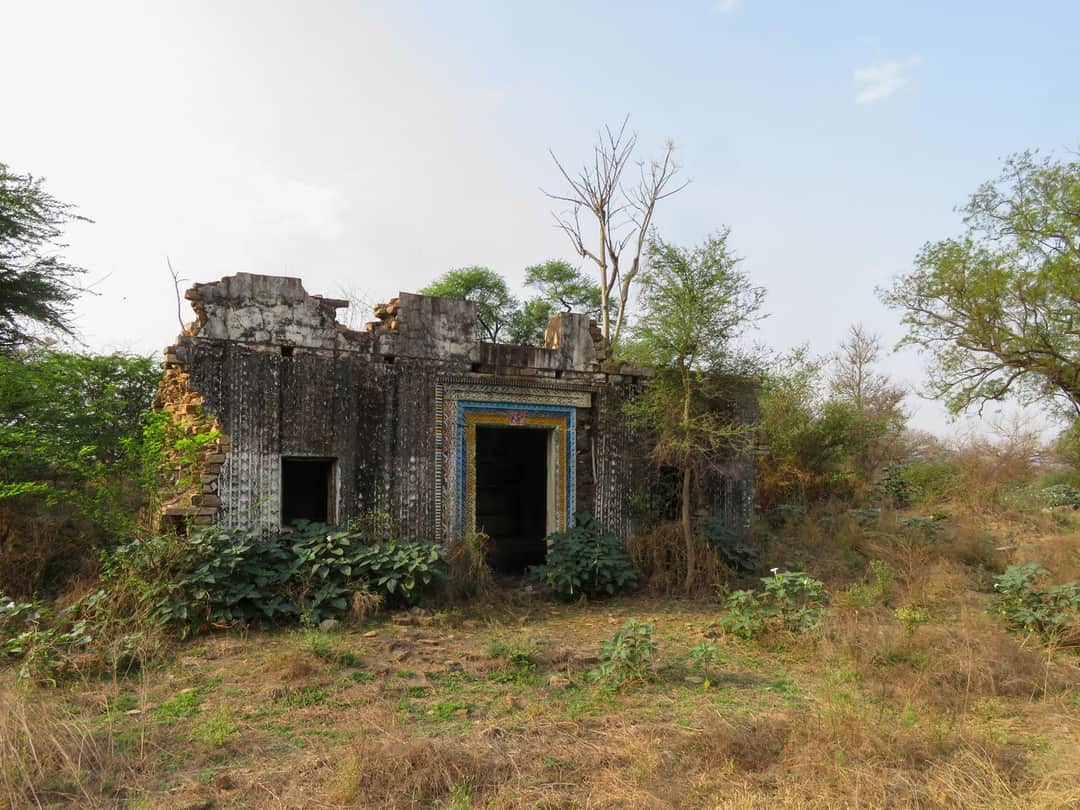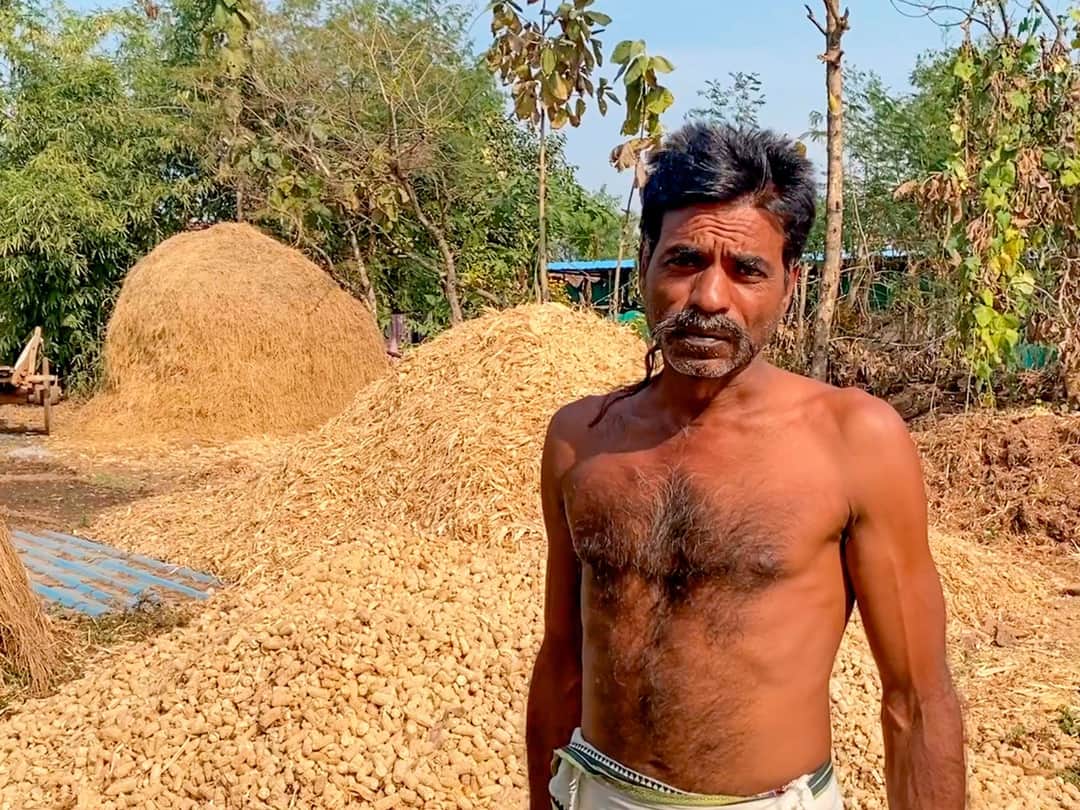

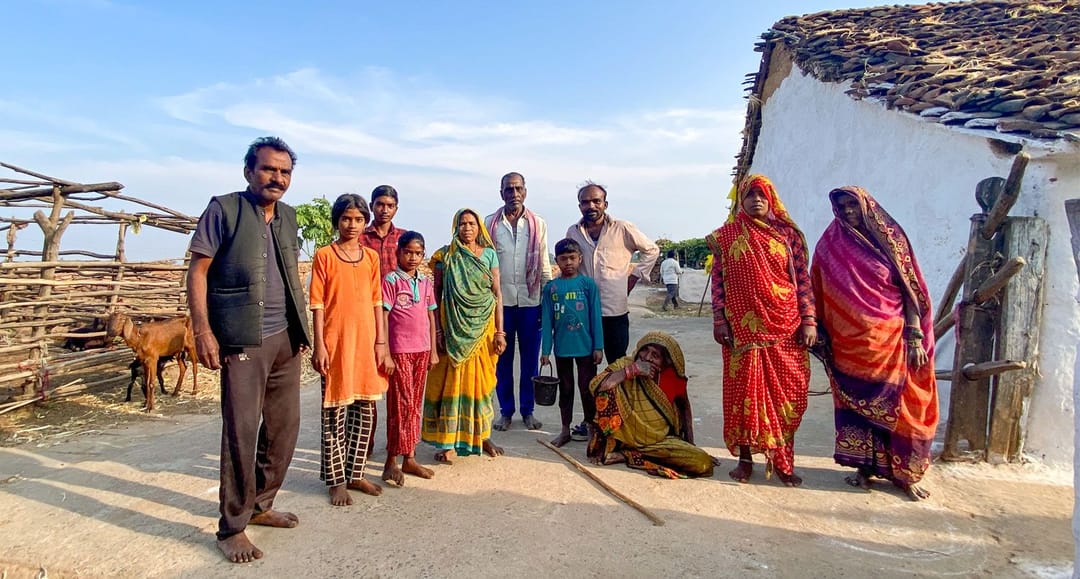
“We are not ready to move. Where will we go? We’ll have to wander around like homeless people,” says Munnalal Kurmi. He is a farmer in Sarsela Ryt – one of 93 villages in the process of being swallowed up by India’s 54th tiger reserve – Veerangana Durgavati (VDTR) in Damoh district of Madhya Pradesh. A new dimension: cheetahs too are expected here anytime.
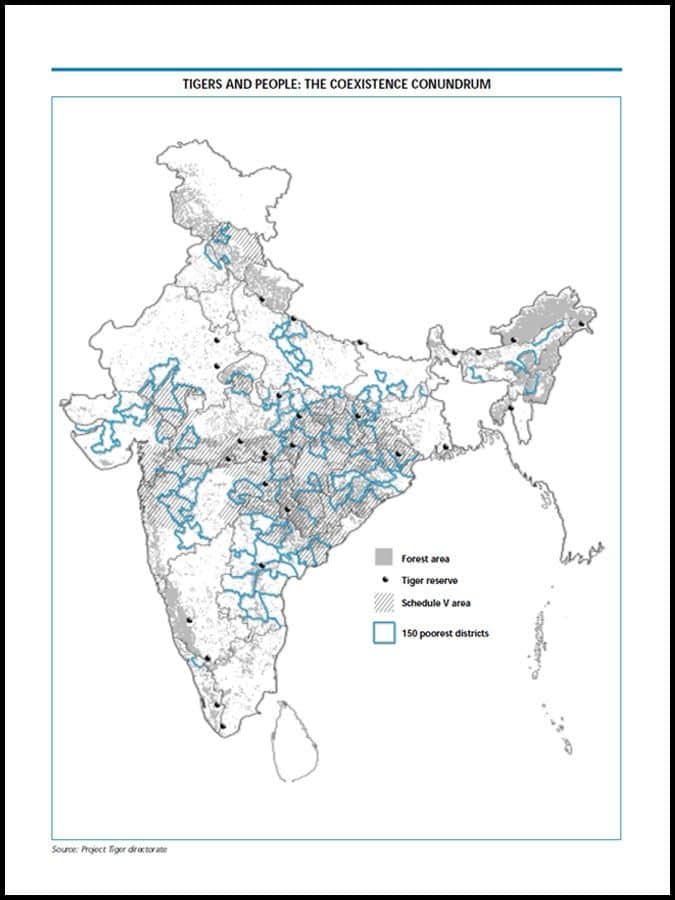
VDTR is among the most recent of the 58 tiger reserves dedicated to tiger habitat; the cheetah gets to share two. These reserves are inviolate spaces – only for wild animals.
To create these reserves – now covering almost 80,000 square kilometres or roughly 10 per cent of India’s forest cover – a total of 257 villages have been relocated, displaced from their homes, the Union Minister of State for Tribal Affairs Durgadas Uikey informed the Lok Sabha in December 2025. And 730 villages also located within reserves, are next in line for ejection.
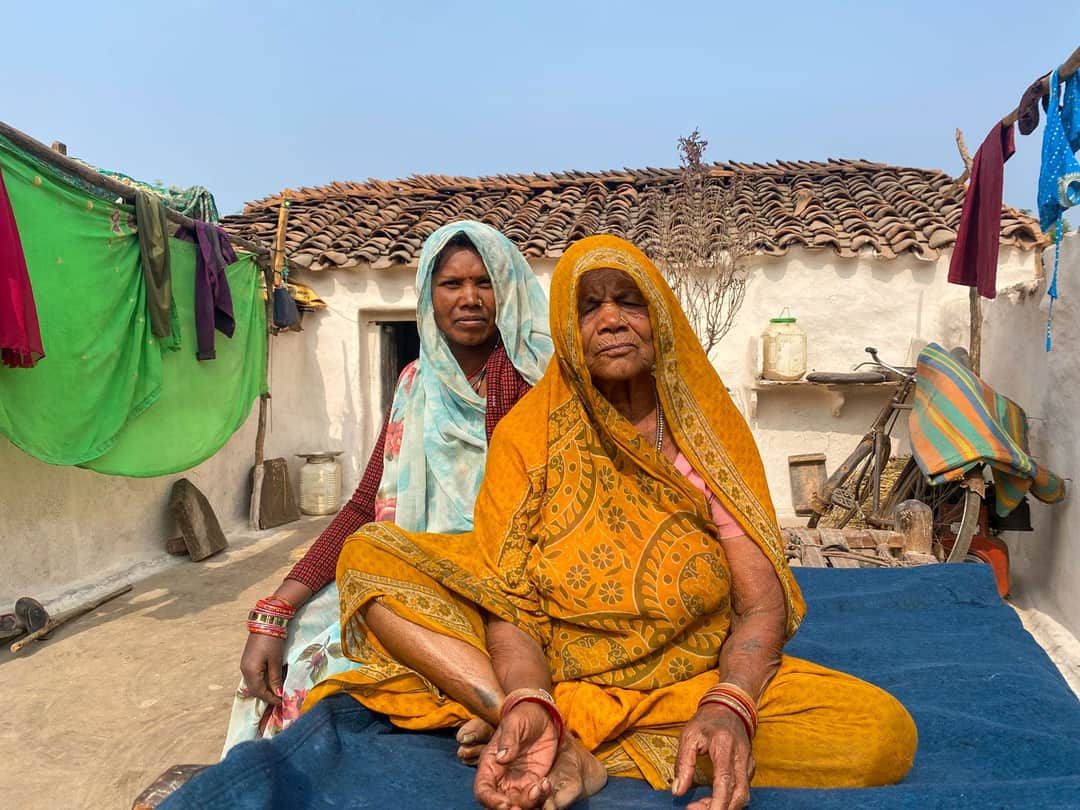
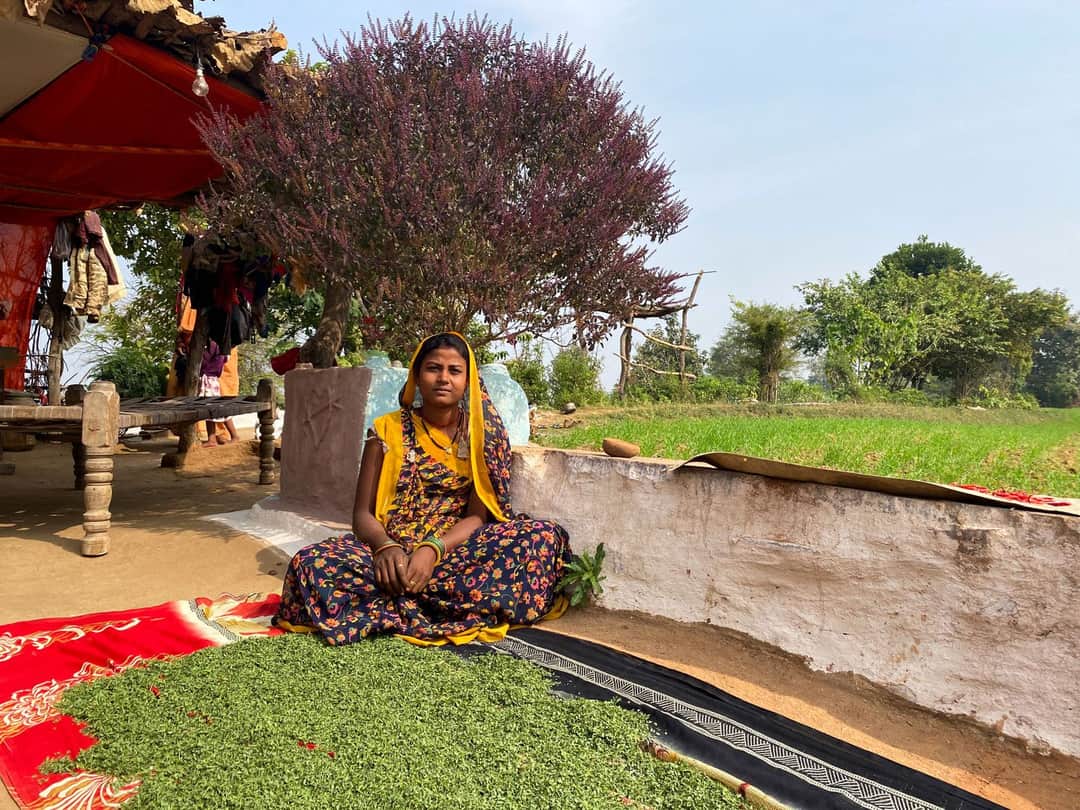
Daba is another village in Damoh that will be swallowed up by the new reserve. “Where will we live? What will we eat?” asks Radha Rani Gond from the village that lies on the edge of the Nauradehi sanctuary. Seated in her courtyard in the winter sun, her hands running through the wheat harvest that has come in, the 75-year-old is visibly upset.
The basis of reserves is ‘fortress conservation’ – exclusionary protected areas for wildlife. Ecologists point out that it follows an oversimplified narrative that tigers and people cannot coexist. Fact: India’s forest dwelling communities have always lived in close proximity to wild animals. “We are the ones who take care of the jungle and the animals. They are throwing us out, and right here they will build a tourist guest house,” says Janka Bai, in her fifties. Her village Umrawan was swallowed by the expanding Panna tiger reserve in 2015.