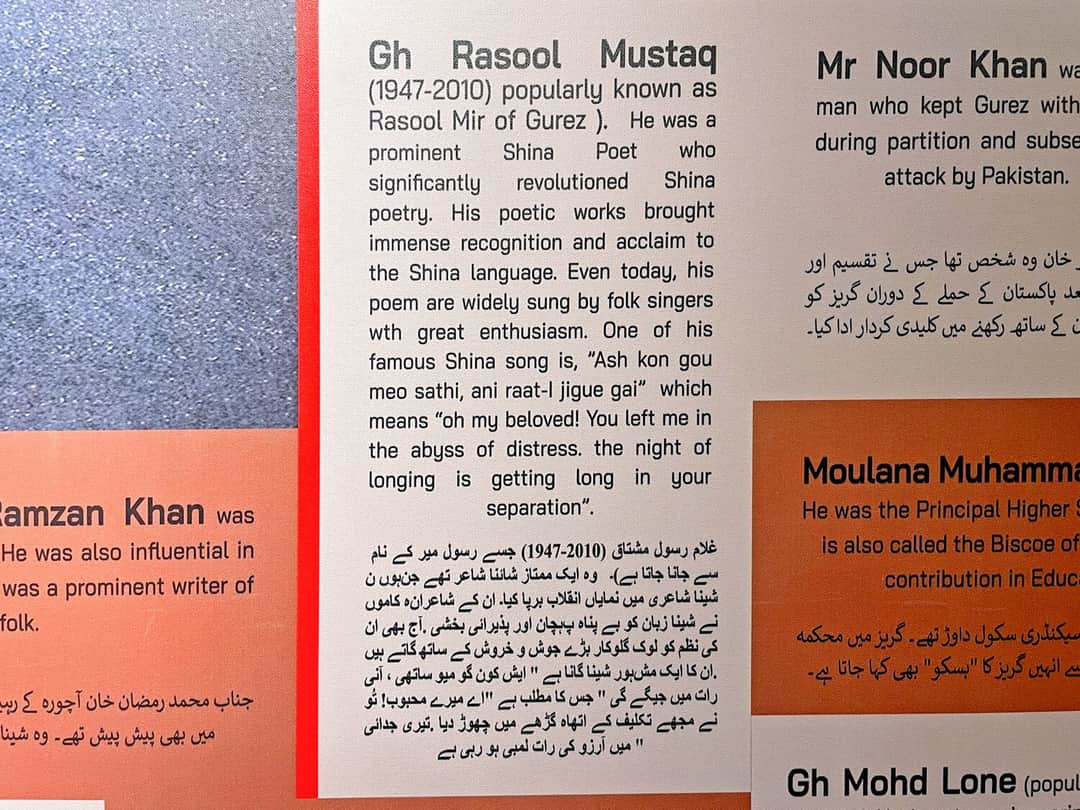
Rujluk Su Yarsu thay gov bahnai aanthe aanthe,
ek dum o pasha thai gov hamlai aanthe aanthe…
(He came and he left with excuses, he saw me and he went away
The friend left me with excuses, he saw me and went away.)
TUESDAY, AUGUST 25, 2026


Bandipore, Jammu and Kashmir
|TUE, AUG 05, 2025
Author
Editor
Photo Editor
Rujluk Su Yarsu thay gov bahnai aanthe aanthe,
ek dum o pasha thai gov hamlai aanthe aanthe…
(He came and he left with excuses, he saw me and he went away
The friend left me with excuses, he saw me and went away.)
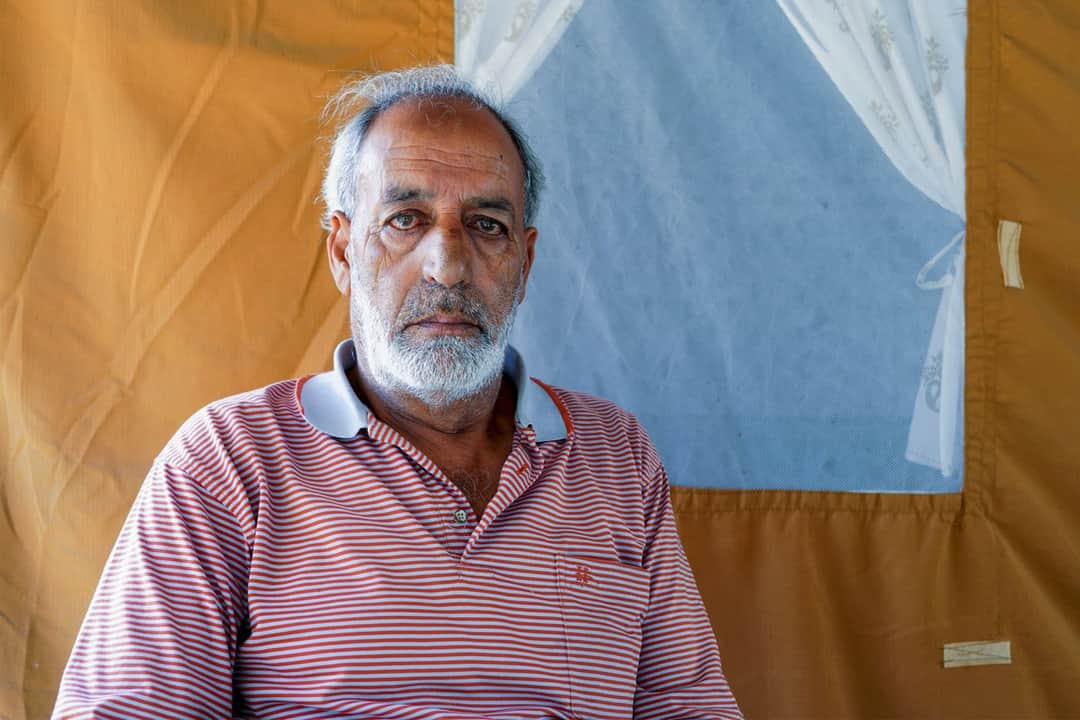
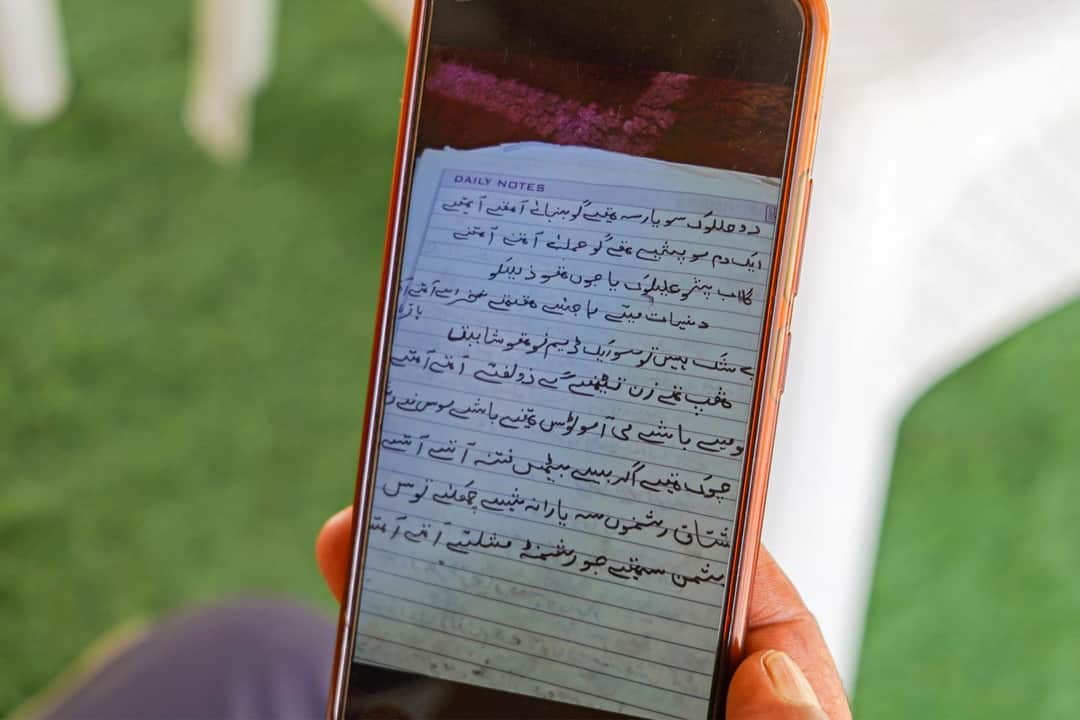
Fareed Ahmad Lone fixes his eyes on the Kishanganga river as he softly recites a verse by Ghulam Rasool Mushtaq, a famous poet from Jammu and Kashmir’s Dard-Shin community.
Seated on the banks, we can see thin sheets of ice beginning to gather as smaller ones drift away. The river hasn’t frozen yet, but it’s changing. The season is shifting.
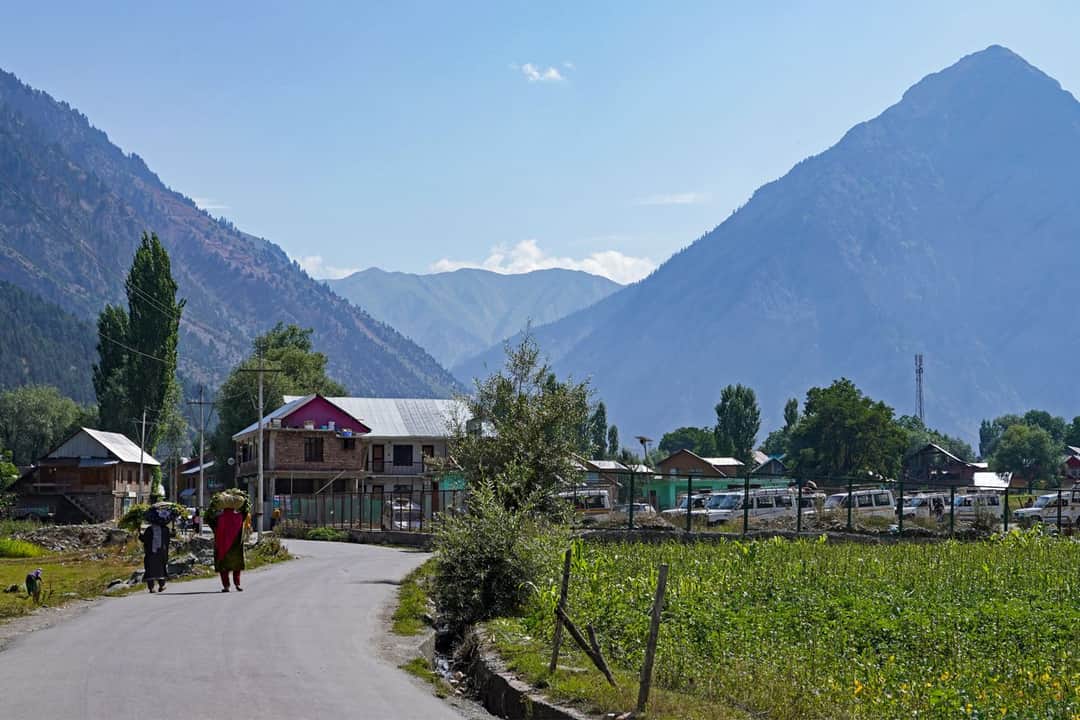
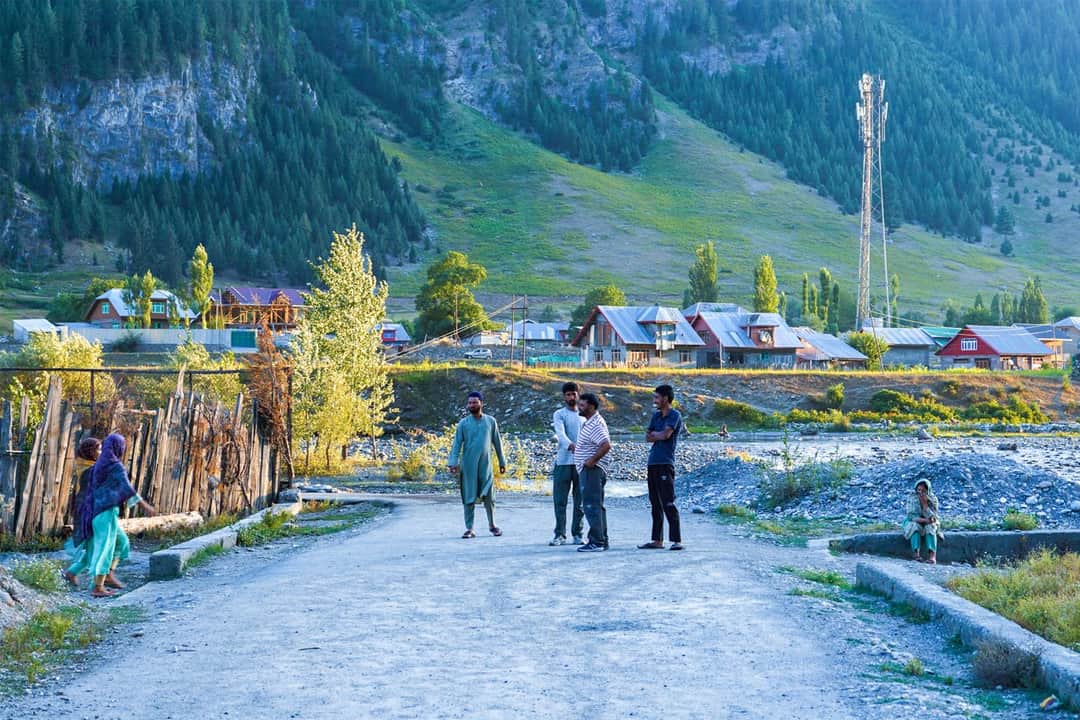
A few metres away, local women hold up bundles of firewood and grass, some weighing over 25-30 kilos. Another woman carries a tub full of cow dung to save it as fuel for the daan, their traditional winter stove. Around us, tourists who had come to visit Gurez valley are slowly heading home.
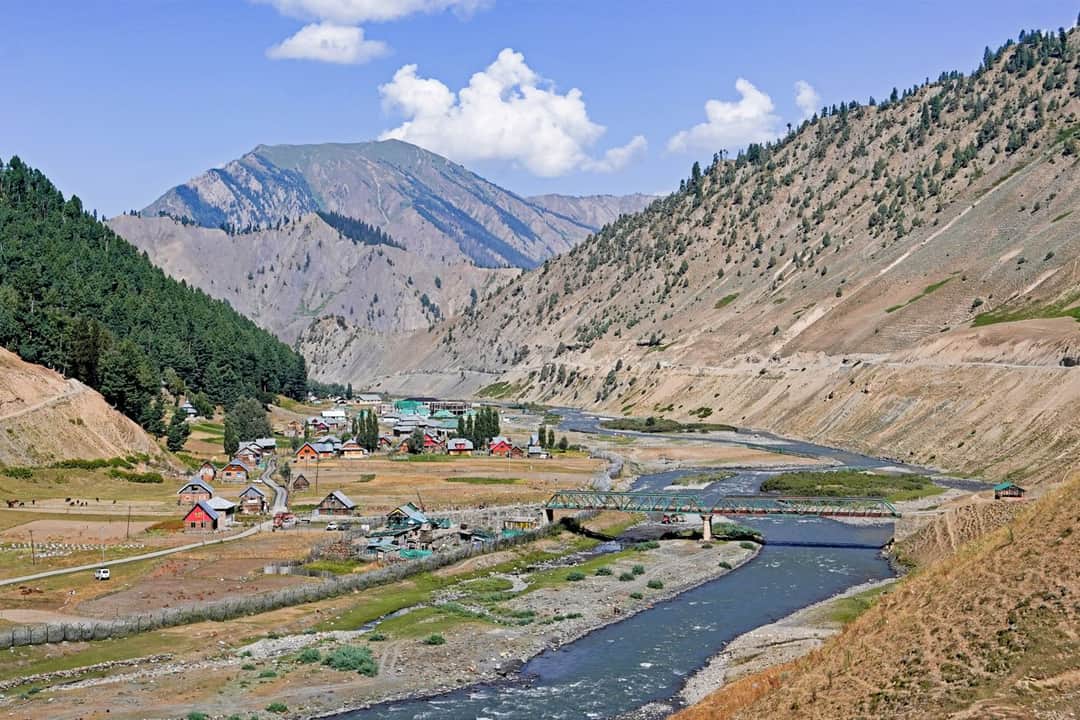
Fareed points out the signs of seasonal change, visible not just in the river but in the way Gurez prepares for its winters. A member of the Dard-Shin community, he says a majority of his people live in Gurez valley, home to 37,992 Dardic people (Census 2011).
Muzamil Bhat
Muzamil Bhat
Muzamil Bhat
Muzamil Bhat
As winter sets in around October, the valley is enveloped in snow. “Only the elderly stay back,” says 68-year-old Fareed. The snow makes it nearly impossible to move from one place to another. “Those who stay behind are mostly confined indoors.”
Sometimes, parts of the valley get up to 15 feet of snow and remain cut off from the rest of the state for six months, forcing nearly 80 per cent of the population to migrate. “Some migrate to other parts of Kashmir. Others travel to states like Himachal Pradesh or Punjab for labour work,” says this retired senior technician from the Department of Horticulture. Those who remain in Kashmir often work with chefs in small hotels or at Harissa shops in Srinagar. (Read: In Srinagar: Harissa is best served hot)
Severe winters and extreme weather are a continuing challenge. In 2017, four avalanches hit Gurez on January 25, killing 20 soldiers and four civilians in Mazgund Neeru, about 26 kilometres from Fareed’s home in Dawar.
He remembers a time when it was hard to even get basic medical help in Gurez. In the early 1970s, a maulvi sahab (Islamic preacher) from the nearby Markoot village fell sick during winter. The snow was 12 to 15 feet deep. “Log unko chaarpai pe le gaye [People carried him on a cot].” It took two days to reach the hospital in Bandipore, nearly 86 km away.
In another instance, one ustaad mohtaram’s [respected teacher’s] daughter had a difficult pregnancy. There were no civil helicopters back then, and it would cost over a lakh of rupees to get her to the hospital for childbirth. The Indian army stepped in to help. “Army ne sadbhaavna ke zariye madad dena shuru kiya [Army helped as part of their Operation Sadbhaavna].”
Today, although the situation has improved, the community, listed as a Scheduled Tribe in Jammu and Kashmir, still relies on the Army for evacuations during emergencies. And pregnancies and childbirth remain a problem.
Muzamil Bhat
Muzamil Bhat
The Line of Control (LoC) between Indian and Pakistan is close by, and so cross-border shelling is a serious concern for his community, apart from the seasonal migration.
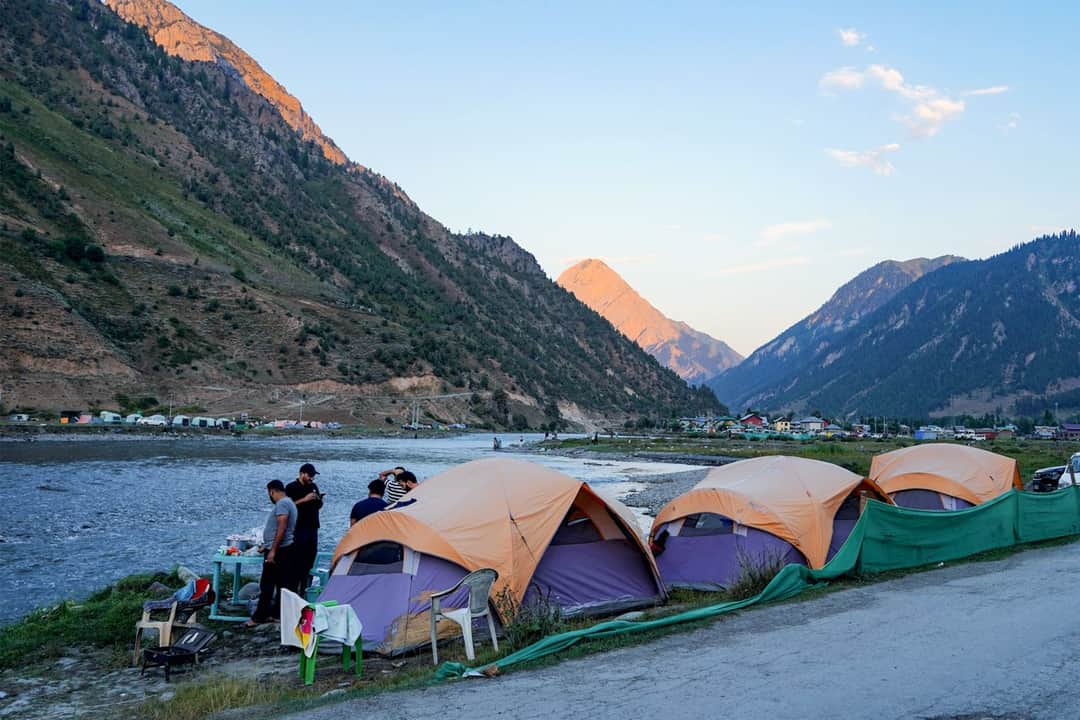
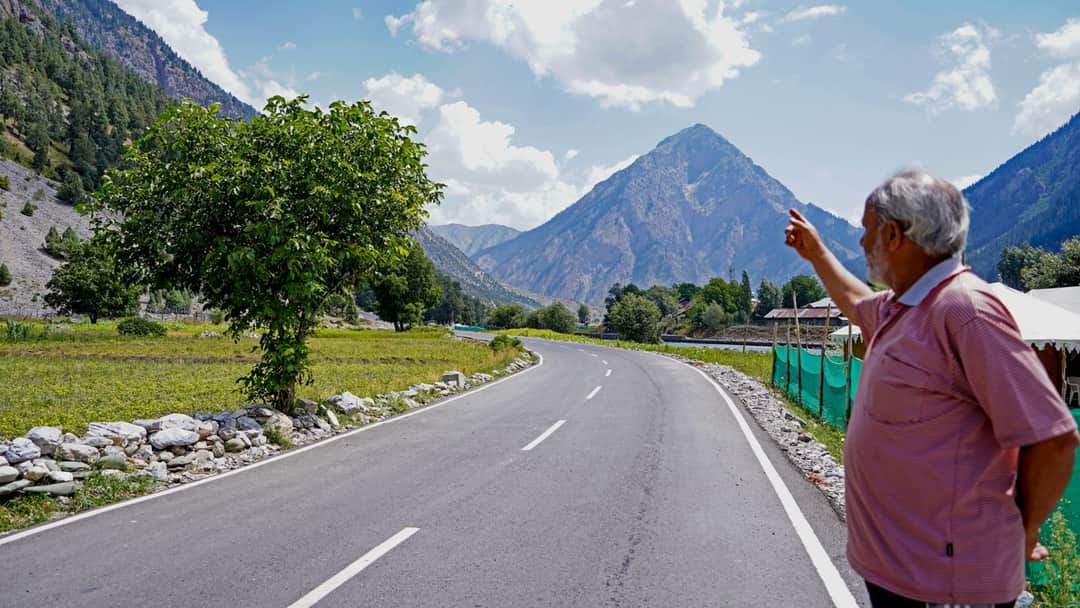
Fareed continues to walk around the campsite when he stops suddenly. “This road has a fresh image in my mind,” he says. “It was 2005, one father and son from my village were grazing their sheep. They were to take this bridge to enter the village,” he says, pointing to the other end of the road.
“Baap peeche peeche beta aage aage [The father was behind and the son was ahead],” recalls Fareed, who was at the nearby masjid and could see them from a distance. He saw a bomb fall on them. But the tragedy for that family did not end there, he says. The same day, a girl in the family who stepped out of her house to take an exam close to the army camp was hit by indiscriminate shelling.
His voice shivers, as he tells PARI, “ek hi din mein ghar se ek ka ladka gaya ek ki ladki gayi [On the same day, one lost their son and the other lost their daughter].” The shelling caused 20-25 human casualties, and several cattle and livestock also died.
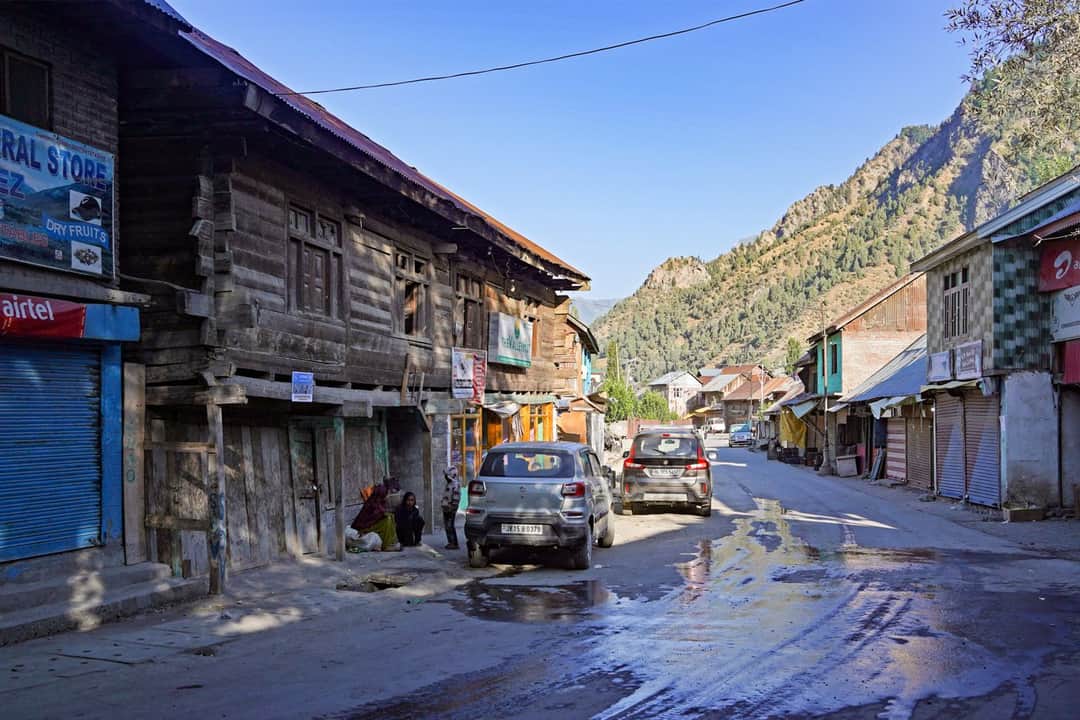
In another instance, the entire Tulail market was destroyed as a bus parked near the market caught fire due to the shelling. He says the fire spread fast. In those days, most of the structures were made from wood.
“Why would one choose to die here? Who would want to live in such a place?” Fareed asks. He now lives in Dawar, the last marketplace before one heads to the popular Tulail valley, along with his wife, four sons, and three daughters.
Muzamil Bhat
Muzamil Bhat
Even earlier, there weren’t even many income opportunities in Gurez. “People would sustain themselves by grazing cattle or working with the Army as porters.” Everyone had horses, and “mulazamat bilkul kamm thi [employment opportunities were minimal],” he says. Many were involved in pattu weaving, the traditional craft of the community. Read: Pattu weaving fraying at the edges
When people travelled to other parts of the valley, they found better jobs, education, and healthcare. That’s why, Fareed explains, people started settling in places like Bandipore, Kangan, Ganderbal, and downtown Srinagar.
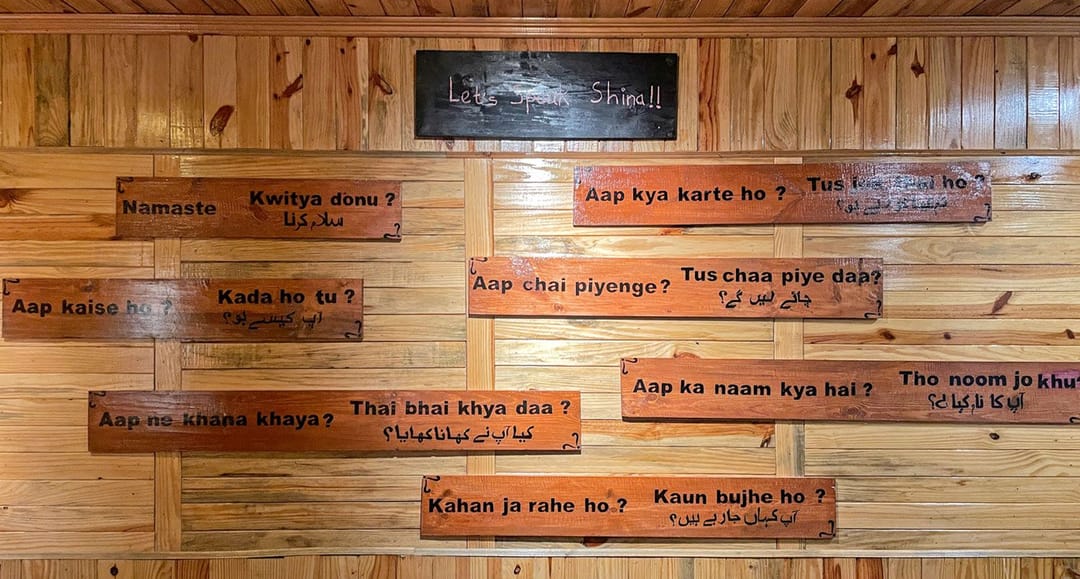
As more people have moved out, it has become difficult to speak in their mother tongue. When Dard-Shin people go to Bandipore to buy supplies, many don’t speak in Shina in front of other Kashmiris. “Ek complex hota hai. Shayad hum alag hain [We feel a certain kind of complex. Maybe we are different].”
It wasn’t always like this. “When I was young, I would see everyone talk in Shina,” says Fareed. “But now, whenever I go to the marketplace, I see the youth from our community talking in Urdu, Hindi, Kashmiri, and sometimes even English.”
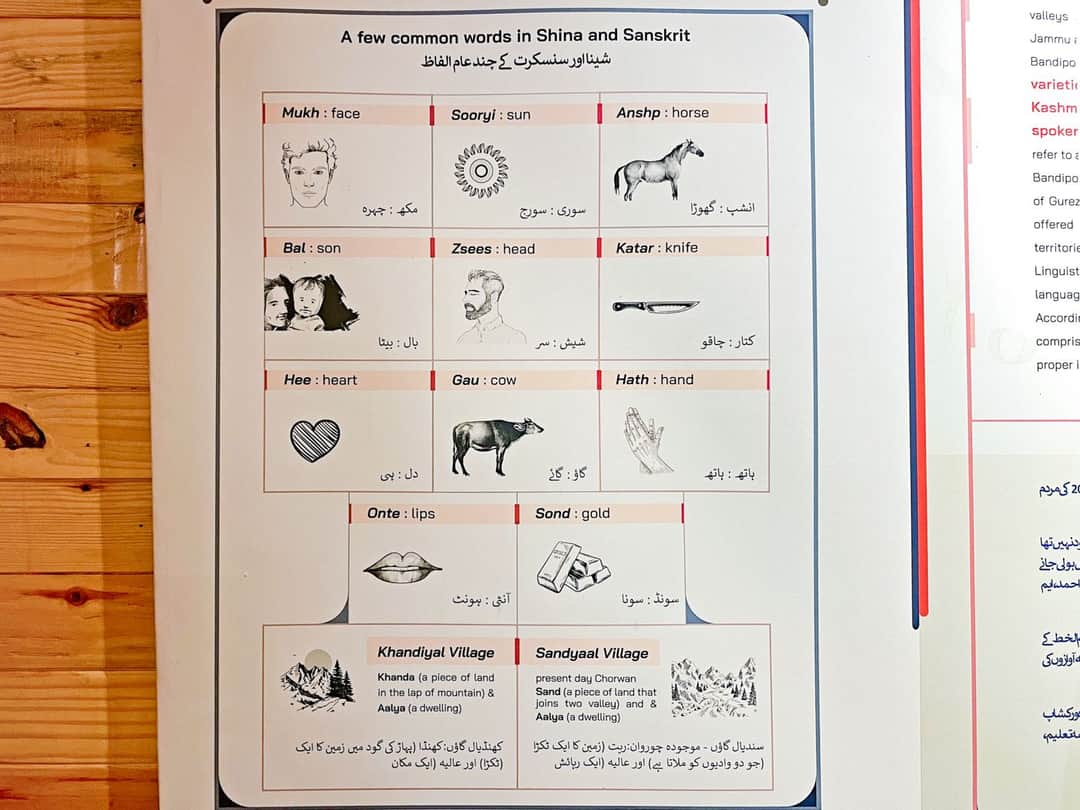
Shina is a Dardic language that belongs to the Indo-Aryan language family. Even though it has not been listed as endangered by UNESCO, the number of speakers is in sharp decline. It is now classified as a vulnerable language.
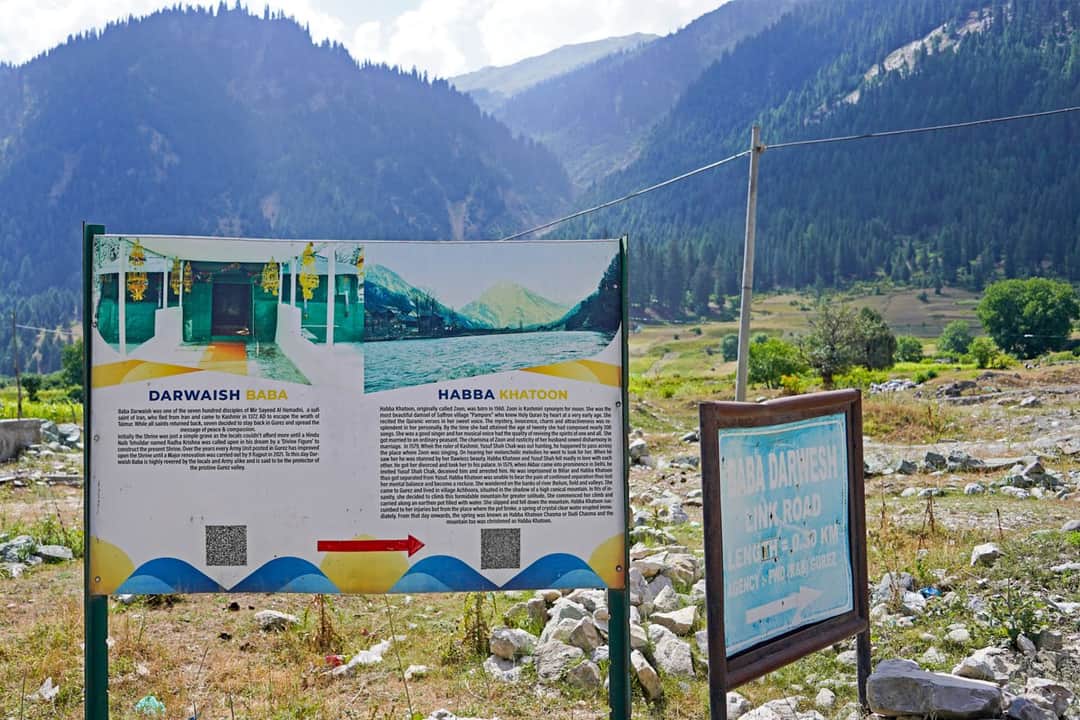
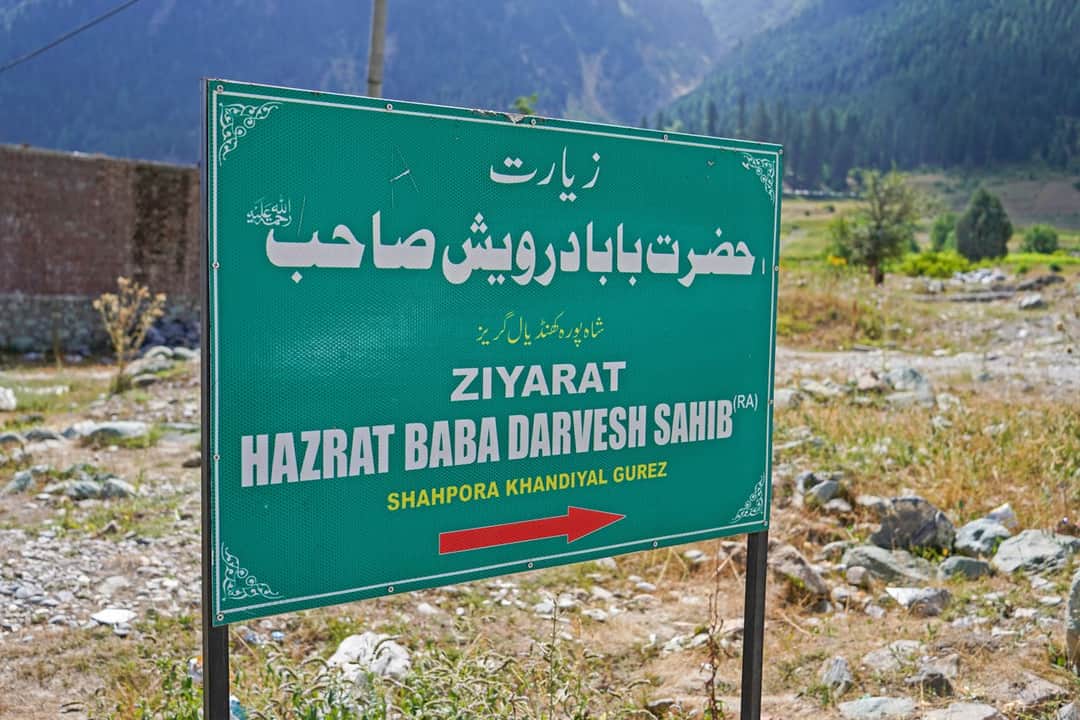
For the last 40 years, Fareed has been trying to preserve his mother tongue as a member of the Habba Khatoon Cultural Group. Funded by the locals of Gurez and occasionally paid for its performances, the group organises cultural programmes in schools to raise awareness about their community’s language and culture.
Muzamil Bhat
Muzamil Bhat
Sustaining that effort is becoming harder with each passing day. Almost all children from here study outside Gurez, so there is no one to learn from. “The morning prayer in schools, the books, and the cultural programmes are being performed in Urdu, Hindi, and English.” He says, “when I sing songs in the Shina during our cultural programmes at schools, most students struggle to understand the meaning of the songs.”
Major programmes like those held to celebrate Republic Day and Independence Day are conducted in Kashmiri and Urdu. “But now our group has changed that mindset and is trying to do these programmes in our mother tongue and include recitation of folk songs, poetry,” he adds.
*****
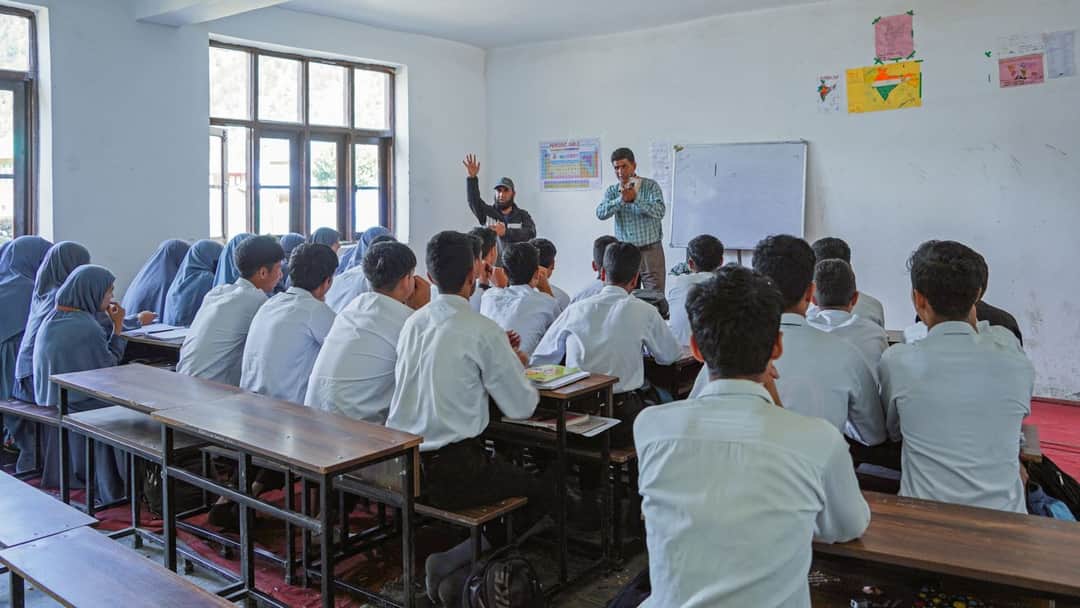
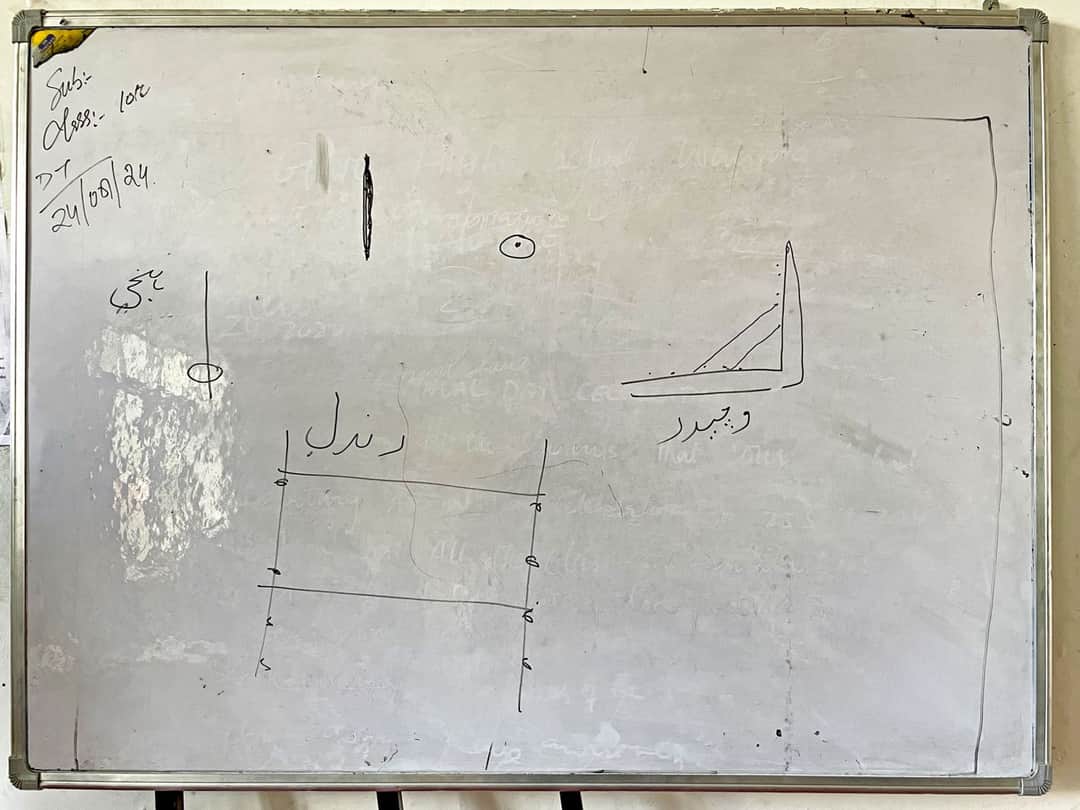
“Do you know what a chauk is?” Tariq Parvaiz Lone asks his Class 10 students, who look at him in confusion. “What is it, Sir? How does it look?” asks a curious student from the Government High School Wanpora. The headmaster begins to draw an unidentifiable object on the board and tells his students, “It’s a loom. Our elders used it to make woollen clothes.”
As Tariq continues the exercise, he outlines a spinning top on the board. “What do we call this in Shina?” he asks his students. A child calls it ‘lattu’, a Kashmiri word for the spinning top. Silence follows until Tariq answers, “It’s called thurkaiti.”
He continued the exercise, and only one student in the class of 30 could identify the objects by their name in Shina, their mother tongue. “There are so many words like these,” says Tariq, “that have just vanished from our everyday speech because we have adapted to other languages.”
Muzamil Bhat
When children from Gurez leave their homes, they pick up other languages like Urdu and Kashmiri for everyday communication in schools. In addition to that, most children end up learning Hindi and English.
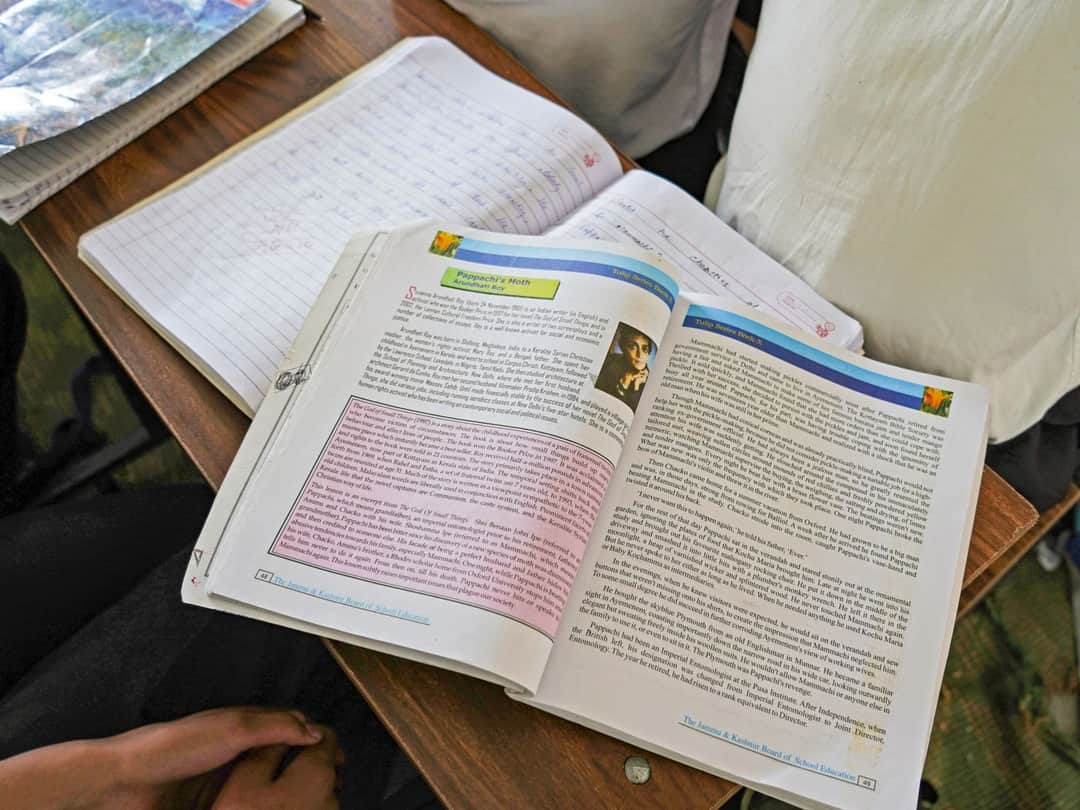
Tariq says, “The child who lives all 12 months of the year in Gurez, never faces any difficulty in speaking the language.” But others who migrate out for work, studies, or health issues, and climate issues, often face a problem in speaking their mother tongue fluently.
Listening to Tariq speak, his fellow teacher quickly jumps in to say, “my younger daughter learned Urdu on her own, phone dekh dekh kar [by watching (videos) on the phone].” She did not teach her the language. But when she tried teaching her Shina, the younger daughter didn’t show much interest. It has only been a year that she has slowly started picking up the language. Her elder daughter speaks Shina as she has started going to school where they are taught in their mother tongue.
Tariq feels that the only way to keep the language alive is to speak it at home and in the marketplace. He says that he is not against learning Kashmiri and Urdu as it will help the children when they go out of Gurez and connect with children from the other parts of Kashmir, “but forgetting our language is like forgetting our identity,” he adds.
But many students from the community feel insecure about revealing their Dardic identity as they fear they will be called “darde” (A term sometimes pejoratively used towards the community).
Muzamil Bhat
Muzamil Bhat
*****
Gurez valley used to be the silk route for people of Kashmir who would travel from Bandipora through Gurez to Gilgit for trade and pilgrimage. It was also the route used by Haj pilgrims.
The Dard-Shin tribe in Gurez and Drass has distinct cultural and linguistic roots tracing back to Dardistan, a historical region once stretching from the Kashmir valley to Gilgit and Afghanistan. The relationship between Kashmiris and the Dards goes far deeper than the Partition of 1947, says Masood Al Hassan Samoon. “Partition toh kal ki baat hai [Partition is yesterday’s story].” The Dards have been living in J&K for centuries,” says the 73-year-old former Director of Education, Government of Jammu and Kashmir.
Kalhana, the 12th-century Kashmiri historian, mentions the Dards of Gurez in Rajatarangini, a Sanskrit poetic chronicle of Kashmir’s kings. Masood says that the kings of Gurez were often at war with the rulers of the valley, and one notable battle took place on Mount Dudkath between the Dards and King Harsha (not to be confused with Harshavardhana of India).
With no unique script of its own, the language has survived through oral traditions, folktales, and folk songs. But decades of seasonal migration, cross border shelling, and political and cultural turmoil in the region is pushing the community further away from their mother tongue.
“When you go to Srinagar and if there is only one house out of the 50 that speaks Shina, how will the language survive?” Children from his community will speak to other children in Kashmiri or other common languages. He says that maybe one generation will continue speaking the mother tongue, but it will be dead for the second.
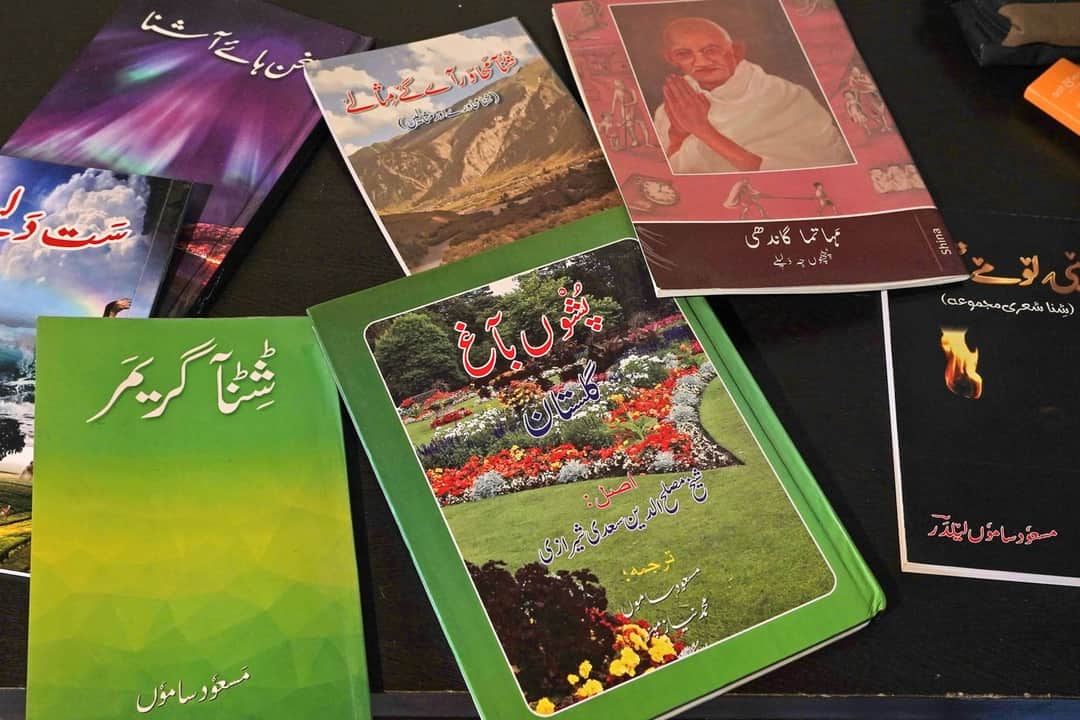
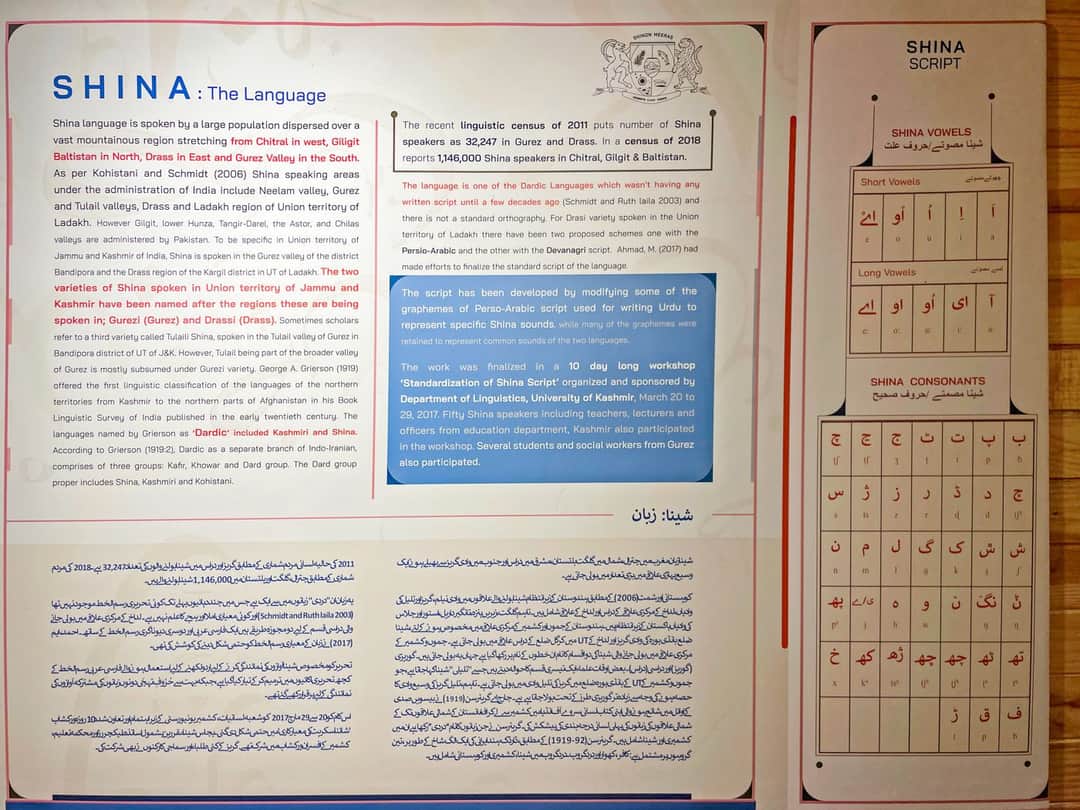
Masood is currently working on devising a unified Shina script, and lives in the Bandipore area in northern Kashmir. “There were two scripts prepared for Shina until now, one was from George Abraham Grierson, which was written in Roman, and another one titled Gilgit aur Shina Zabaan by Dr. Shuja Namus, a district education officer in Gilgit, Pakistan, in Urdu using Nastaliq script.”
In both cases, the documentation was limited to their research. Neither Grierson nor Dr. Namus were native speakers. Many details regarding the phonology couldn’t be accurately captured.
Masood says that Shina has four unique consonantal sounds, “jo daayein-baayein ki kisi language mein nahin hai [which is not present in the neighbouring languages], forget Urdu or Farsi, it is not even common with Kashmiri.” So, there was a need to have unique diacritics, but no one succeeded. He further adds that later Mohammad Amin Zia, a professor from Karakoram University in Pakistan, wrote the grammar and its rules at a time when computers had just come in. But that too didn’t focus on the script.
Tariq agrees with Masood and says, “How do we write and teach the language if there is no script? After the book on Shina grammar was published, many community members had even formed a WhatsApp group, but it didn’t work out,” he adds.
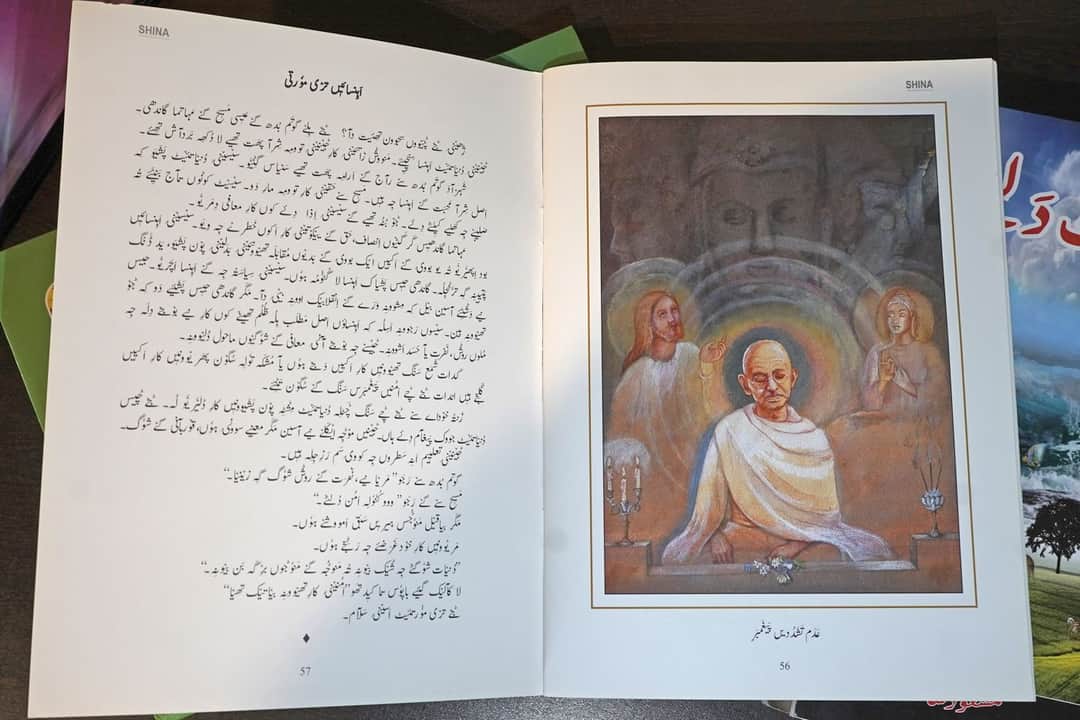
Fareed also says, “a proper script will help as most of the Shina literature is still written in Urdu.” Introducing the new script will bring the children closer to their mother tongue. He says, “When our kids go from Kashmir to other countries like Russia and Germany, we don’t teach them those foreign languages, do we? They learn it there.”
Muzamil Bhat
Muzamil Bhat
Masood asserts that literature is the one basic factor that keeps languages alive. He points to Kashmiri literature, the poetry of Lal Ded, Sheikh-Ul-Alam (also known as Nund Rishi), and several other poets of the medieval and modern era. He says that even today a lot of prose and poetry is generated in Kashmiri, which will be the means of language’s survival in the times ahead, “but we cannot say the same for Shina.”
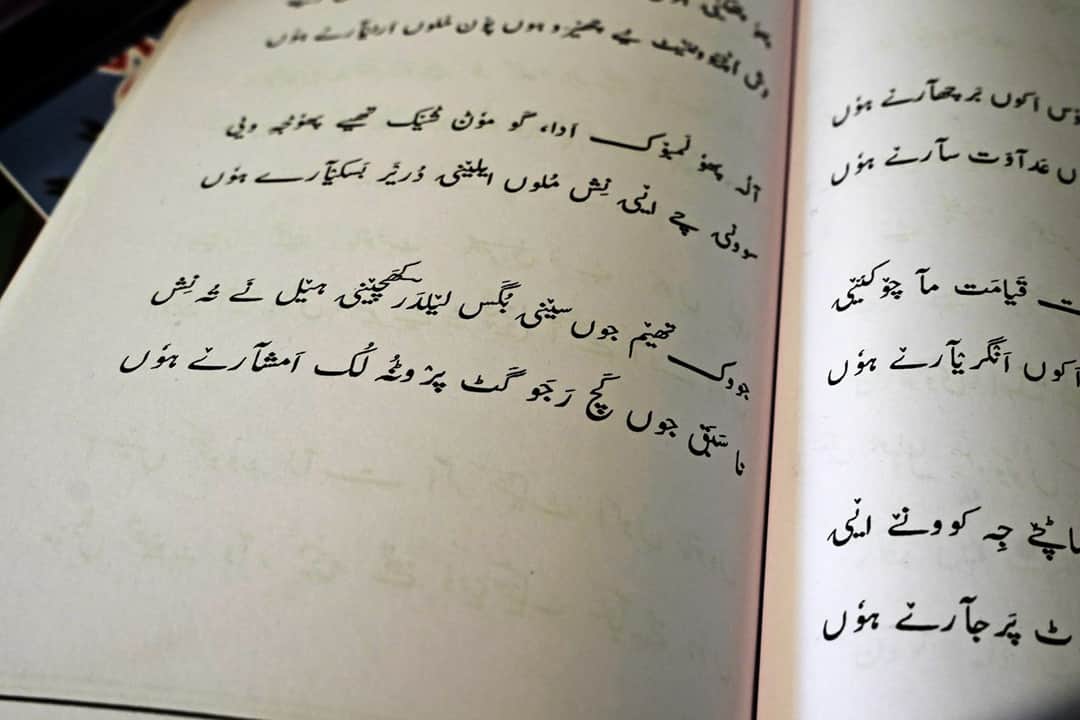
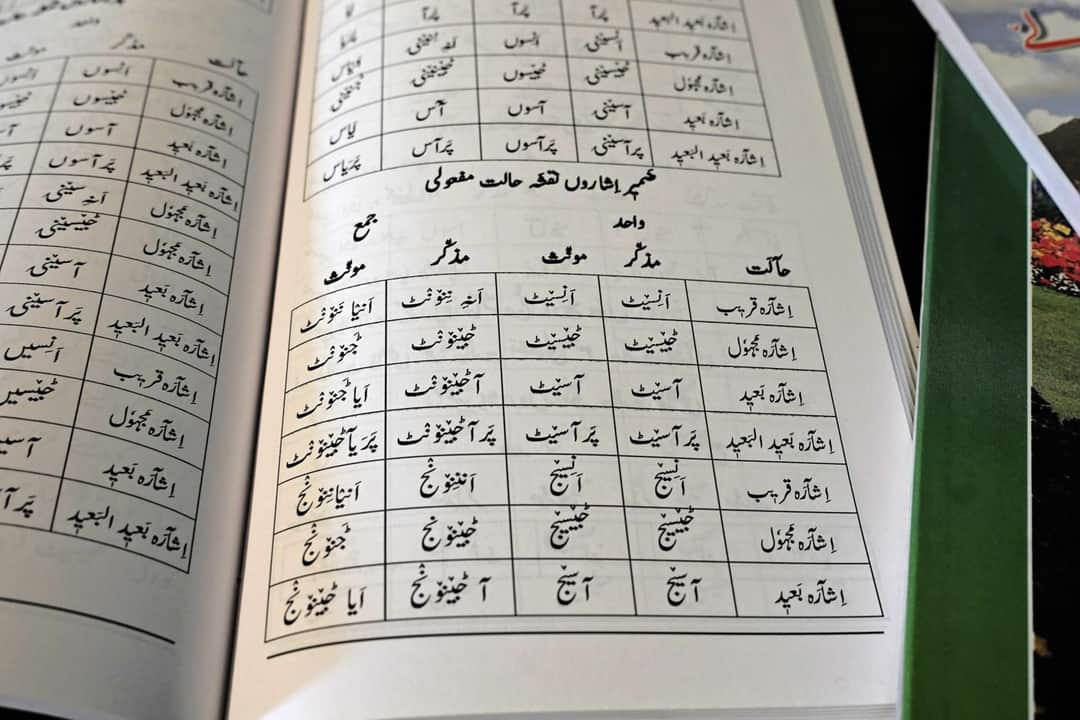
Masood’s journey of devising a unique script for Shina began in 1975 when he had a full-time job at the Kashmir University teaching Urdu and Persian. “I would collect folklore and folk songs,” but he would often find himself asking, “how to even write this!”
Later when he became the Director of Education, a new language policy in Jammu and Kashmir state to teach in the mother tongue from grade four onward was announced. He says, “it was the best time to have a script,” and even made it compatible with the computer.
He attempted to devise a script and also wrote a primer. But then he left his job, “things went haywire in life,” and he could never publish it. He says that he has resumed his efforts once again after retirement.
Muzamil Bhat
Muzamil Bhat
After multiple attempts to standardise the script, his textbook Pumiki Shina Kitab was printed for the class four students. However, even at that time, Shina was still an optional subject. “I became a language activist and at least in my area the script has been standardised”, he says. Lately, there have been other attempts to document the mother tongue. The linguistics department of the Kashmir University, Srinagar, has published a book on Shina grammar.
Masood says that until the script is standardised, making Shina a medium of instruction at the elementary level, at least till class ten, will help the language survive longer. He points out, even though at this stage it is not possible to use it as a medium of instruction for higher or technical studies like chemistry, physics, there is an urgency to the matter “otherwise the language will be dead.”
He narrates an anecdote of his time in Gurez during his service days. If anyone from his community would talk to him in Kashmiri or Urdu in the office, “I would scold and tell them that I am speaking in Shina, you should too!”
He further asks, “Now if you want to talk to your family, you will do that too in English? No French person is speaking English at his home. Only we Indians have this biimarii of angrezi ki gulami mentality [Only we Indians have this sickness of treating English language as something superior].”
He says that children today learn in English, and all their mental faculties are exhausted in speaking foreign languages. “It’s not as if only angrezis are intelligent. Are we Hindustanis stupid? Of course, that is not the case, but there is no growth for our [Indian] languages as we spend our time learning foreign ones,” he says.
Muzamil Bhat
Muzamil Bhat
Muzamil Bhat
Muzamil Bhat
The National Education Policy (NEP) 2020 proposes that the medium of instruction until grade five should be in the mother tongue of the child. “It is perhaps the most sensible thing that has been done in India’s education sector, but it is going to be challenging,” Masood says.
The board of education has implemented it for class one textbooks in Kashmiri and Dogri. He says that he is waiting for his textbook in Shina to be published soon, as he had sent it almost a year ago.
Meanwhile, Masood is trying to standardise the Shina script along with his fellow activists, “but I cannot assure you if it will be completed anytime soon. It needs a lot of work, and I am afraid that I am growing old,” he adds.
This story is published under the PARI Senior Fellowship 2025.
The reporter would like to thank Masood Al Hassan Samoon, Bashir Ahmad Teroo, Fareed Ahmad Lone, and Abrar-ul-Alam for their help with this story.
The Shina poetry by Ghulam Rasool Mushtaq has been interpreted by Fareed and edited by Pratishtha Pandya. The poetry by Masood Al Hassan Samoon has been translated into English by Muzamil and Pratishtha Pandya.
PARI's Endangered Languages Project (ELP), is part of an initiative supported by Azim Premji University. It aims to document the vulnerable languages of India through the voices and lived experiences of people who speak them.
Want to republish this article? Please write to [email protected] with a cc to [email protected]
All donors will be entitled to tax exemptions under Section-80G of the Income Tax Act. Please double check your email address before submitting.
PARI - People's Archive of Rural India
ruralindiaonline.org
https://ruralindiaonline.org/articles/in-gurez-home-is-not-where-the-word-is