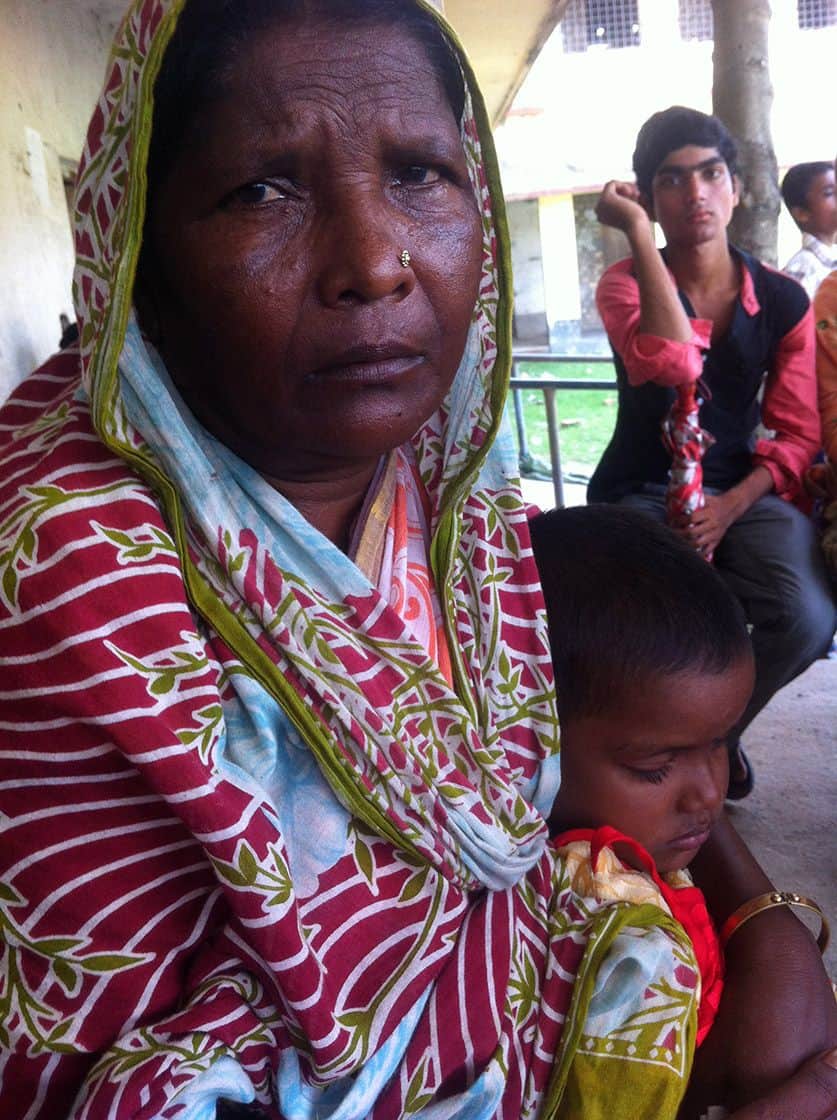

It was only after Fatima Bibi’s newborn died that she came to the community delivery centre for her fifth delivery. All her children – three girls and a boy – were born at home. “The boy died due to a lack of oxygen,” her mother Jamila says. “So we came to the hospital this time.”
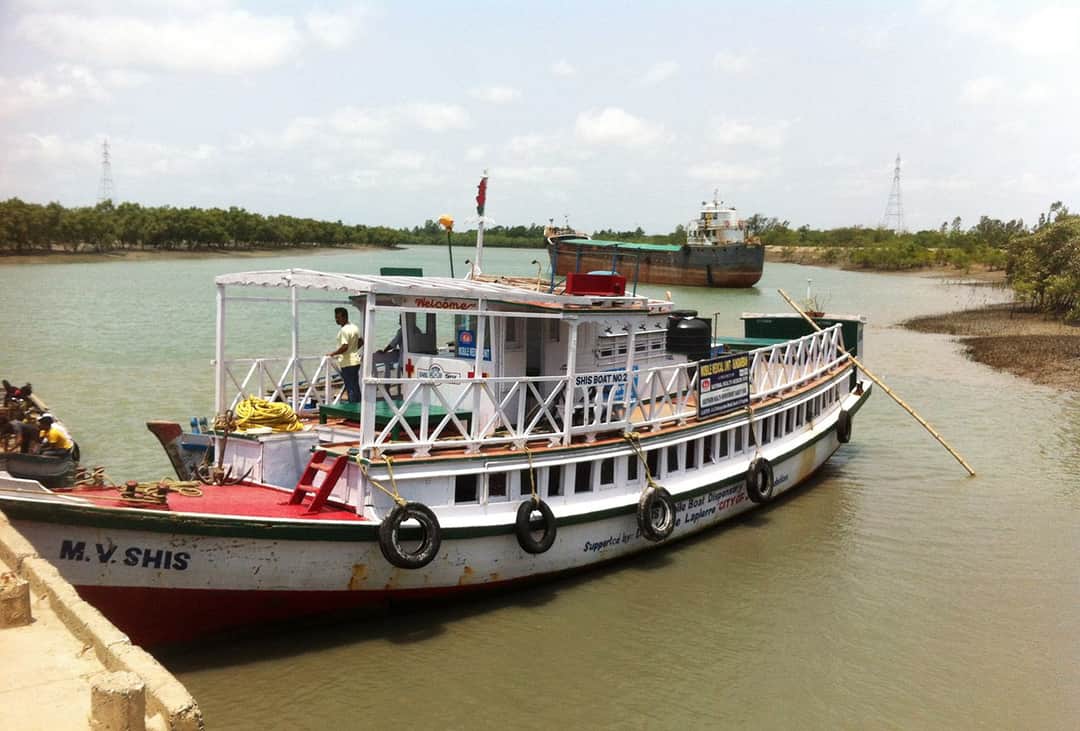
The family hired a van for Rs. 700 for a mere 30-minute journey from their village Rampur to Bayermari village in North 24 Parganas district. “Poor women in our village take the boat to travel to the hospital,” Fatima says. “In high tide it’s very risky. Last year, a heavily loaded boat capsized near Kathkhali during high tide. Some people even died.”
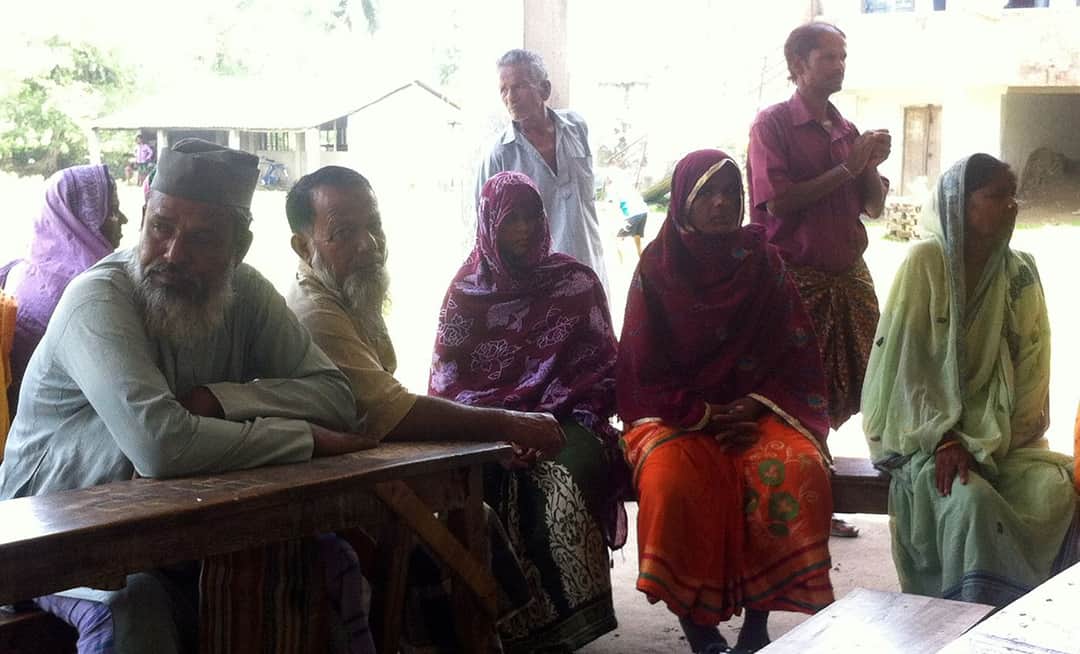
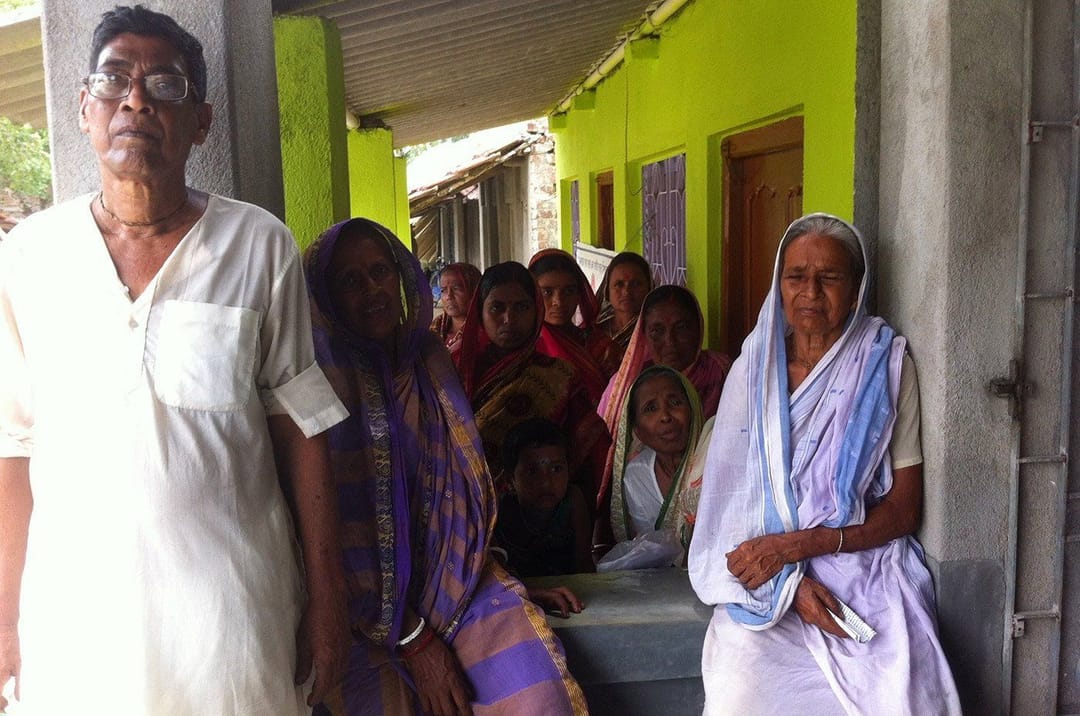
Fatima’s struggle speaks of the difficulties pregnant women in the Sundarbans frequently face. And this is true for all health concerns – getting medical help is an uphill journey for most people living on these islands.
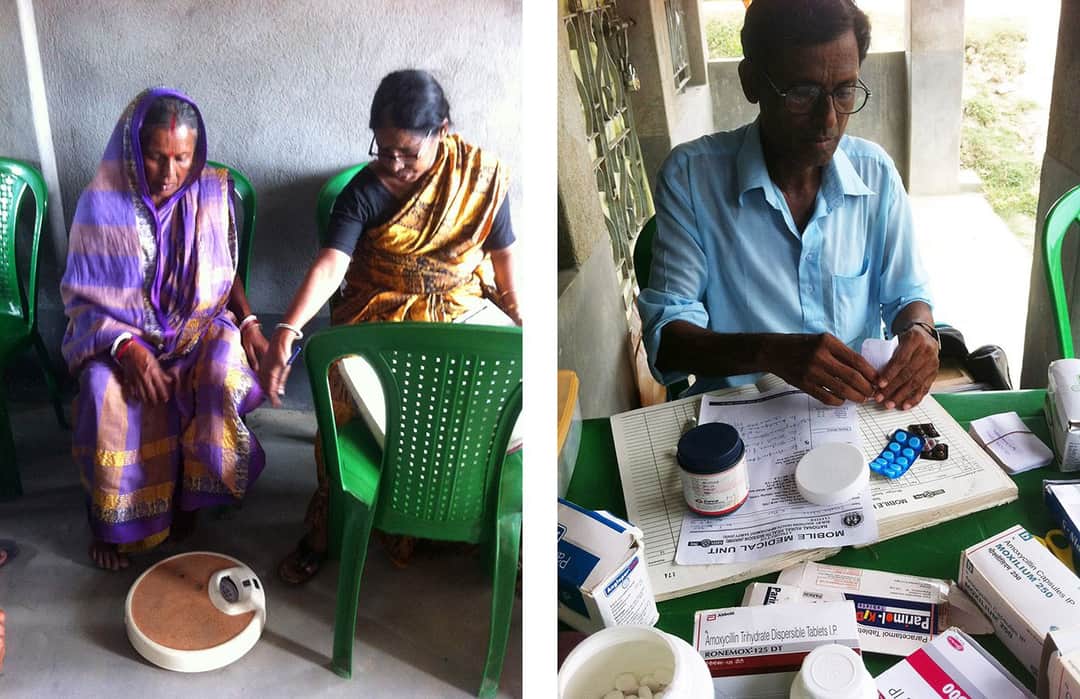
The Sundarbans is covered by only a bare patchwork of medical sub-centres – the first contact point for the community with the government’s primary health care system. Each sub-centre is meant to cover 5,000 people. In Paschim Sripatinagar and Purba Sripatinagar villages in South 24 Parganas district, the total population is around 9500 (according to Census 2011). This number will have since grown – so more than 10,000 people are entirely dependent on two ill-equipped sub-centres and a few self-proclaimed local ‘doctors’ for their health care needs.