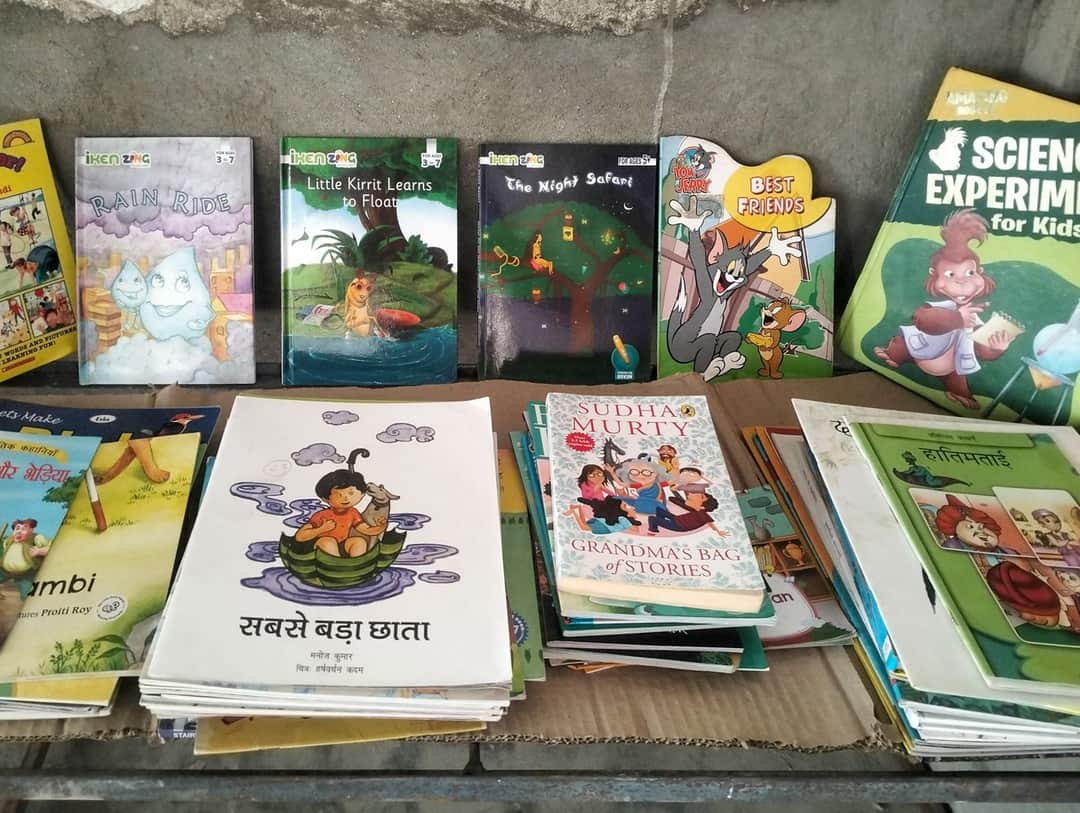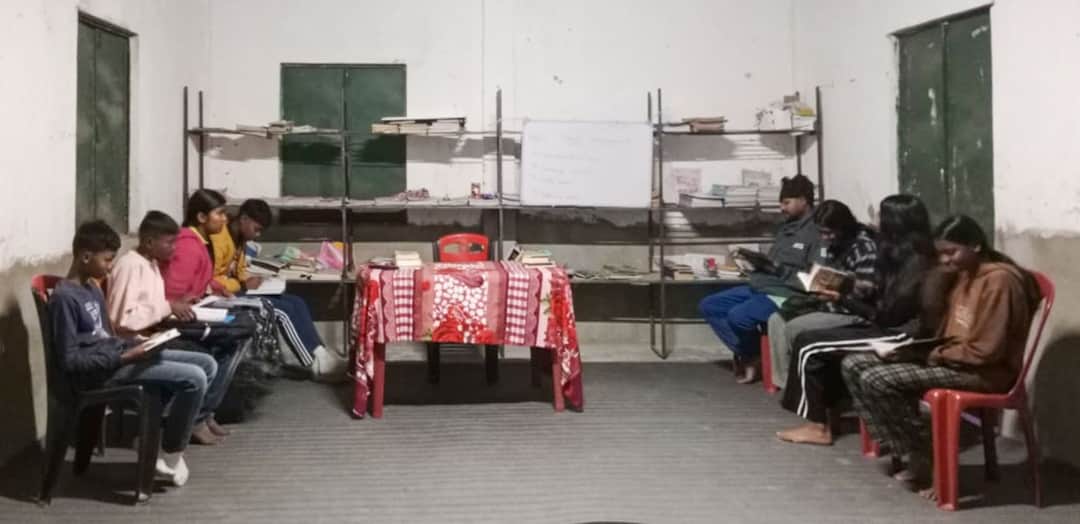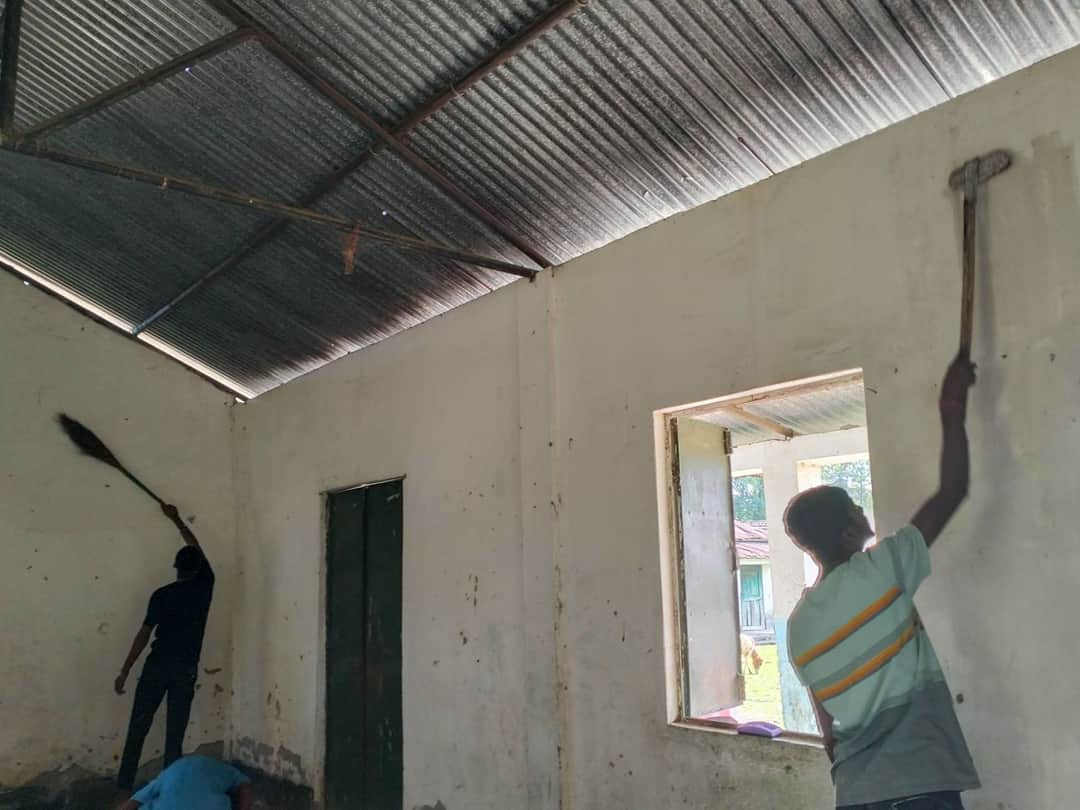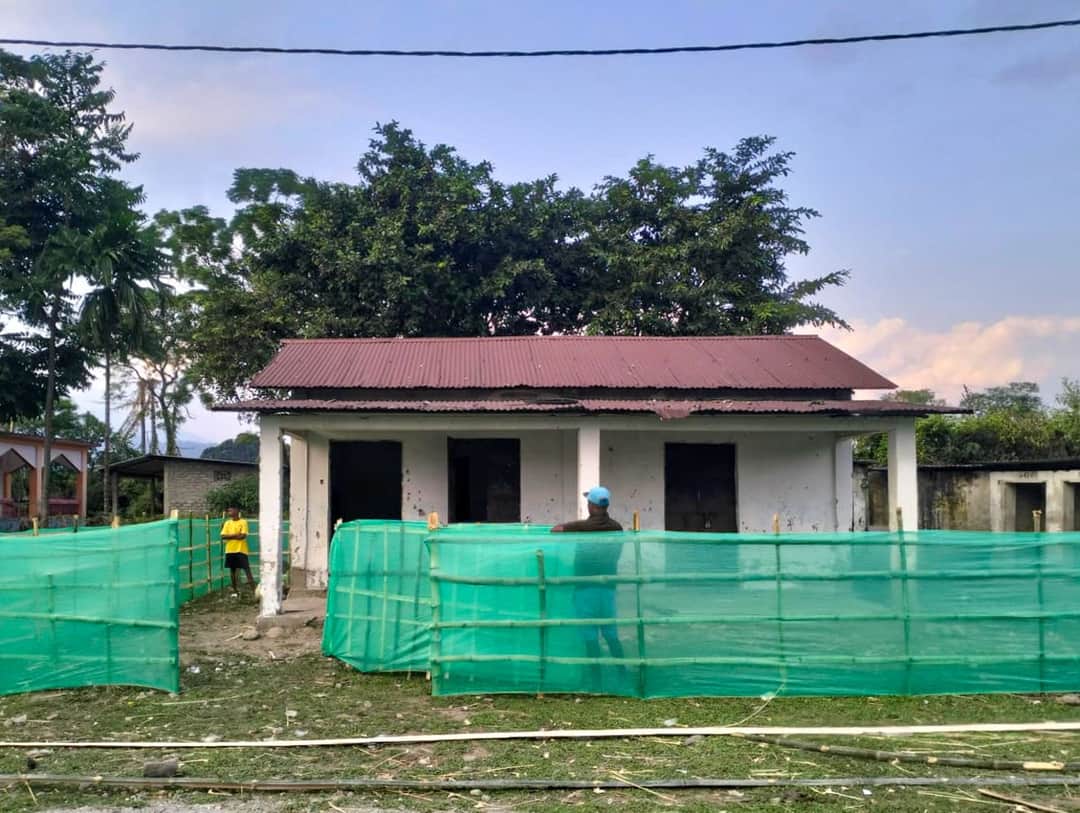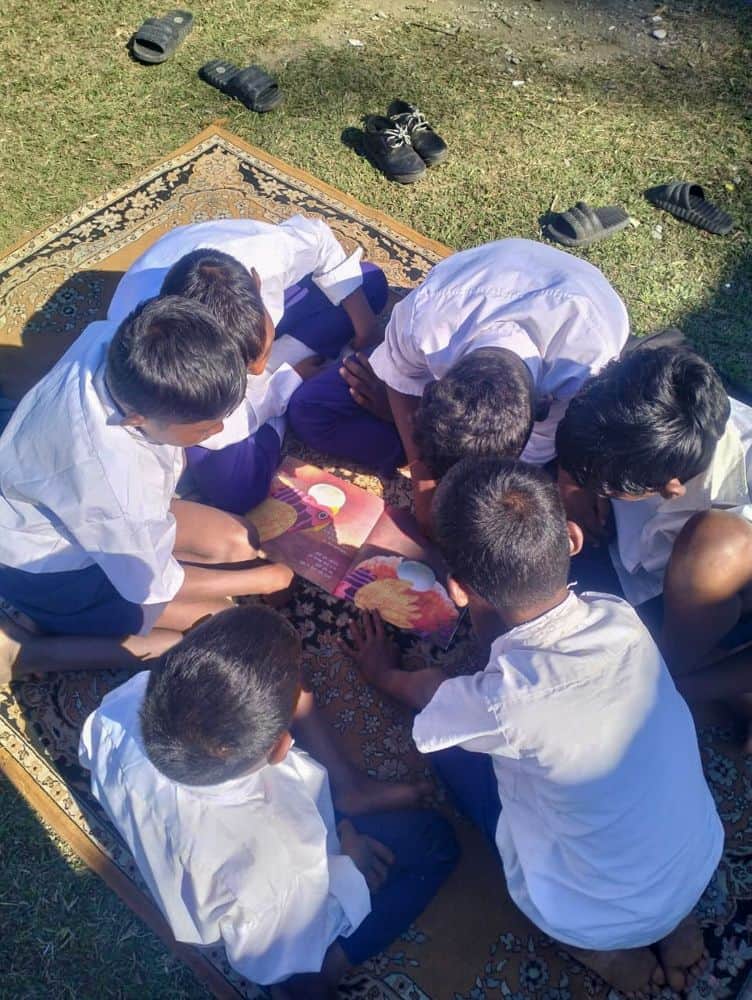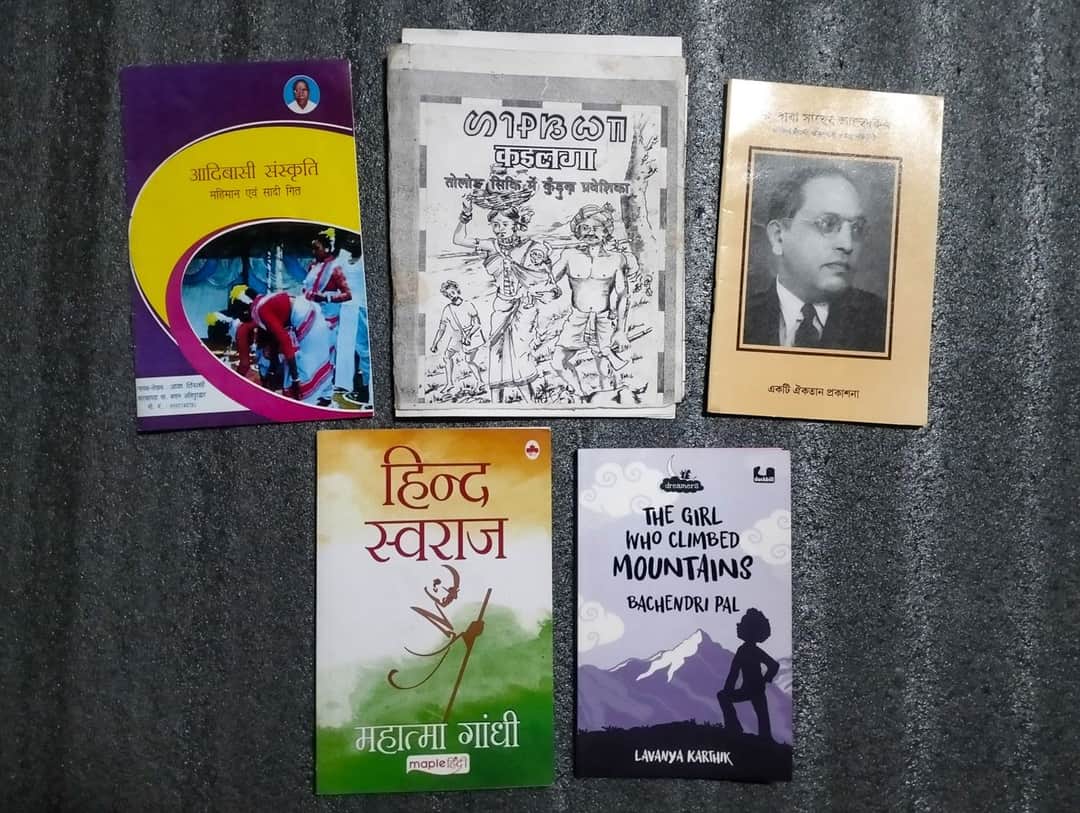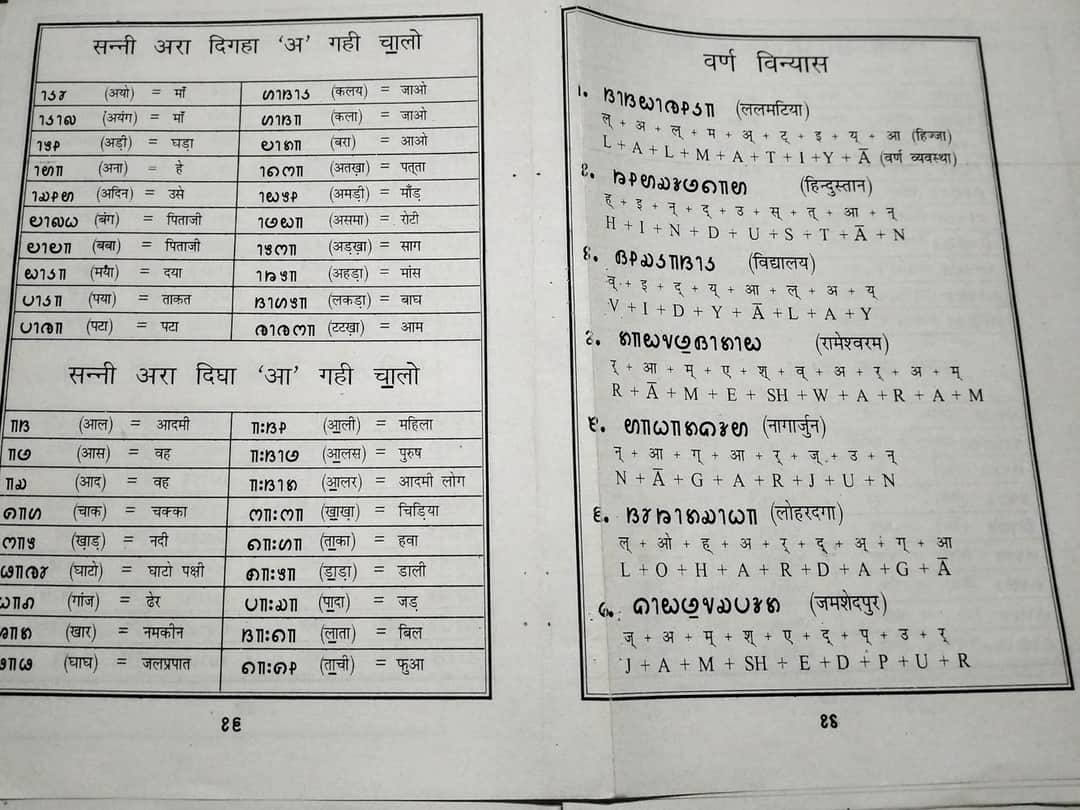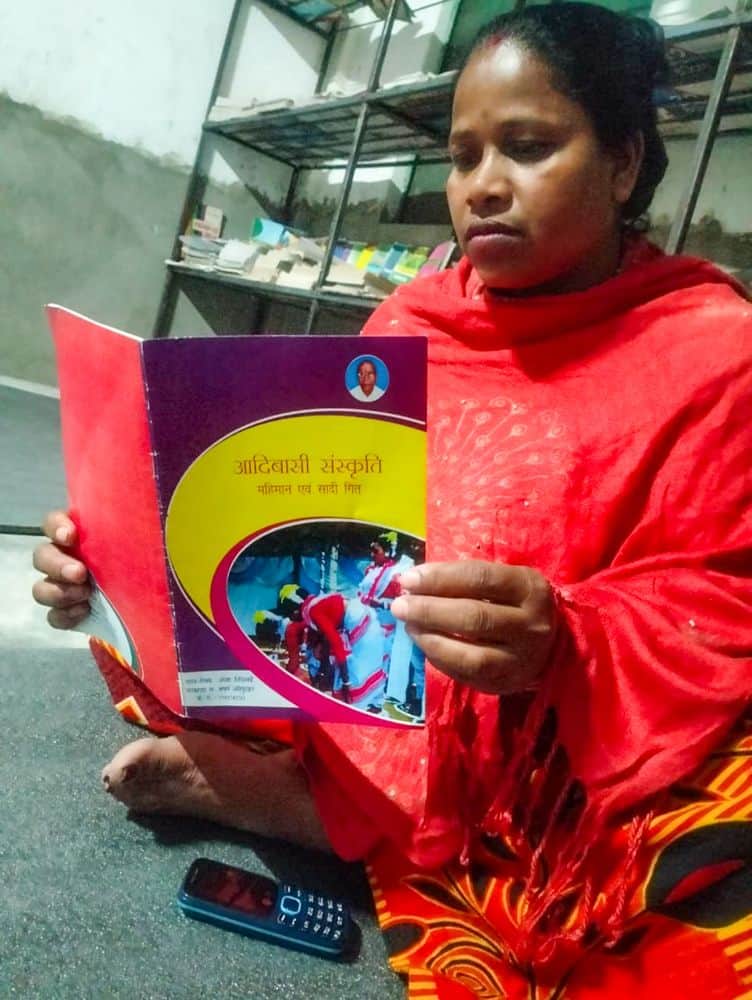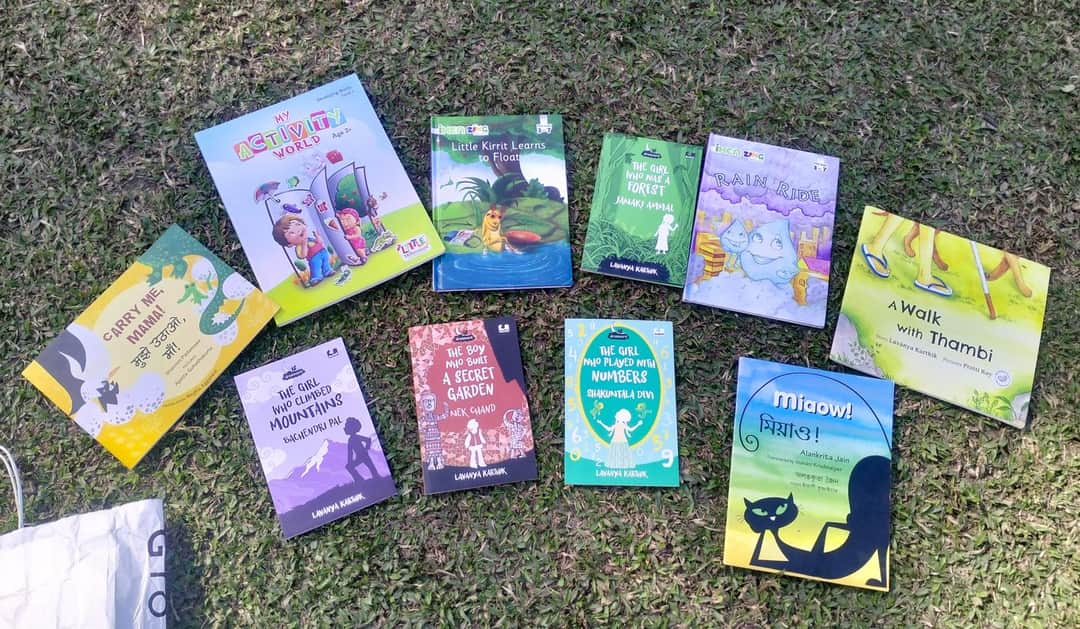

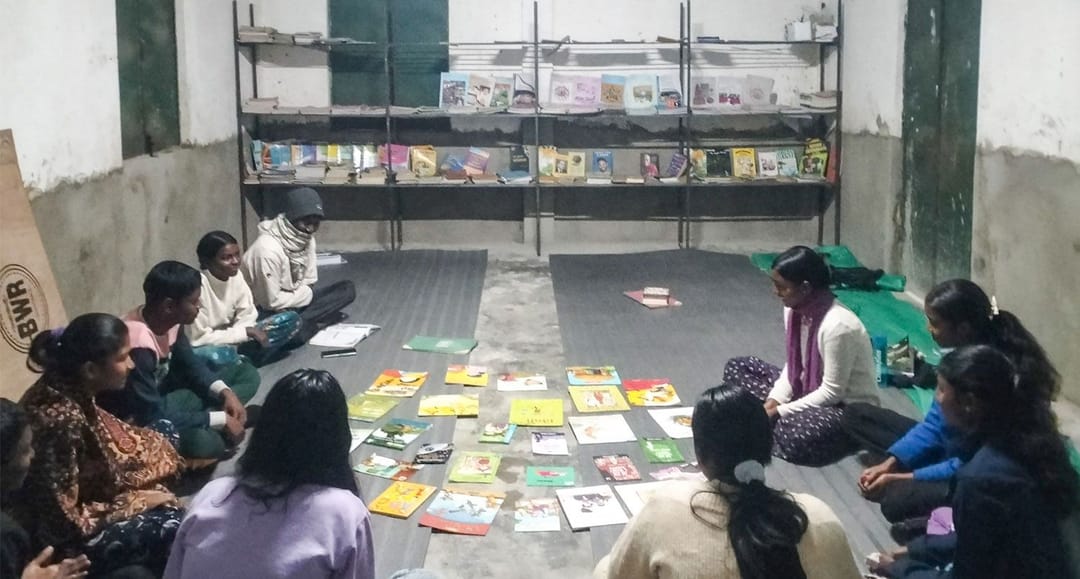
“Didi, can we really read our own language here?” Ansh Oraon, 15, asks me as he holds a Kurukh book in his hands.
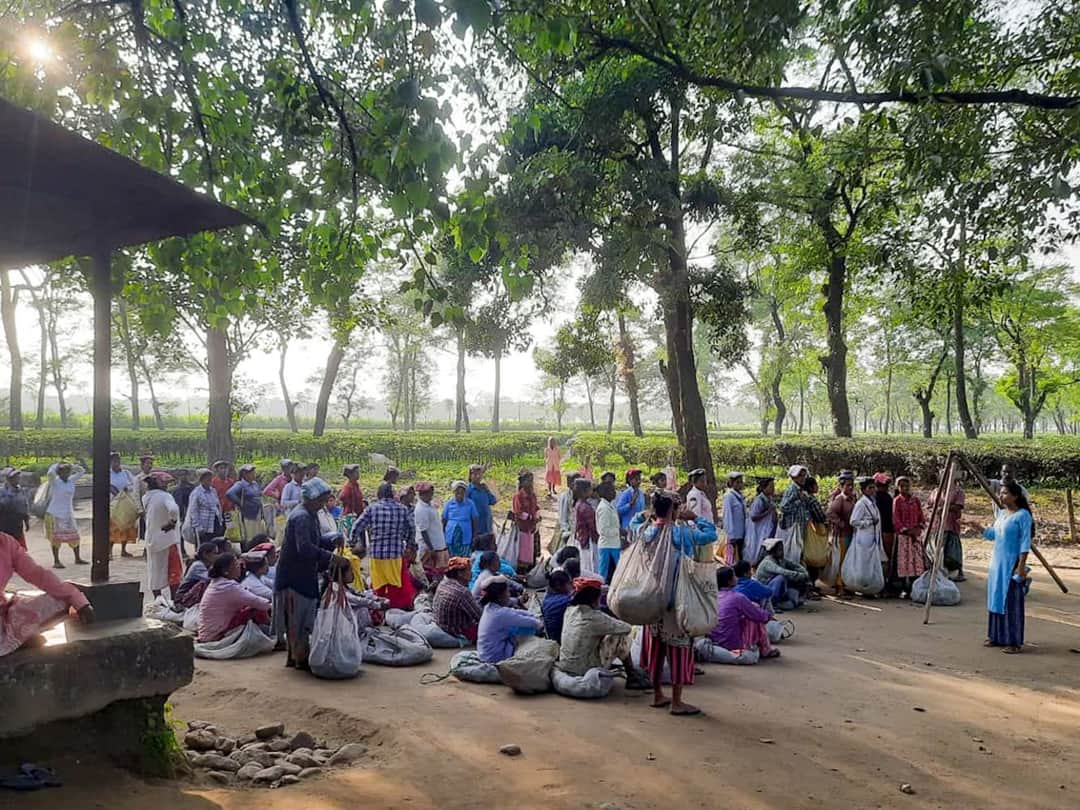
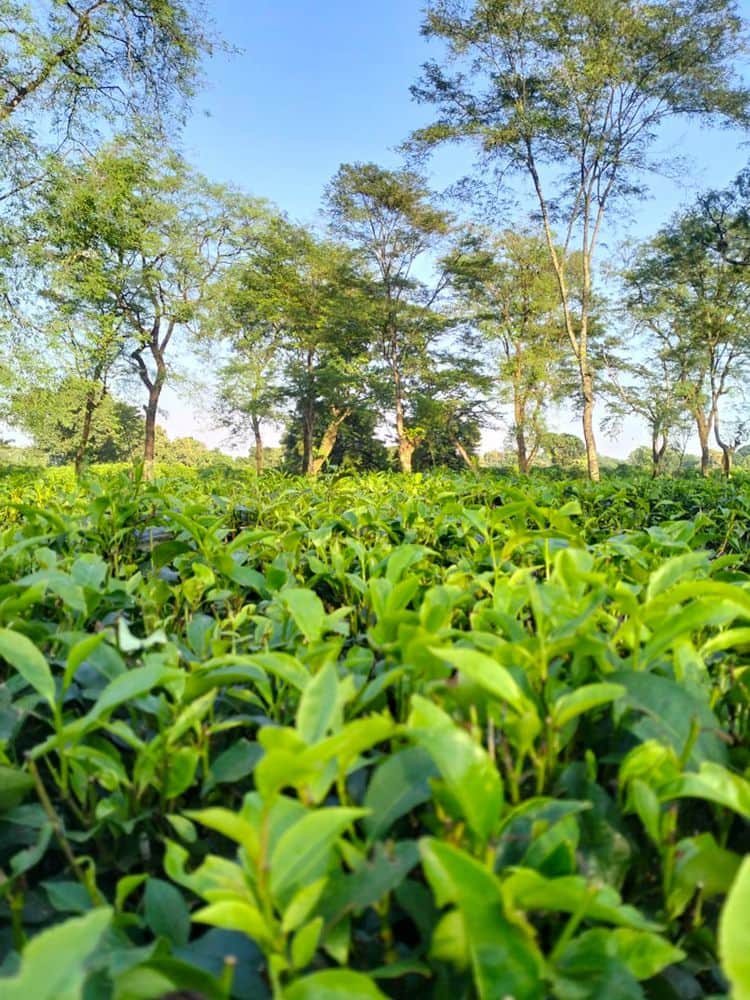
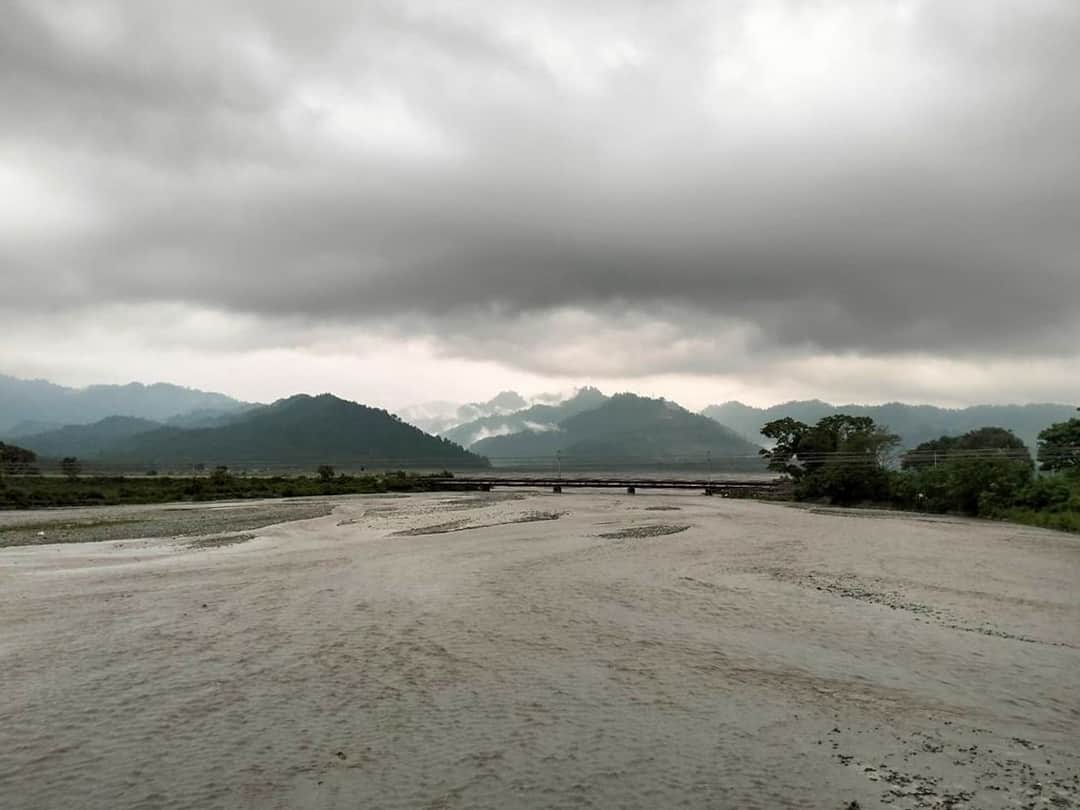
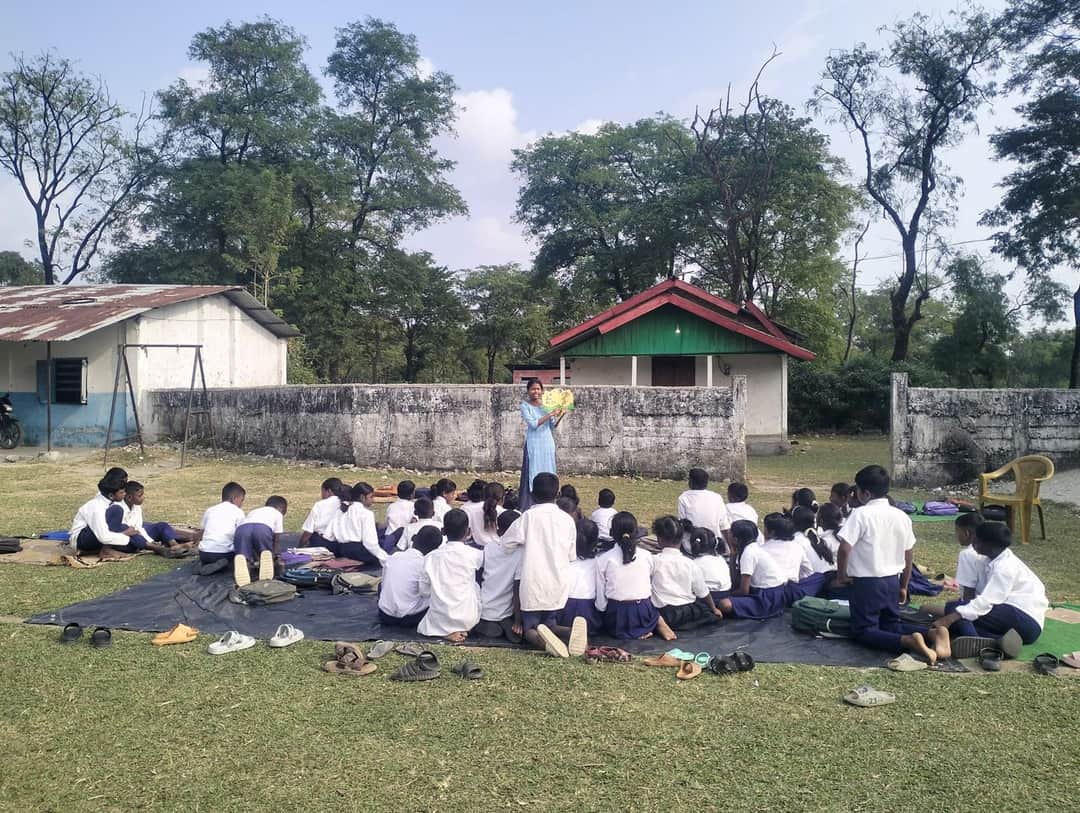
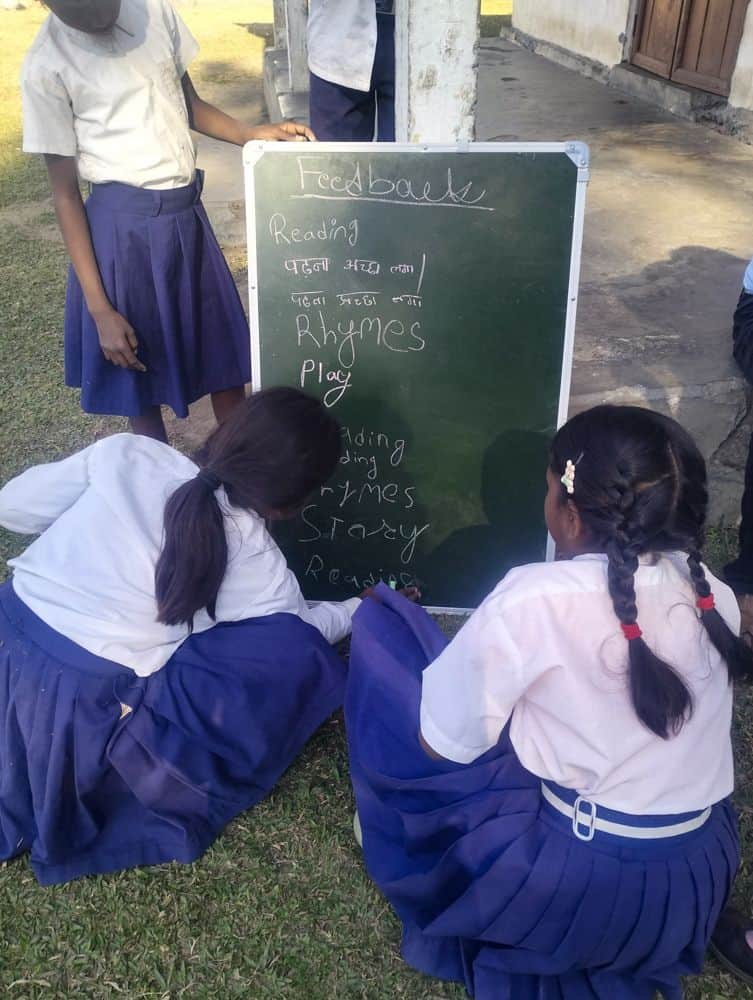
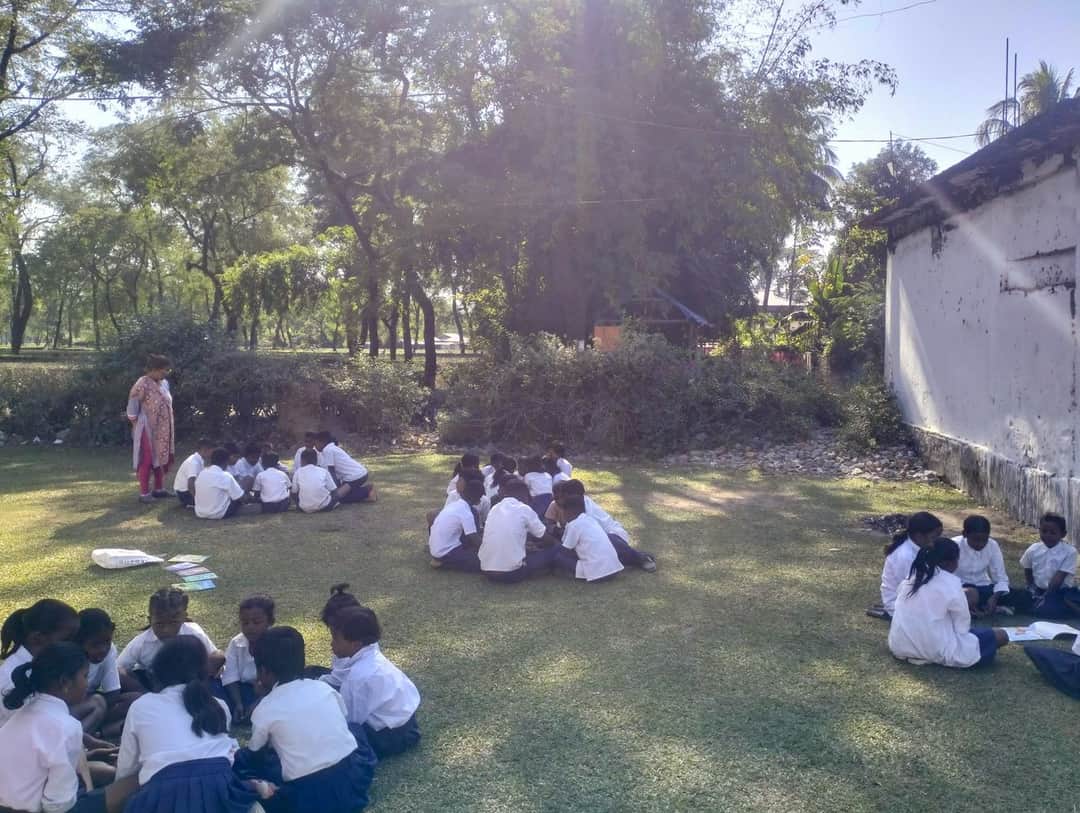
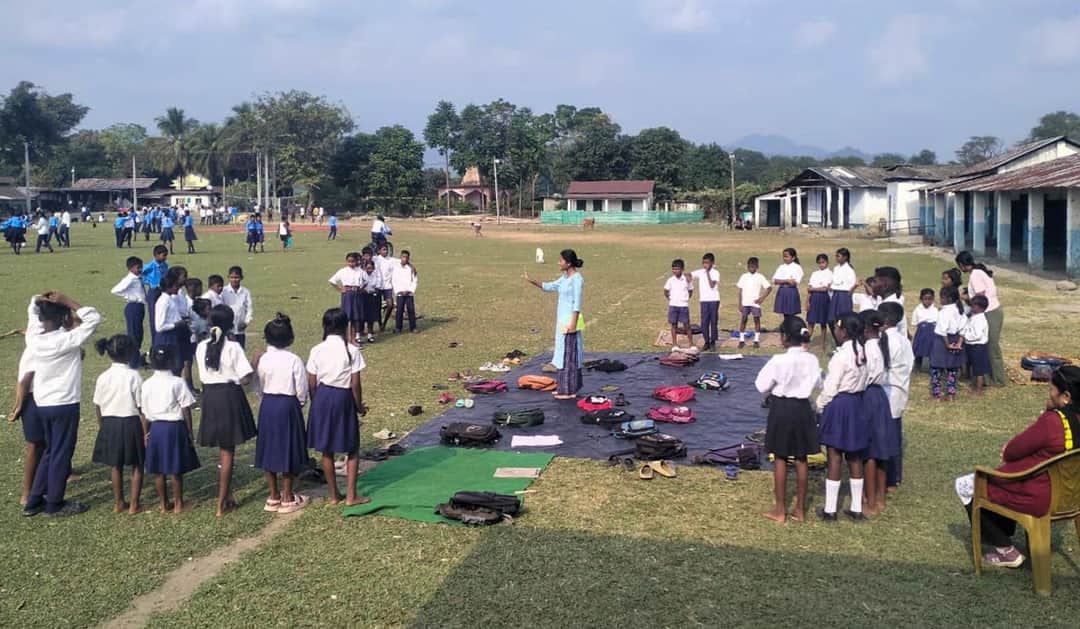
We are in a school attended by the children of tea garden workers in West Bengal’s Jalpaiguri district. The garden where Ansh’s parents, and mine, work is located by the Leesh river.
Our families, like those of most workers here, belong to the Oraon tribe. Our ancestors came from the Chhotanagpur Plateau region – Ranchi, Gumla and Simdega districts in what is now Jharkhand – four generations ago. At home, we still speak Kurukh, the language of our community, but outside, we speak Hindi and Bengali. So, Ansh has never seen a book in our mother tongue.
I grew up here, in Patibari inside the Leesh River tea garden. The Census handbook spells the name as Lishriver, but the villagers and the local administration use the spelling Leesh River.