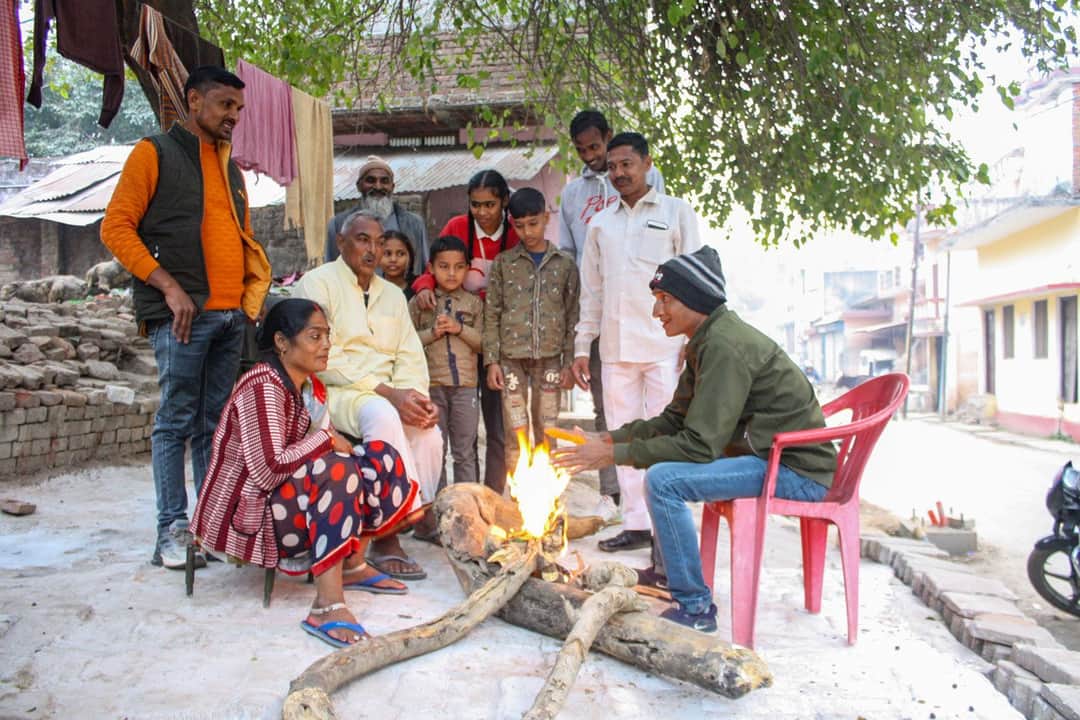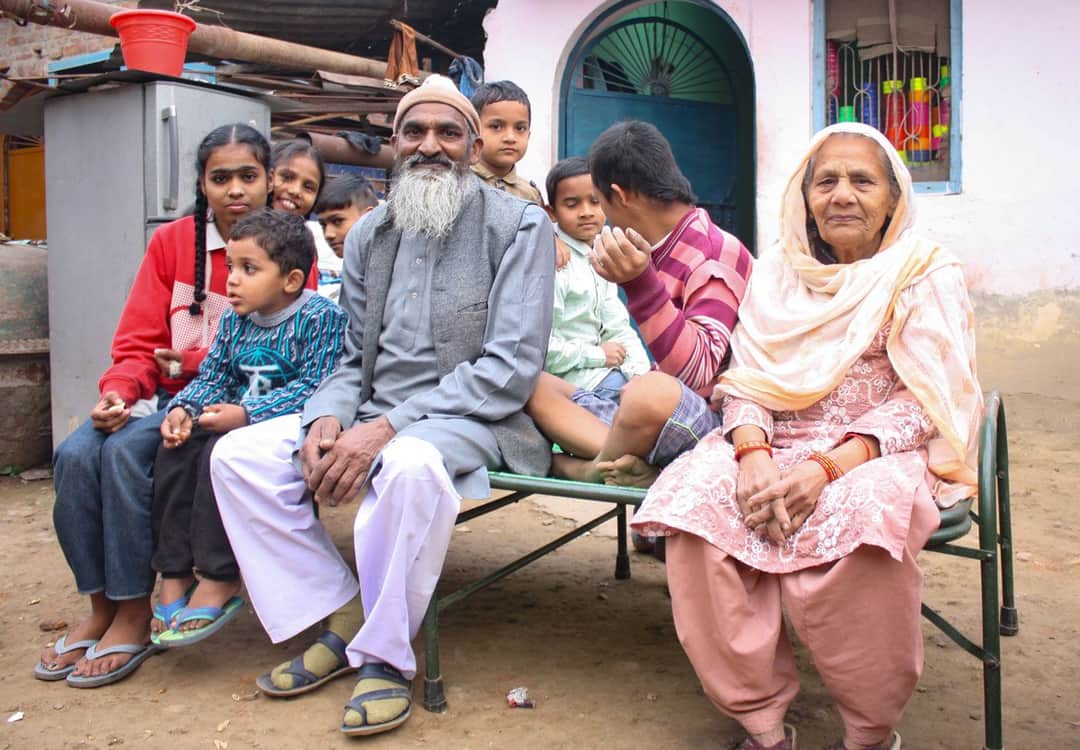

“Yeh batana mushkil hoga ki kaun Hindu hai aur kaun Musalman [It is hard to point out who is a Hindu and who is a Muslim].”
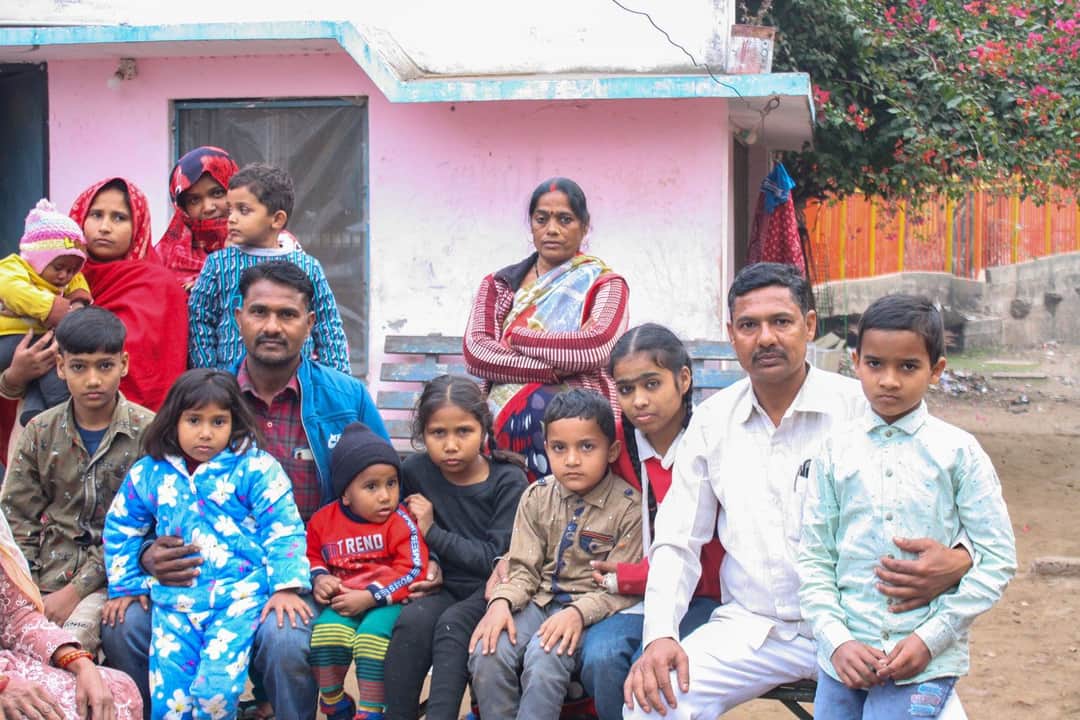
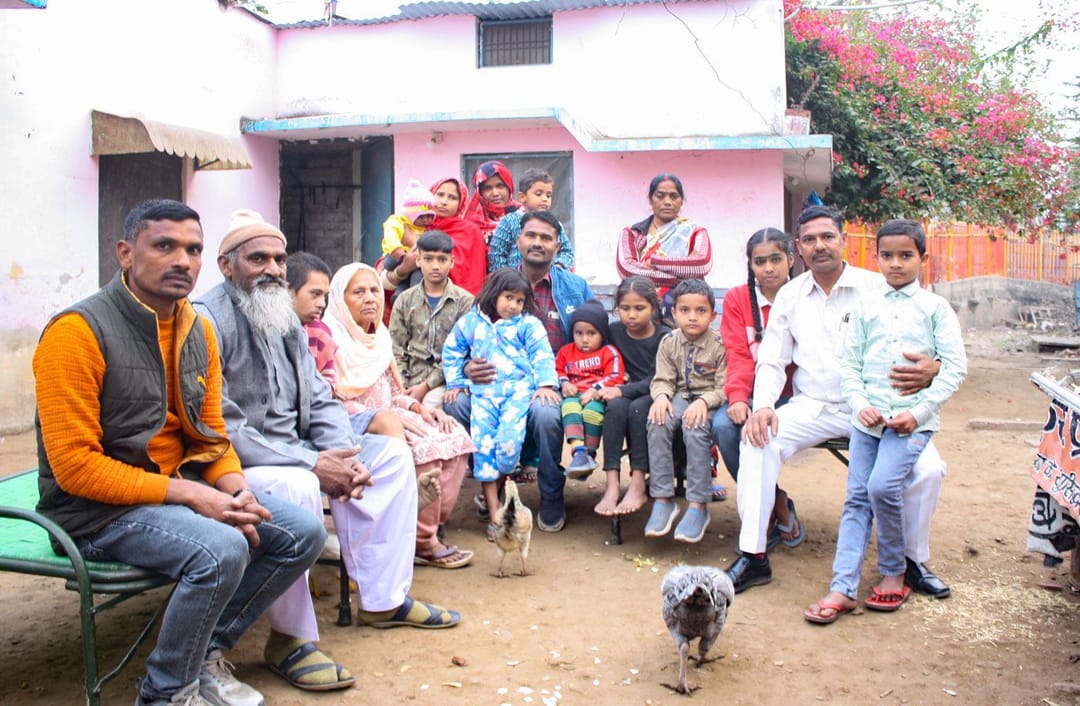
Mohammad Shabbir Qureshi, 68, is speaking about himself and his neighbour, Ajay Saini, 52. The two are residents of Ayodhya, and have been friends for the last 40 years in the Durahi Kuan neighbourhood of Ramkot.
The families are close, share daily concerns and rely on each other. Ajay Saini recalls, “one time while I was away at work, I got a call from home that my daughter was sick. In the time I could rush back home, my wife informed that the Qureshi family took our daughter to the hospital, and also bought the medicines.”
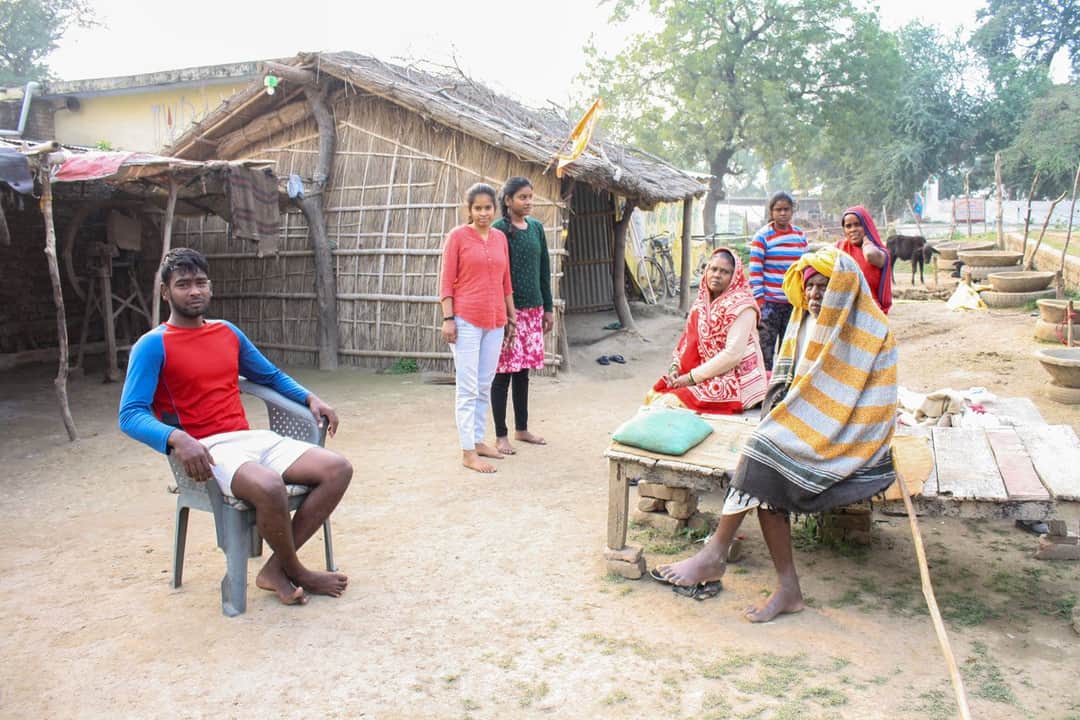
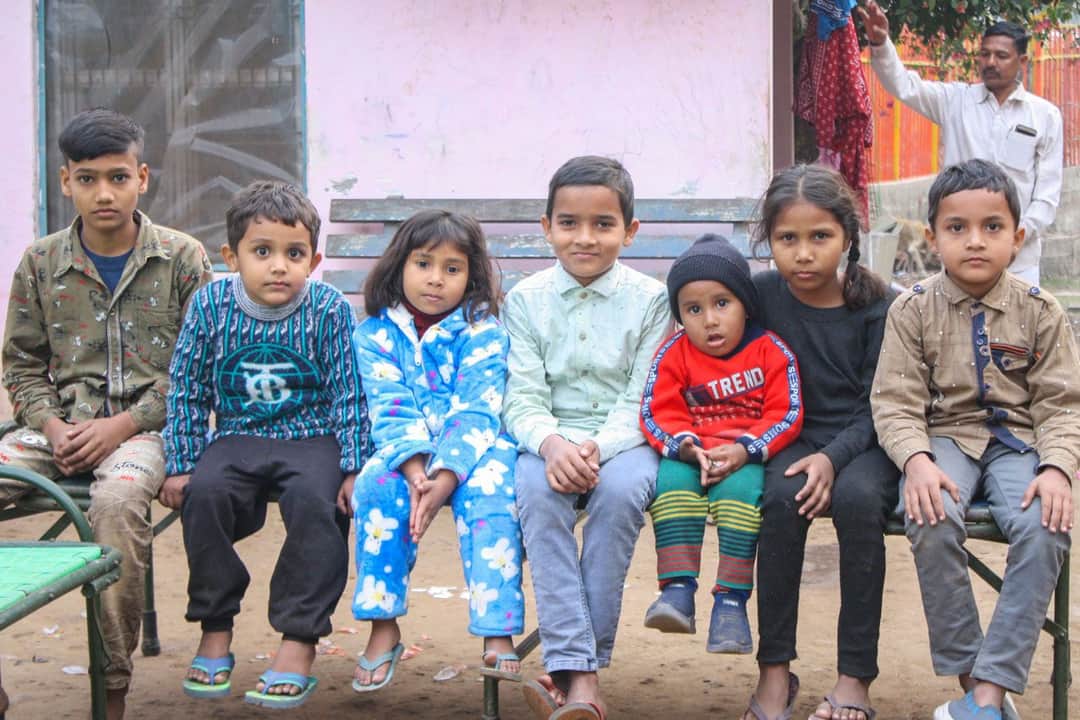
The backyard where the duo is seated is crowded with buffaloes, goats and half a dozen chickens. Children of both their families are running around, playing and chatting.
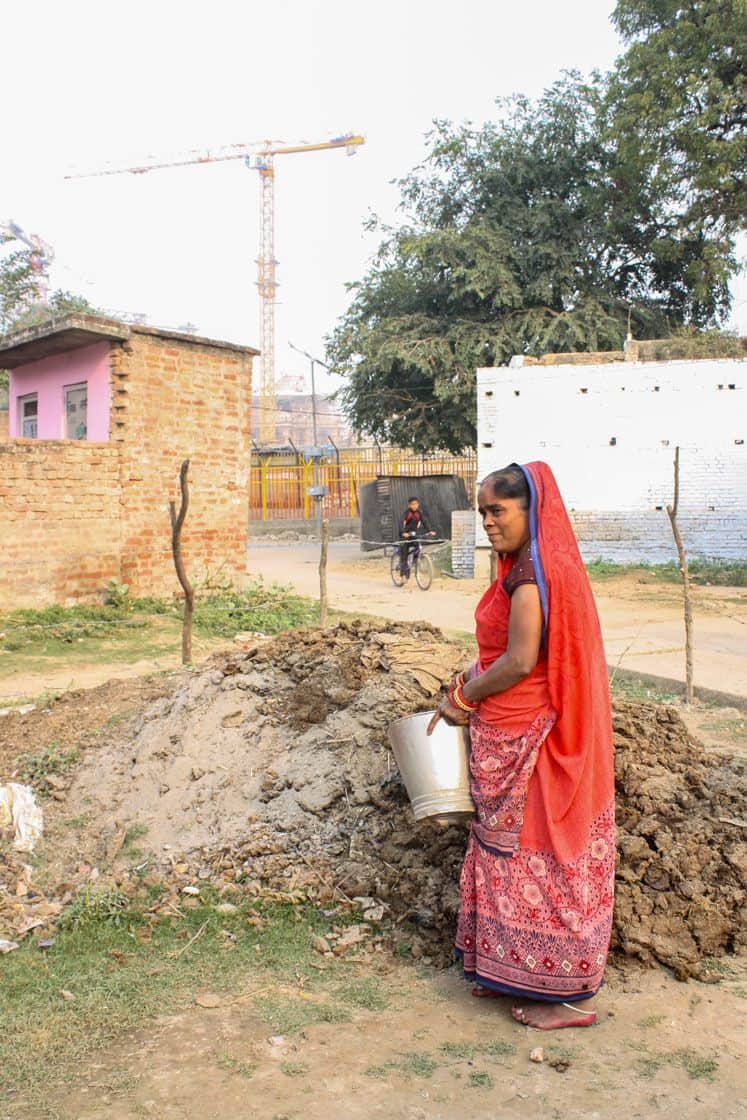
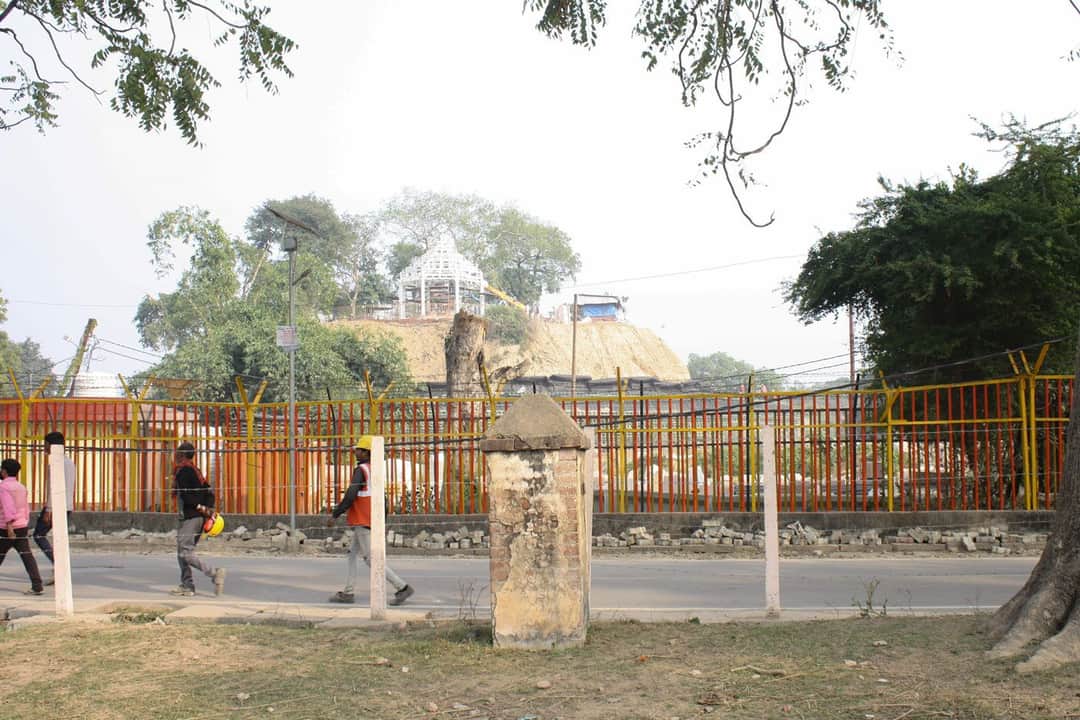
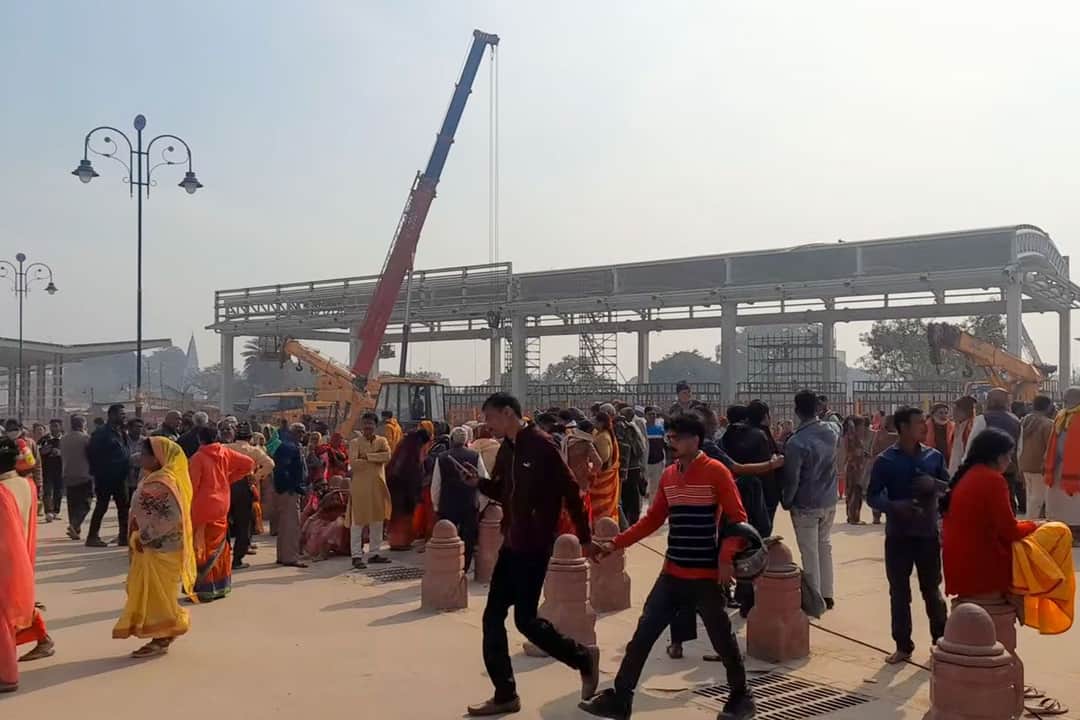
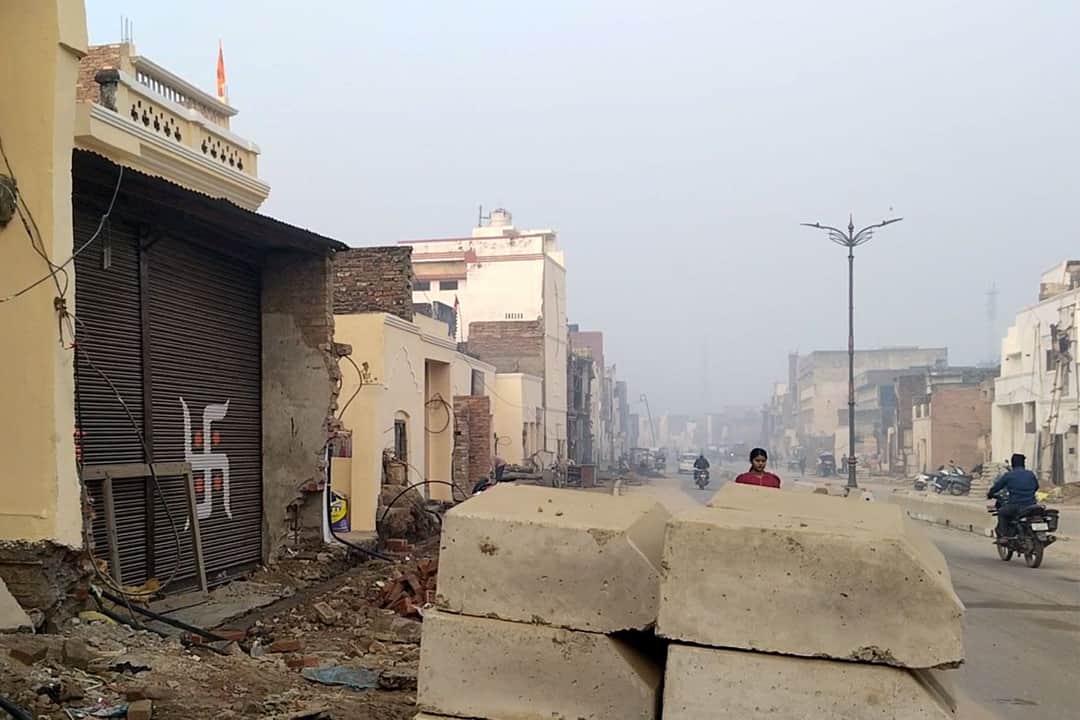
It’s January 2024 and the Ram temple in Ayodhya is getting ready for a high-profile inauguration. A new, heavy, double-barricaded iron grill fence separates their houses from the compound of the temple.
Saini was a young teenager when he and his family moved into the house next to Qureshi in the eighties. He would sell flower garlands for a rupee to devotees visiting the Ram idol in the premises of what was then the Babri Masjid.
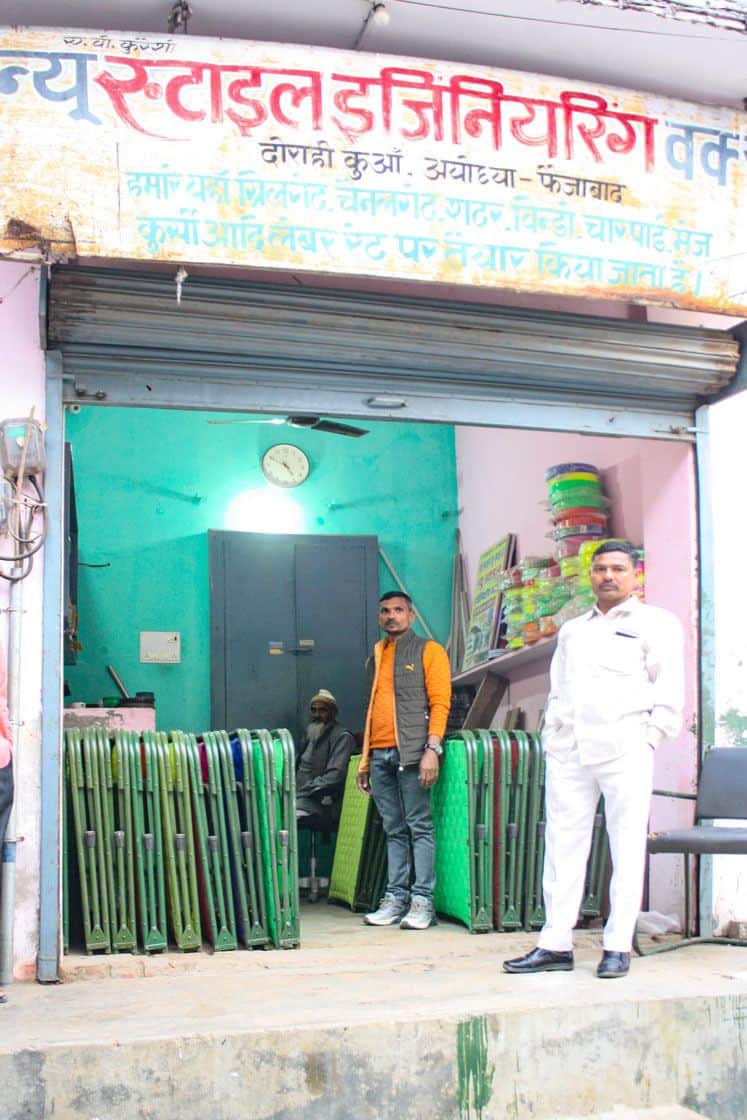
The Qureshis were originally butchers, the family owned a meat shop on the outskirts of Ayodhya town. Post 1992, after their house was destroyed in arson, the family started a welding business.