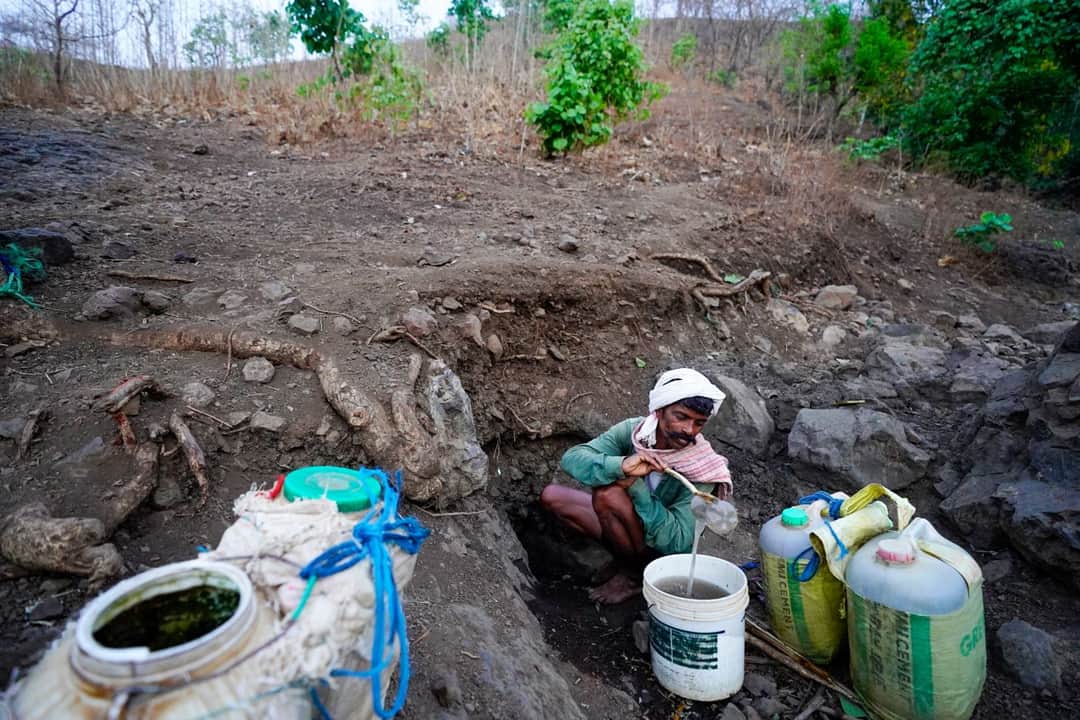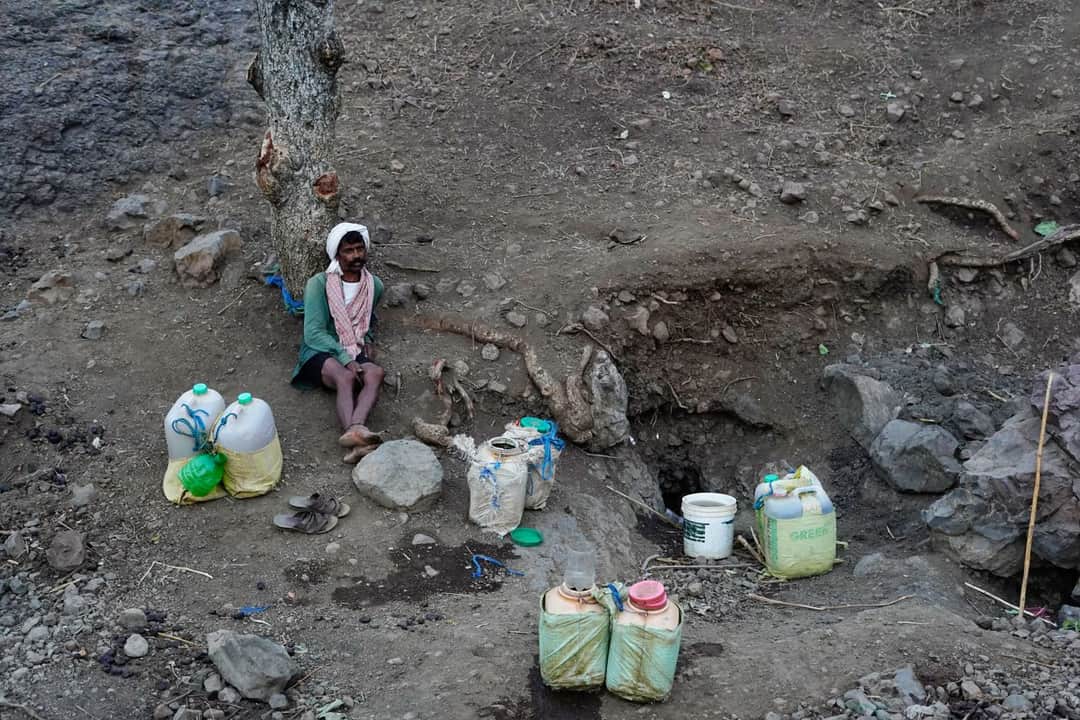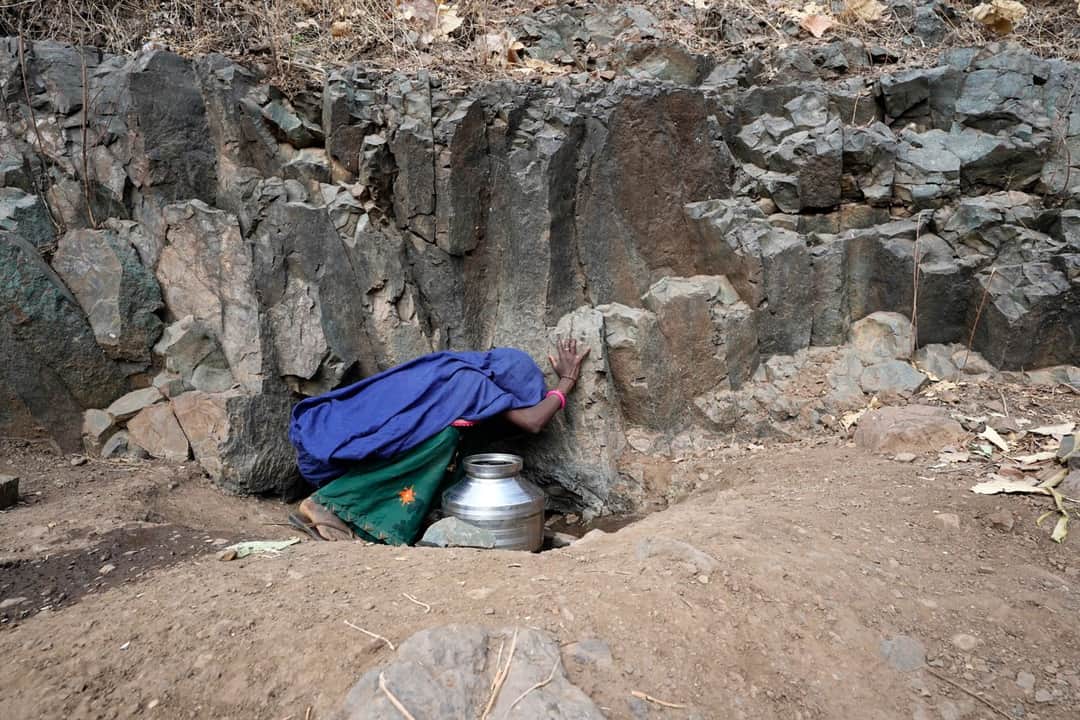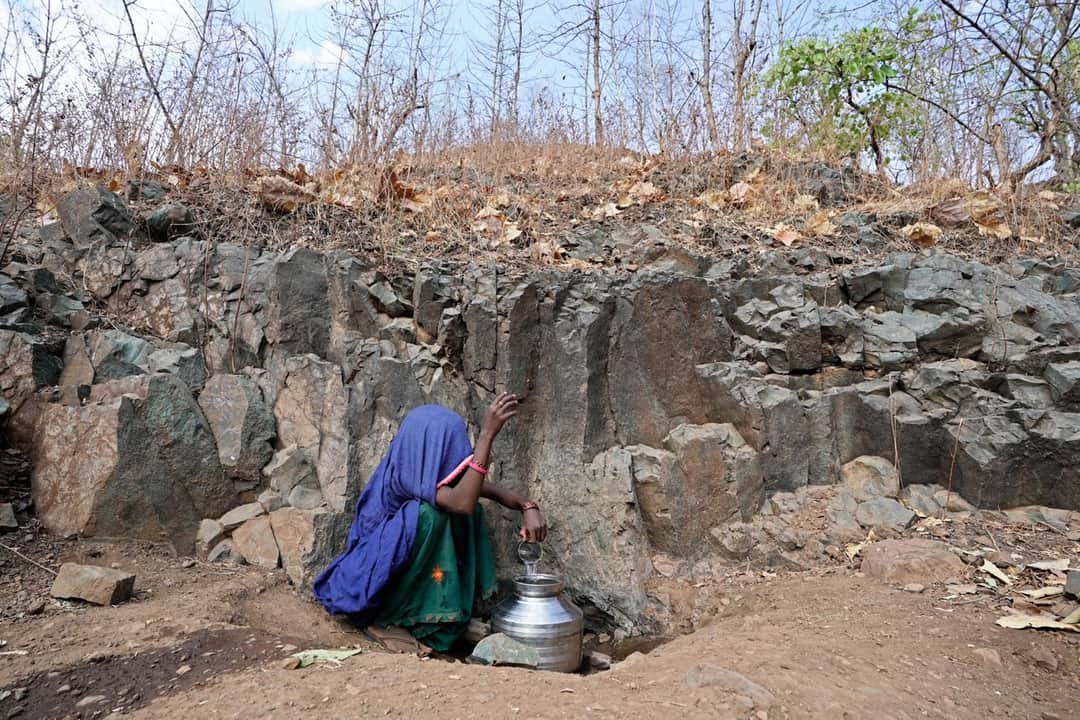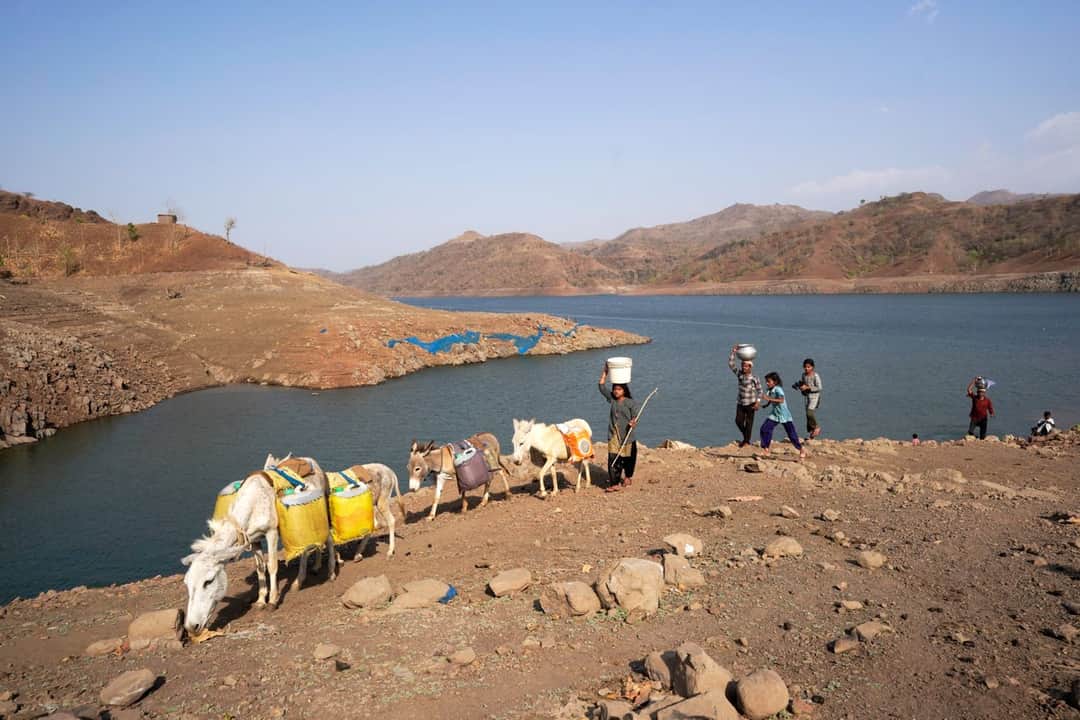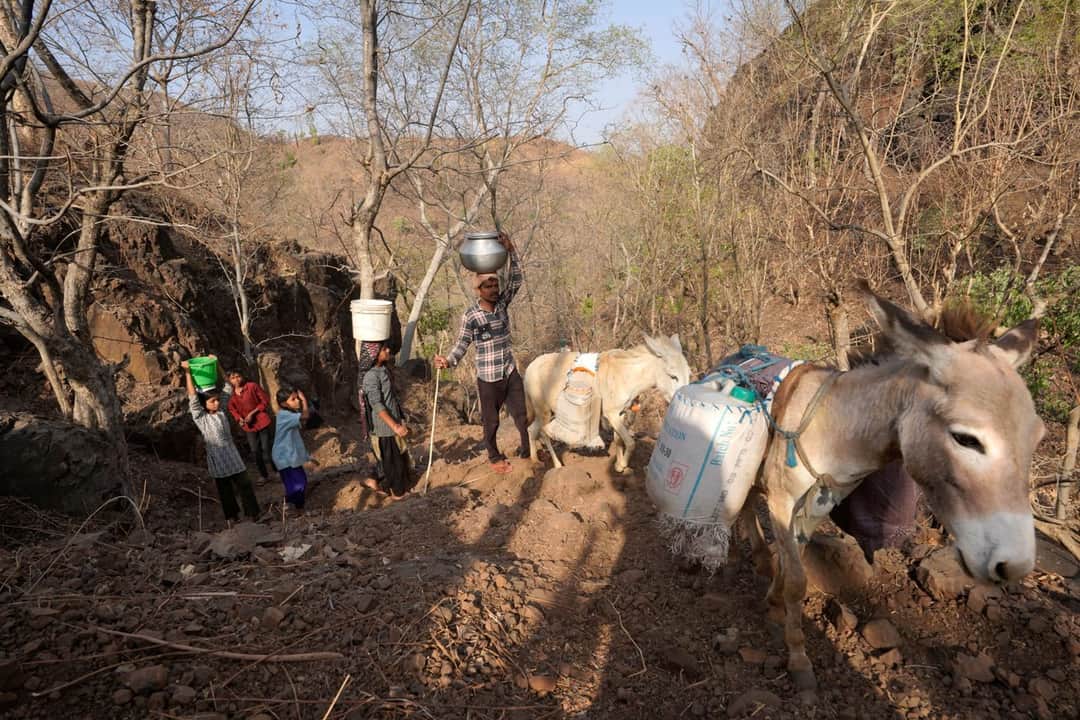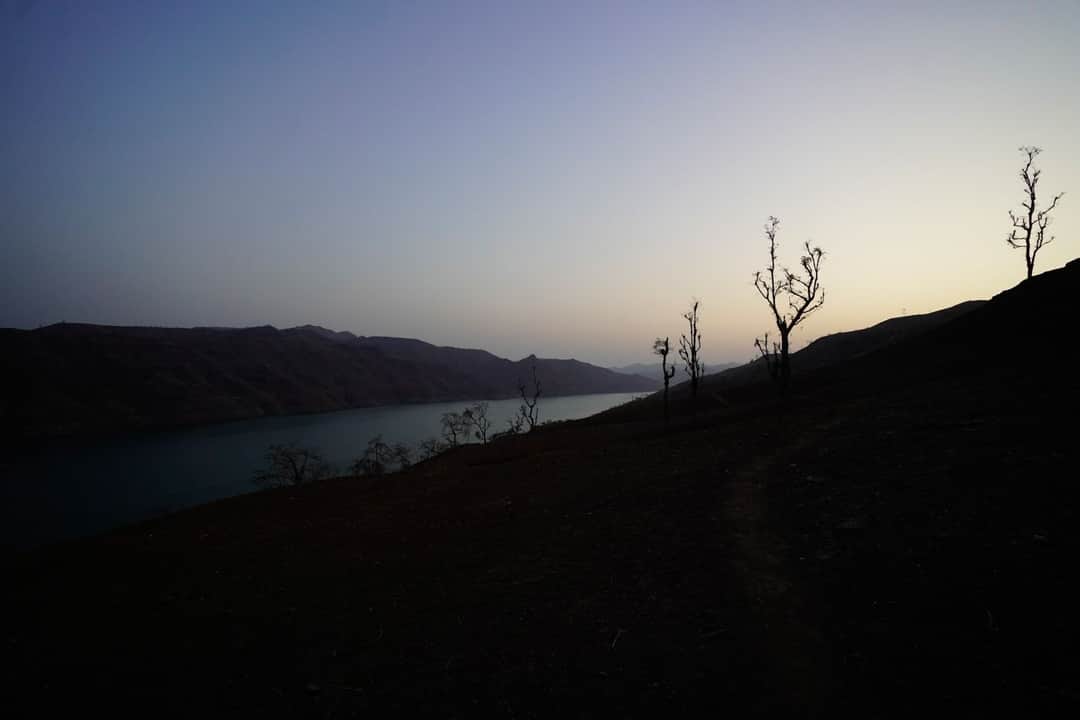

The sun has set over the Vindhya hills, and the birds have returned to the forest. The time is right for Dama Sastiya to begin his journey. From his home in the village of Sugat, this farmer walks a kilometre down a rocky path to a spring. He will spend the entire night – filling water pots here, and returning in the morning. “The spring releases more water at night,” explains 50-year-old Dama.
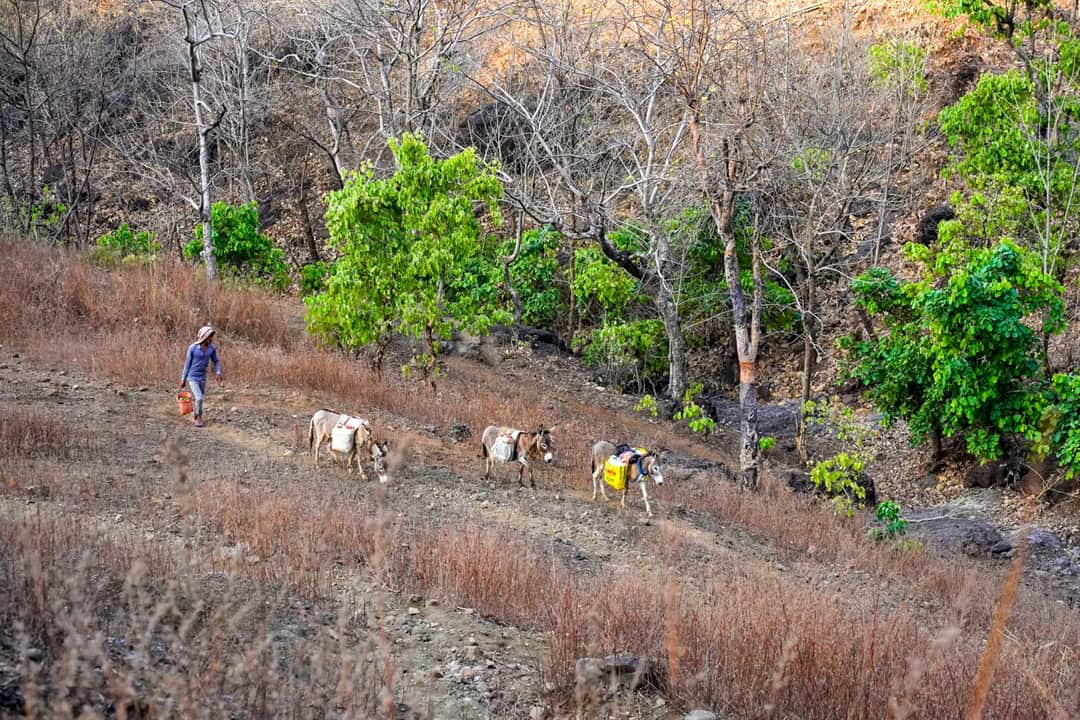
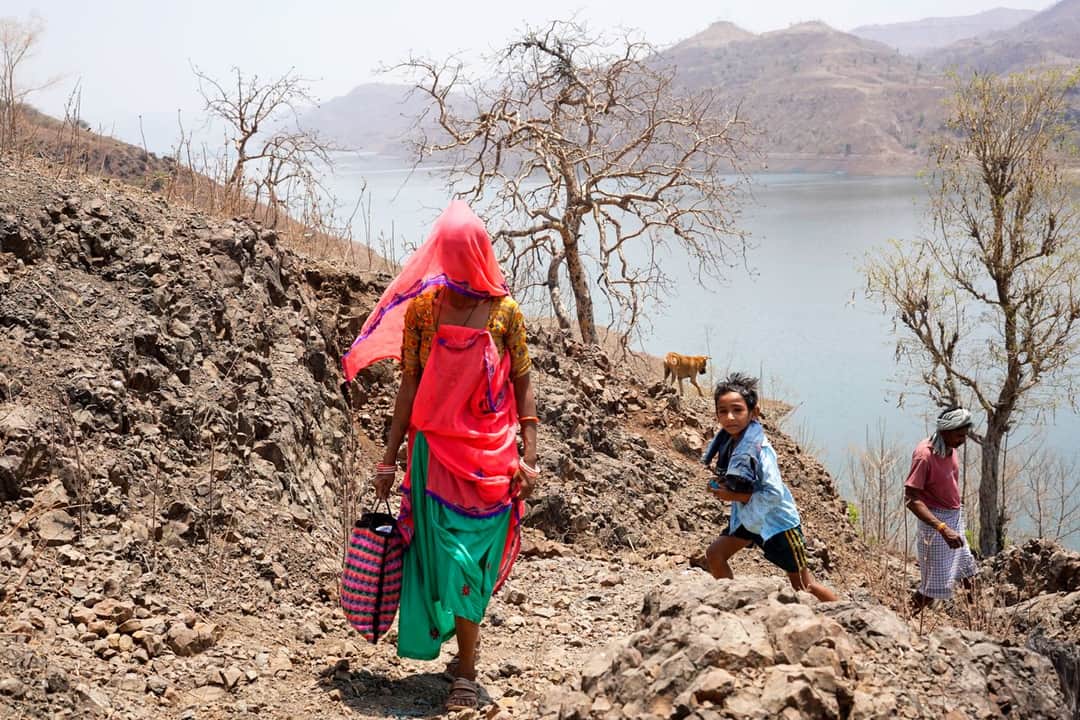
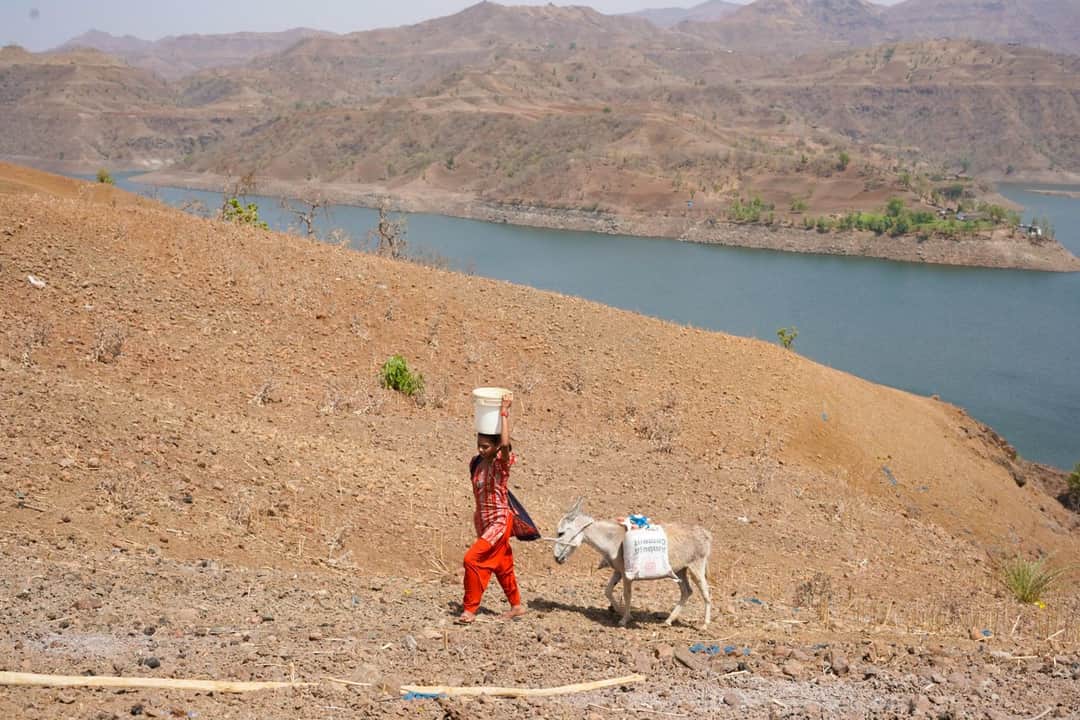
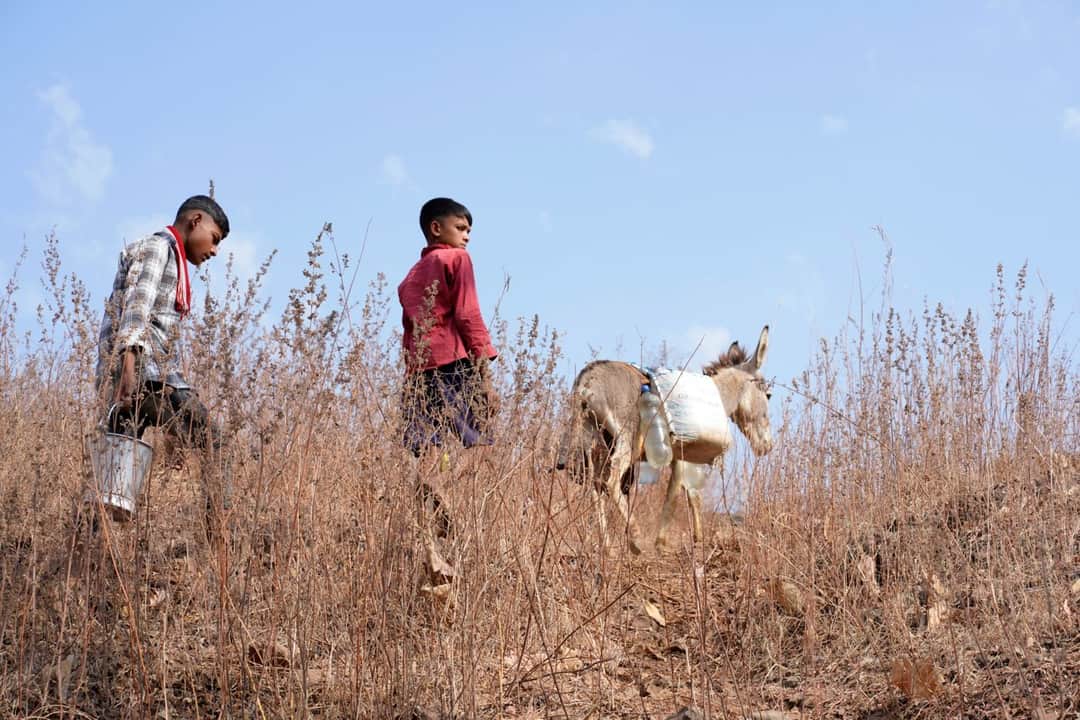
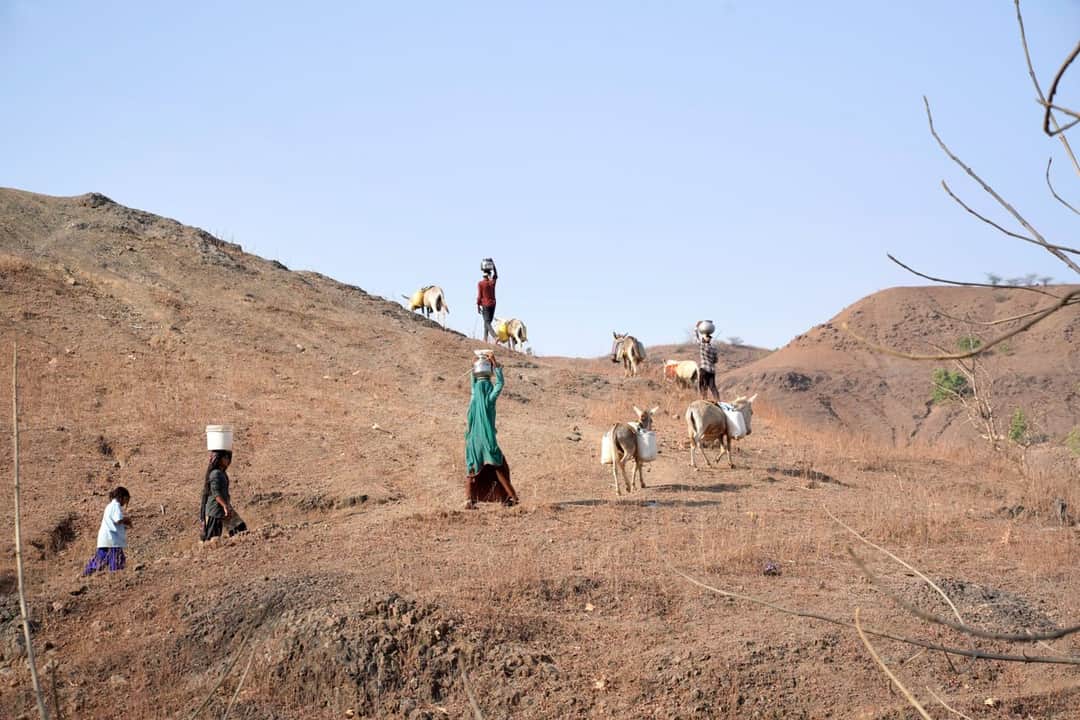
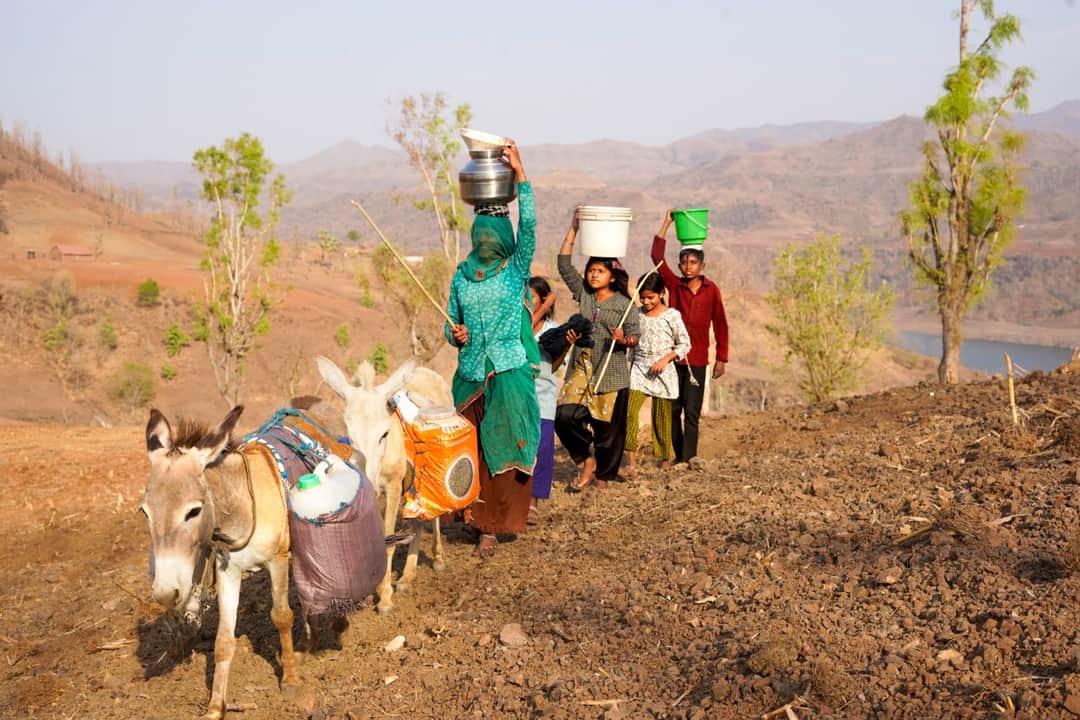
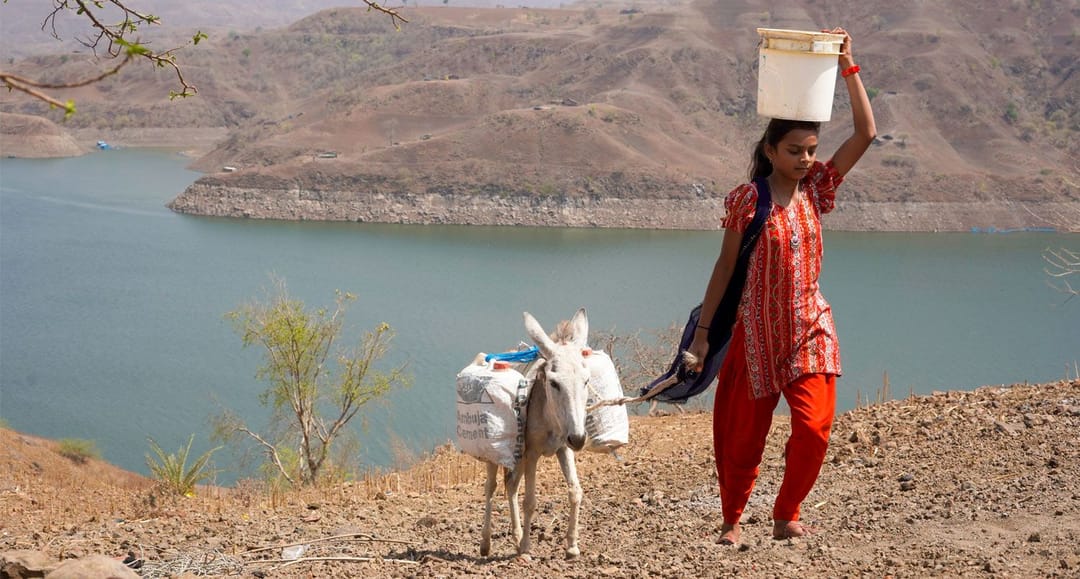
One or two springs cannot fulfil the water requirement of the entire village with a population of 534 (Census 2011). From early morning, inhabitants of Sugat, along with their water cans and donkeys, climb down the hill to the Narmada to bathe and fetch water. The process is repeated in the evening and the residents spend an average of three hours every day on water-related tasks including bathing, washing utensils, and collecting water. The Indian Constitution has made the right to water a part of the right to life, making this a gross violation of human rights.
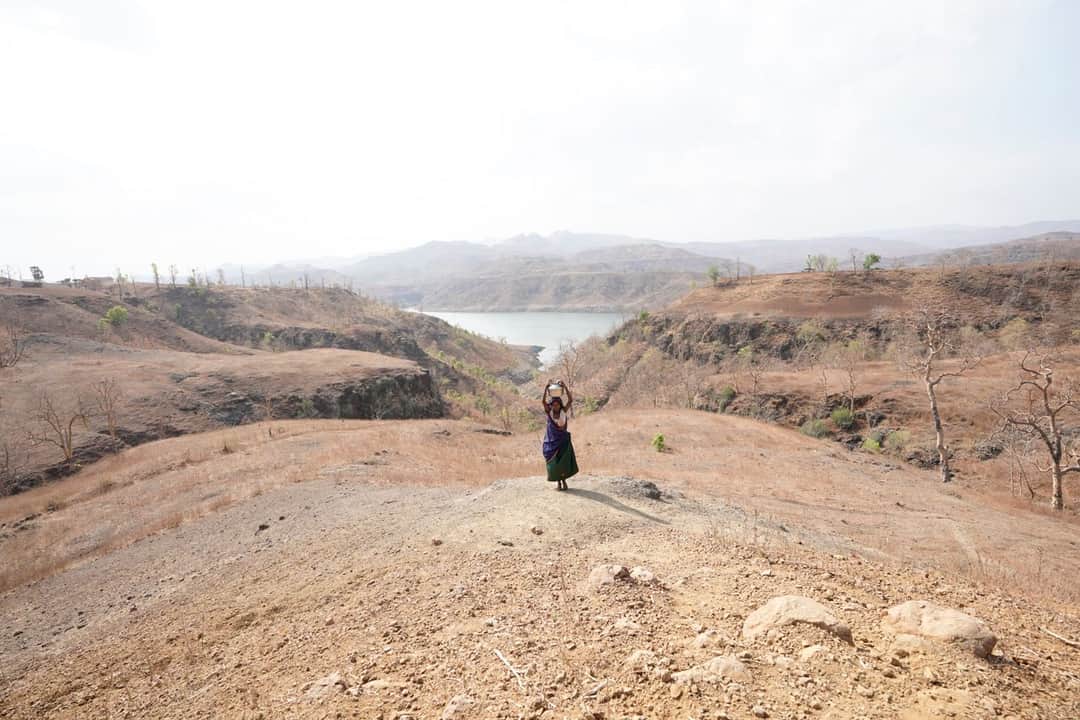
The farthest house to the river is about one and a half kilometres. To fetch water, it takes the residents a little over an hour, up and down the hill. In a week, it amounts to about 15 hours of walking, as the uphill climb with filled jars takes double the time of climbing down.
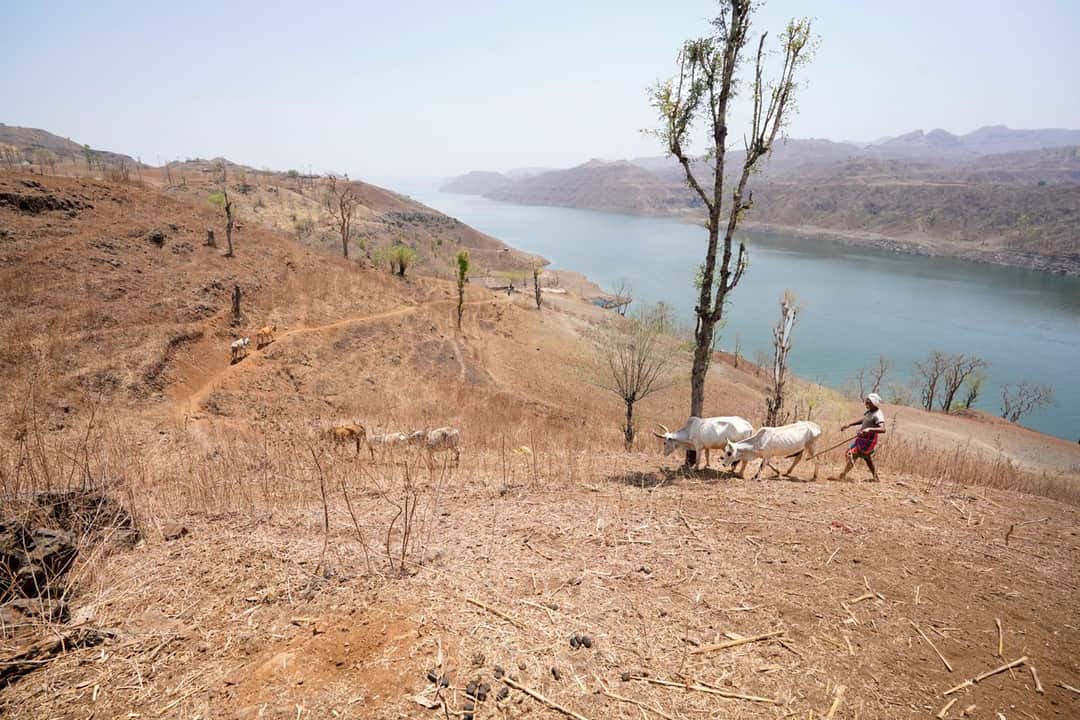
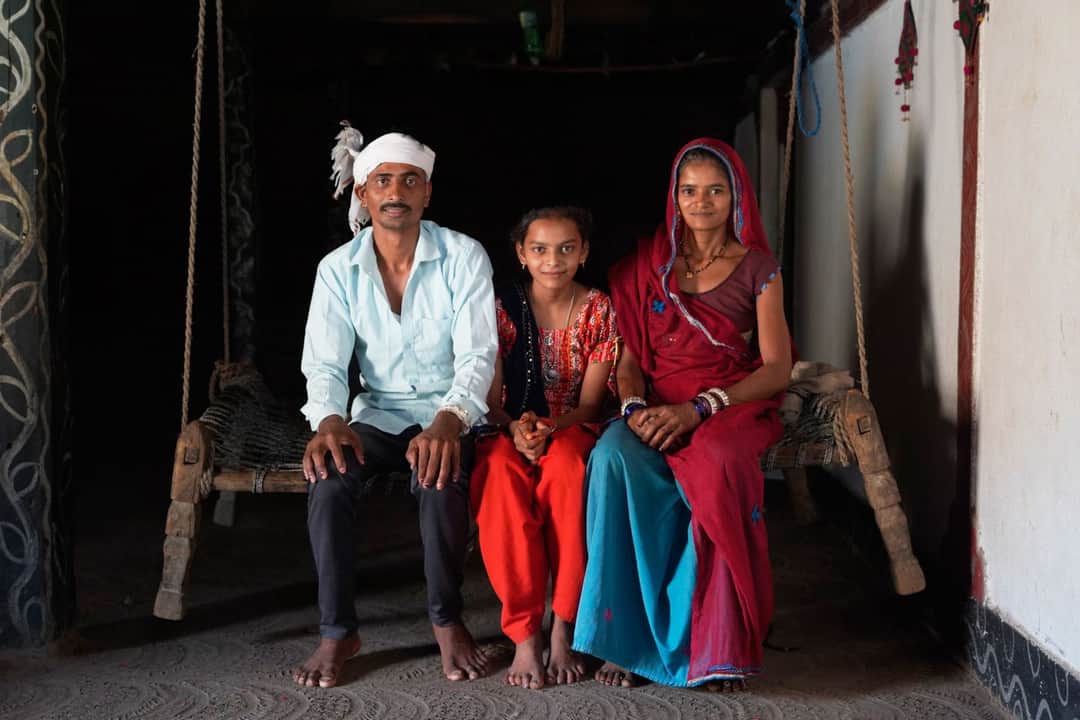
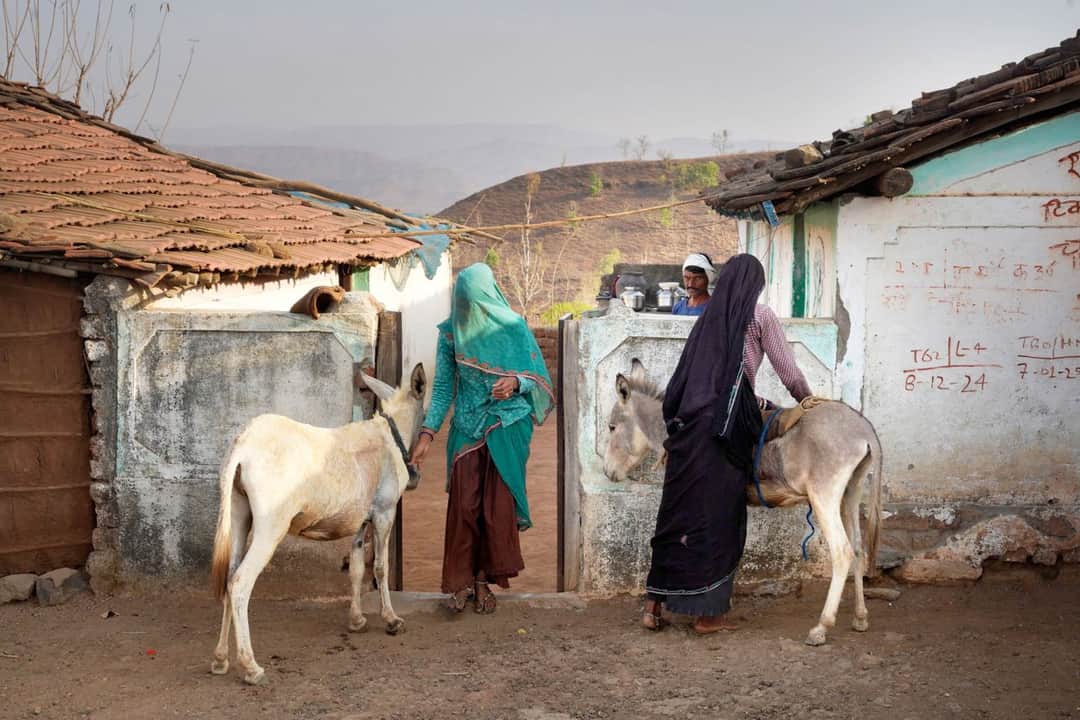
Early morning, Dama’s son takes over. The younger man will bring the family’s two donkeys to load the cans of precious water for their household of eight. The donkeys, now habituated with the task, can be trusted to set off by themselves towards the house.
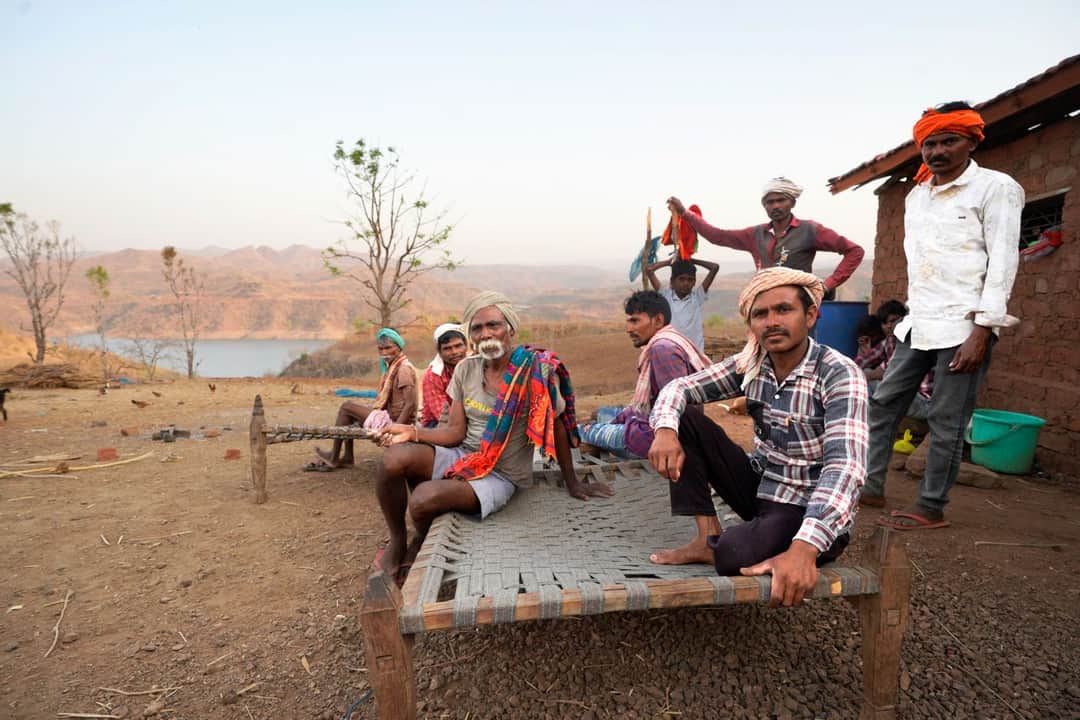
Fifteen years ago, water was not a problem for this and other Bhilala tribals — residents of Sugat and neighbouring Jhandana village who lived on the banks of the Narmada and Hathni, a tributary of Narmada. Water was plentiful and easy to access.
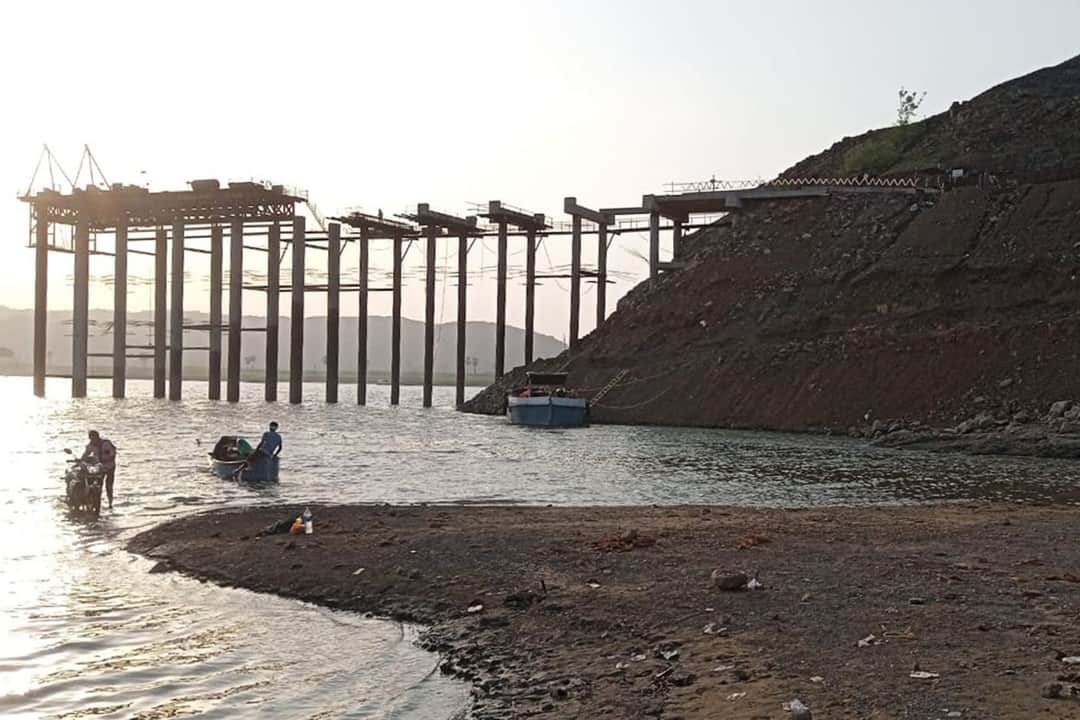
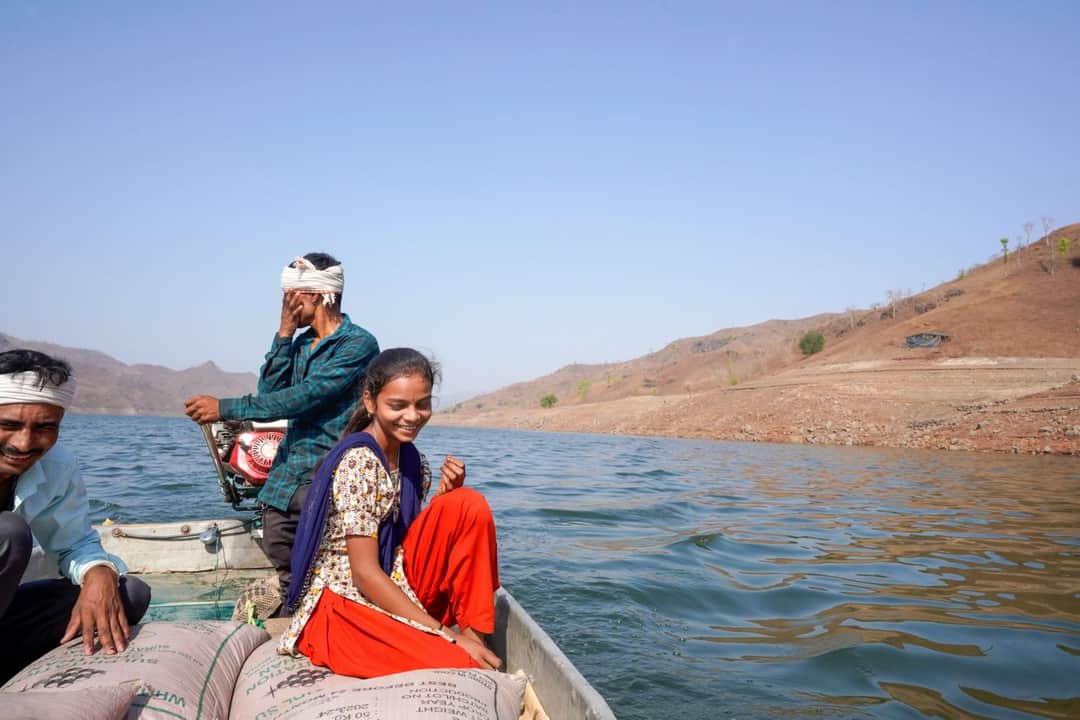
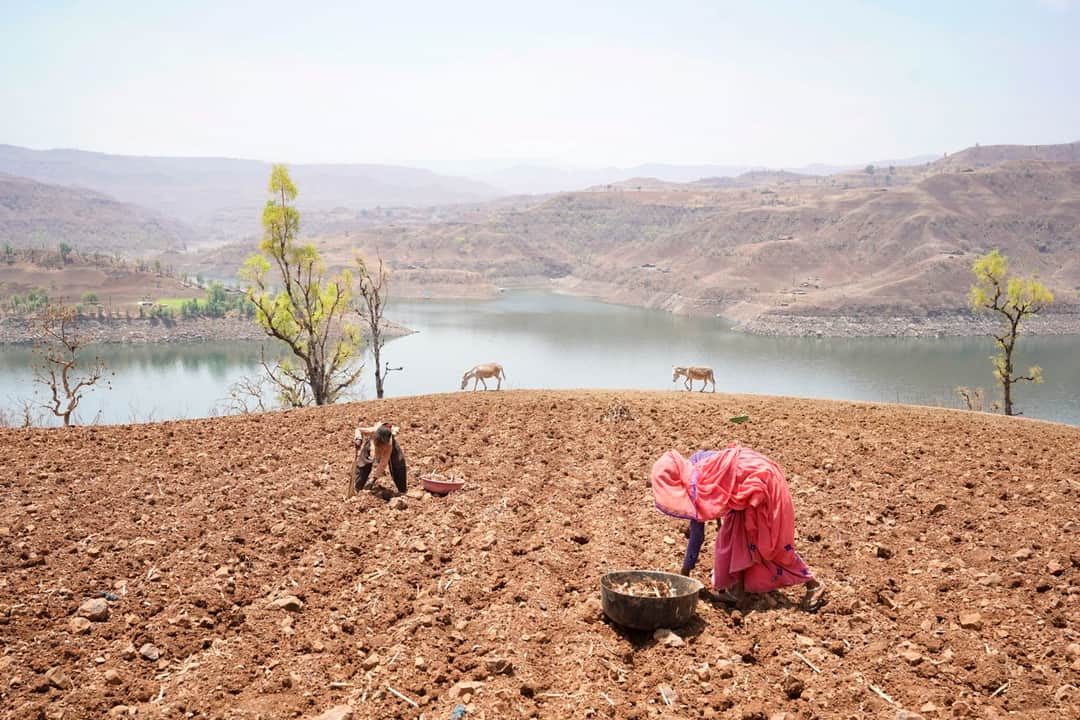
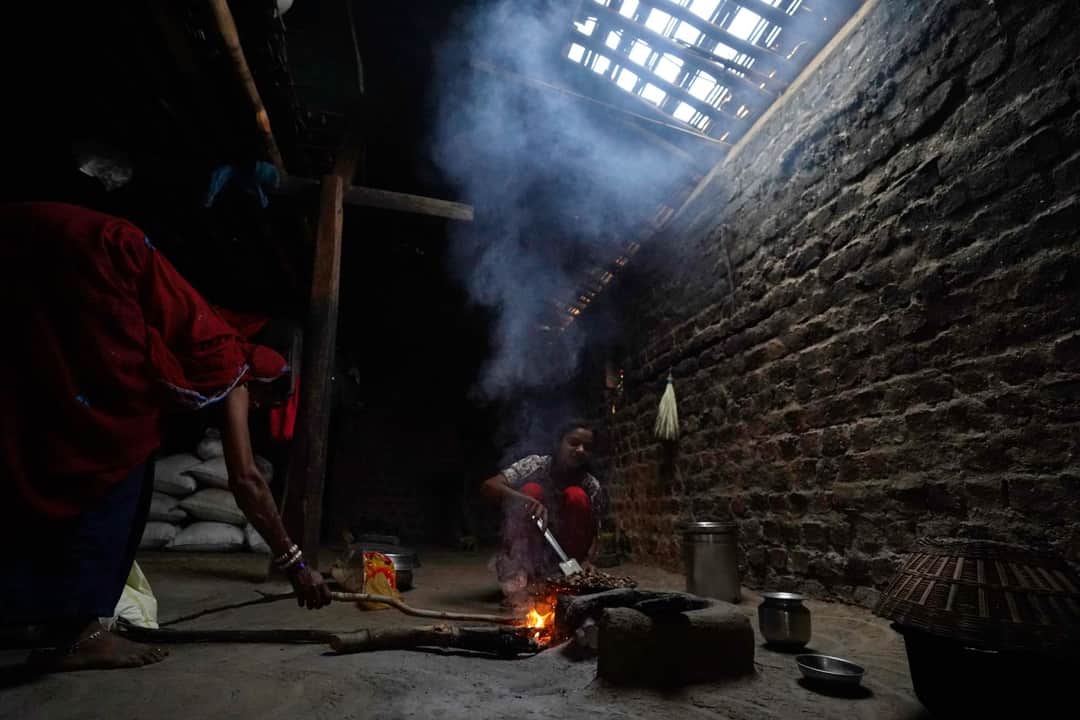
All that changed when the villages were submerged because of the Sardar Sarovar Dam, built on the Narmada. Gates closed around 2014, submerging approximately 200 villages in Madhya Pradesh, including Sugat and Jhandana. The river took away the farmlands of the residents. Those who did not migrate out or relocate, like Dama and his family were forced to move up into the Vindhya hills where there is no water, no electricity and no proper road.