

“I was in jail because I fought for my land, not because I committed a crime. I wasn’t afraid of jail then and I’m not afraid now,” says Rajkumari Bhuiya.
Rajkumari, around 55 years old, is from the Bhuiya Adivasi community in Dhuma village of Sonbhadra district, Uttar Pradesh. In 2015, she spent over four months in jail after participating in protests against the Kanhar irrigation project. Activists and local communities are against the construction of the dam on the Kanhar river in Dudhi block, fearing displacement and pollution of their source of water.
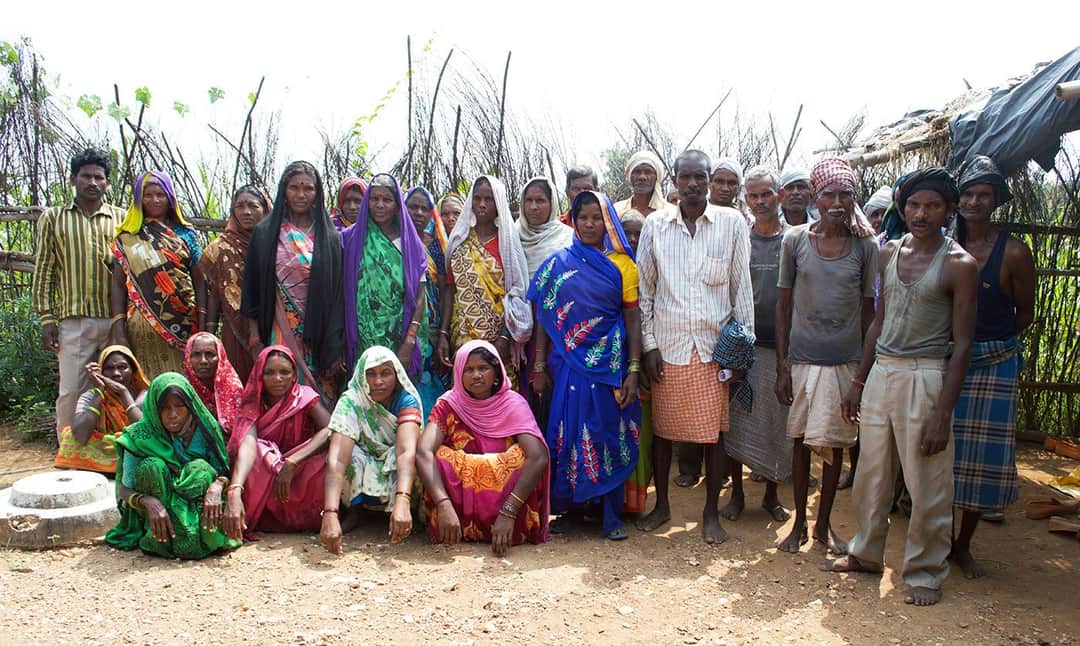
According to news reports, during the protests in April that year, the police fired into the crowd and began arresting people. Rajkumari (second from left in the cover photo on top) was picked up a few days later, and taken to the district prison in Mirzapur, around 200 kilometres from Dhuma.
Sukalo Gond , a member of the same union as Rajkumari – the All India Union of Forest Working People (AIUFWP) – was at the Kanhar protest too. “I was born in Kanhar, and I wanted to support the community. I wasn’t there when the police fired bullets [on April 14, 2015, around 10 a.m., for about two hours]. I went there after that, but it turned violent, so we all left and went in different directions. Rajkumari went her own way, and I went mine,” she says. (Since the the interview for this story was done, Sukalo has been re-arrested and is in jail again. Also see: https://cjp.org.in/sonebhadras-daughter-sukalo/)
“I was away for weeks,” Sukalo (second from right in the cover photo on top) continues. “I walked for five hours to the home of a distant relative, an Adivasi family who understand our pains. I stayed there for two nights, and then went onto the next home, where I stayed for another 10 days, and then the next home.”