
When Kerala agriculture minister K.P. Mohanan paid Chandran ‘Master' Rs. 15,000 for a Vechur calf last September, he was rewarding a conscious law-breaker. Yet, the minister, on behalf of the Livestock Development Board, was doing the right thing – and everyone approved. Chandran Master and other intrepid souls have helped keep Kerala's unique cattle varieties alive. This, despite antiquated laws that made the breeding of such animals by farmers illegal without a licence from the state's Director of Animal Husbandry. And through some years when livestock inspectors relentlessly castrated the bulls of these “inferior” breeds, boosting the dominance of crossbred cattle.
This flowed partly from the idea that higher milk yields, regardless of costs and consequences, were all that mattered. In what could mark an attitude shift, the state is now paying rebel farmers for resisting its own depredations.
Chandran Master keeps 24 head of cattle, mostly rare indigenous breeds, in the compound of his home in P. Vemballur village of Thrissur district. These include the tiny Vechur cow, symbol of Kerala's domestic cattle crisis. By 2000, the animal was on the World Watch List for Domestic Animal Diversity of the Food and Agriculture Organisation’s ‘Critical-Maintained Breeds List’. A variety makes that list “when the number of breeding females” is 100 or less. Or when “the total number of breeding males” is five or less. Or if the overall count is 120 or less, and falling.
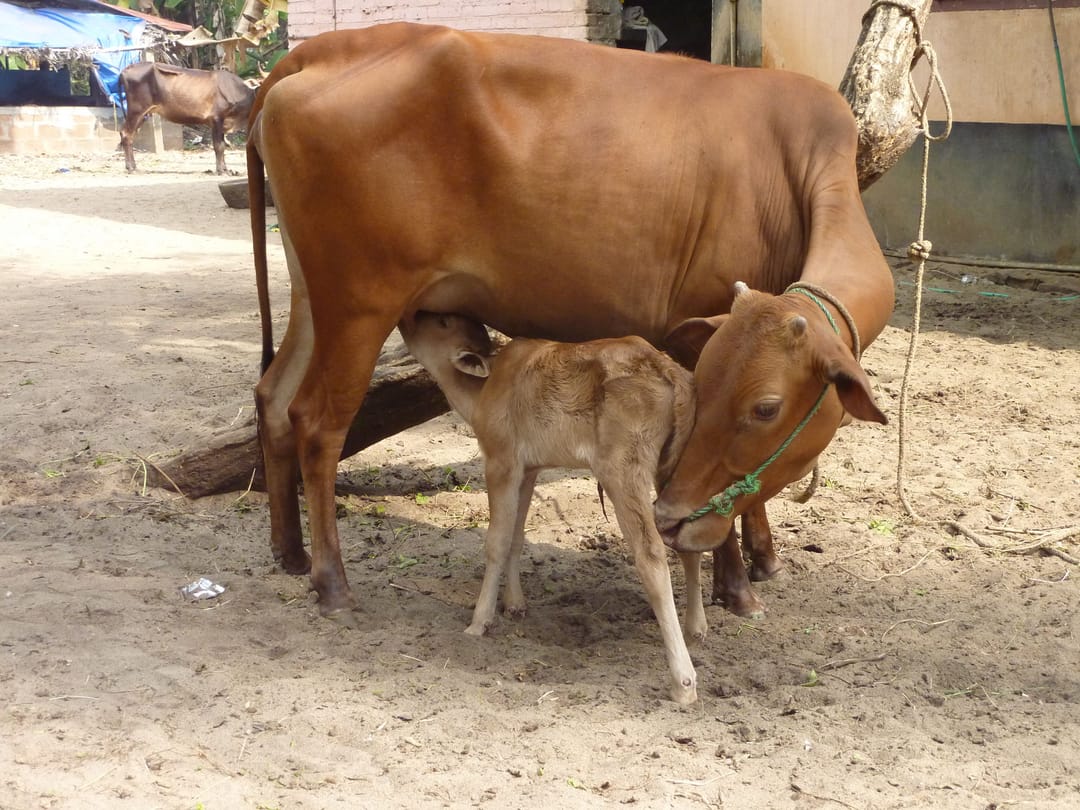
In Chandran Master's home, the count is rising. “I gave the Livestock Board five Vechur calves,” he says proudly. And got two Gir calves and Rs. 45,000 in return. A tiny Vechur calf had been born – in his compound – just six hours before we arrived there. Her mother, a fine animal, is 82 centimetres high. The Vechur is the world's smallest cattle breed. November 2010 saw Diana, a 77 cm Vechur (also from Thrissur district), enter the Guinness Book of Records as the smallest cow in the world.


