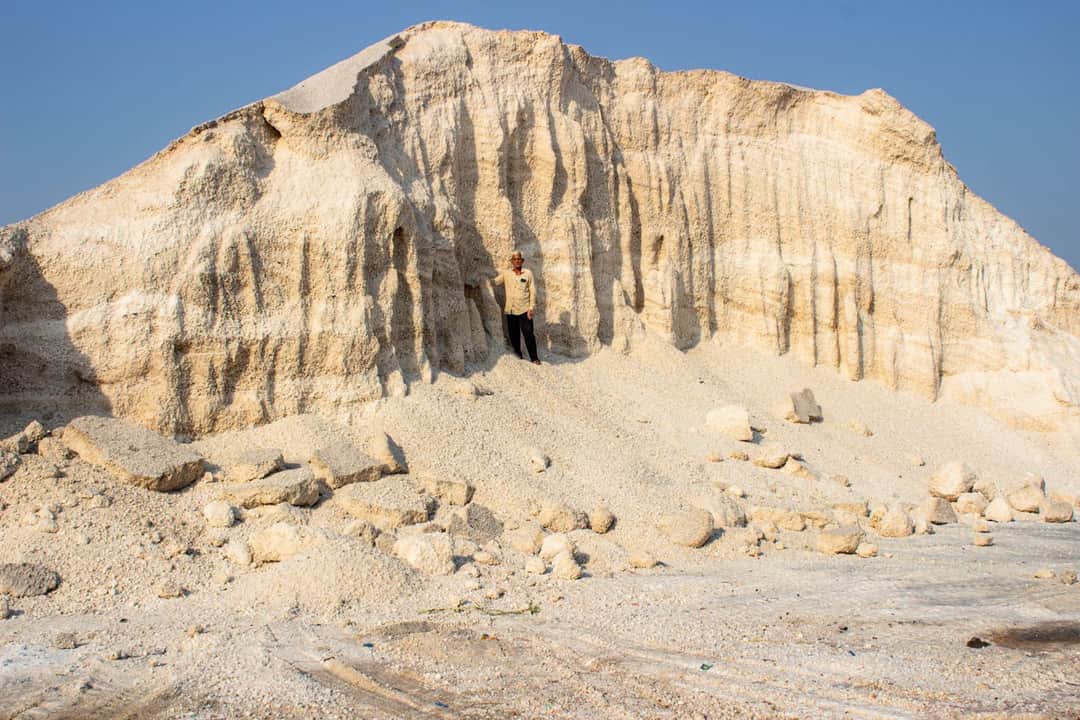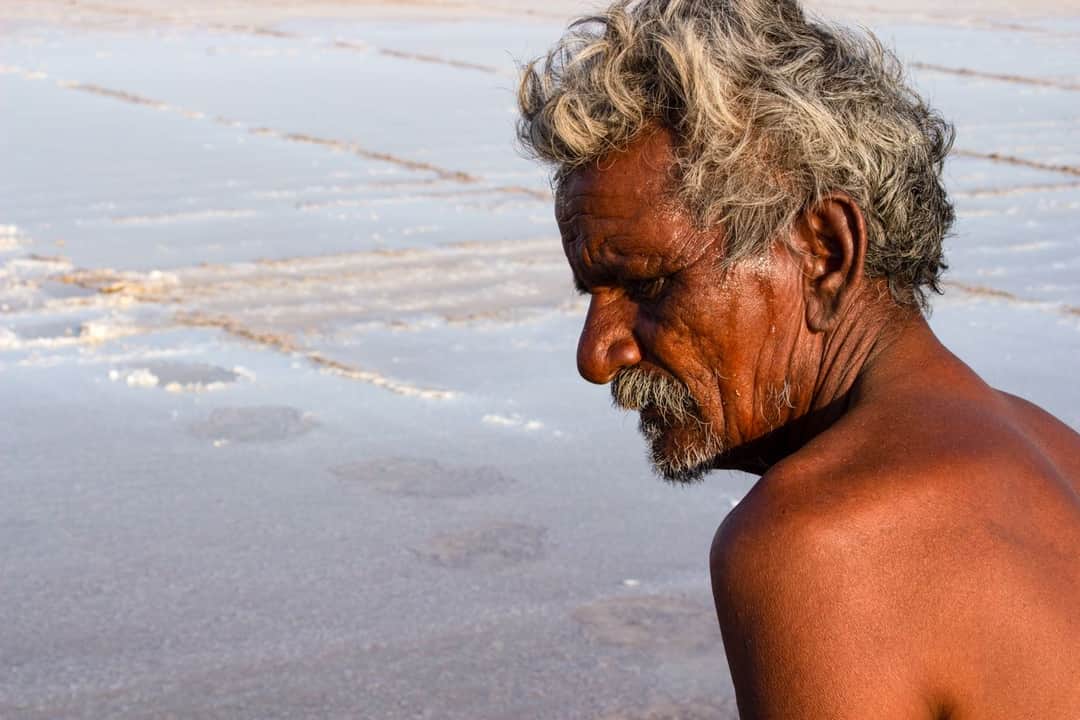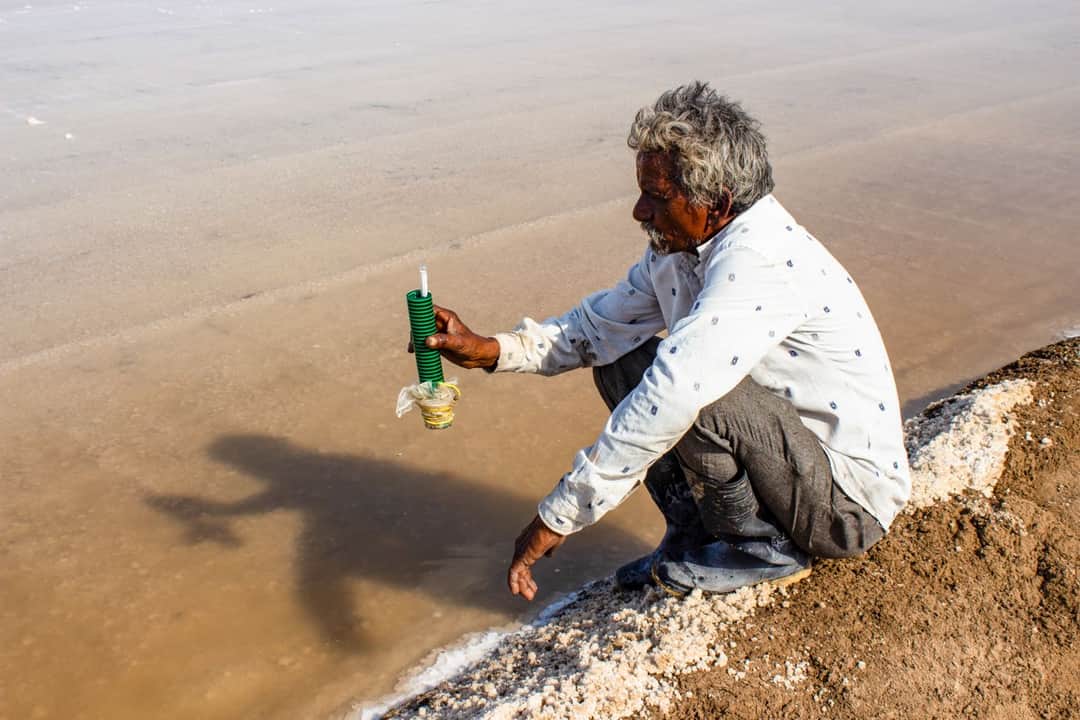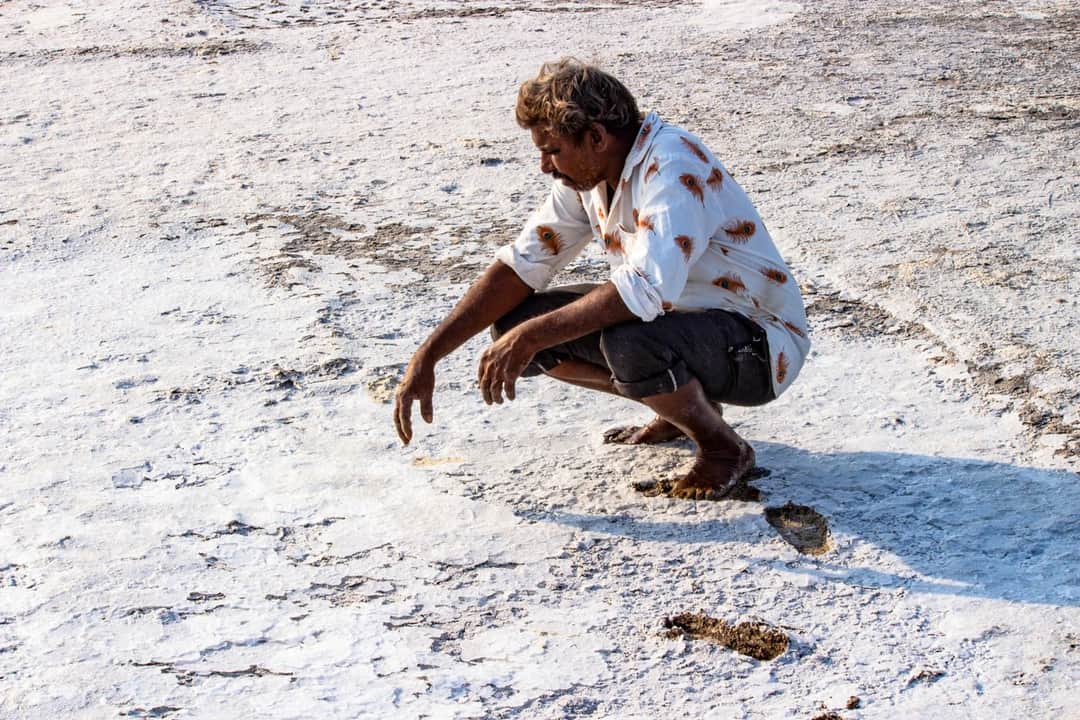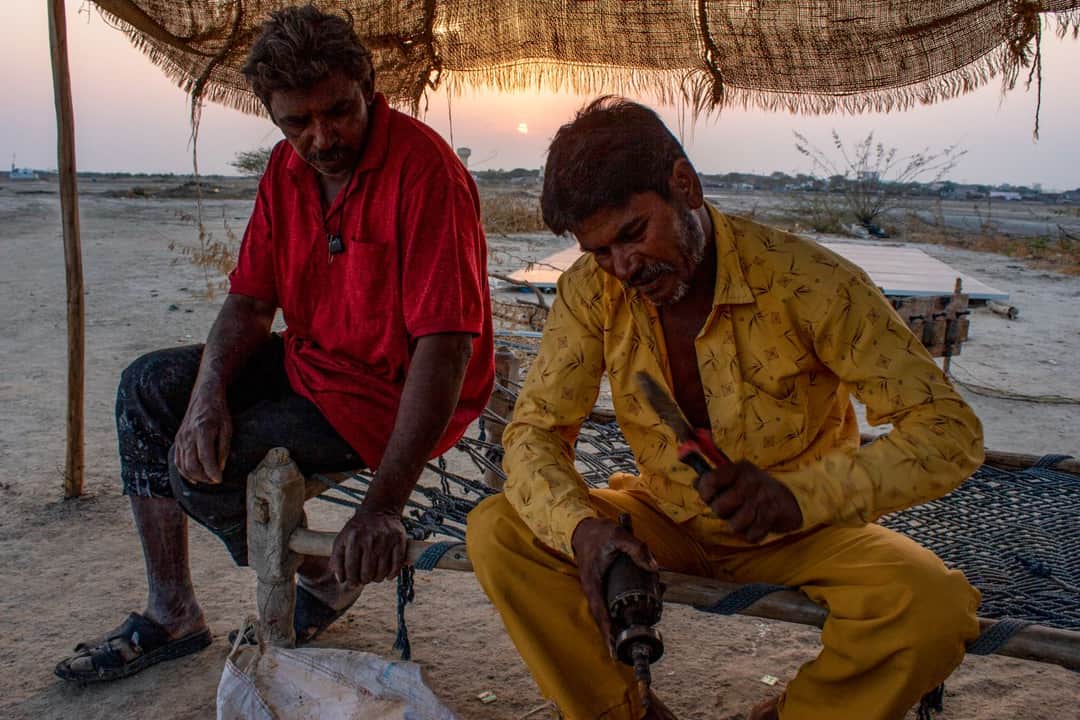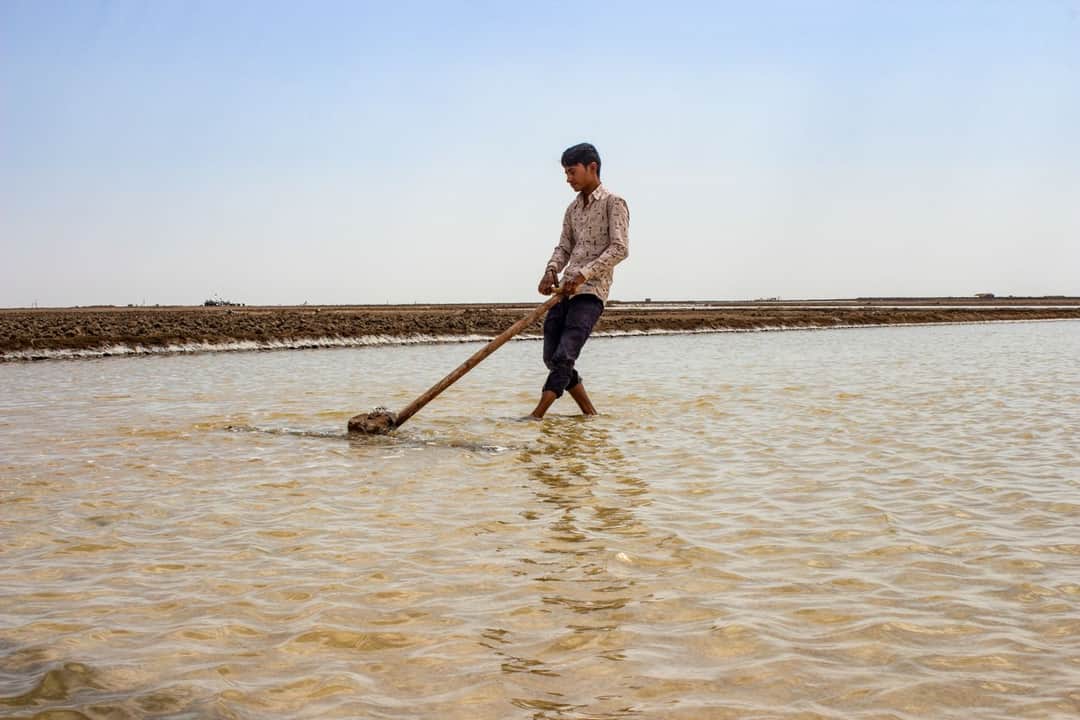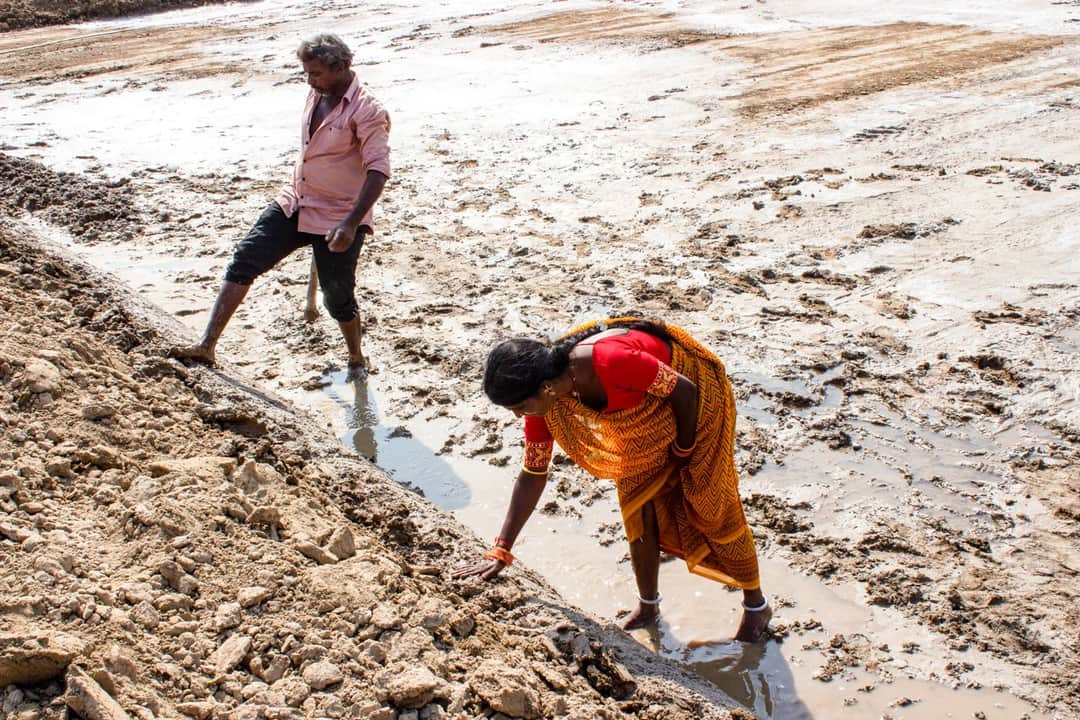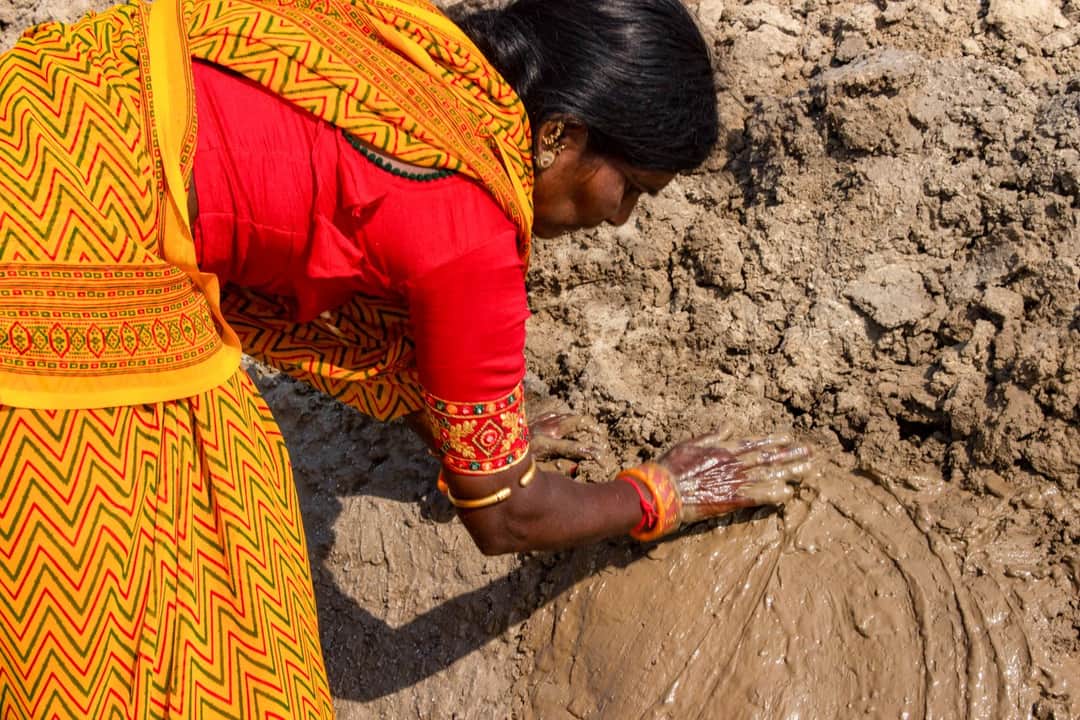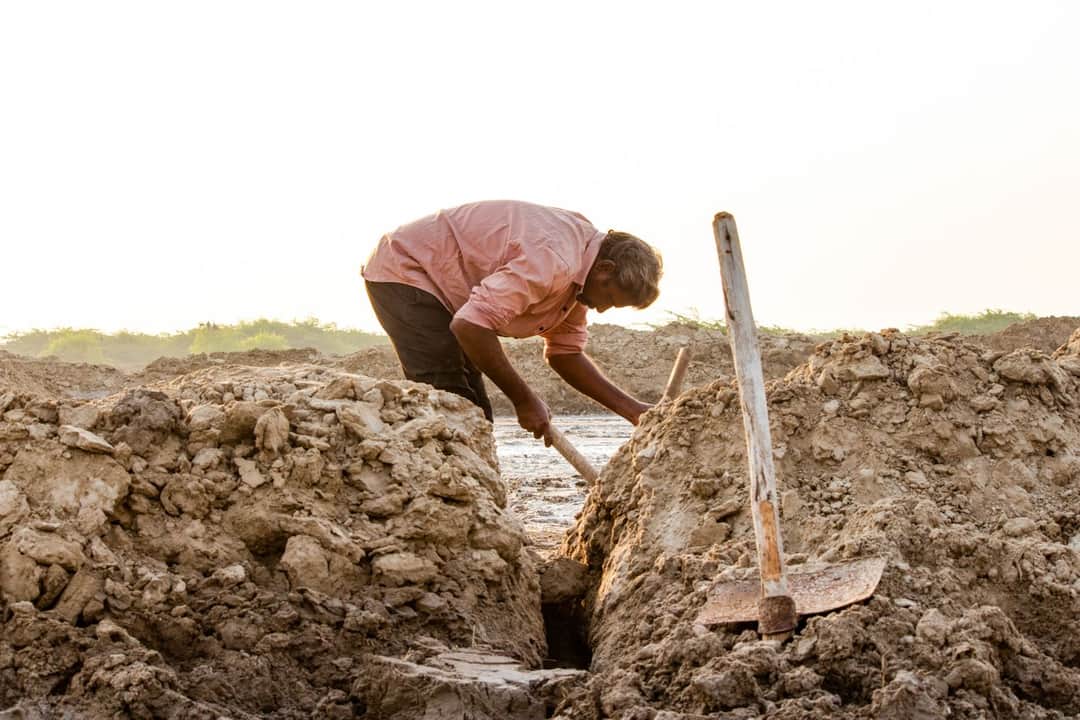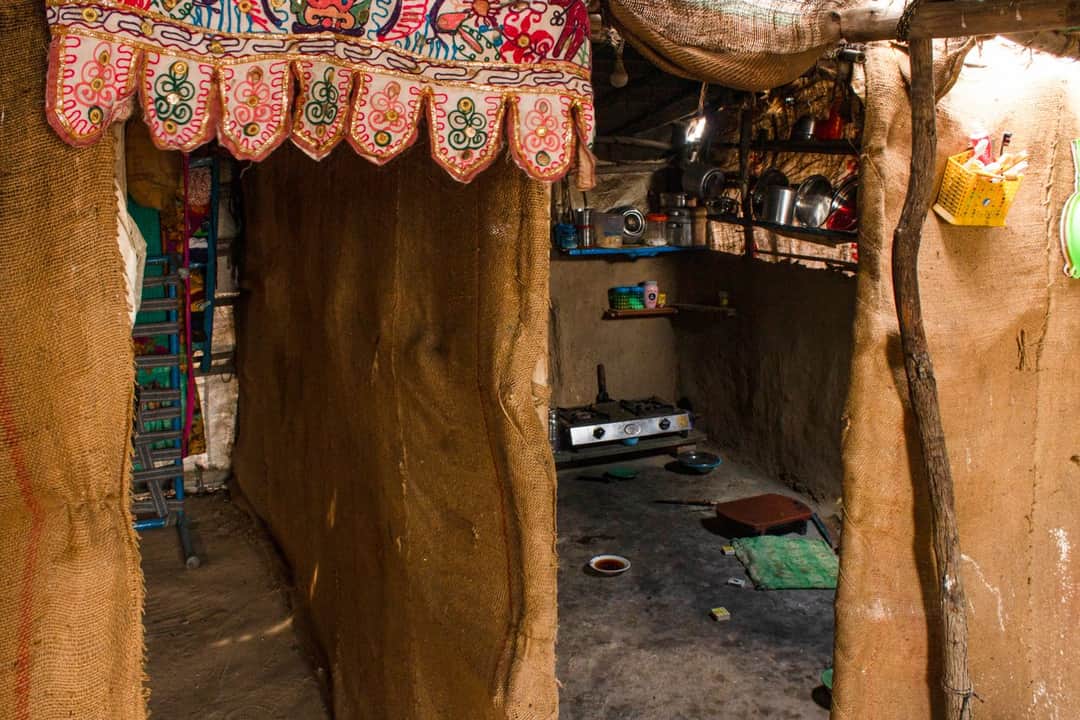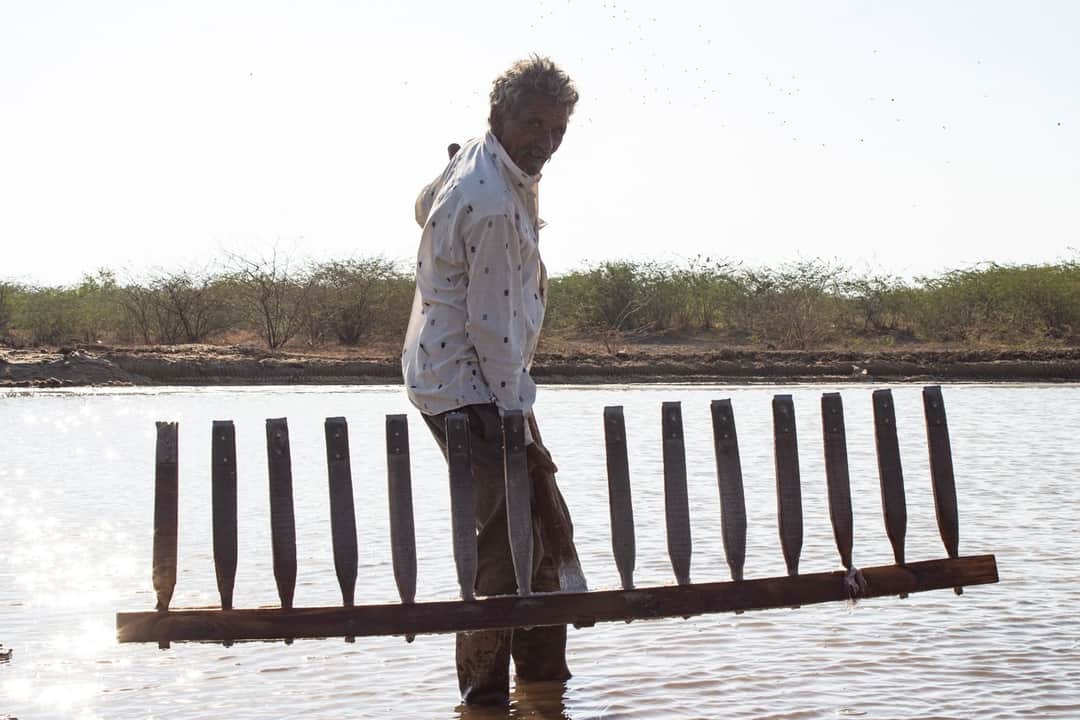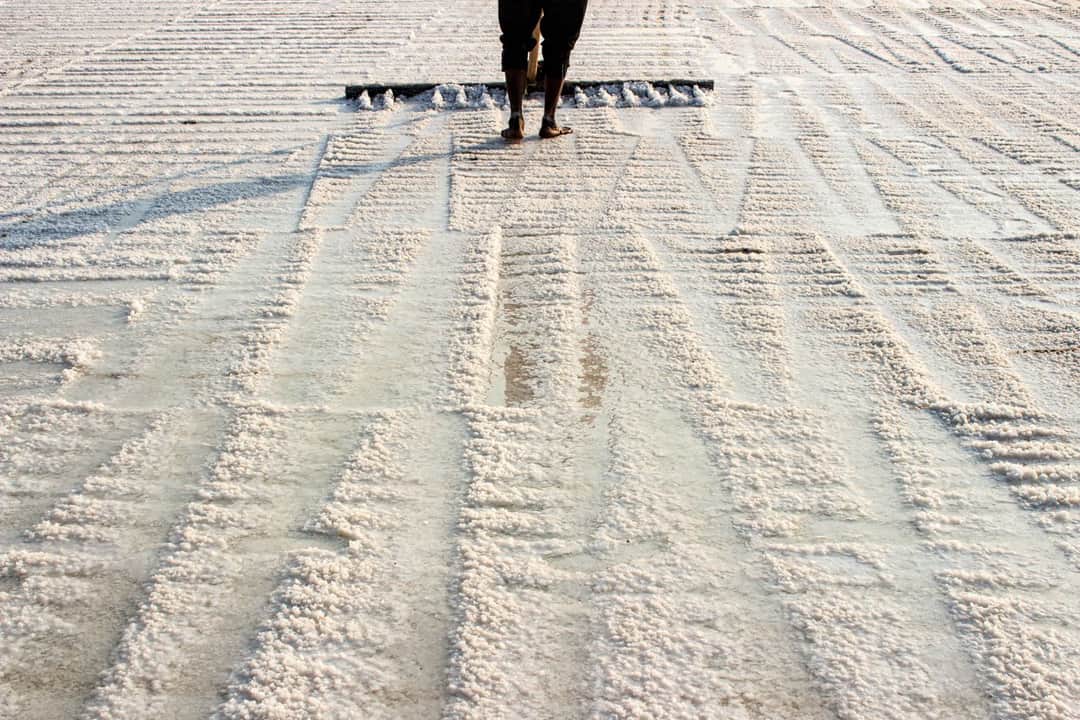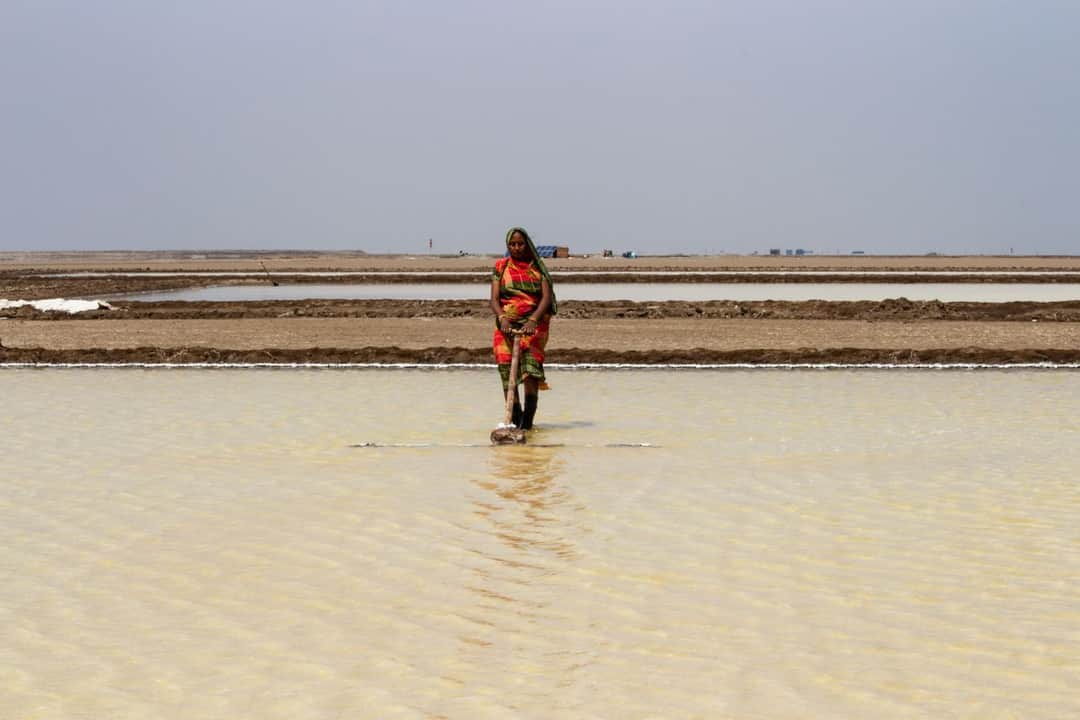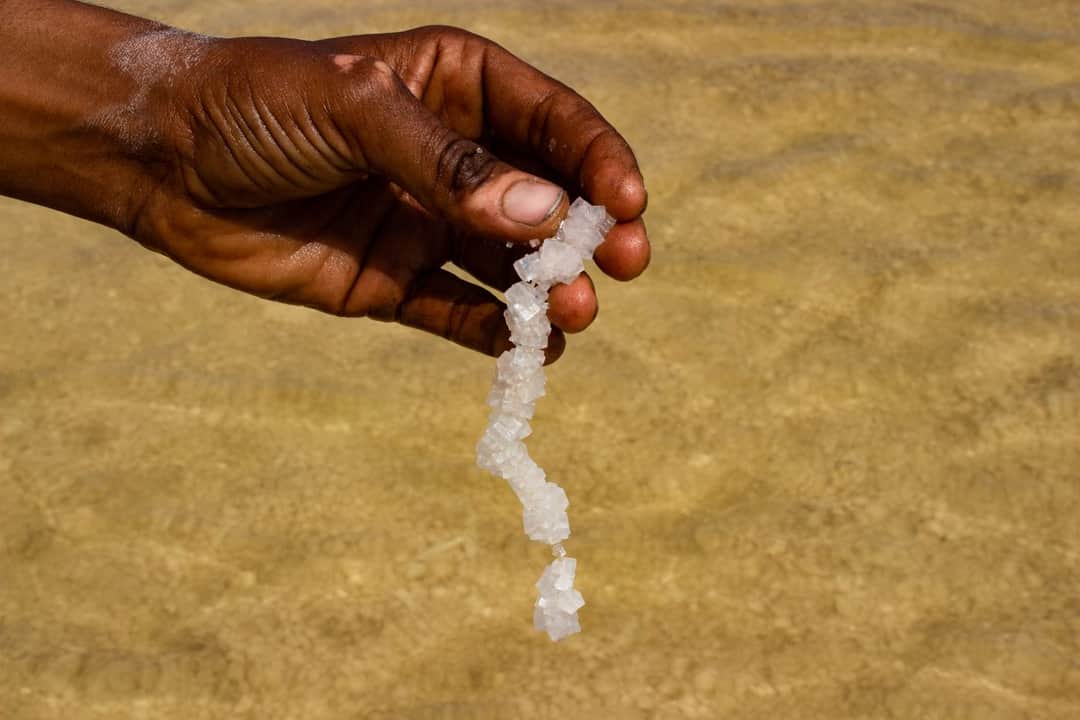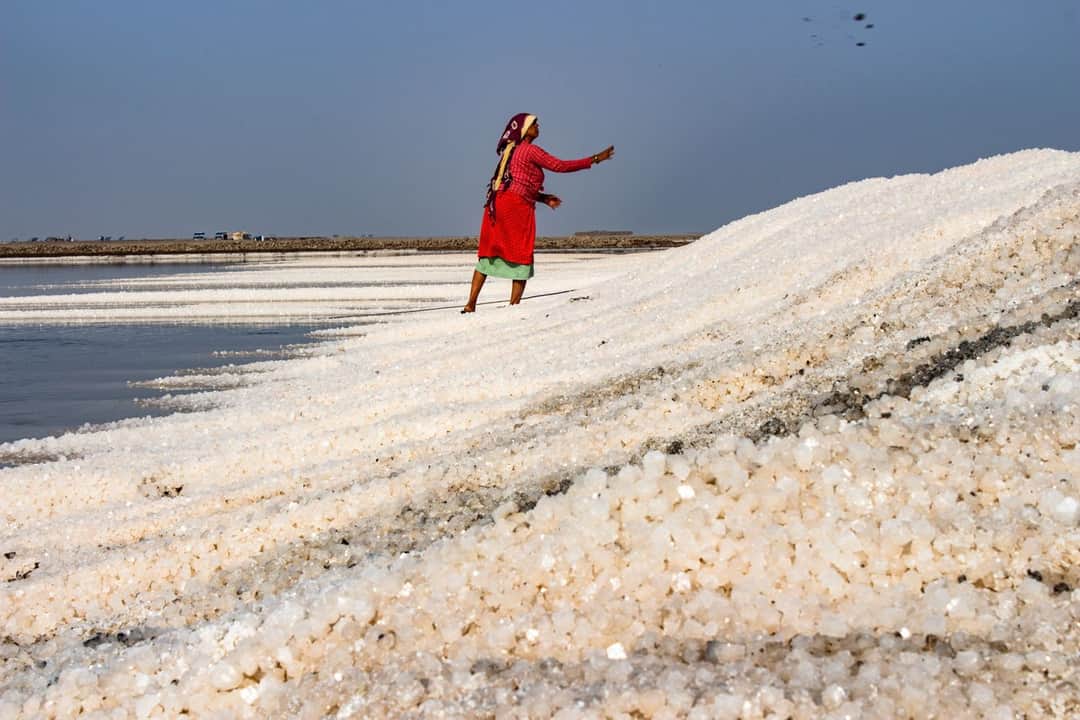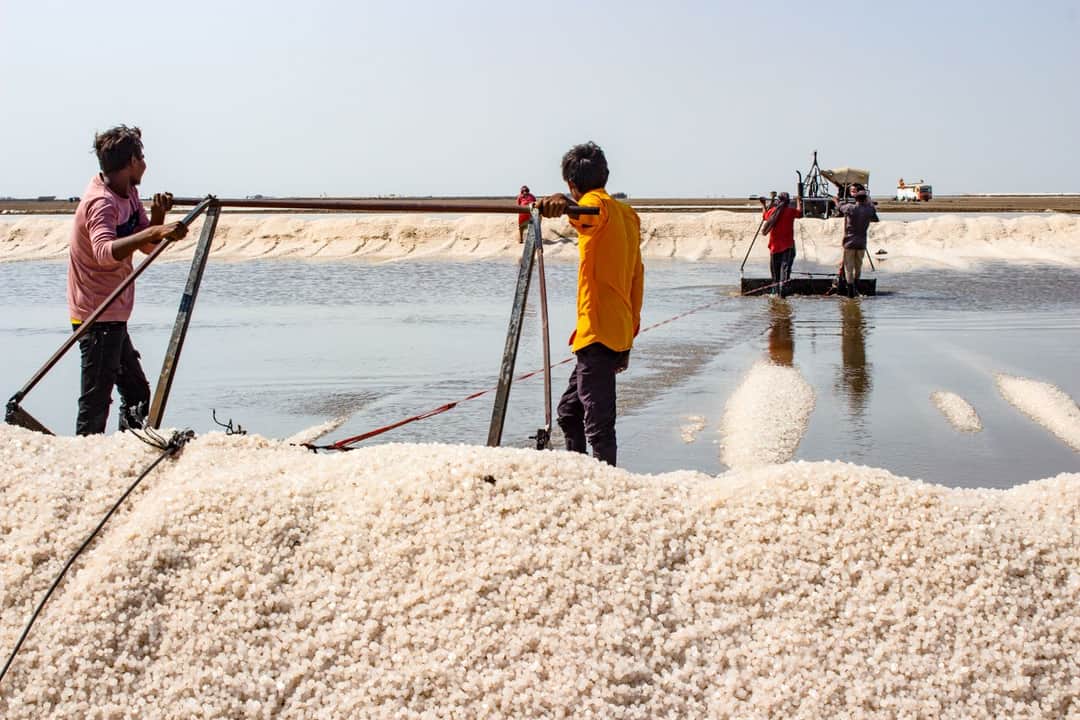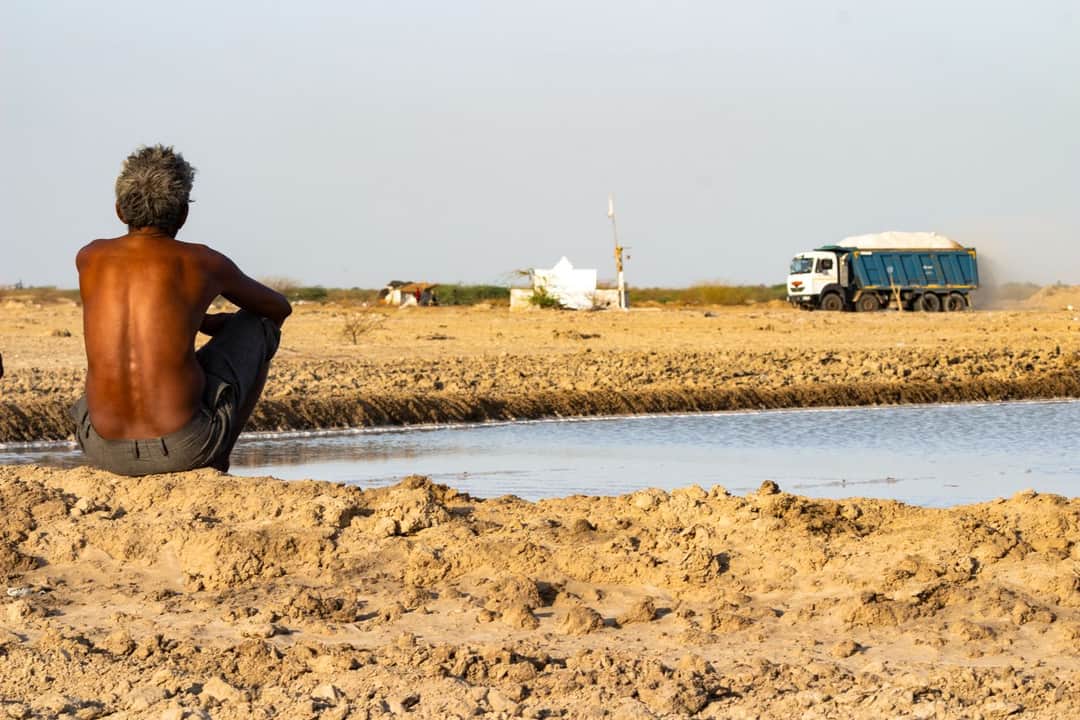

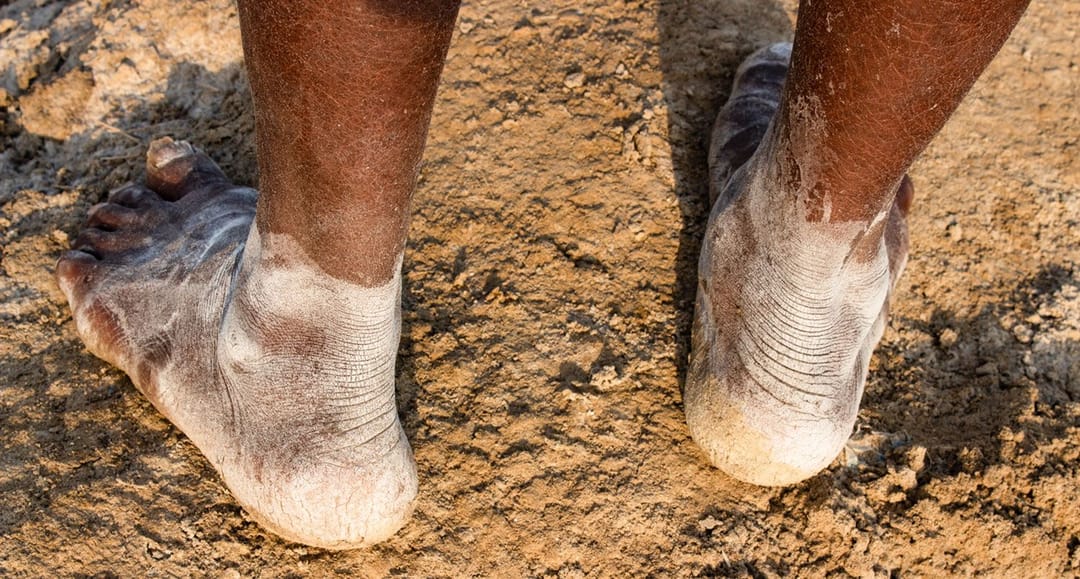
A village at the edge of a desert, or rann as we call it in Gujarati. A man stands before me: squinty eyes, grey hair, legs with cracked soles rough and hard, skin complaining of the heat, cheeks and lips of the same colour, a strong body with a sprinkling of salt. Anyone could identify him right away: here is an agariya, a salt pan worker.
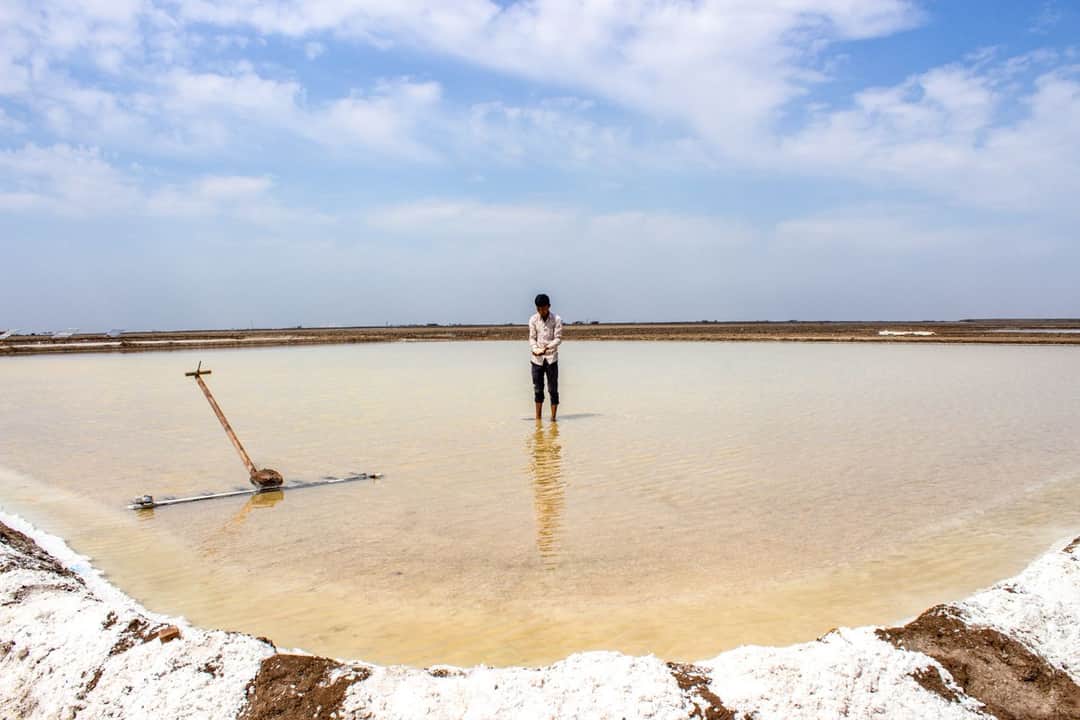
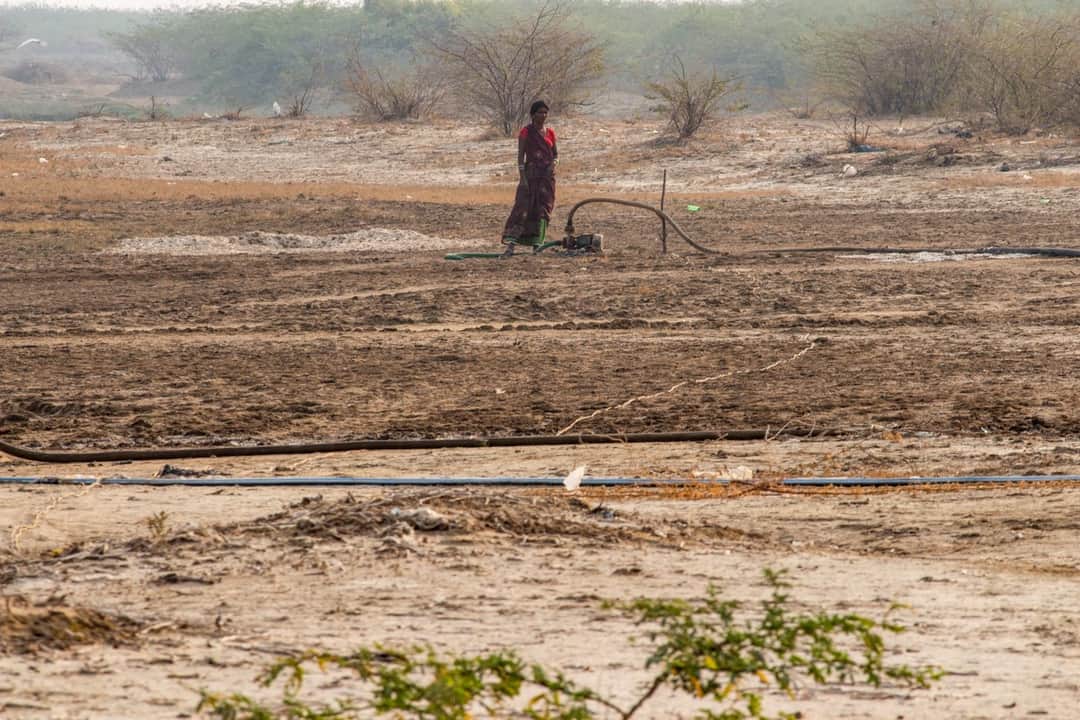
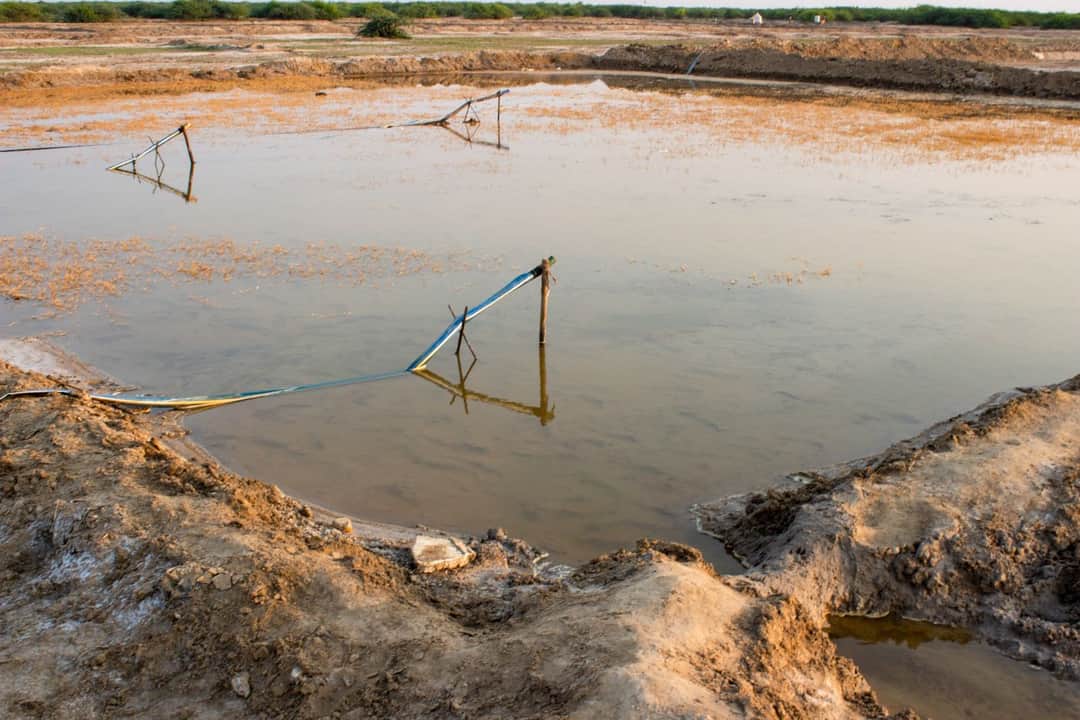
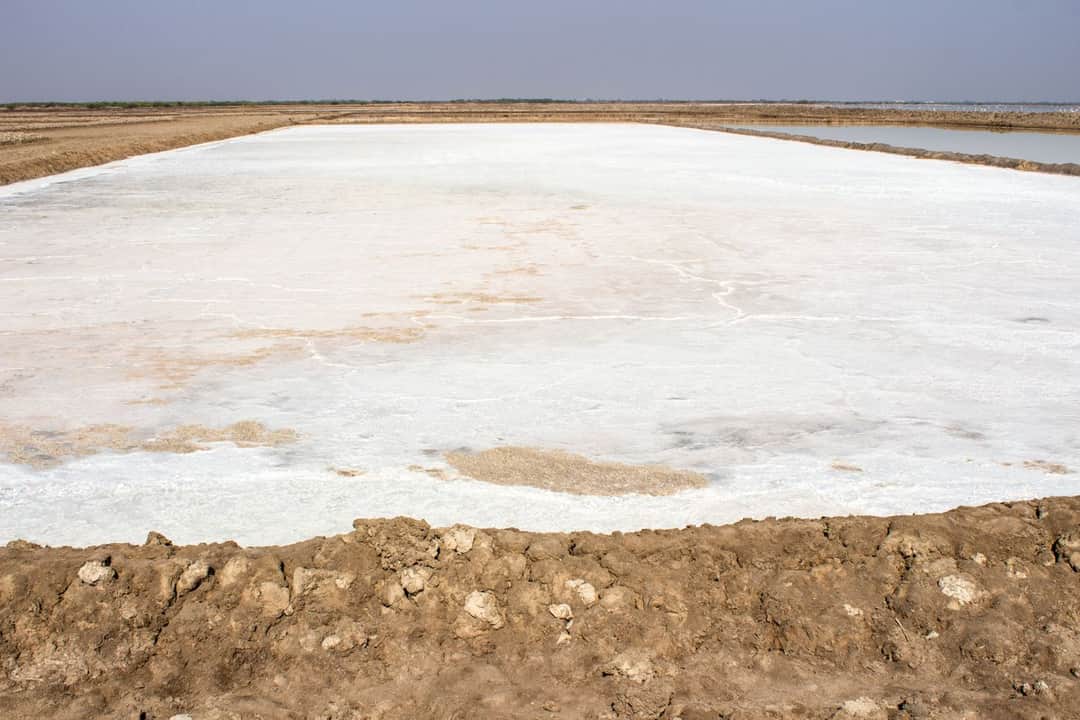
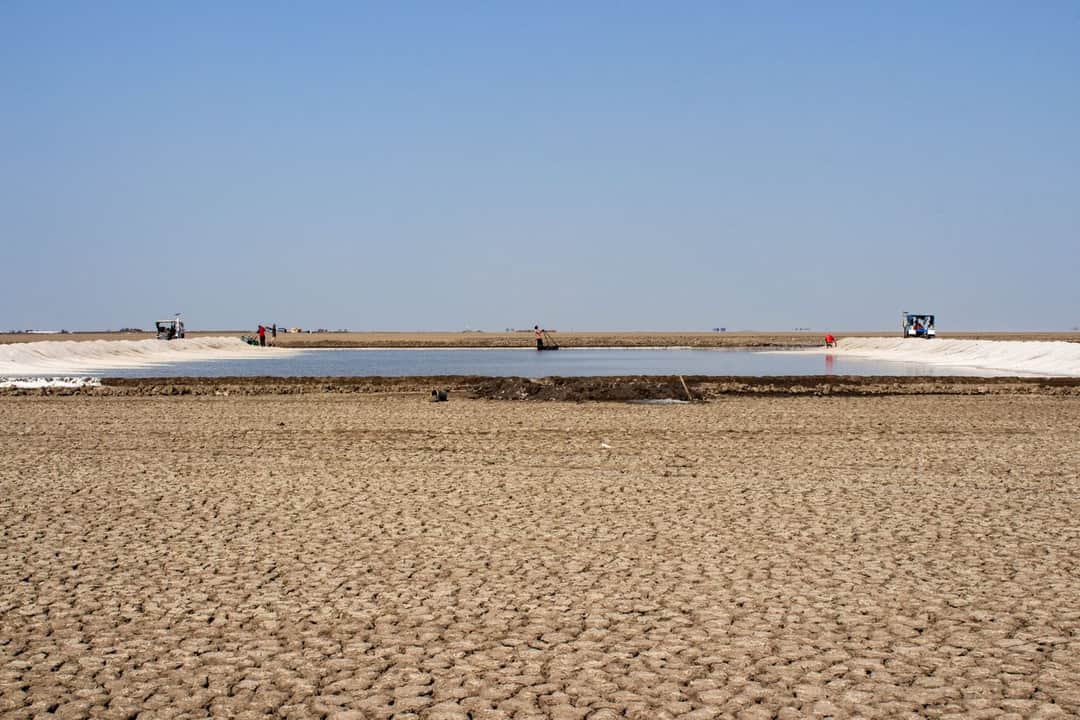
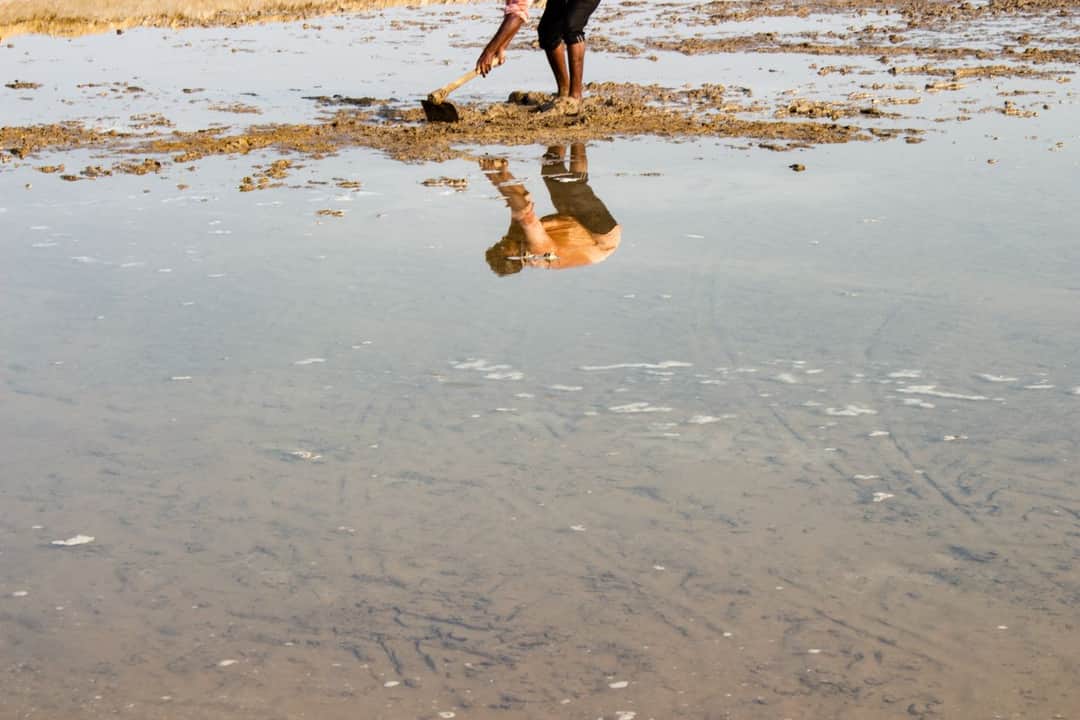
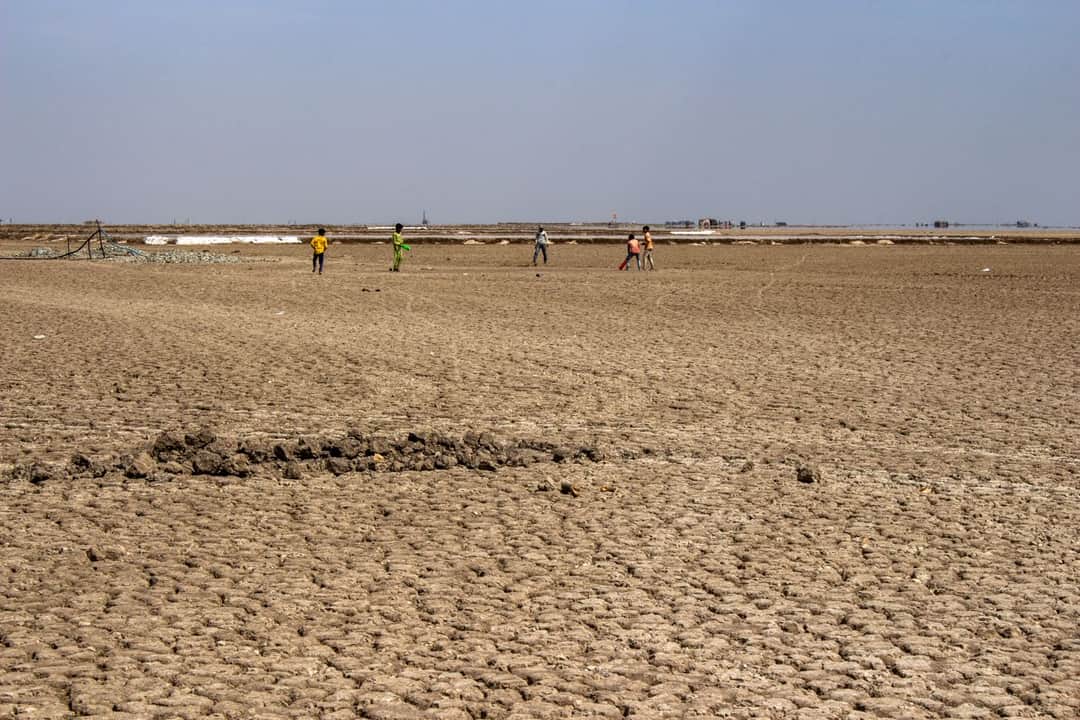
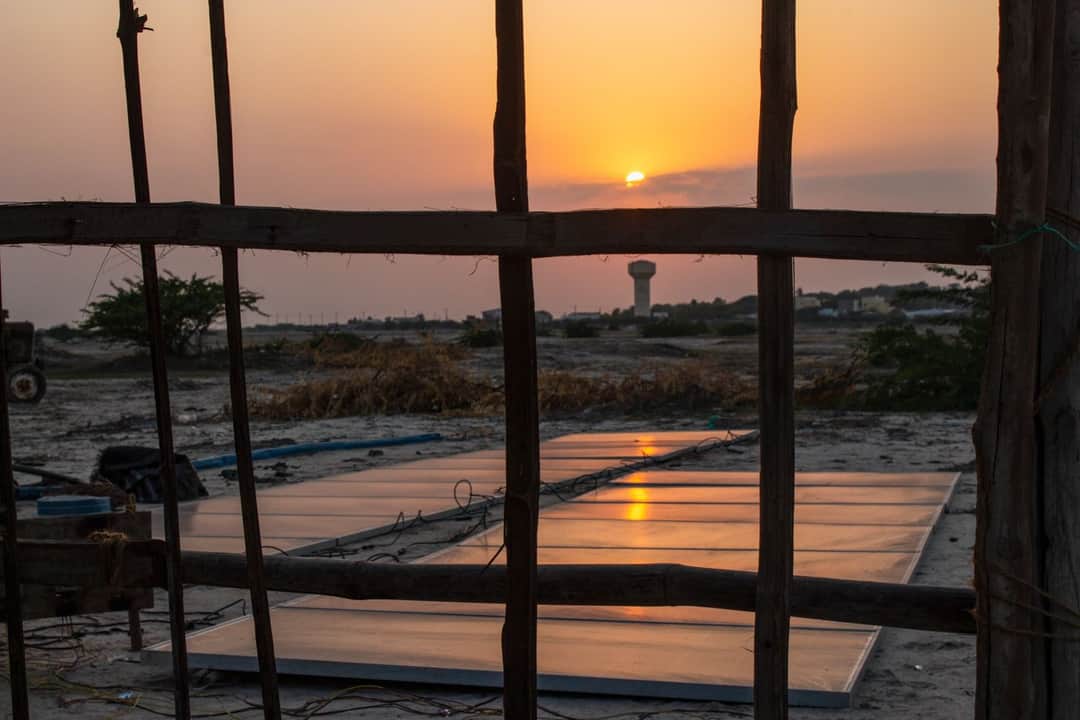
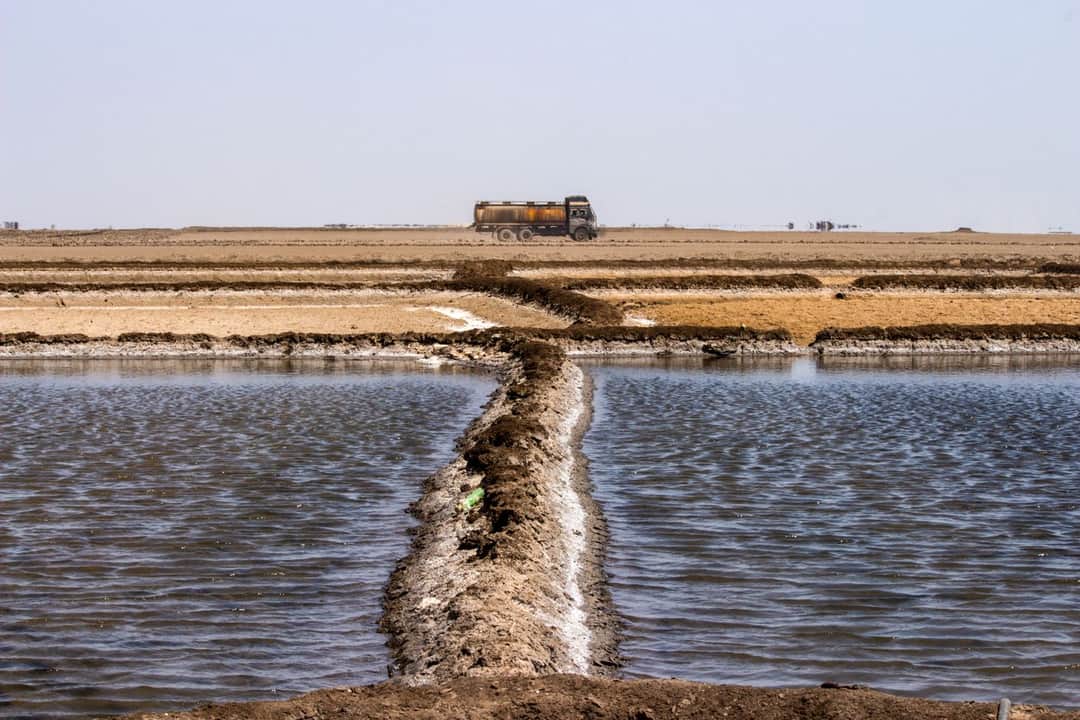
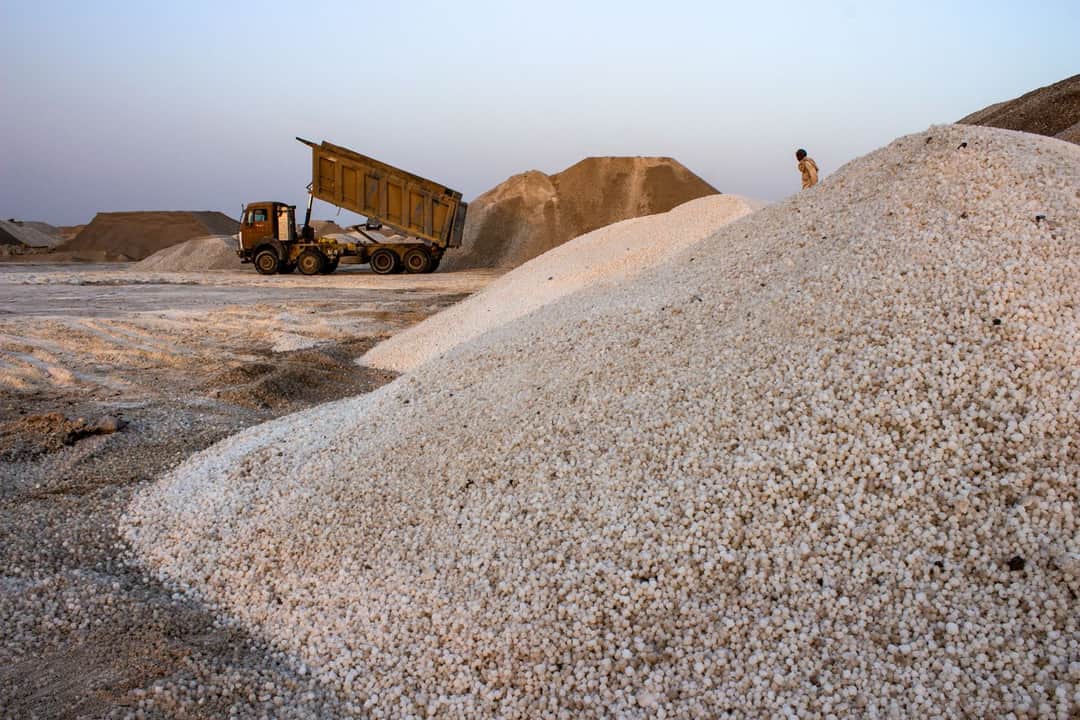
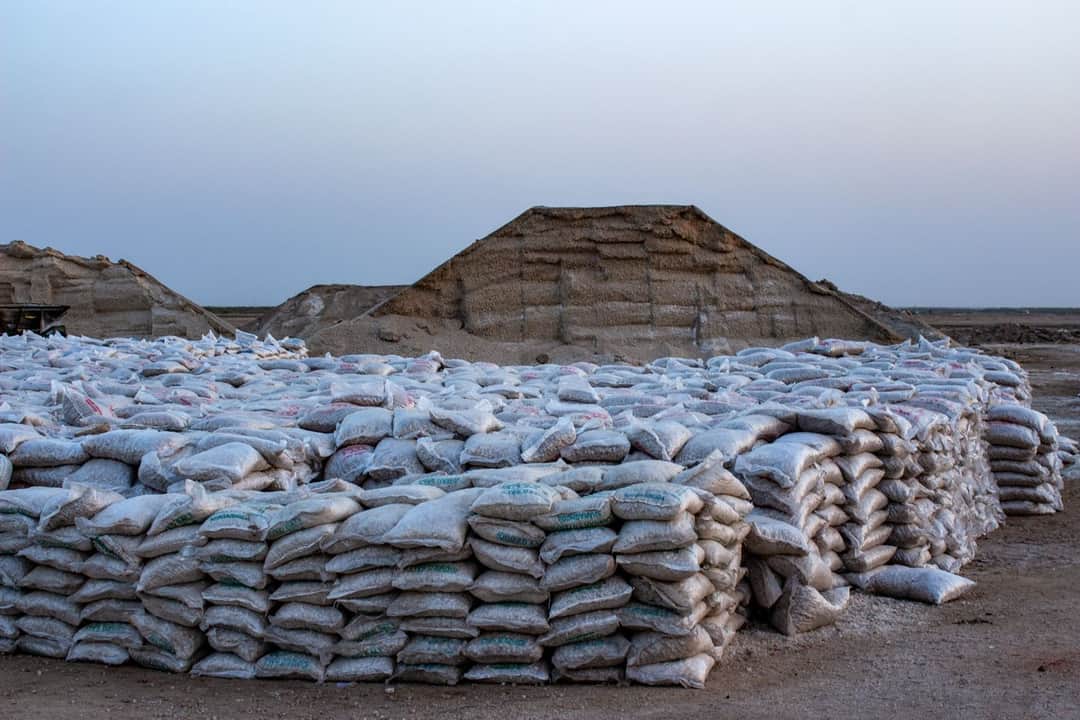
The desert at Kharaghodha holds no sand, only salty clay all around. In the monsoon it is filled with water. And after that only clay. Every day gets hotter than the one before and soon, all you will see in the desert is dry clay. Not a tree on the horizon, only occasional thorny shrubs here and there. Just hearing about it is exhausting, imagine working here! You can walk and walk and feel you’ve reached nowhere. And yet there is no option but to drag this life along.
“This road isn’t unfamiliar,
yet I am lost in the desert.
I took the path of my ancestors,
yet I am lost in the desert.”
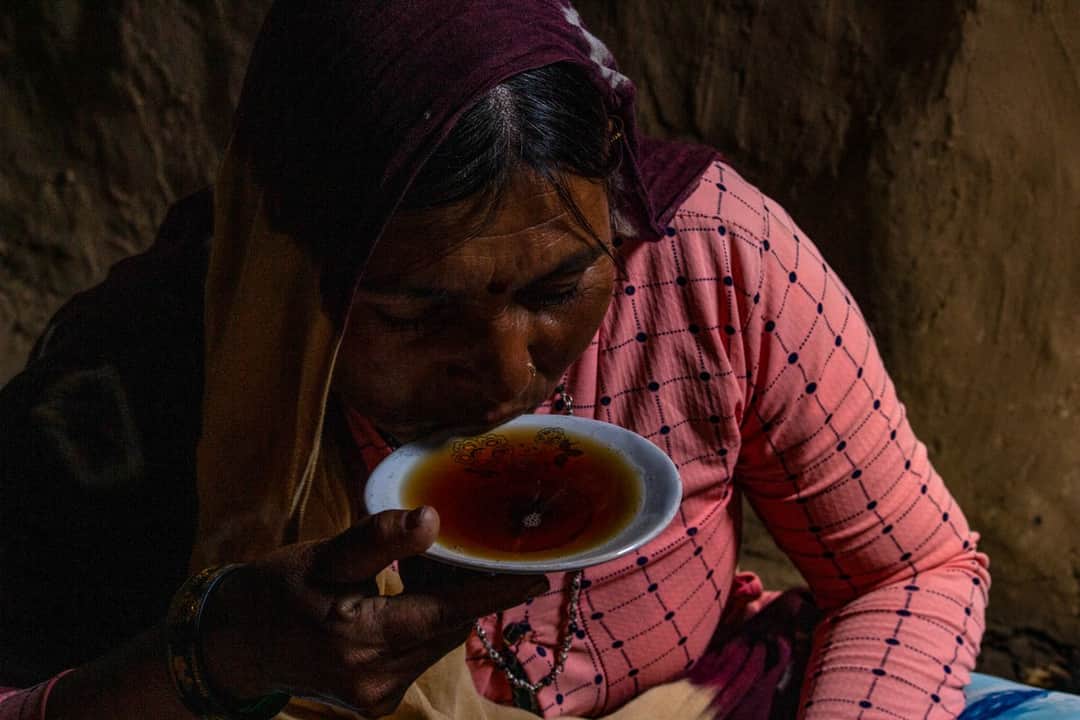
Weaving in the misery of the traditional life of salt-farm workers, 65-year-old poet of the rann, D. K. Vaniya adds, "Almost 99 per cent of the agariyas in this area belong to the denotified tribe – the Chumvalia Koli." Chumvalia because they come from Chumval region in the north-eastern part of Viramgam, a subdivision of Ahmedabad district. The word Chumvalis in Gujarati means 44 - denoting the 44 villages in the area. The members of this tribe live in distress and despair; every house has a story of struggle. Some of them are heart-breaking. A life full of conflict is taken for granted by those who live it and rarely noticed by others.