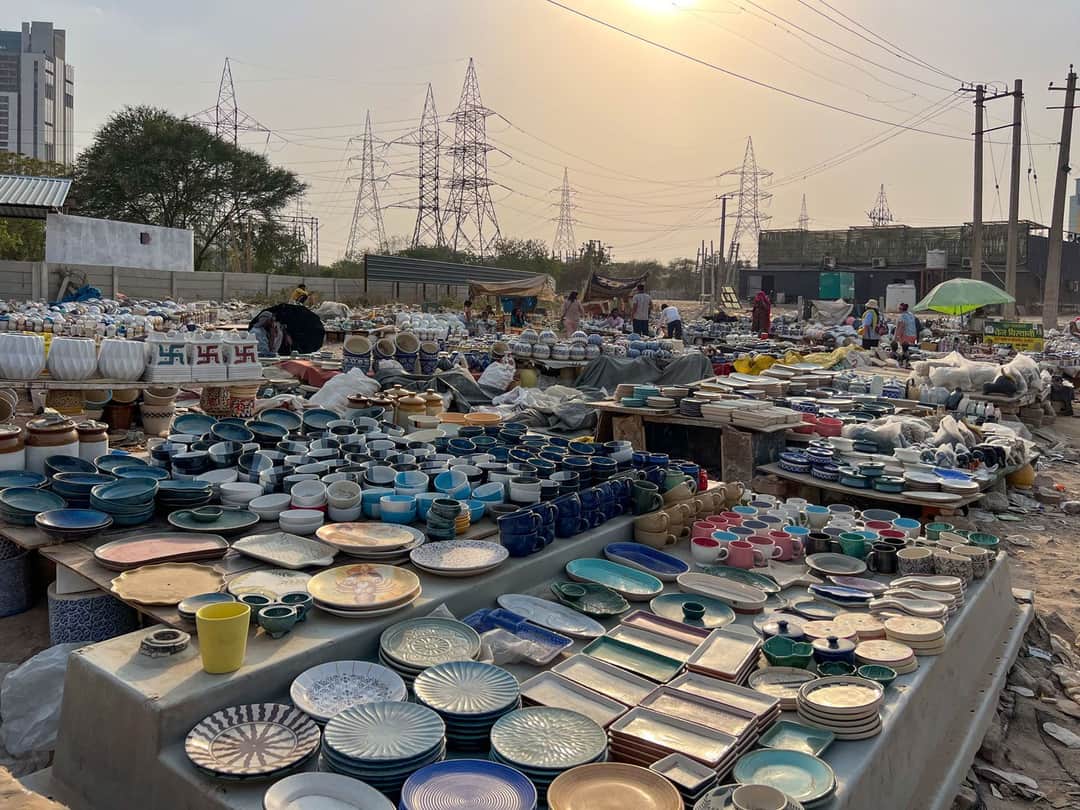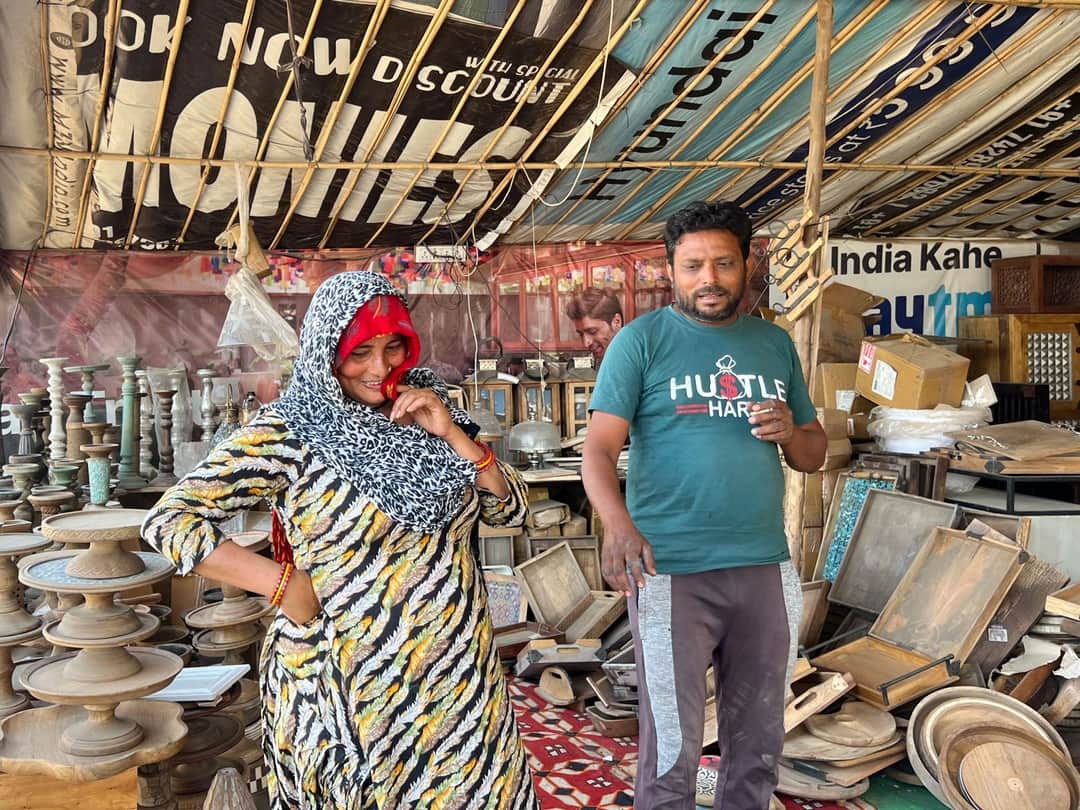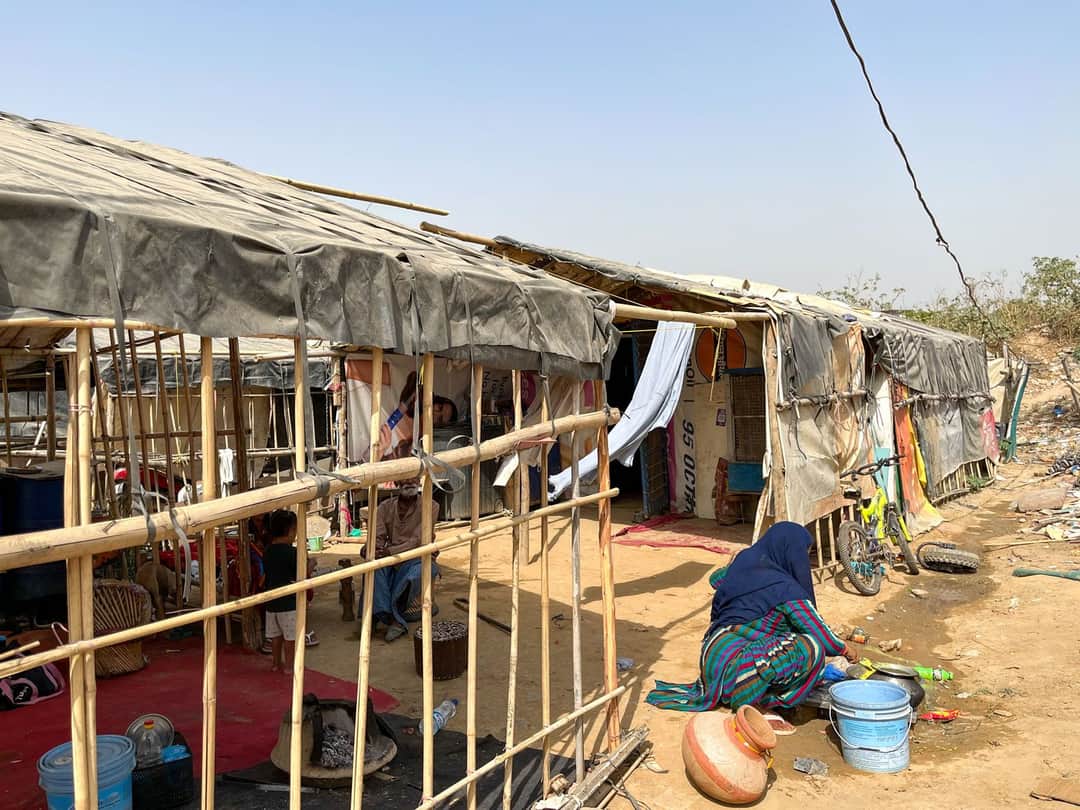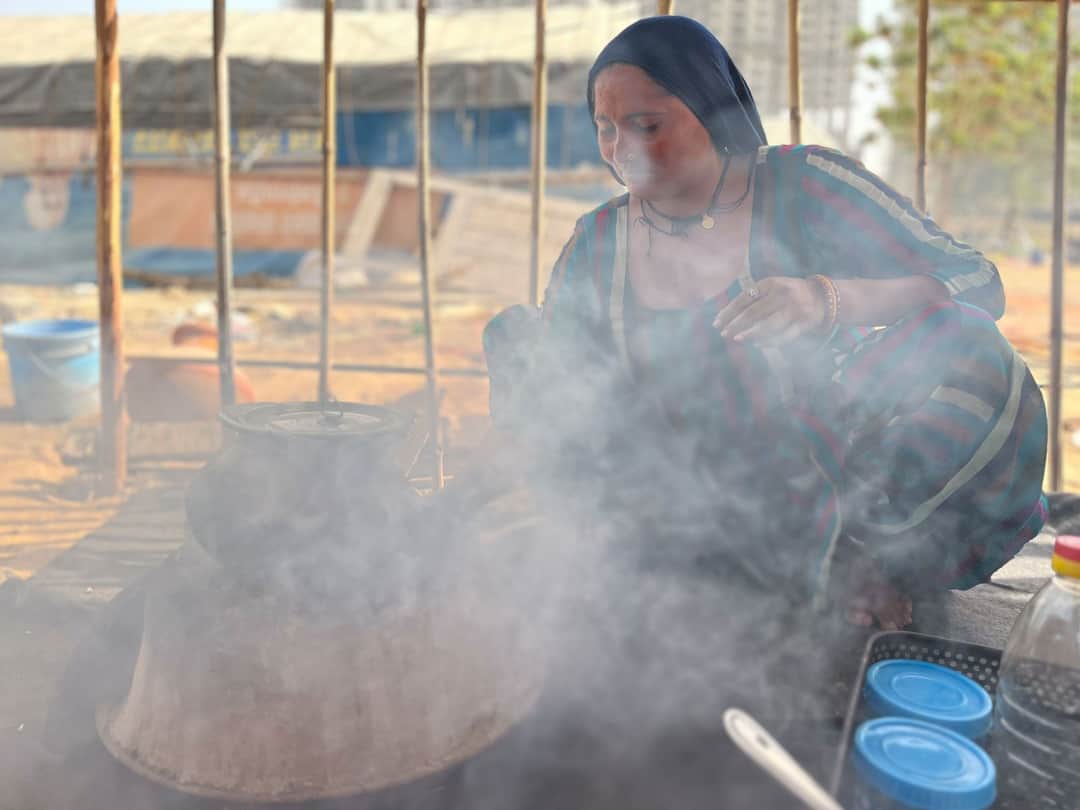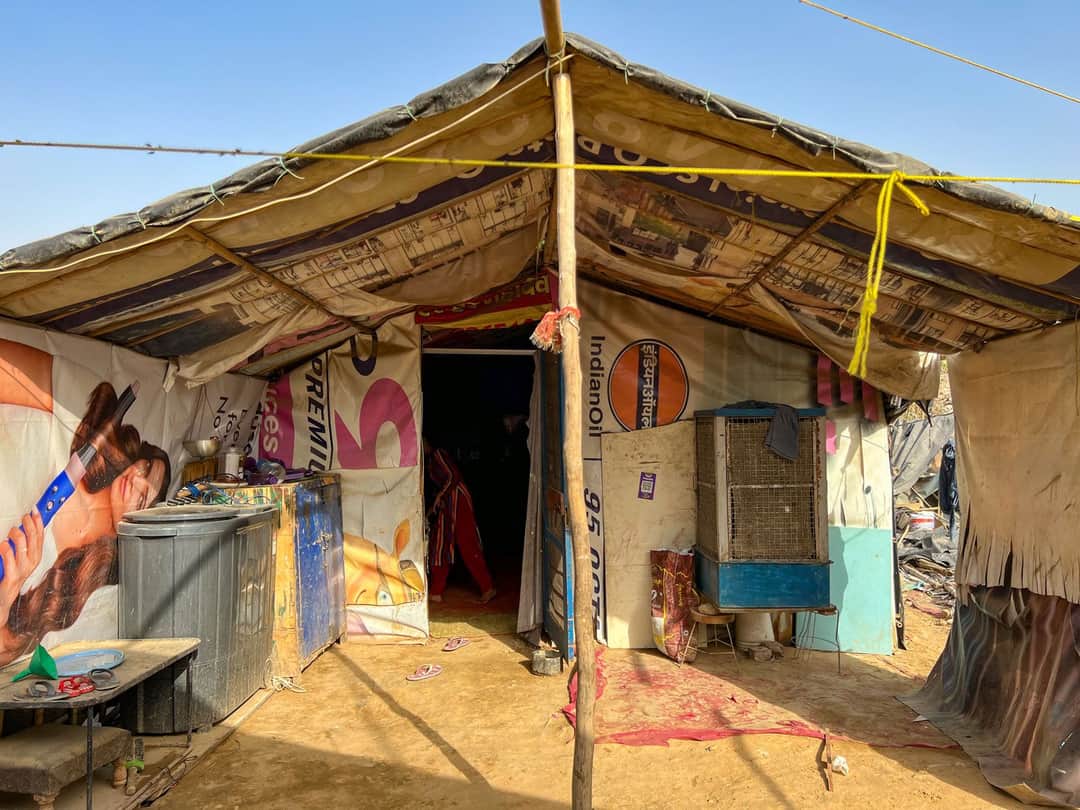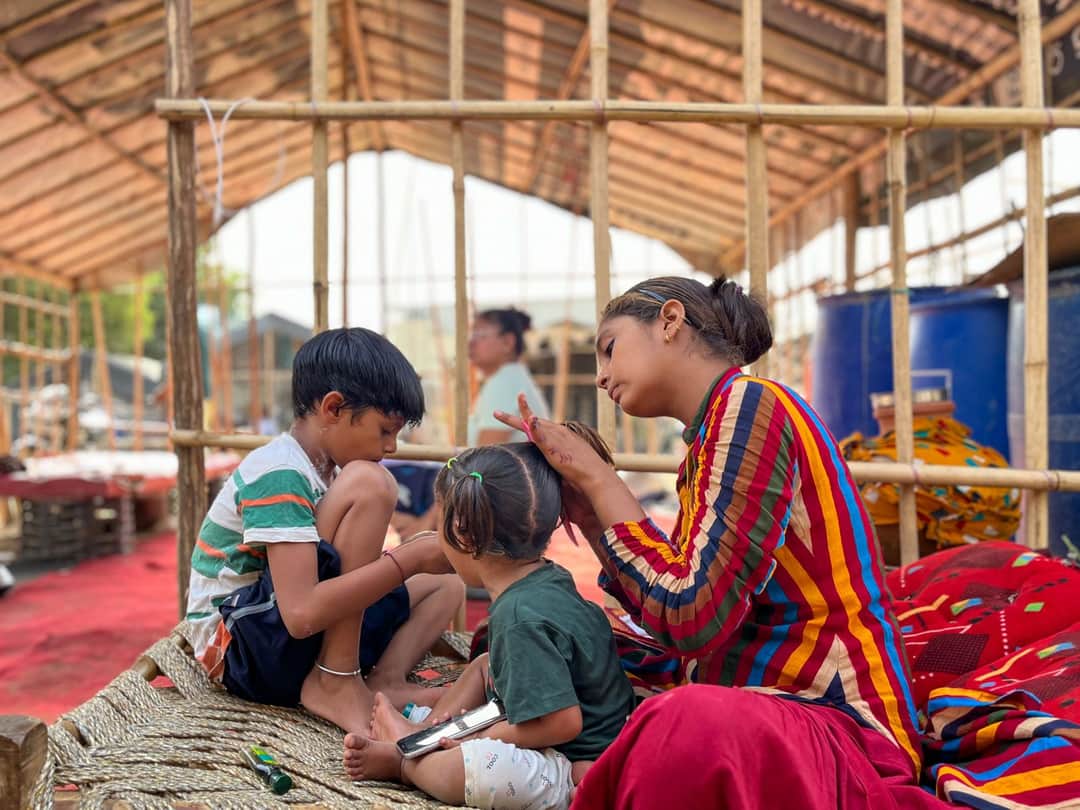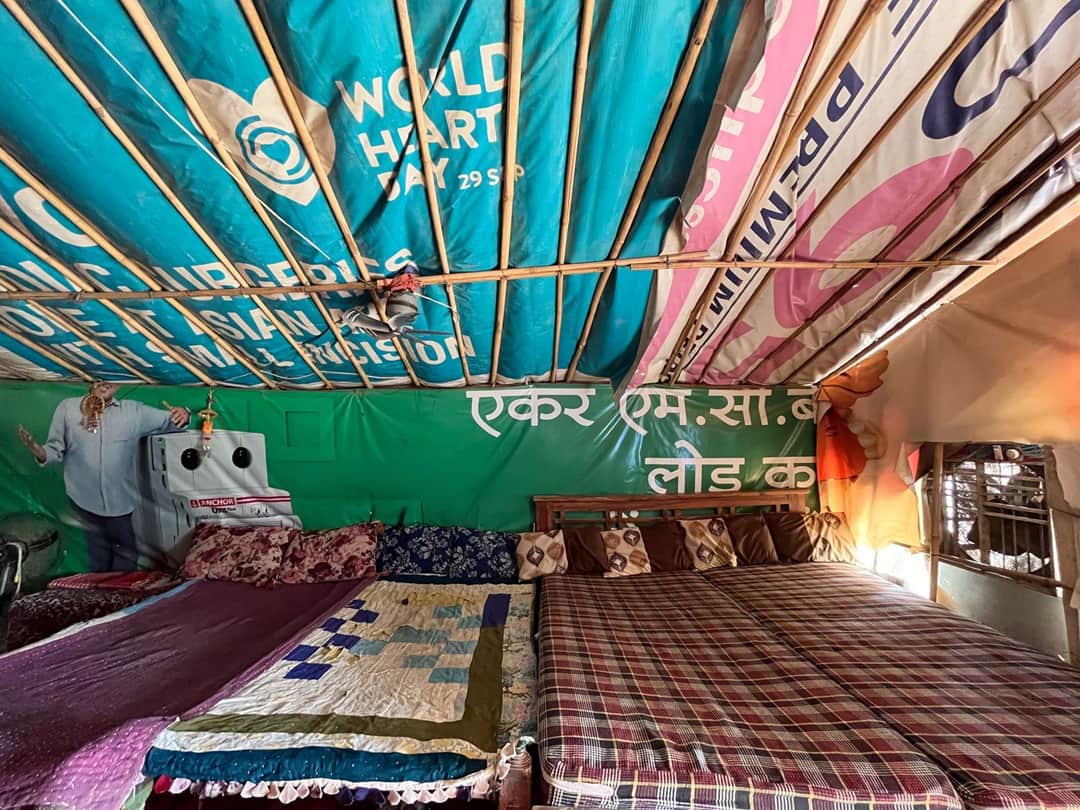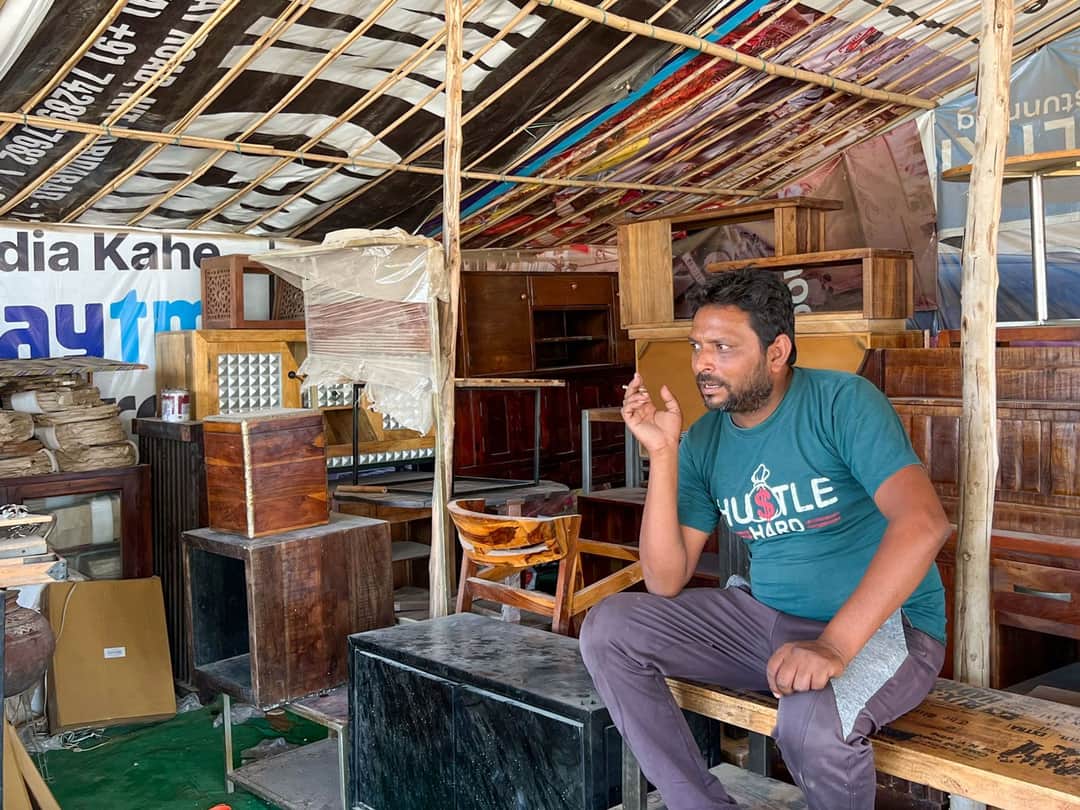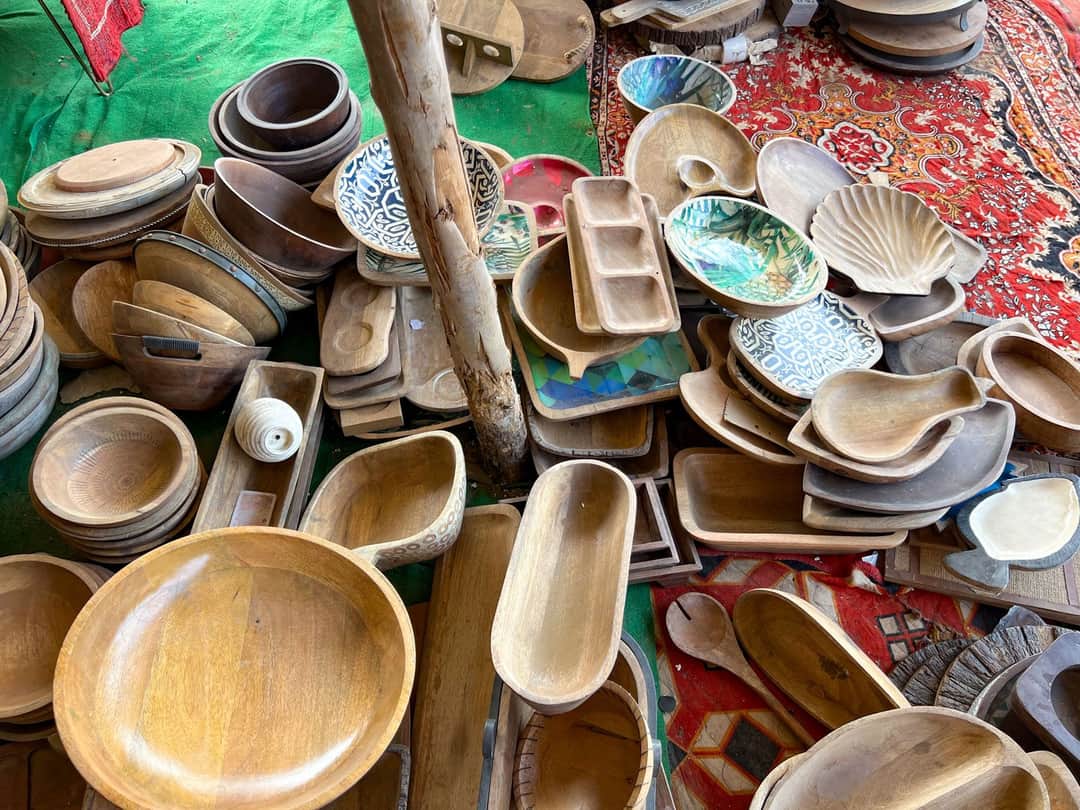

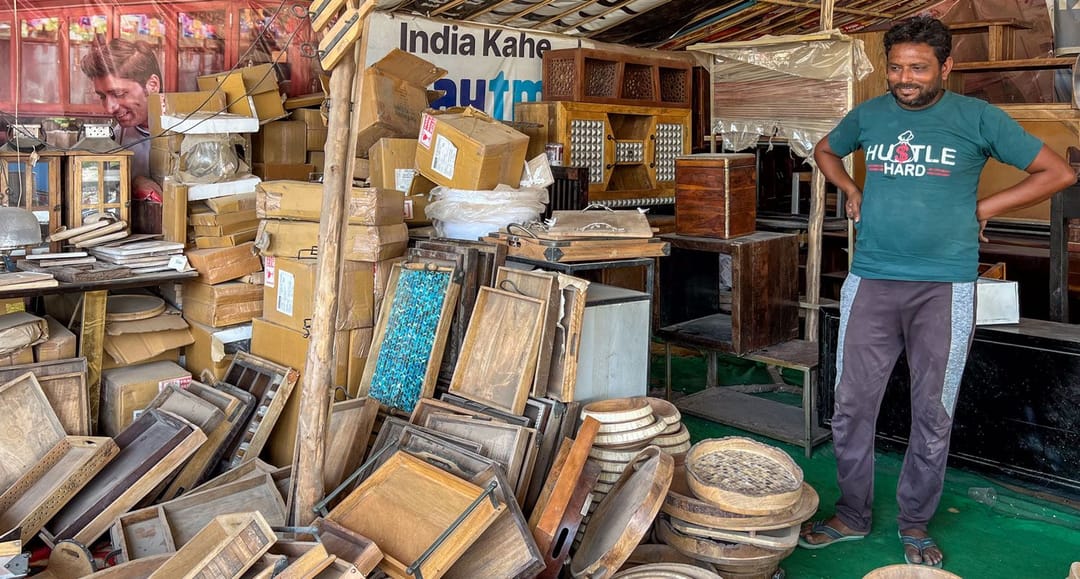
Kansi Ram stands in front of his shop in Gurugram’s Banjara market. Behind him, in the bamboo and tarpaulin shed, is a diverse range of wooden furniture for sale, packed tightly into the small space. His wife, Asha, is seated nearby. She wets a cloth and places it on her head. The day has begun, and even mornings in Delhi’s summers are unforgiving, but the wet cloth on her head will keep her cool, she says.
Neither Kansi Ram nor Asha are any strangers to heat. For the Gadia Lohar community of traditional ironsmiths, fire was a constant companion. “Aisi garmi mein garam garam lohe ko peette the…aanch ke saamne bhot mehnat ki hai [We would beat the hot iron in temperatures like this…we have worked very hard in front of a burning flame].”
The Gadia Lohars trace their origin to Rajasthan, where they are listed as a Most Backward Community (MBC). In some places where a number of them exist, like in and around Delhi and Haryana, they are classified as Other Backward Classes (OBCs). They are very much a part of the 98 per cent of nomadic and semi-nomadic communities who do not own land. A mere 11 per cent of nomadic communities in India live on public land. Many Gadia Lohars live and travel in their bullock carts (gadi) which serve as mobile homes and workplaces.
Kansi Ram spent years on the road through hot summers and cold winters, hawking his wares of handmade iron tools, utensils and other implements.
But two decades of rising temperatures in and around the capital city Delhi, have taken a toll, and he has stopped moving around. “It’s pointless going from house to house, in such extreme heat. This is why we left the business and started this work,” he tells PARI.