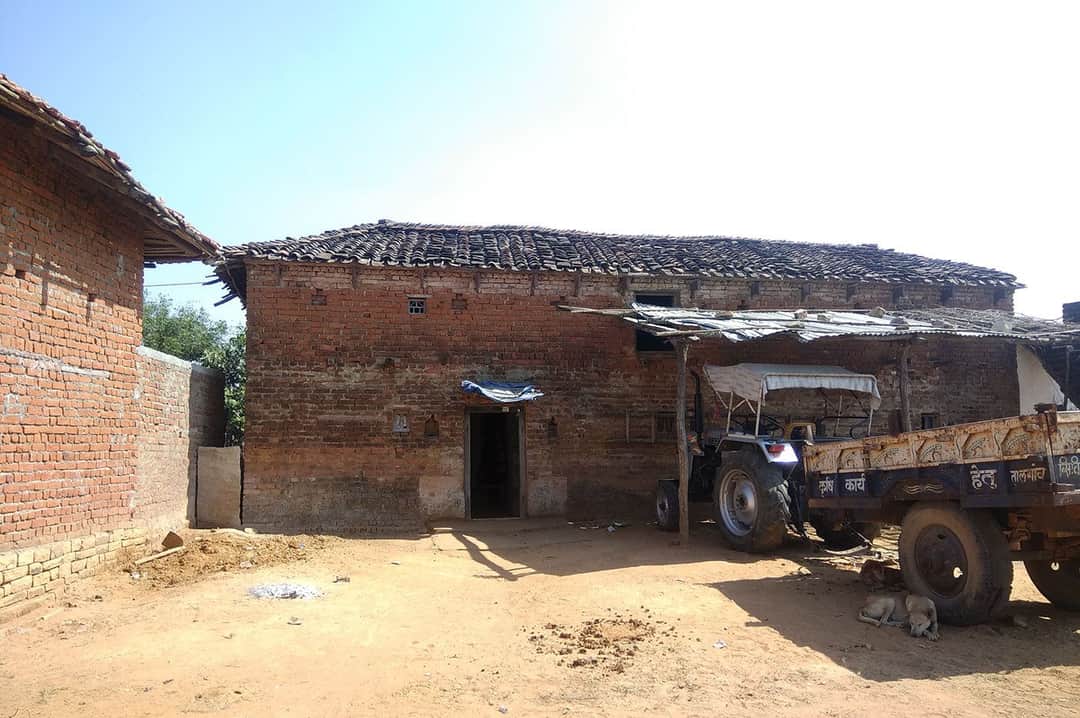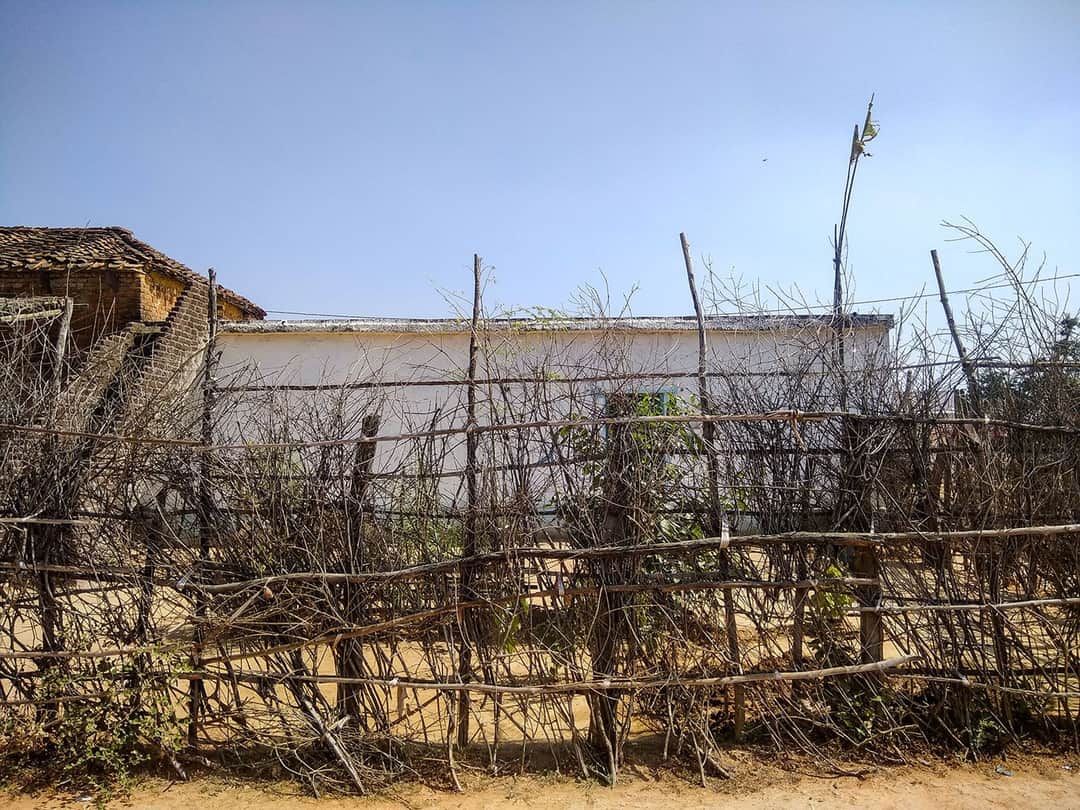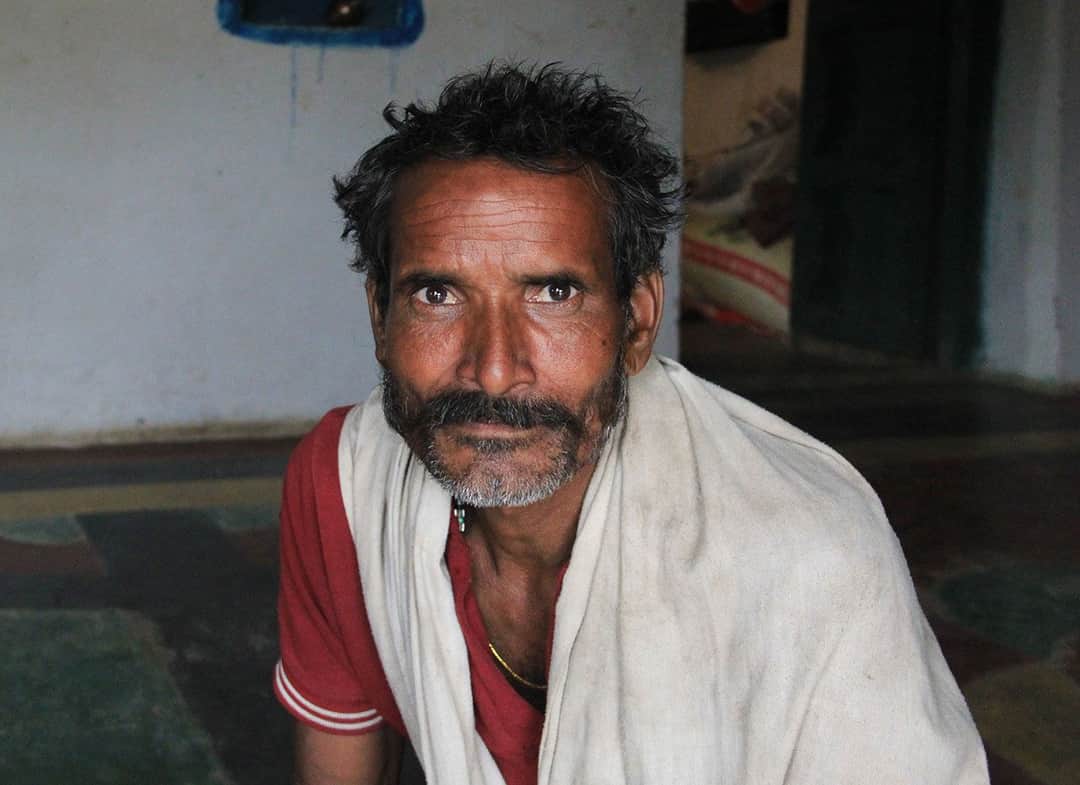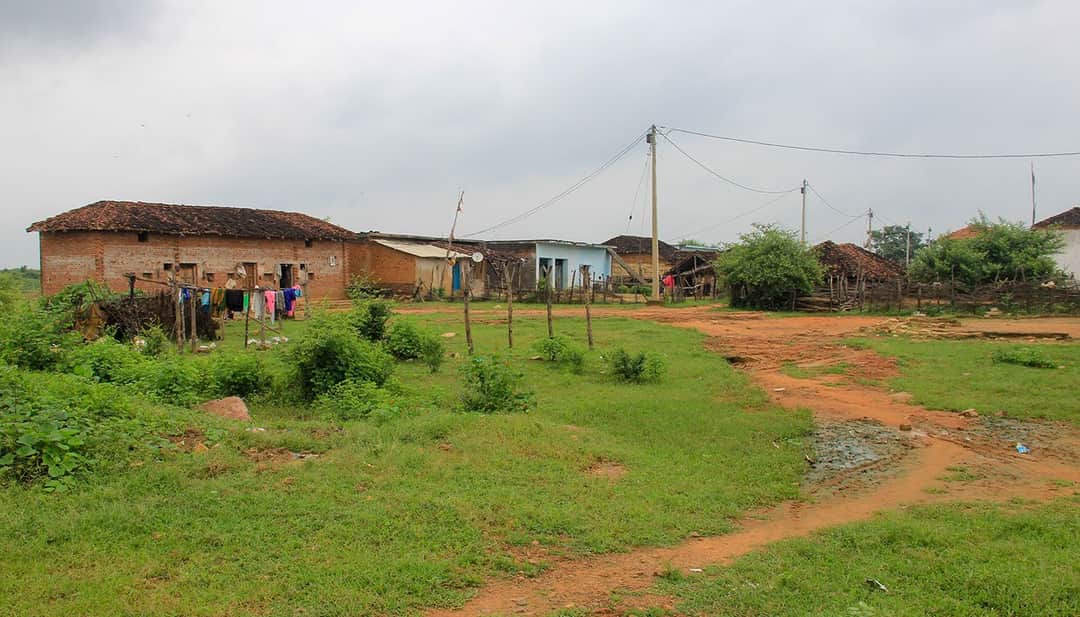

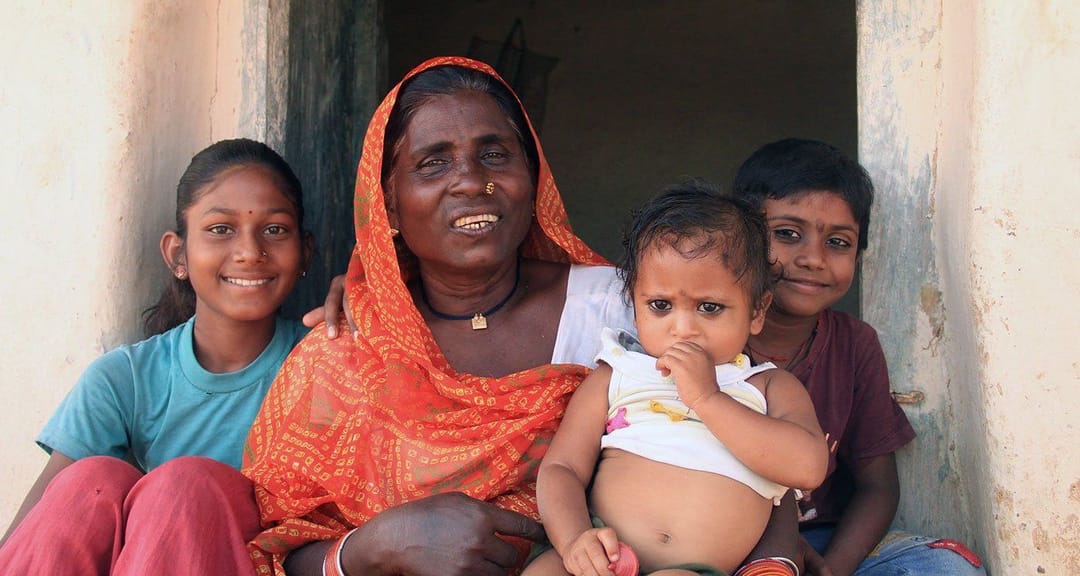
“We did not want to move out. In the beginning, we ignored them. Then, whenever the forest officials came, we would hide…. We passed many days like this,” recalls Babulal Kuandhar, who used to live in Talgaon village. “I think the decision was made around 2008. The forest officials told us that the number of tigers in the forest has increased and we must move out immediately.”
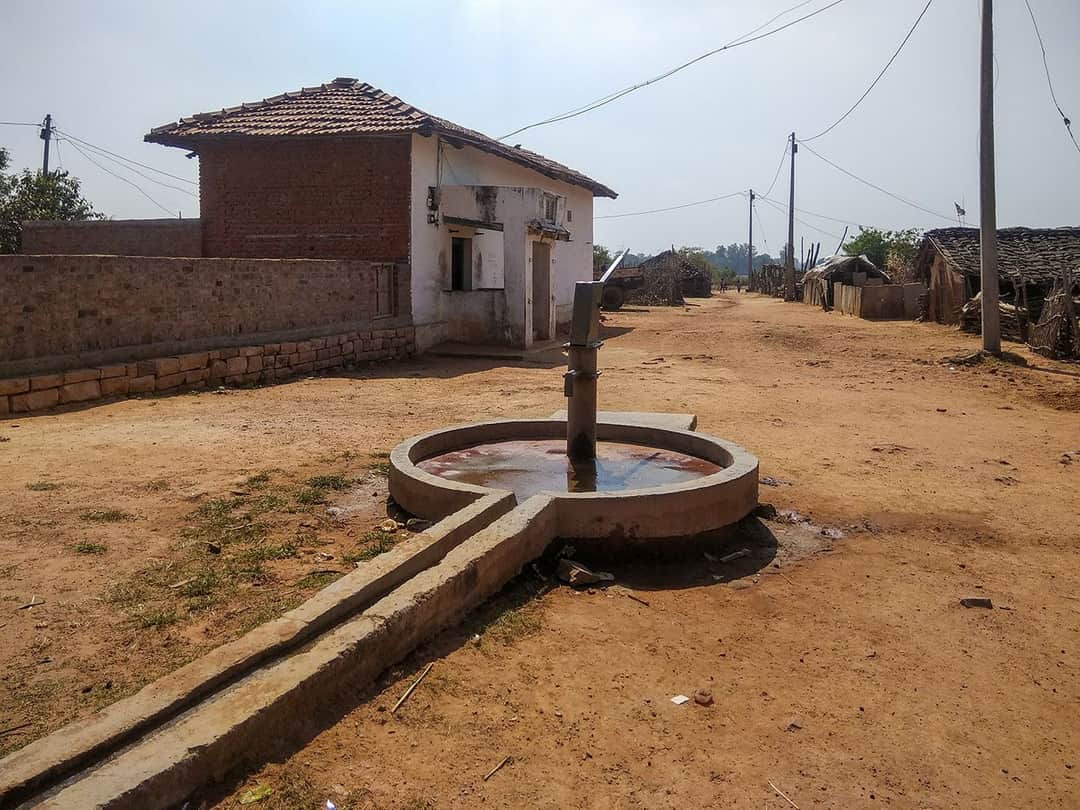
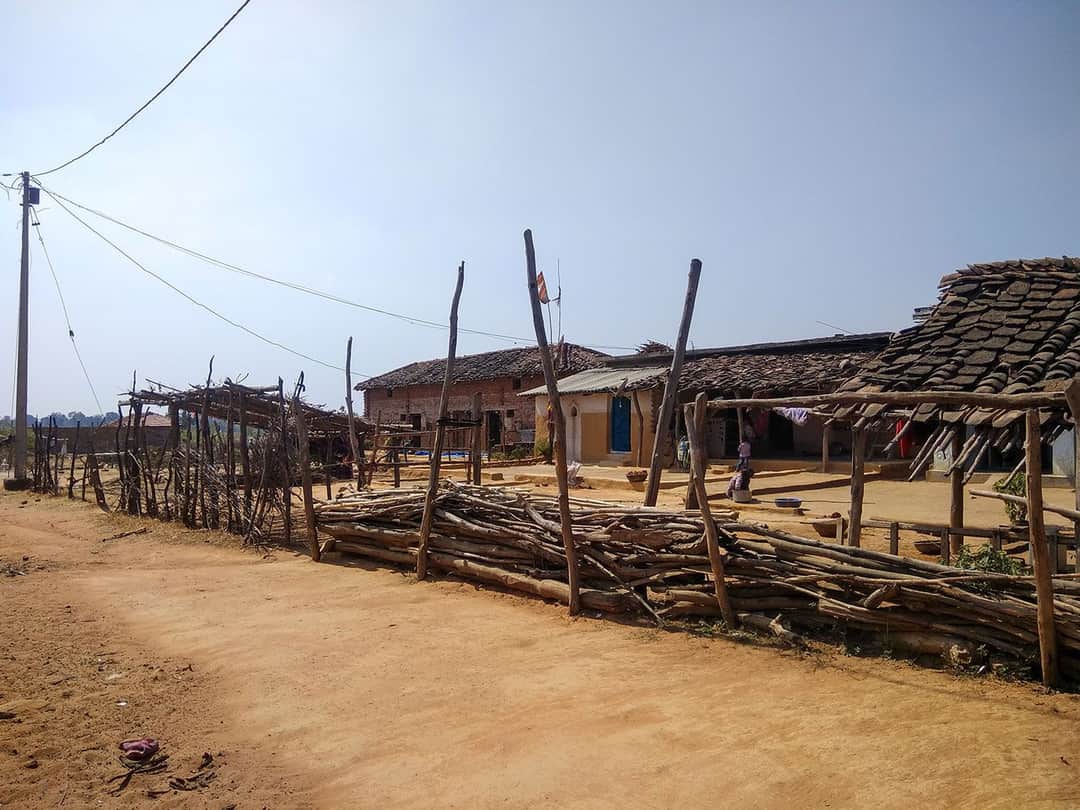
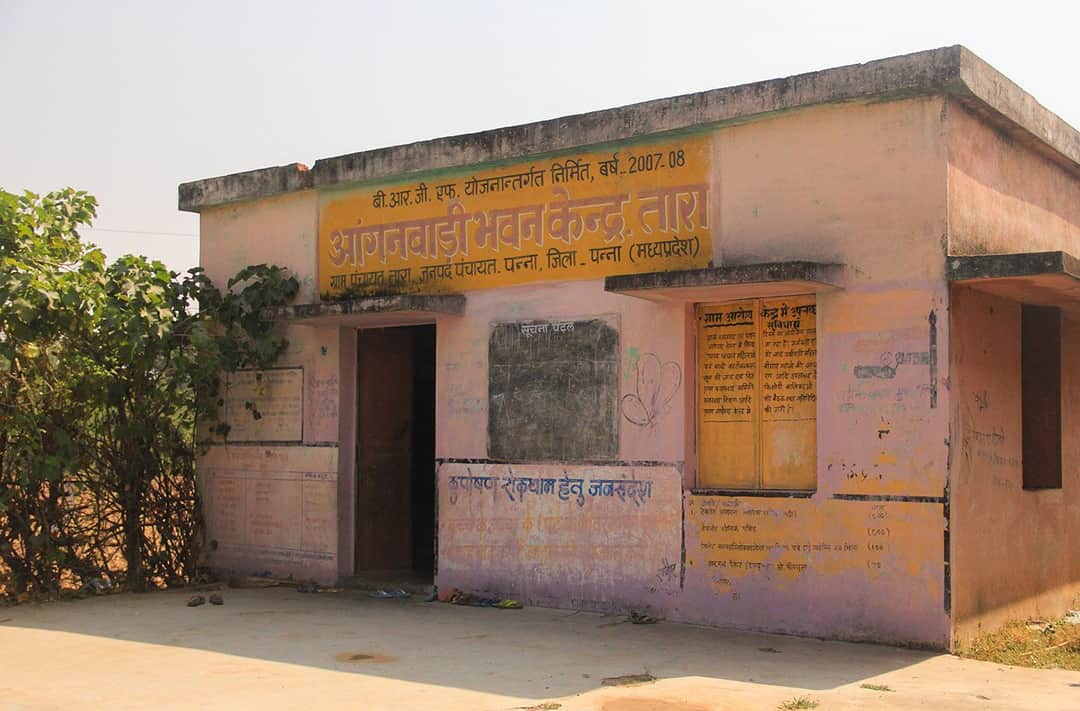
In 2012, after four years of refusing to shift, the Adivasis of Talgaon were forced to leave their ancestral village and settle in Sarathpura hamlet, around 16 kilometres away. The hamlet, locally referred to as Tara-Tek, is close to the highway that leads to Amanganj tehsil of Panna district.
In 2008-2009, when the Panna Tiger Reserve in Madhya Pradesh had lost all its tigers, 12 villages were relocated to create inviolate spaces for critical tiger habitats. Talgaon was one of them. A 2011 report says there were 16 villages in the core area of the reserve (11 in Panna district and five in Chhatarpur district; the present status of the four villages that were not relocated at the time could not be verified).
Census 2011 records 171 families in the then Talgaon, most of them from the Raj Gond Adivasi community. Of these, only 37 households remain in Sarathpura. The others migrated to towns like Satna, Katni and Ajaigarh.
However, this relocation bypassed numerous norms and legal provisions. Section 4.9 of Project Tiger, supervised by the Ministry of Environment and Forests, offers two options for the relocation package: a family can accept Rs. 10 lakhs as compensation and take care of the relocation on its own, or the forest department and collector must undertake the rehabilitation process.