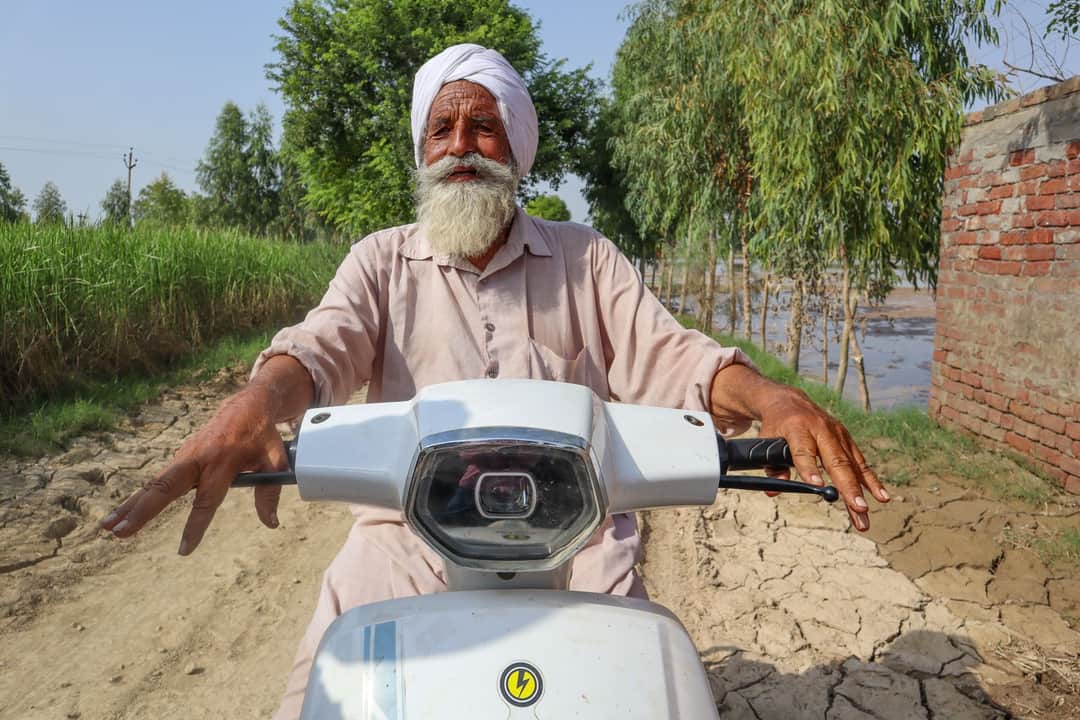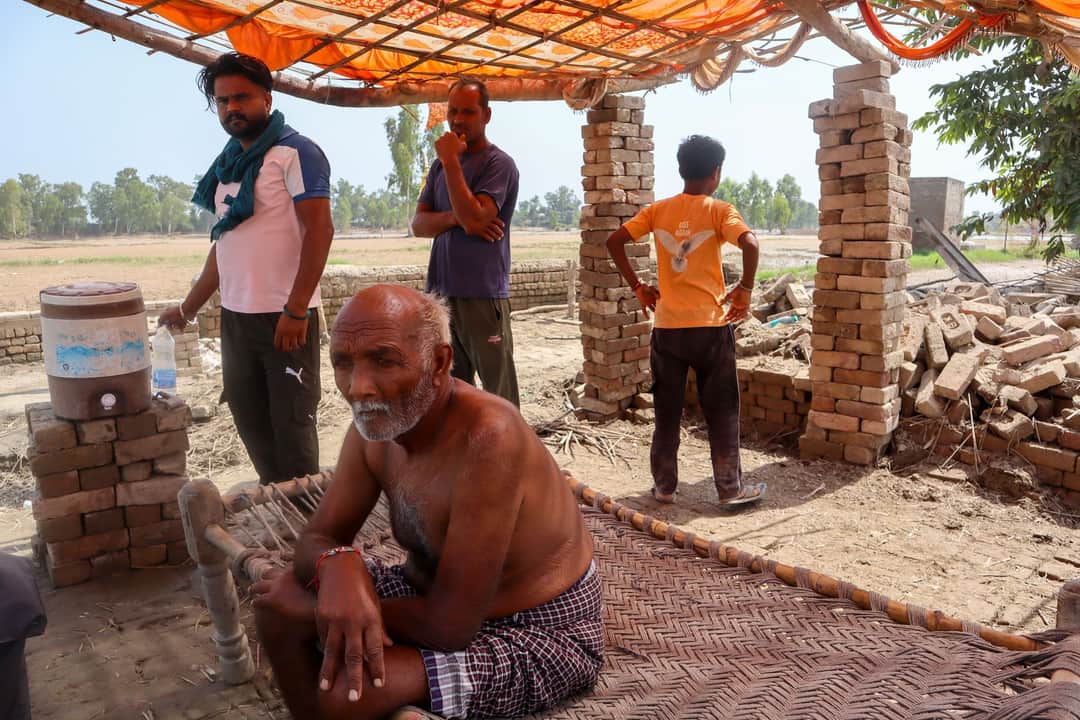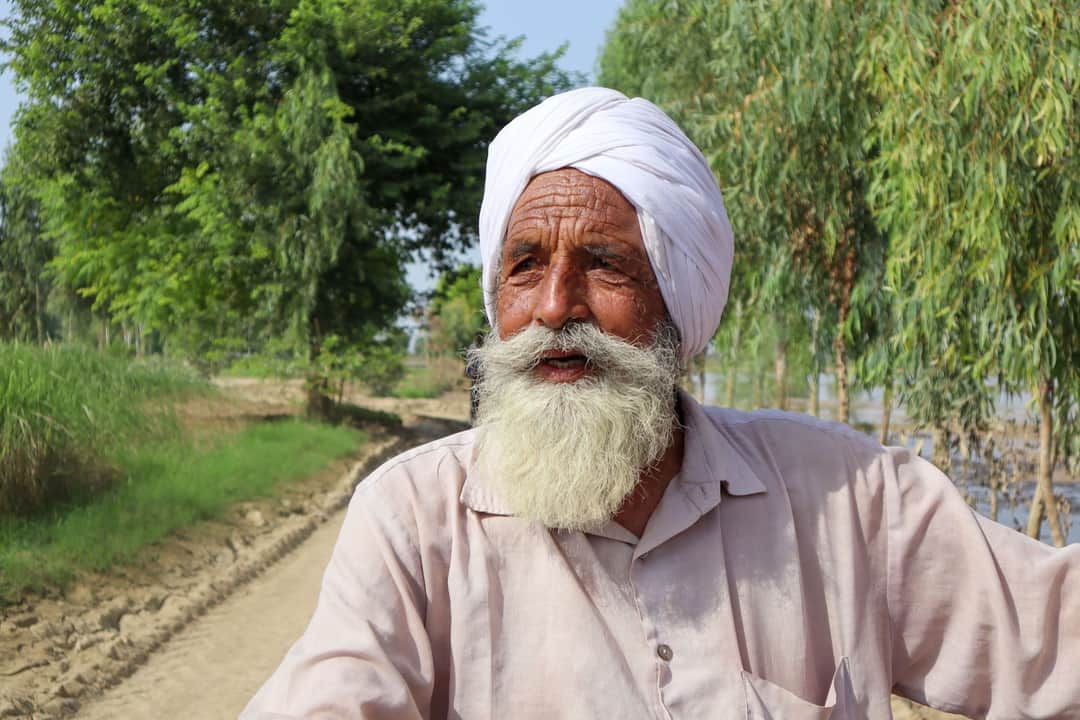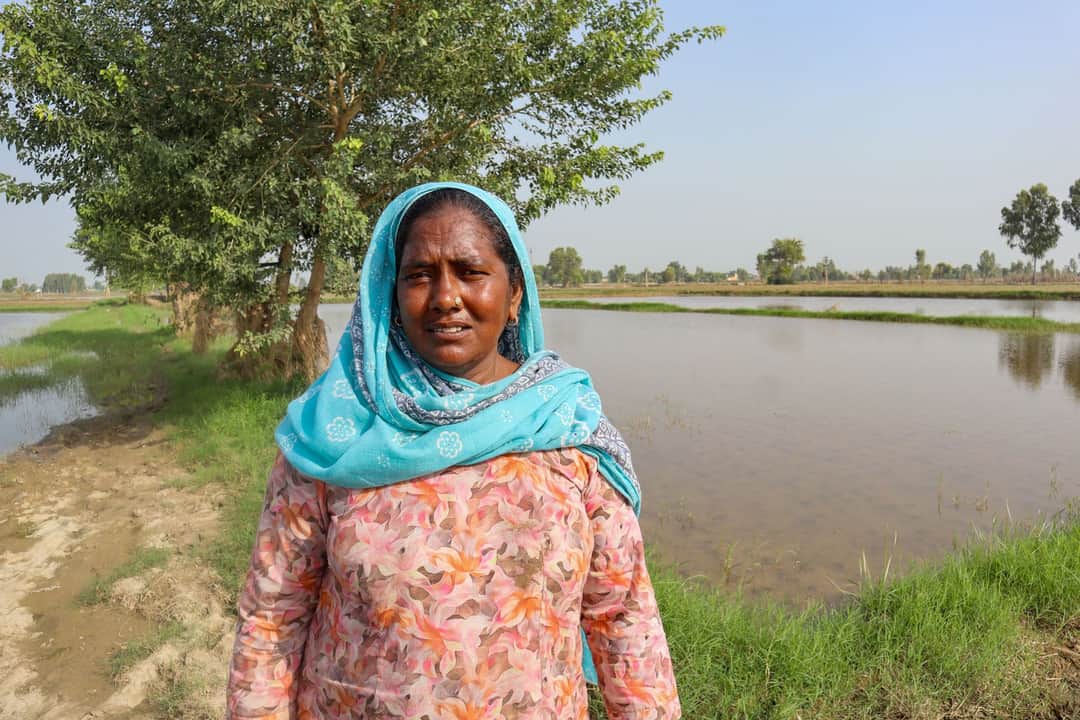

“Wars don’t strike here as hard as the floods do,” says Jasveer Singh. The 73-year-old farmer is returning from his flooded fields which lie across the barbed wire fencing along the India-Pakistan border.
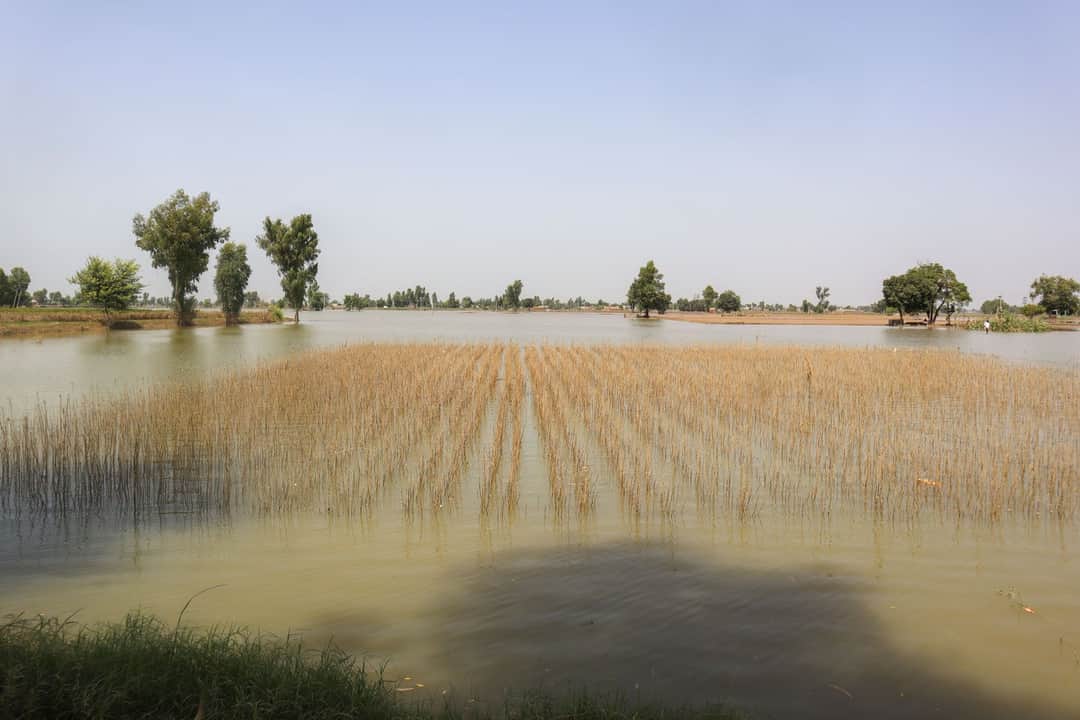
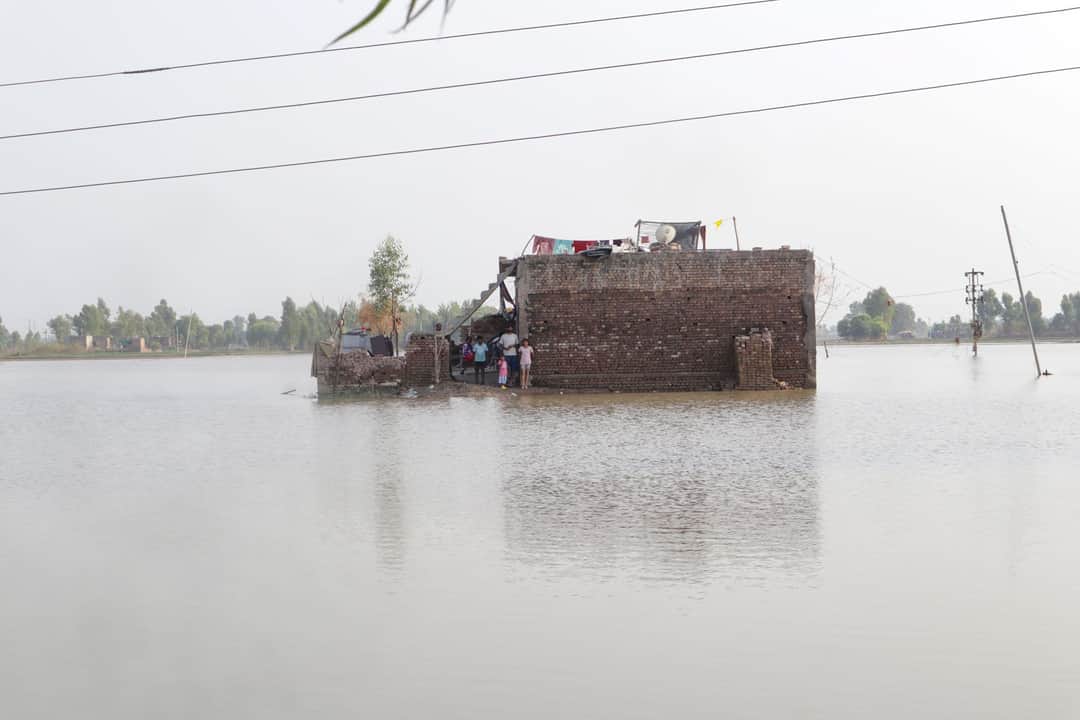
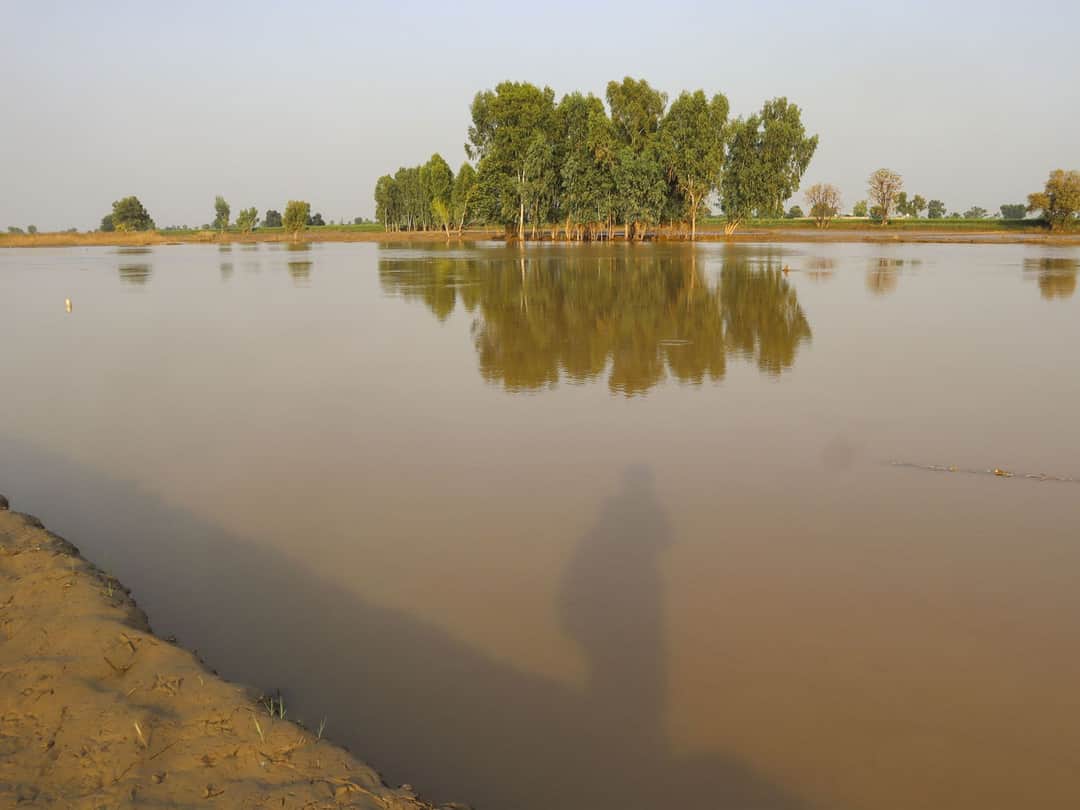
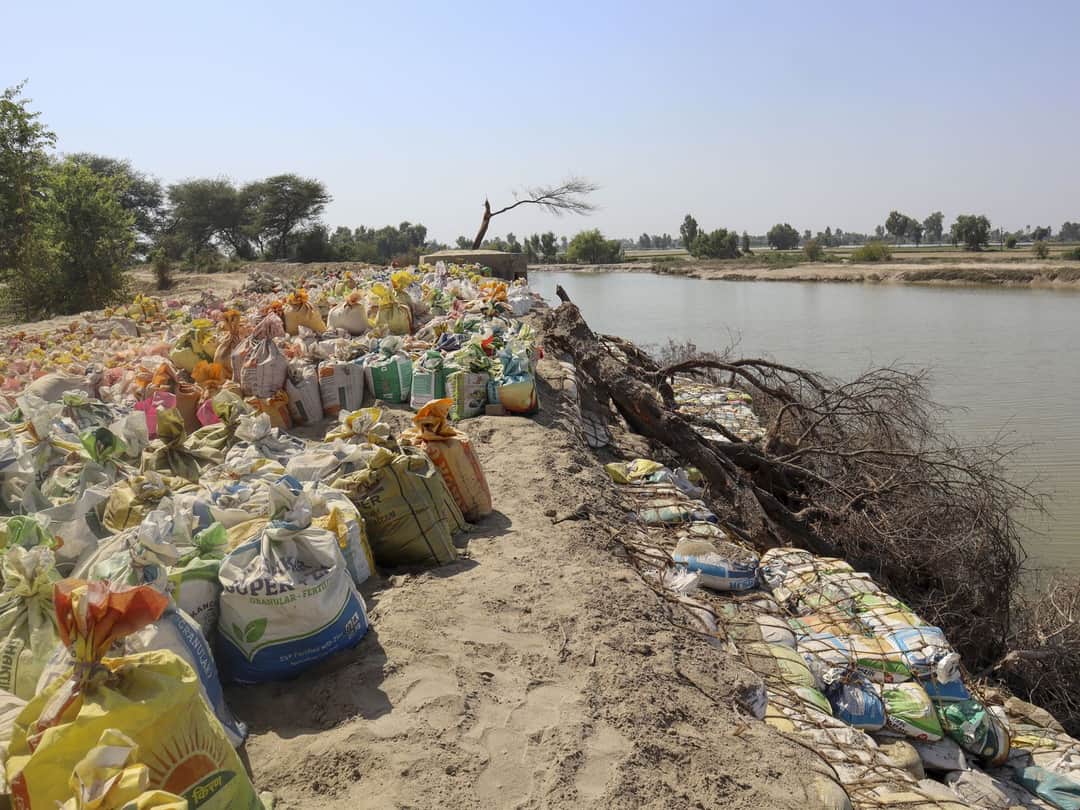
“Wherever you look, there is only water. Darya ne kabza kar leya hai [The river has taken over]. It must be running 15 to 20 feet deep,” Jasveer told PARI in late September 2025, referring to the Sutlej.
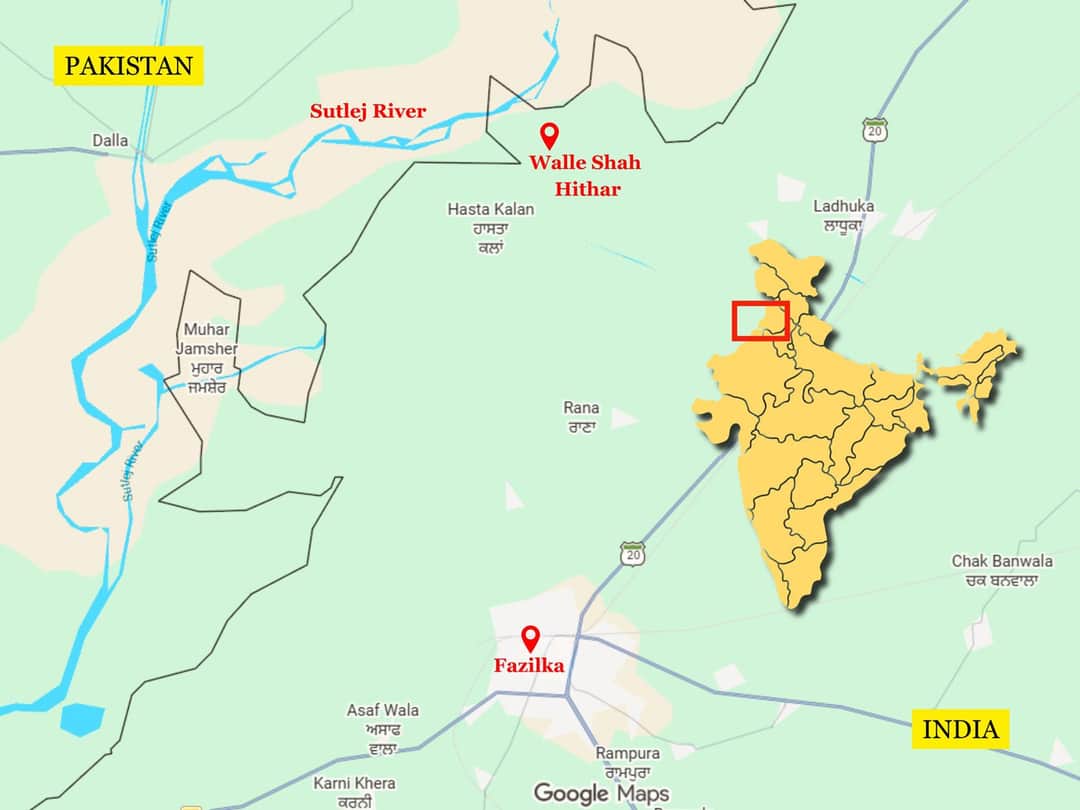
Forty acres of farmland in Walle Shah Hithar village lie in the area between the fence – built around 1990 – and the international boundary that is marked by concrete pillars. The farmers who till this land need BSF permission to access their fields. Jasveer’s family holds 19 acres here that they acquired in 1980 when land in border villages was far cheaper than in their own village, Theh Kalender – a 30-minute ride away on his scooty.
When the floods hit Punjab in August 2025, 15 acres of Jasveer’s land were inundated. The ripe paddy was destroyed. Speaking to PARI in January 2026, he says, “Wheat could not be sown because the land remains too wet. Around seven-eight acres has drained, I might have to leave it for another six months or a year before it is ready for cultivation.” Two crop cycles have been lost already.
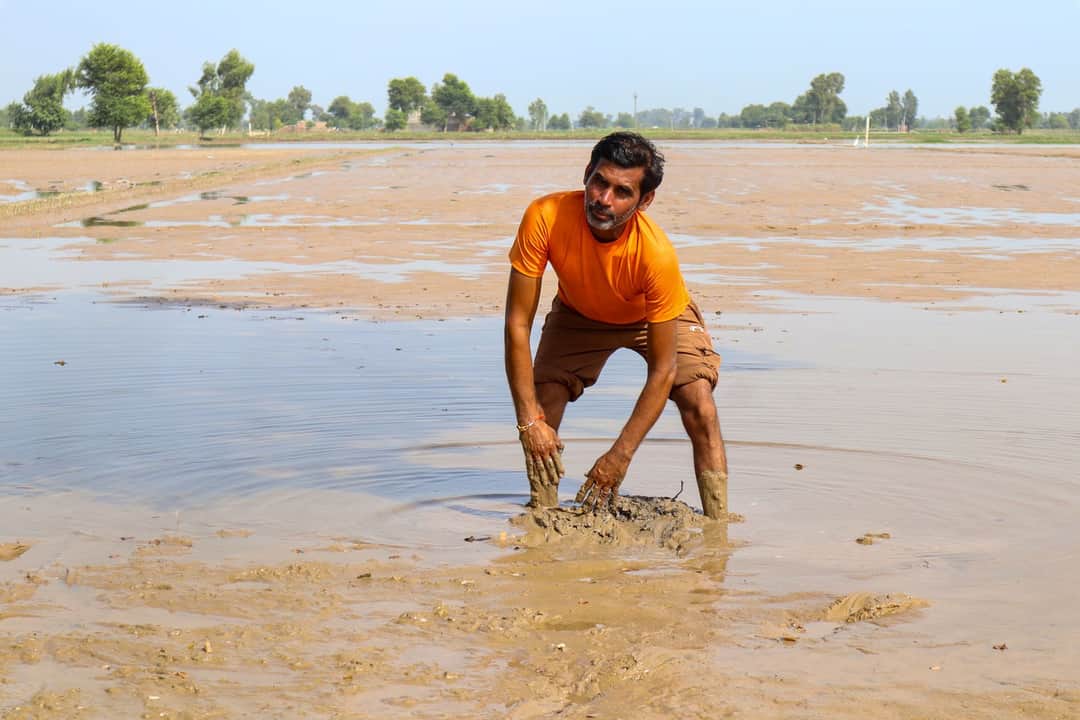
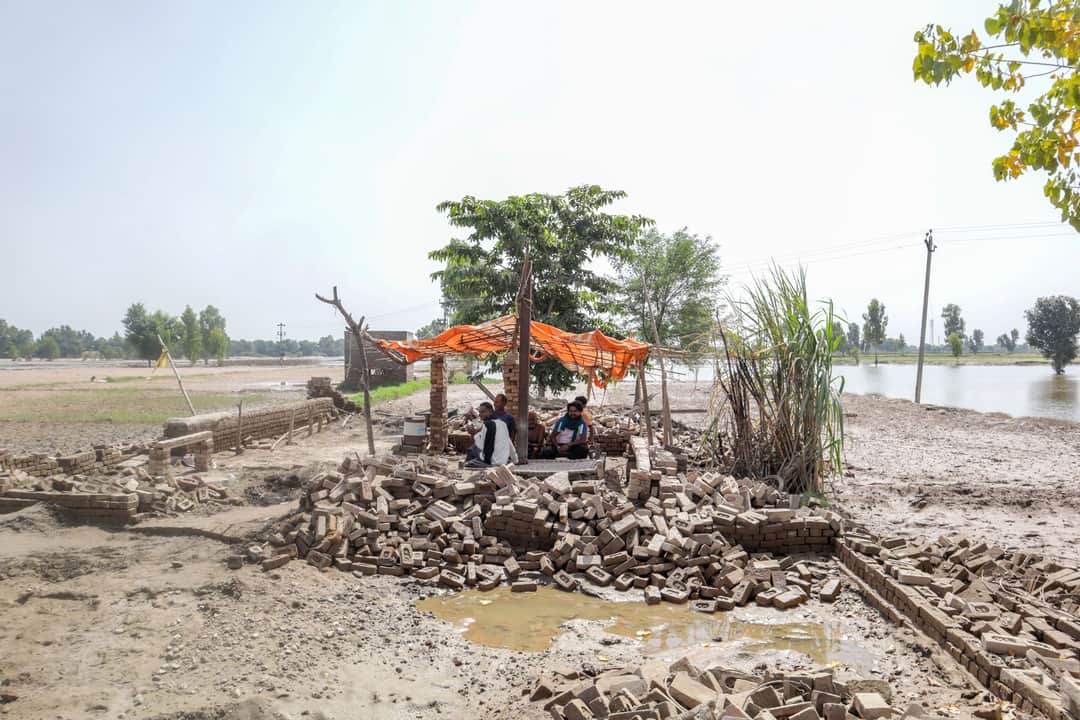
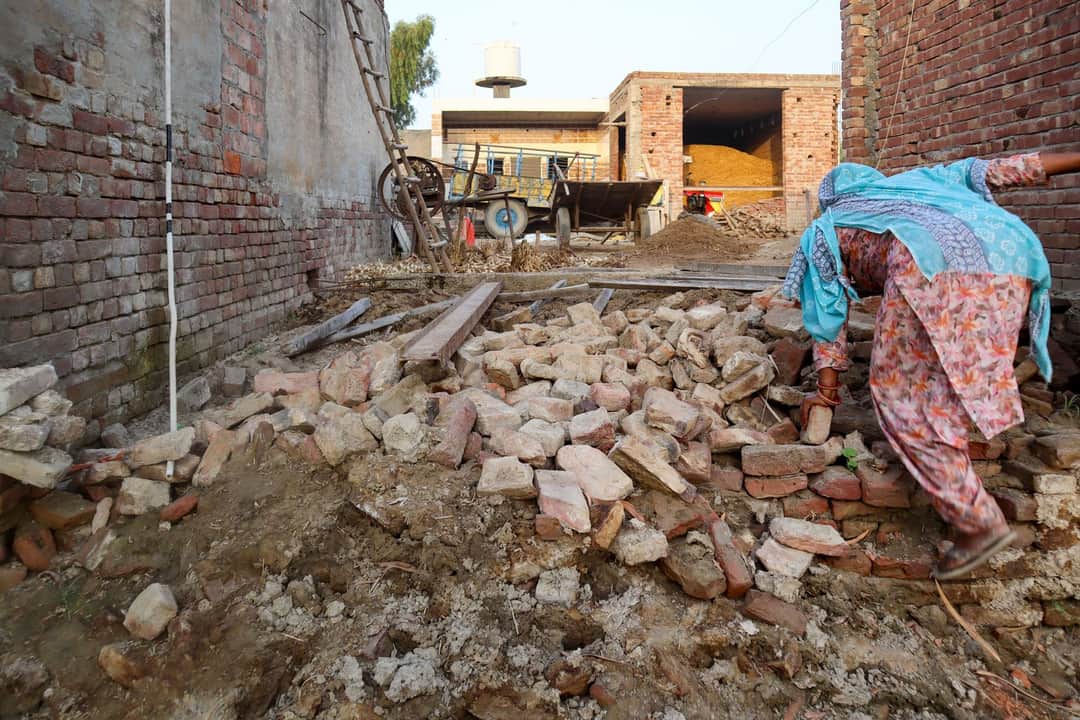
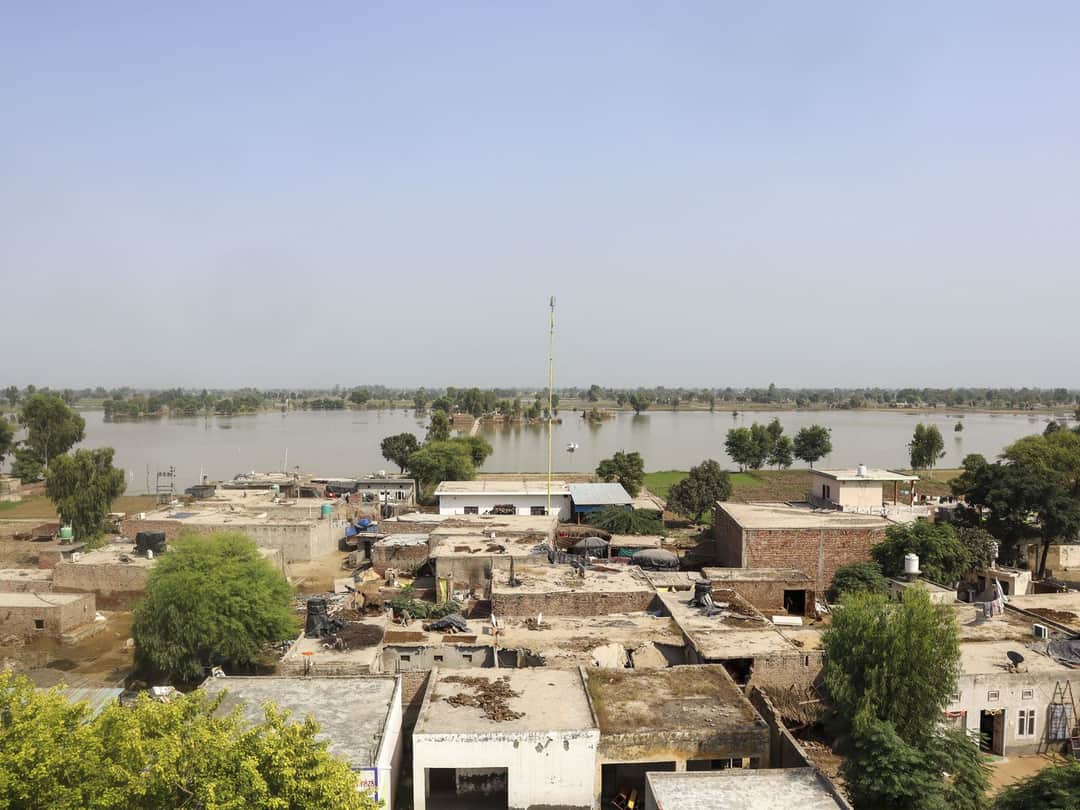
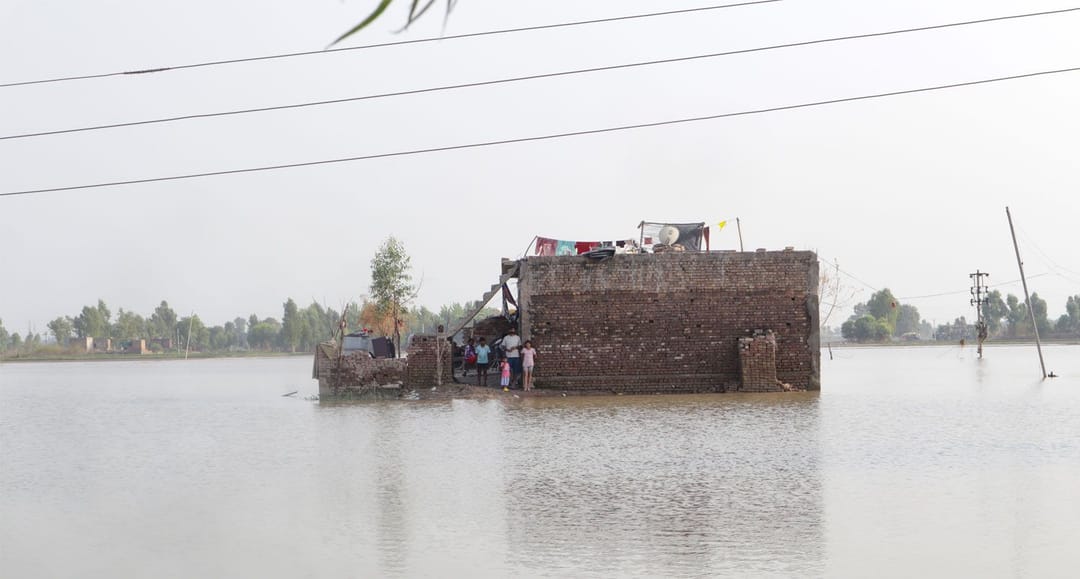
The floods killed at least 40 people across Punjab, swept away 7,161 livestock, and damaged over 14,000 houses and about 200,000 hectares of cropped land. “Jado pakkan tey aae audo harrh rul ke le gaya. [When the paddy was ready for harvest, the flood ruined it all],” says Ashok Singh, who, like Jasveer, is a farmer in Walle Shah Hithar, Fazilka district.
“I cannot sleep properly. If I wake up once, the whole night passes worrying,” the 40-year-old tells PARI. His family holds 10 acres just across the fencing where they had sown paddy. The entire plot was submerged. Produce from the land supports the family of 10.