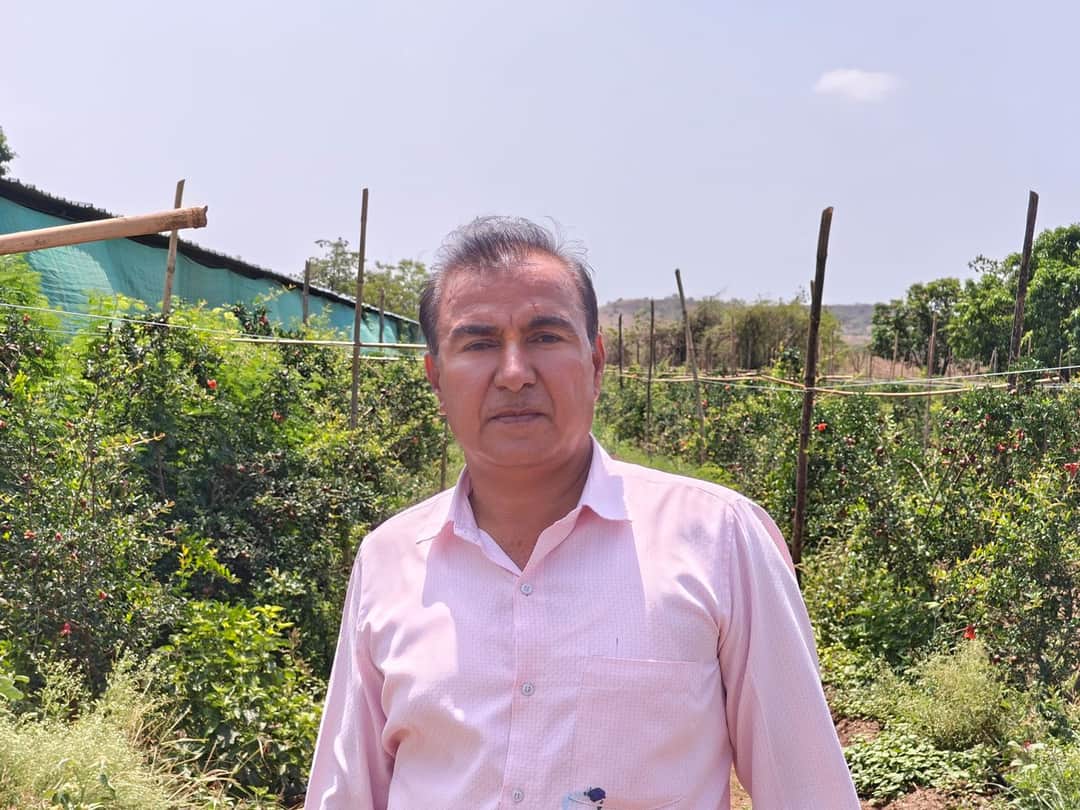

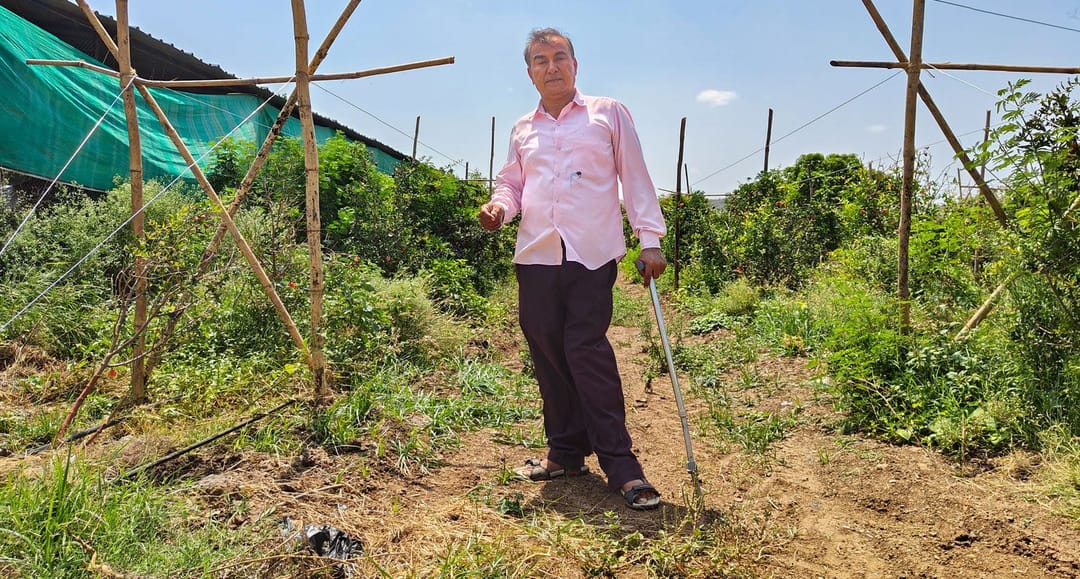
“I am like Thakur from Sholay.”
Ravindra Shinde’s impish smile suggests he is pleased with the analogy, comparing himself to Sanjeev Kumar’s character from the iconic Bollywood movie. But then he pauses. “I am probably luckier. He lost both his hands.”
Most others in his situation might have lost the spirit to carry on, let alone joke about their life. But Shinde, 47, retains a dark sense of humour.
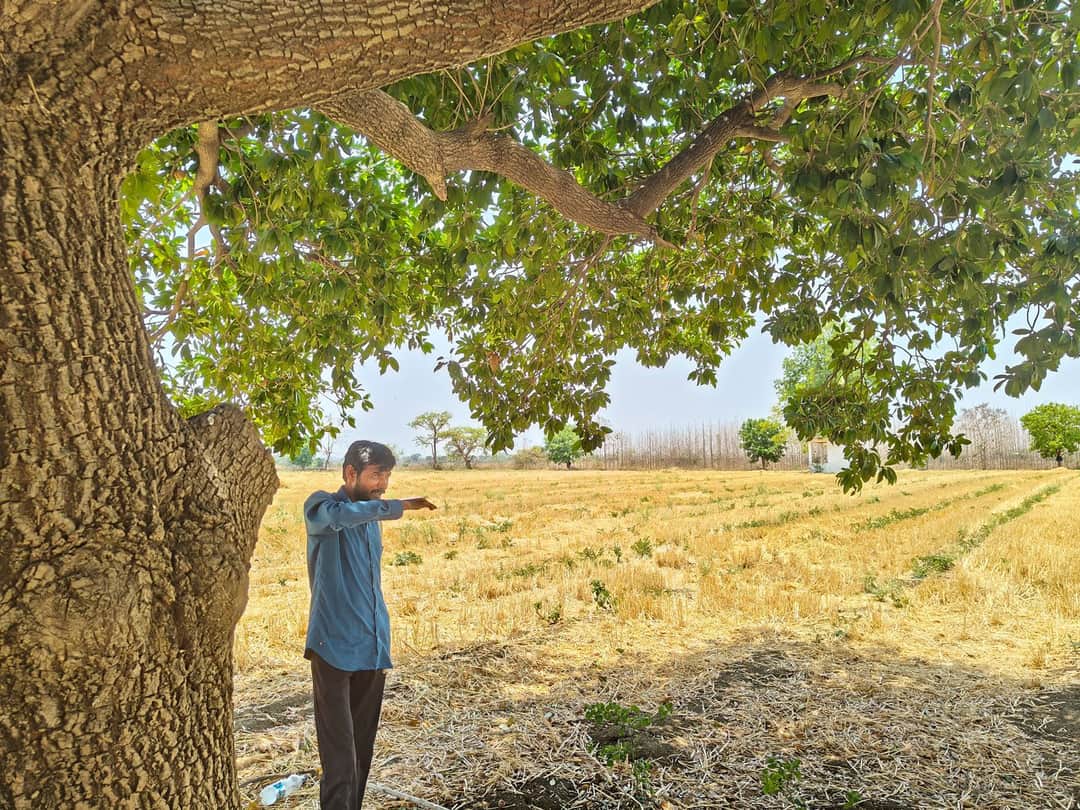
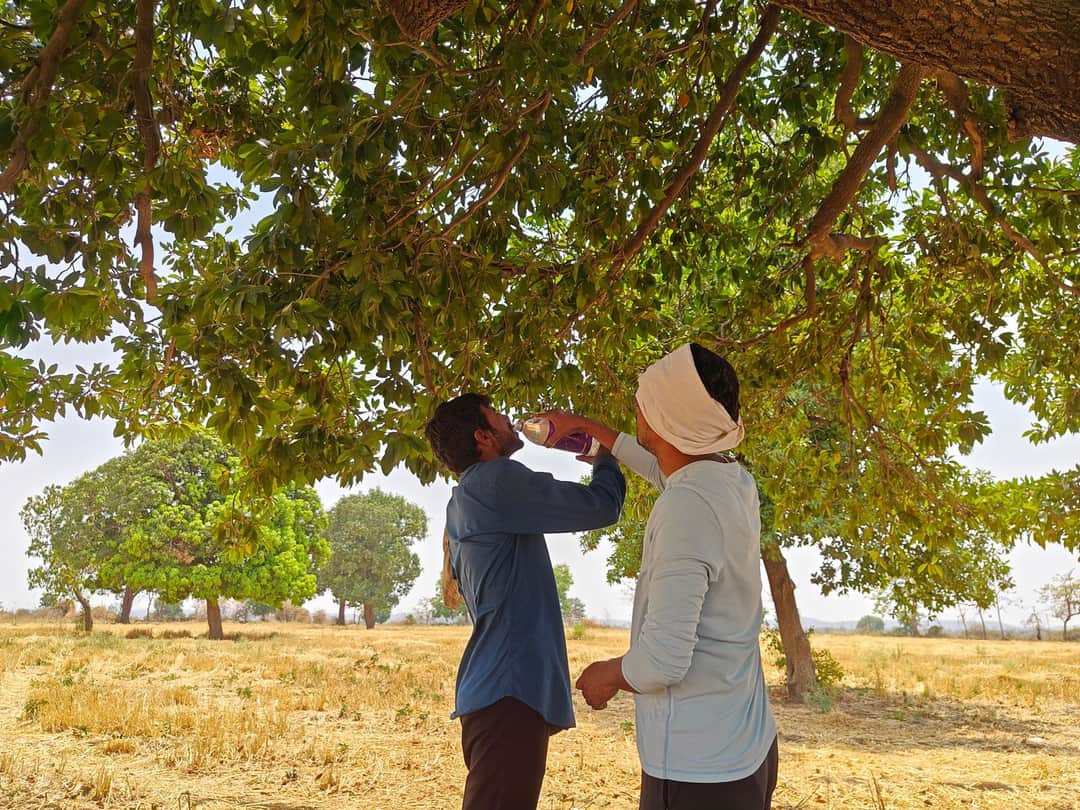
A farmer with 16 acres of land at Umri village in Maharashtra’s Yavatmal district, he has been dutifully cultivating it since he was in his teens. His entry into agriculture, unfortunately coincided with the beginning of an agrarian distress that has continued for decades.
His father could run their household with the income from farming, but by the time Shinde was married and had kids, it was a different story. Rising inflation, falling crop prices, and climate change-induced extreme weather events, such as prolonged droughts, led to mounting farm debts.
Maharashtra’s household agricultural income stands at a dismal Rs. 11,492 per month. The crisis is mirrored in the National Crime Records Bureau’s numbers – in 2024, India recorded 10,546 farm suicides. That is 29 suicides every day. Even this is a gross underestimation because data gathering on the ground often leaves out women, Dalits and Adivasis. On paper, most of them don’t own the land they cultivate. Therefore, their suicides are often not classified as “farm” suicides.
Maharashtra topped the list with 3,824 suicides, or 36 per cent of the total number. A large proportion of Maharashtra’s farm suicides are concentrated in Vidarbha. Shinde’s village is a part of that region, grappling with the challenges of the agrarian crisis.
But he had no idea that life was about to get even more difficult.