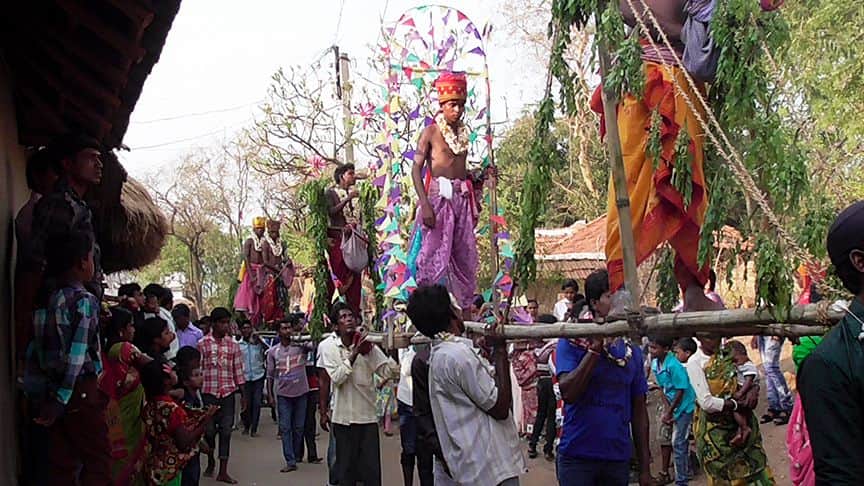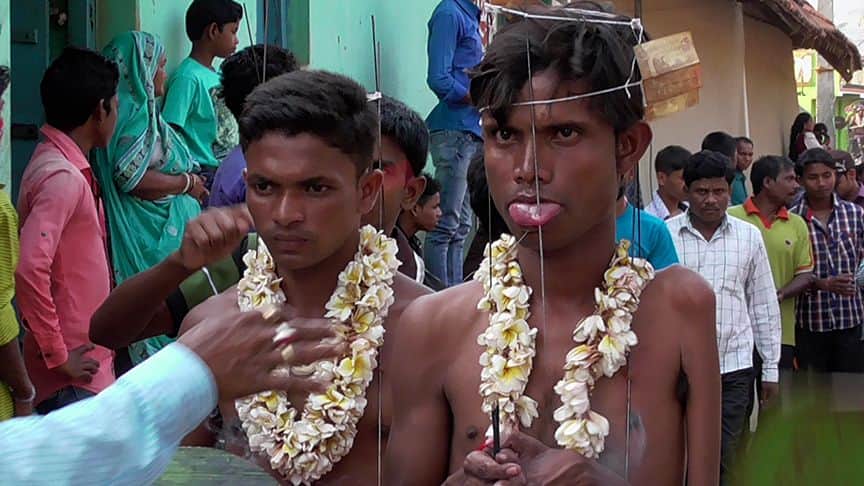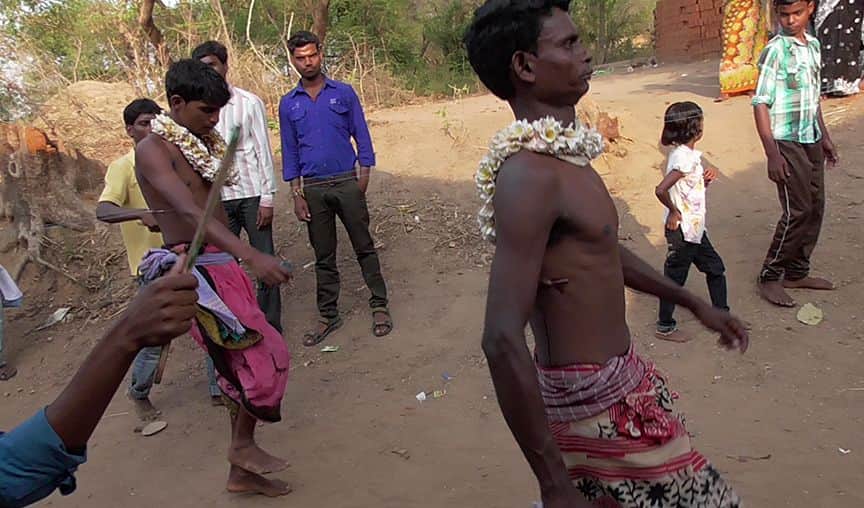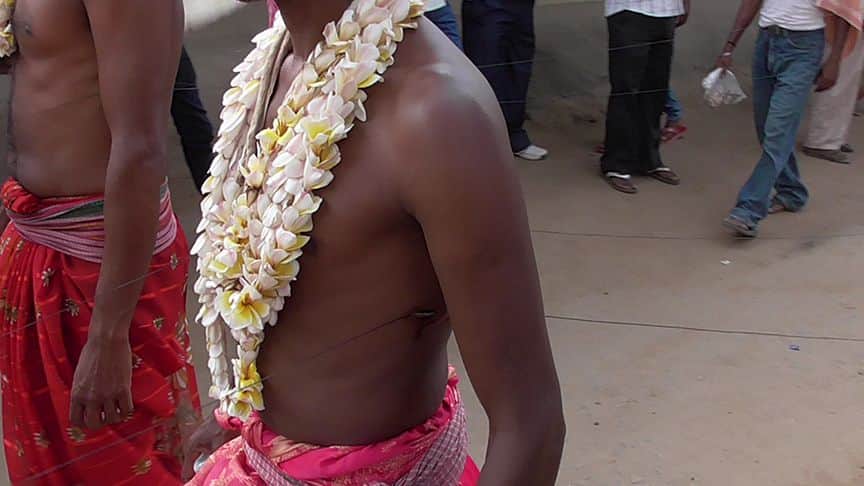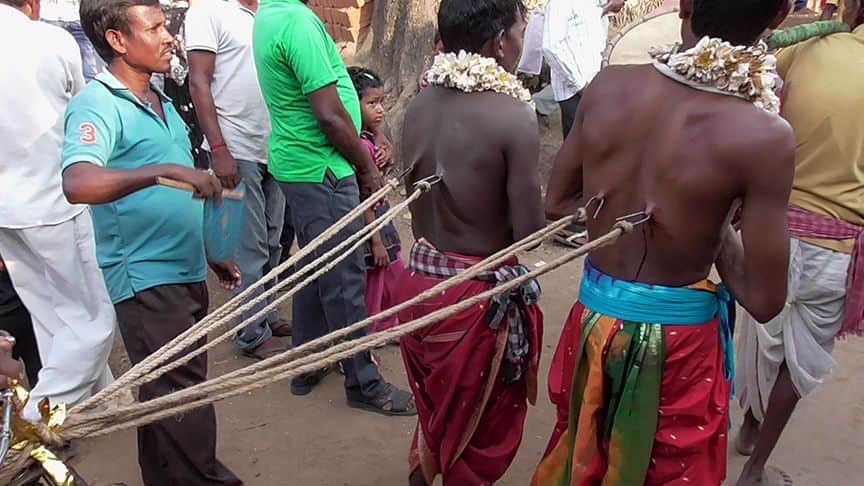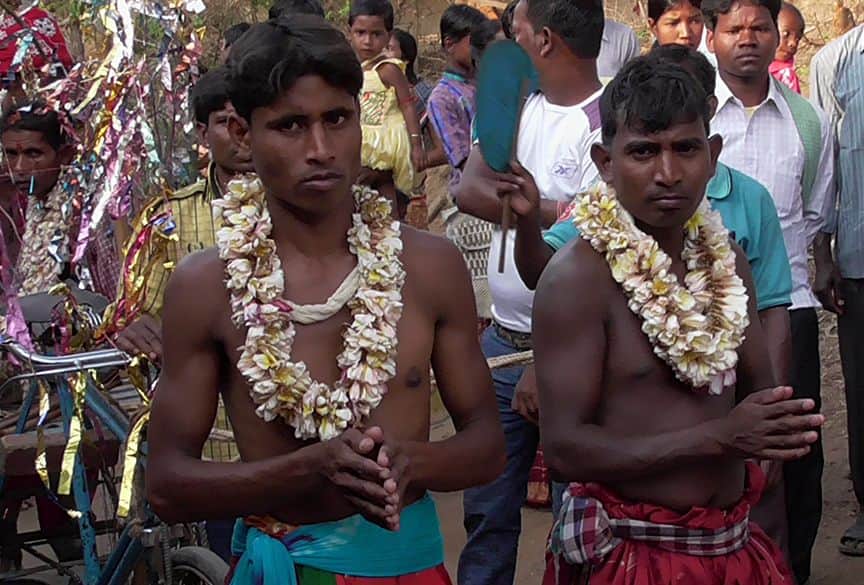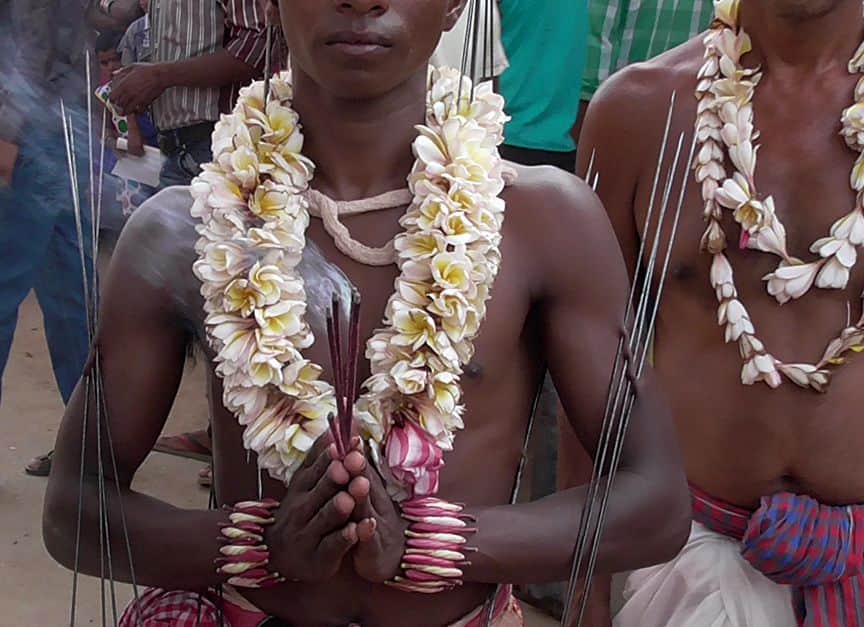

Gajan or Charak is a special kind of Shiva worship in West Bengal, traditionally held on Chaitra Sankranti, the last day of the month of Chaitra. By a happy coincidence, this day, April 14, is also the birthday of Babasaheb Ambedkar.
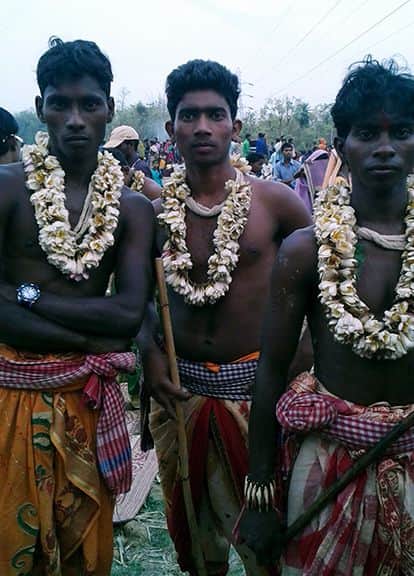
In Raghudihi village of Purulia district, where I observed this ritual, almost four-fifths of the worshippers were Bauris, an oppressed caste of Hindus, who also live in Bankura and Birbhum districts. The remainder of the bhaktyas, or devotees, were Sunrhi (brewer), Goyala (milkman), and Kumor (potter) by caste. All of these are lower-caste Hindus, although Mahishyas, the dominant peasant caste in the district of Midnapore, also observe the ritual.
As we shall see, this form of worship provides those of low castes, who are normally deprived, despised and discriminated against, with a rare opportunity to temporarily earn the respect of society by displaying their devotion to Shiva and their astounding capacity to bear pain.
All the devotees were young, mostly in their teens or 20s. The bhaktyas practice celibacy and fast for 15 consecutive days, not ingesting even a drop of water from the early morning to the evening. But at night they usually have some vegetarian food, in particular fruits and milk.
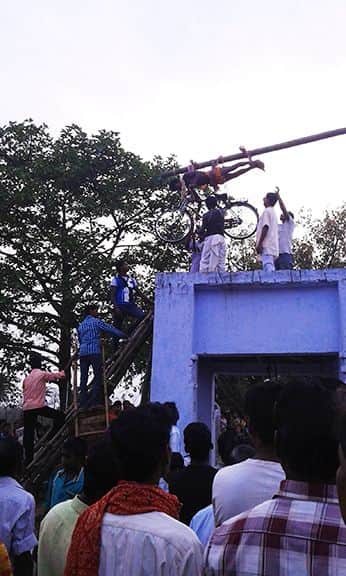
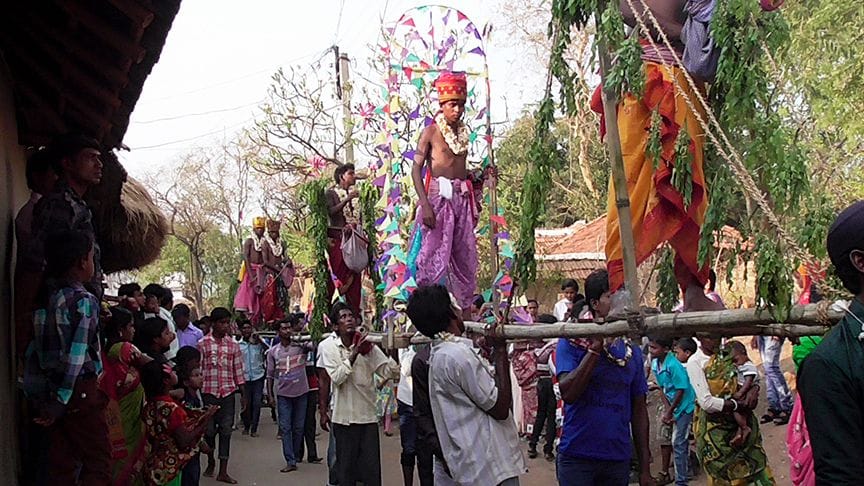
The Gajan was observed at about 3 p.m. on the afternoon on the last day of fasting, Chaitra Sankranti. From a secluded location outside the village, devotees walked in a procession or were carried on bamboo poles along a circuitous route to a field in front of the Shiva temple. There the Gajan climaxed with a demonstration of the powers that the worshippers had gained through their devotion to Shiva.