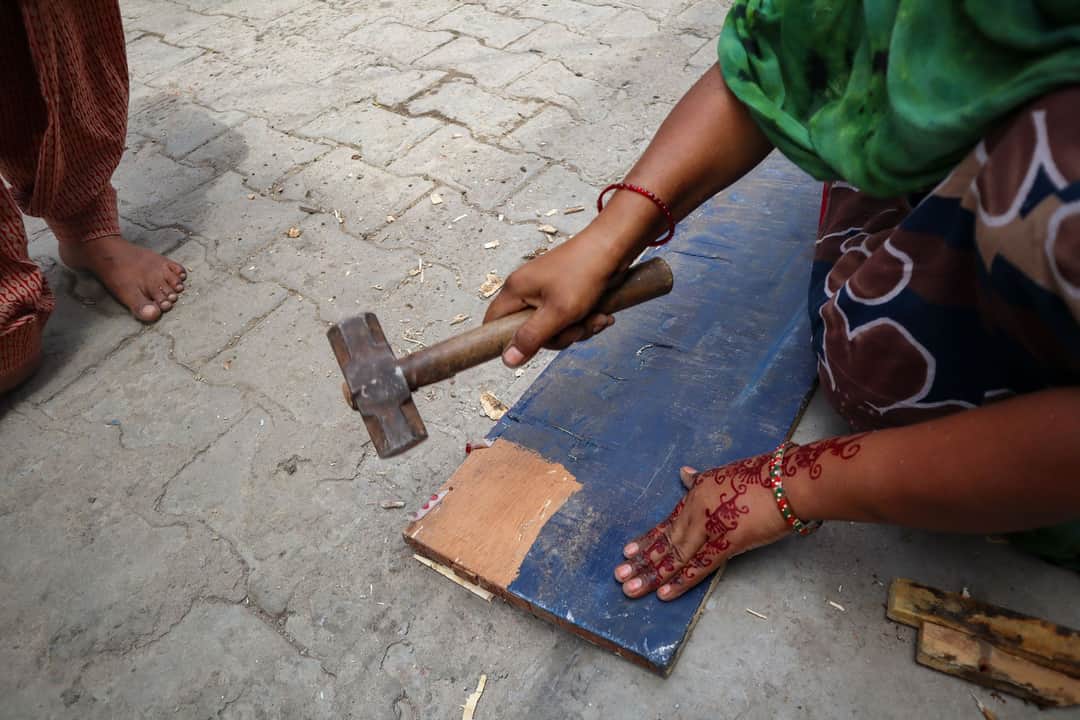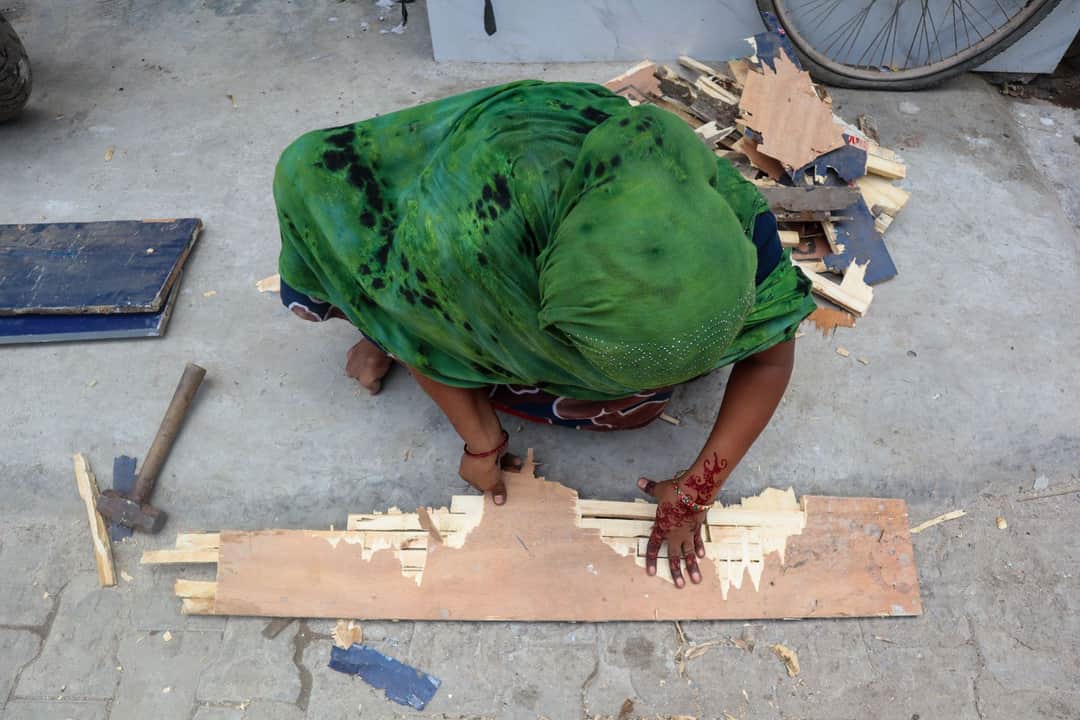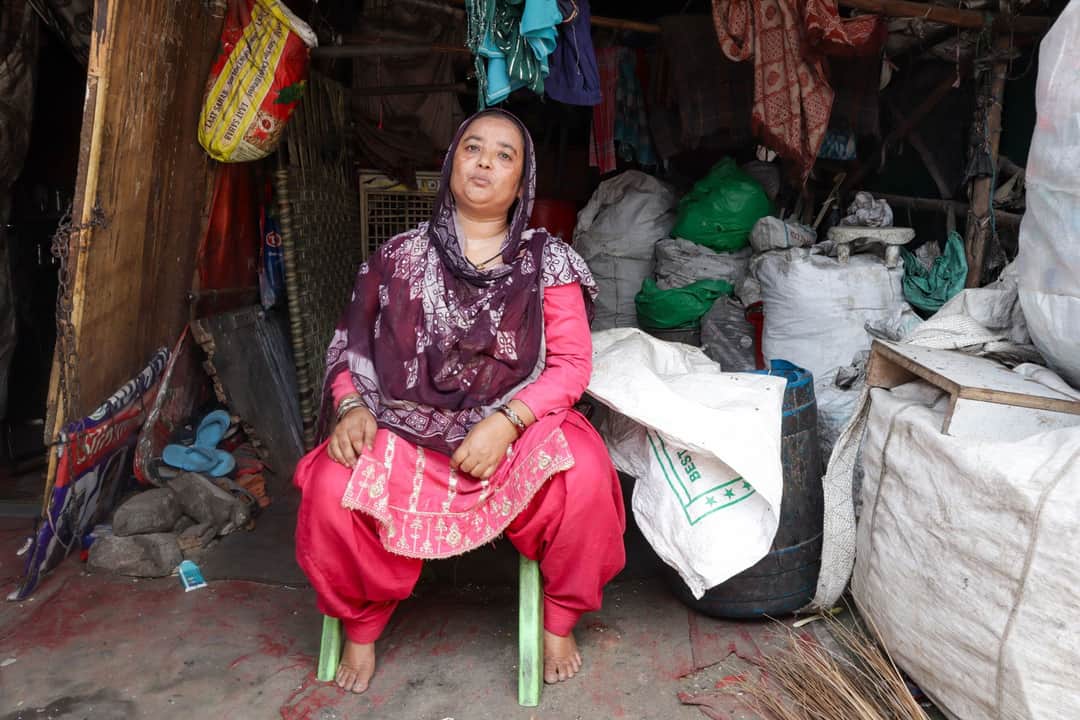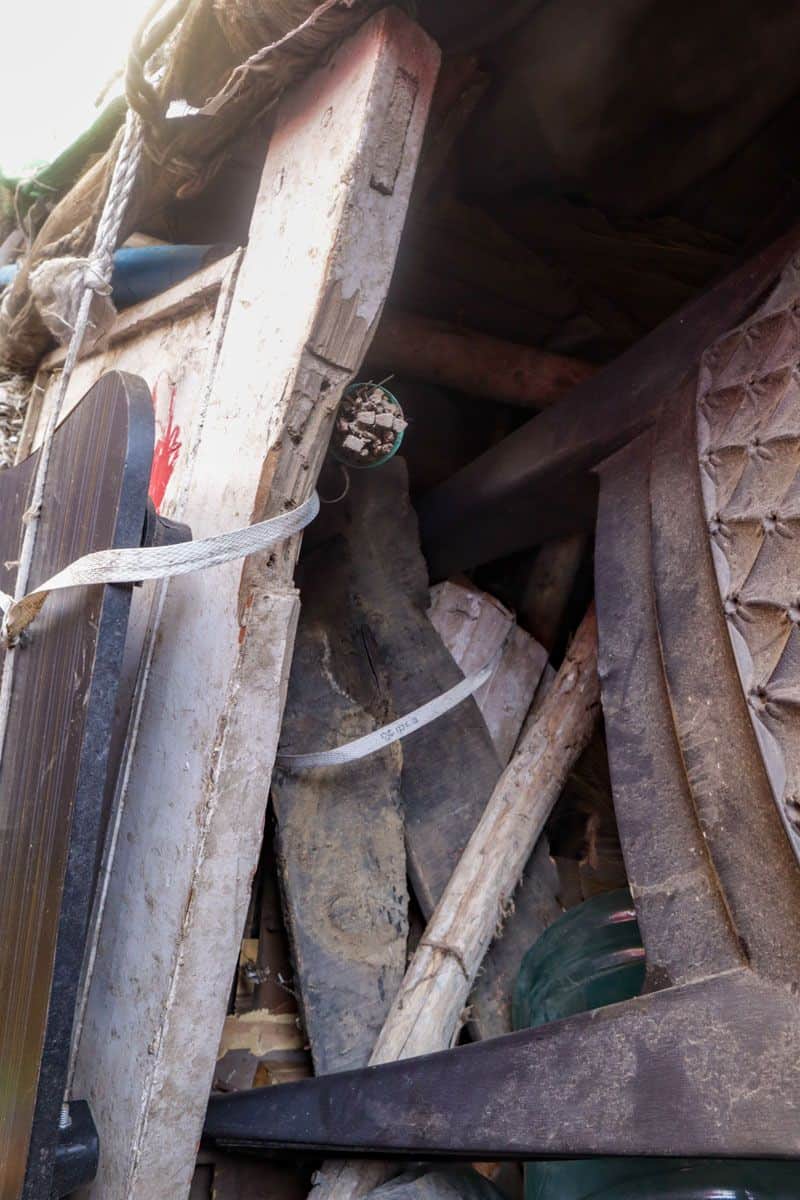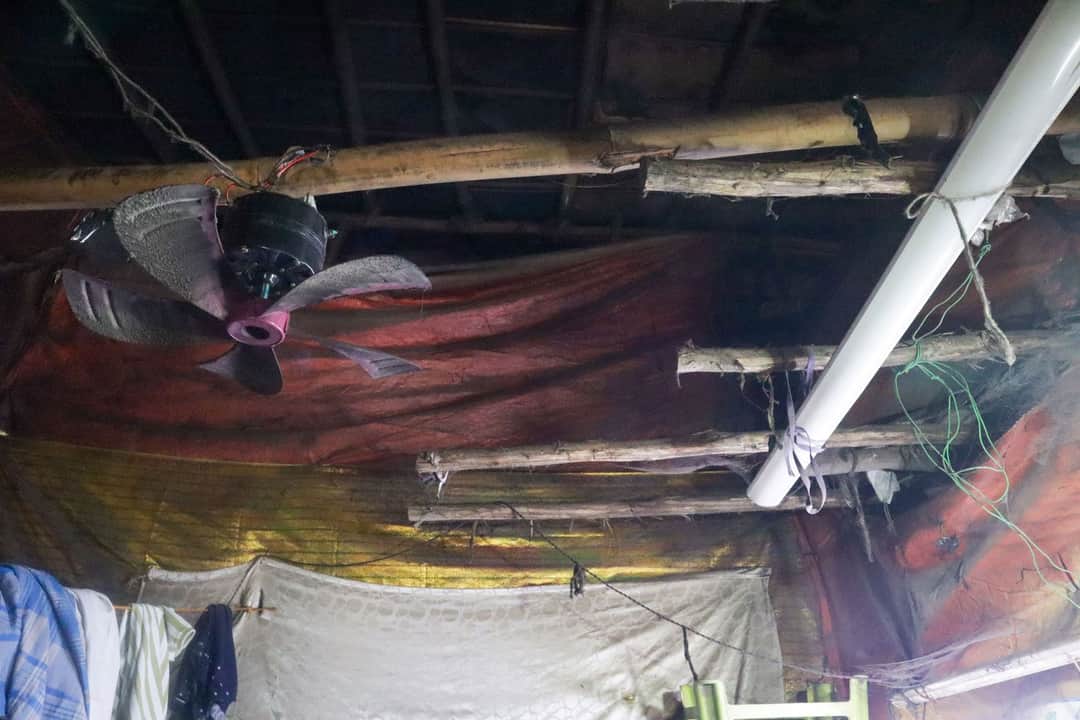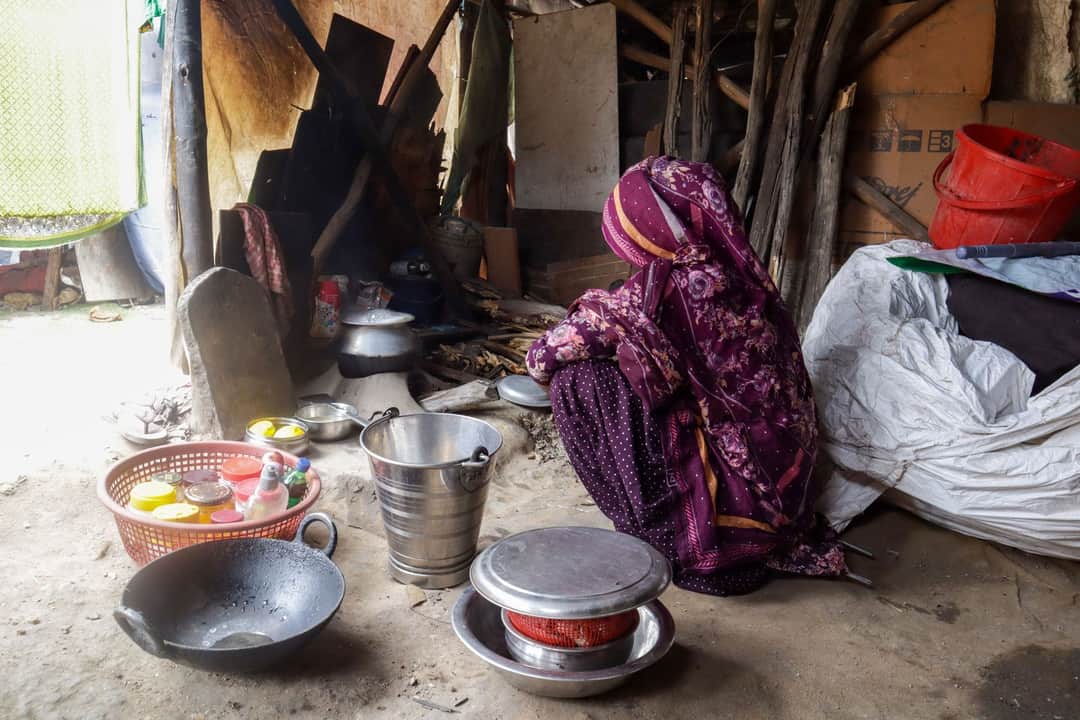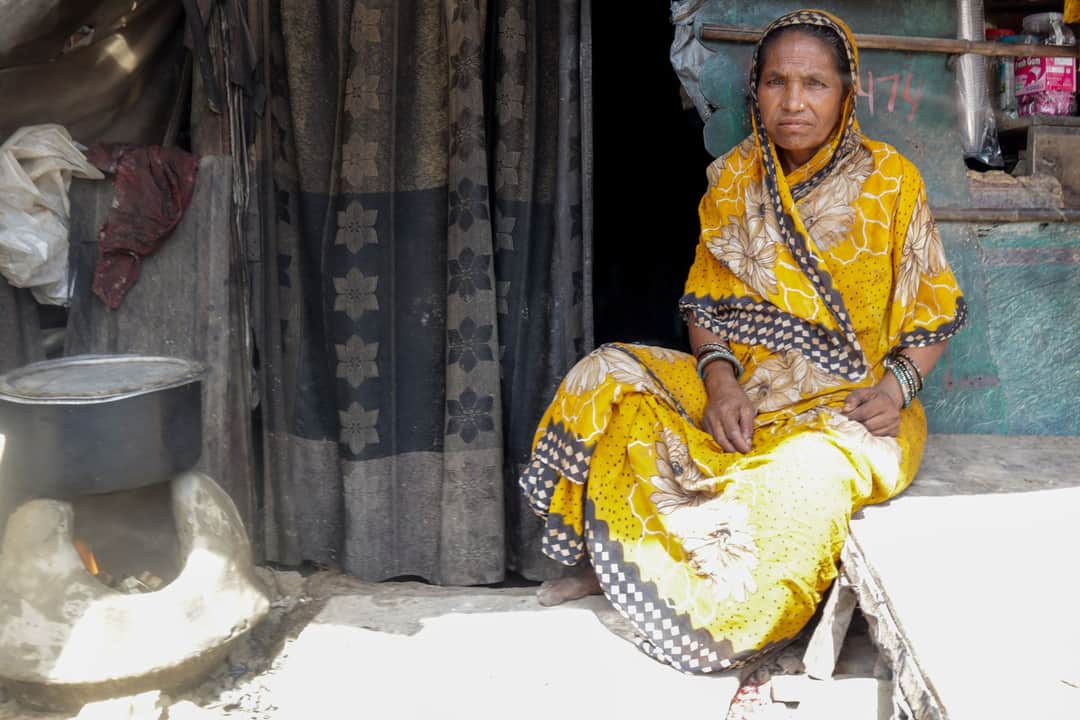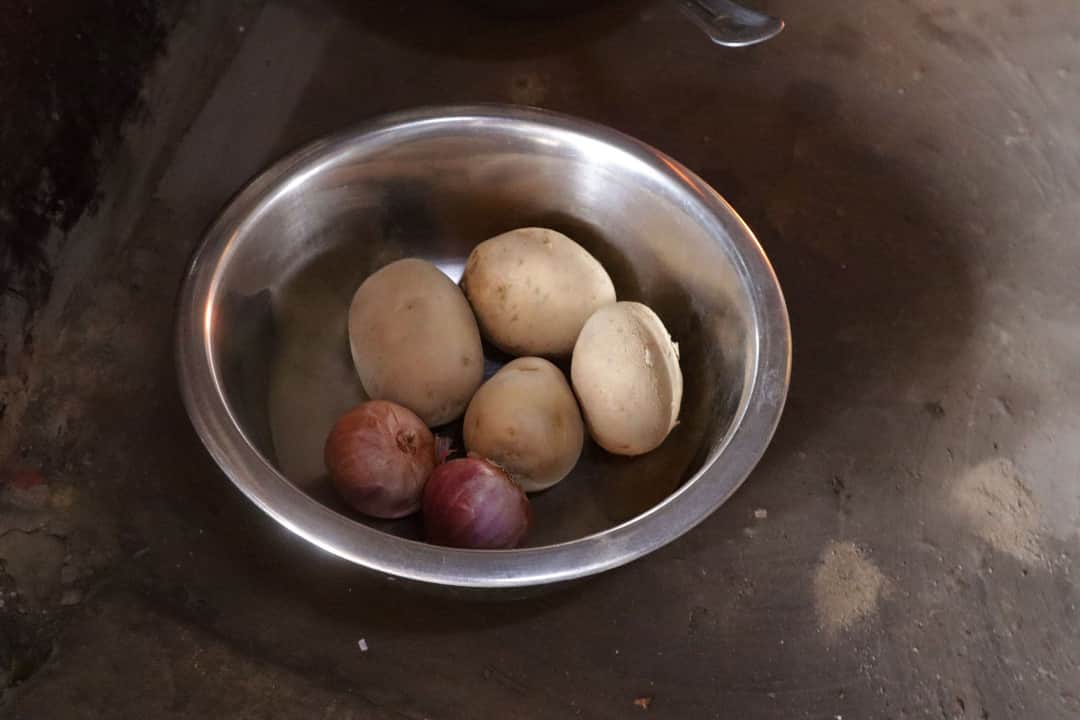

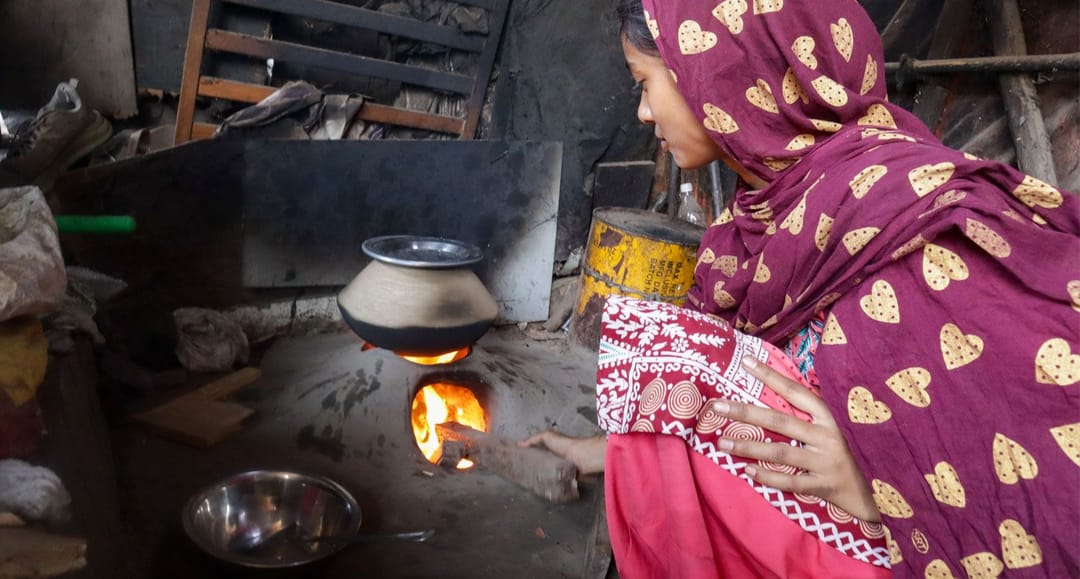
“Nobody sells the wood scraps they collect anymore,” says Rubina Bibi. “They keep it to fuel their own chulhas [stoves].” She is sitting outside her jhuggi (makeshift home), breaking up a plank that was once a door.
“Yeh do lag jayenge [It will take two such planks],” says Rubina, to feed her family of five. The price of liquified petroleum gas (LPG) has shot up since the US-Israel war on Iran began in February 2026. And a two-kilogram cylinder now costs Rs. 440 to 500 – more than double what they used to pay on the black market before the war.
For this family of waste pickers, wood scraps are now vital for cooking. In a week they may manage to collect five kilos, or “we buy wood for five rupees a kg,” says Rubina.
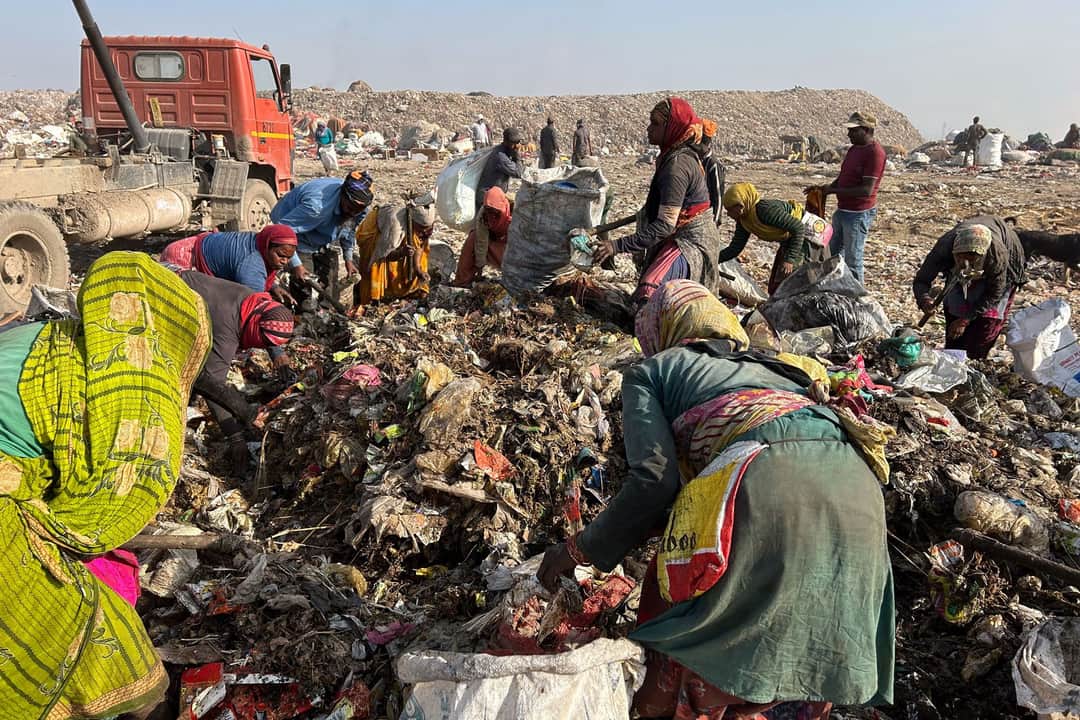
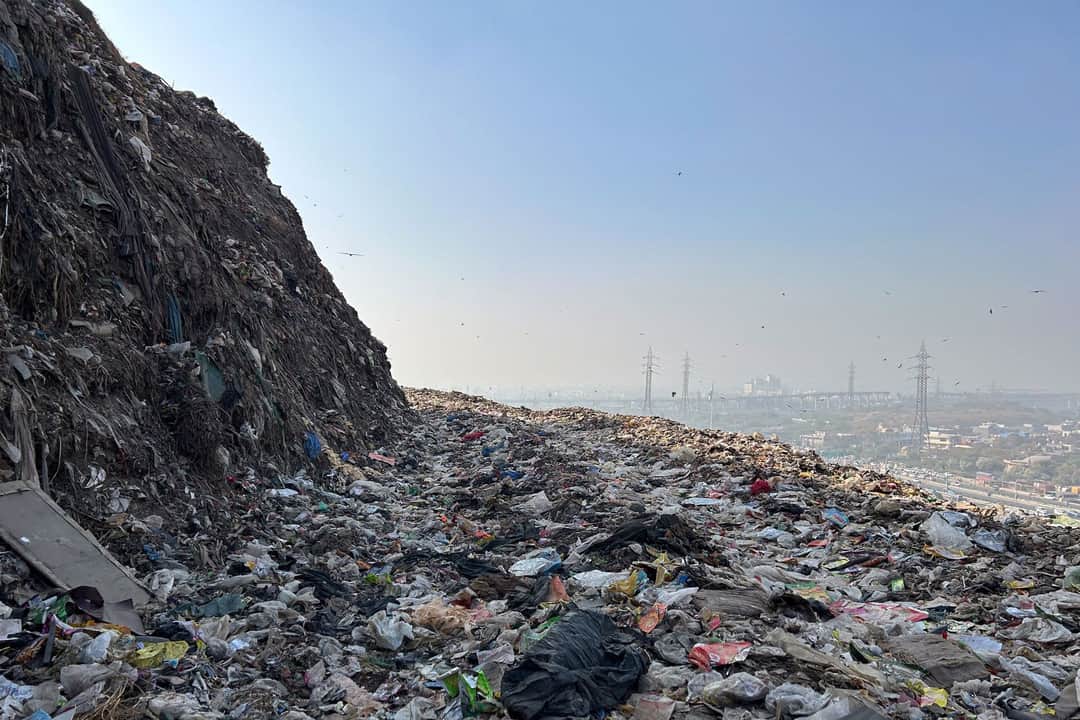
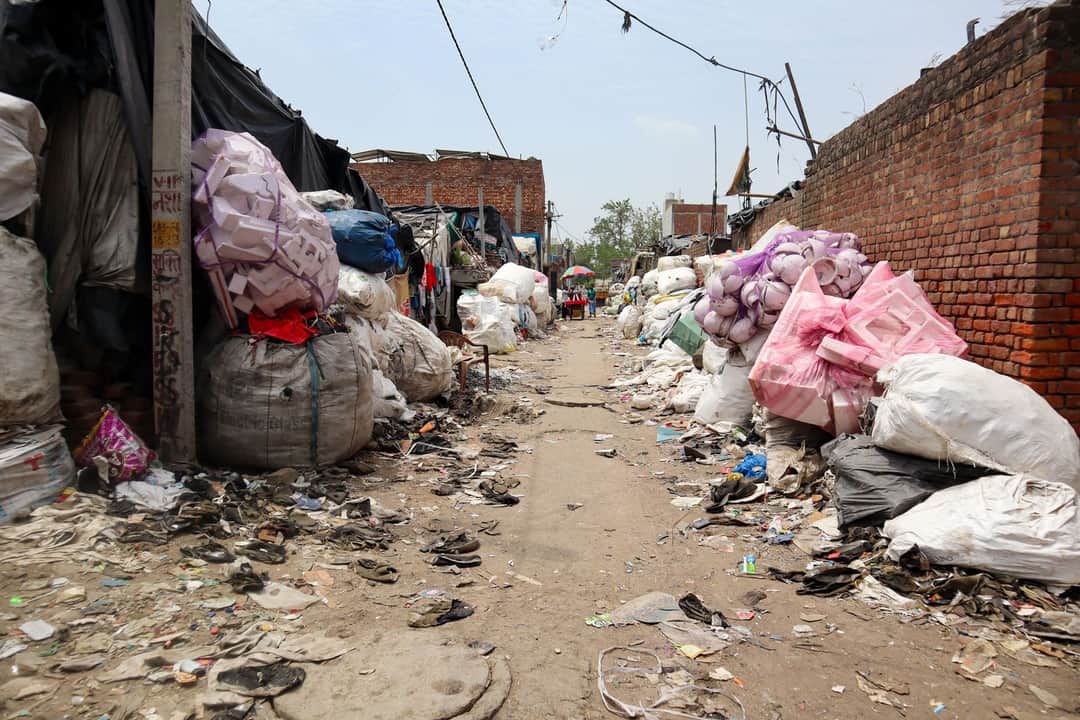
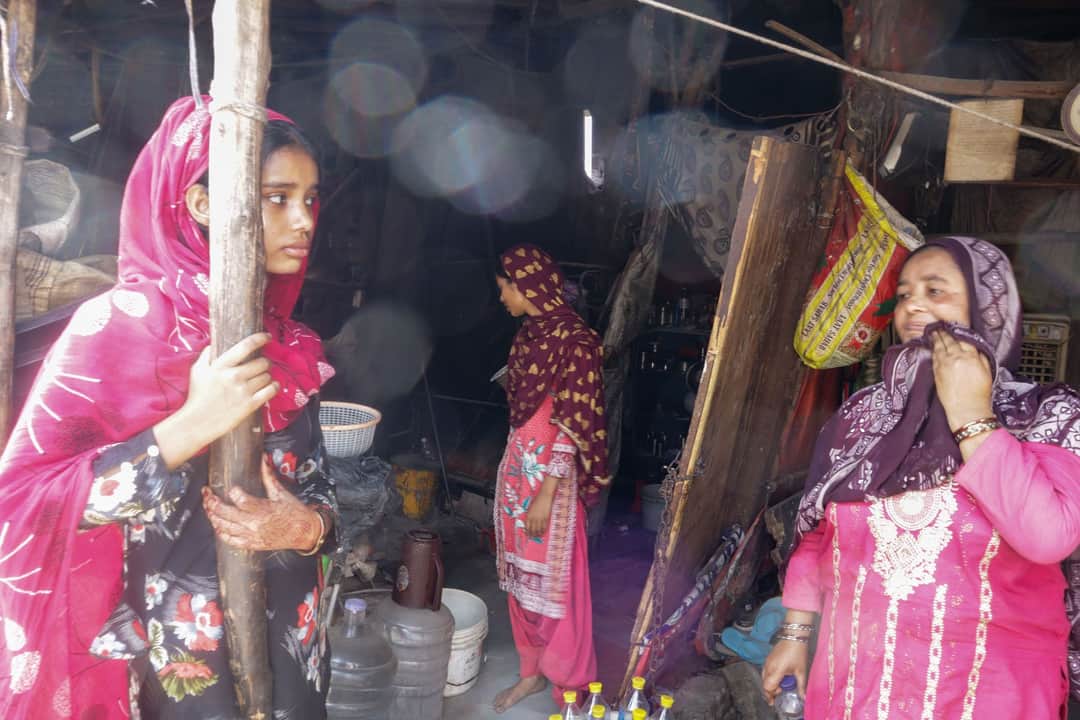
She lives in Bhalswa, northwest Delhi, in a community of waste pickers, almost all first and second-generation migrants from West Bengal’s Paschim Medinipur district. They live next to a towering landfill rising three-four stories high. The men collect waste from streets, residences and municipal dump sites. Women segregate plastic bottles, sachets, rubber, glass, thermocol and more, later sold to scrap dealers.