
Kader Ali will never speak to me now.
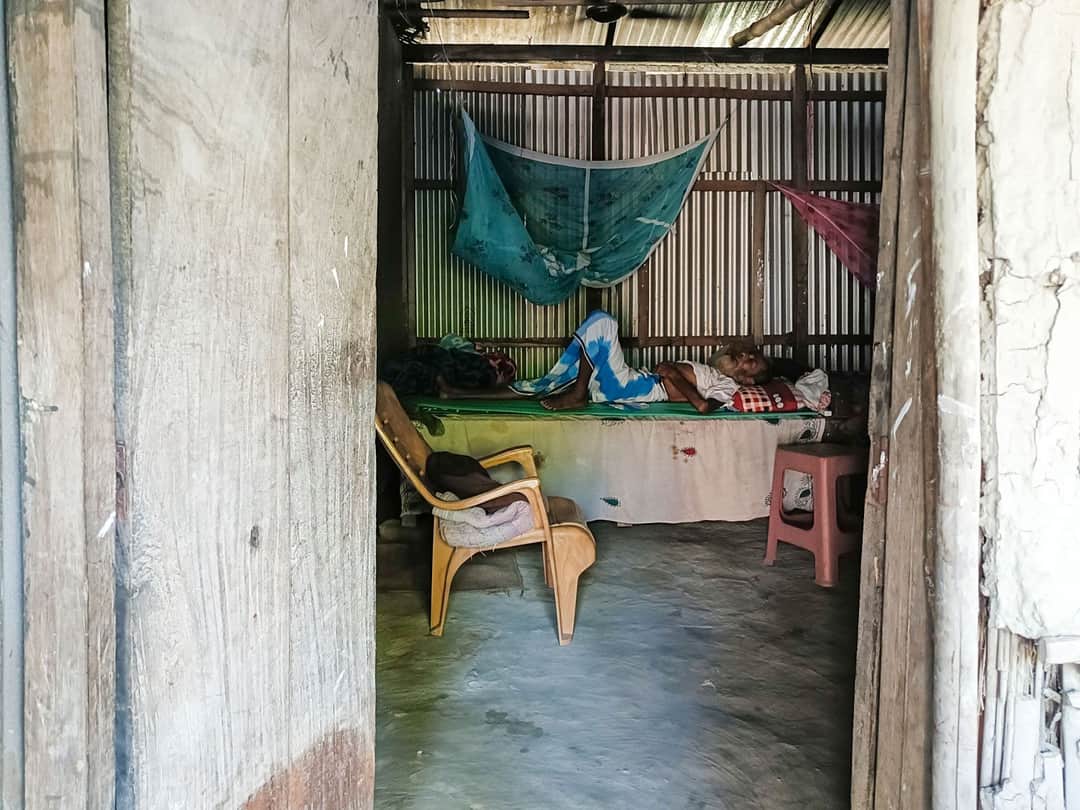
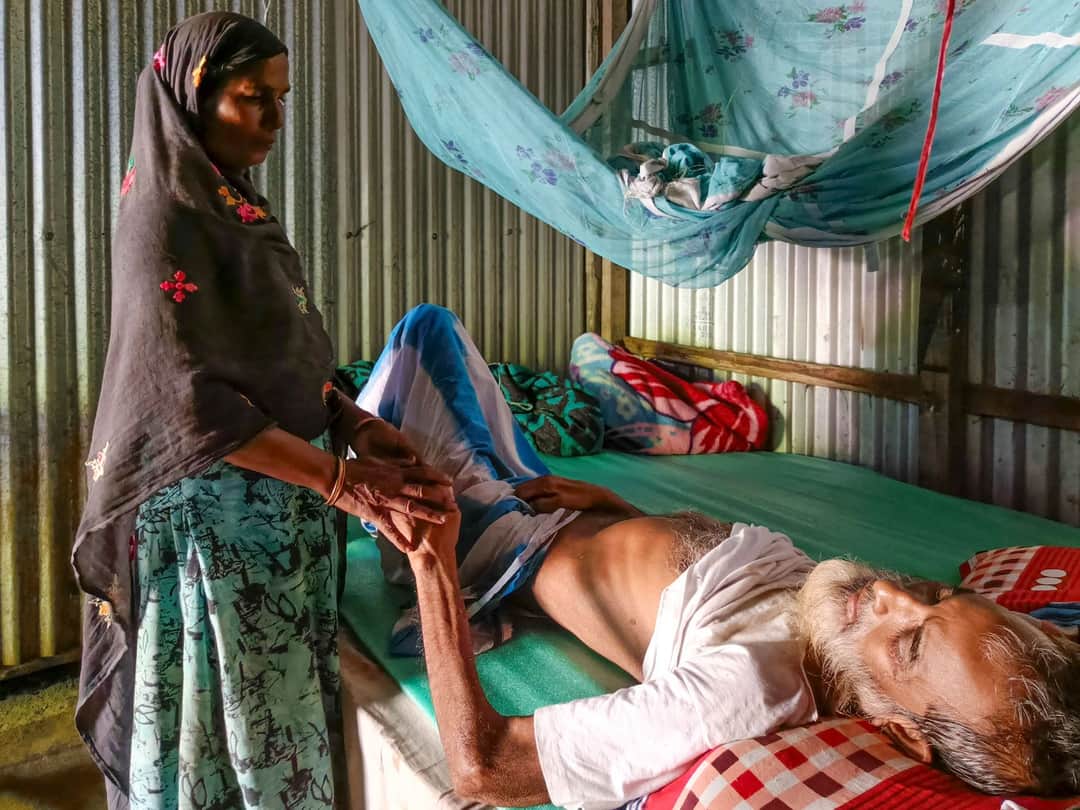
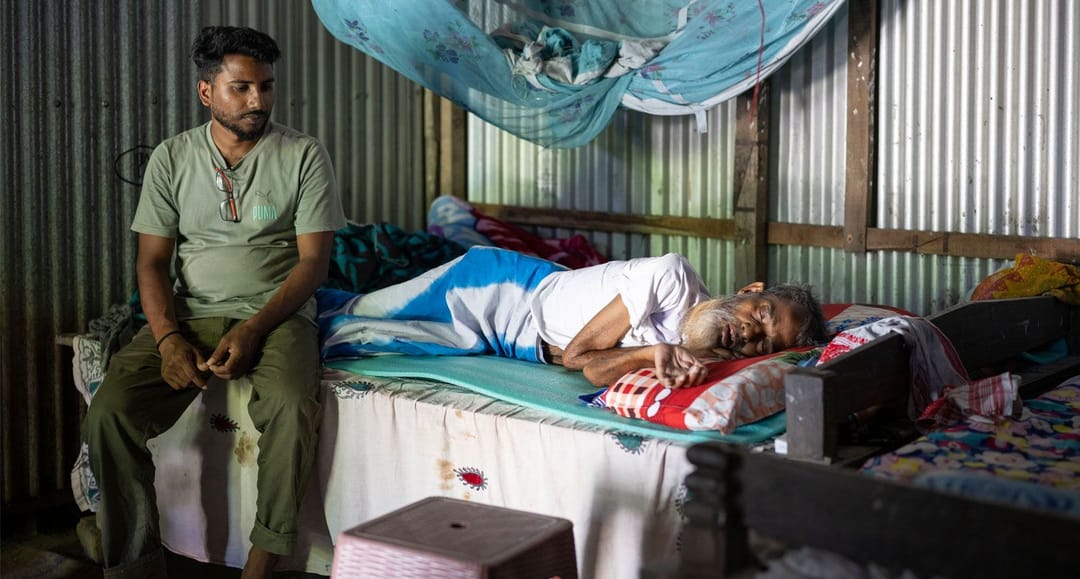
He hardly could the last time I met him, in November 2025. Only the feeble sound of a cough rattled inside his small house with a tin roof. Even the clucking of a rooster chasing some chickens in the front yard sounded ominous. Inside, a bedridden Kader was lying on a wooden cot, looking visibly worse.
Earlier he could walk without help, remember things from the past, and talk a little in his frail voice. But by November he was bedridden, his paralysis was worse, and he could barely move his hands. Kader was conscious though, still battling for life as bravely as he had for years now for his right to live in the land of his birth.
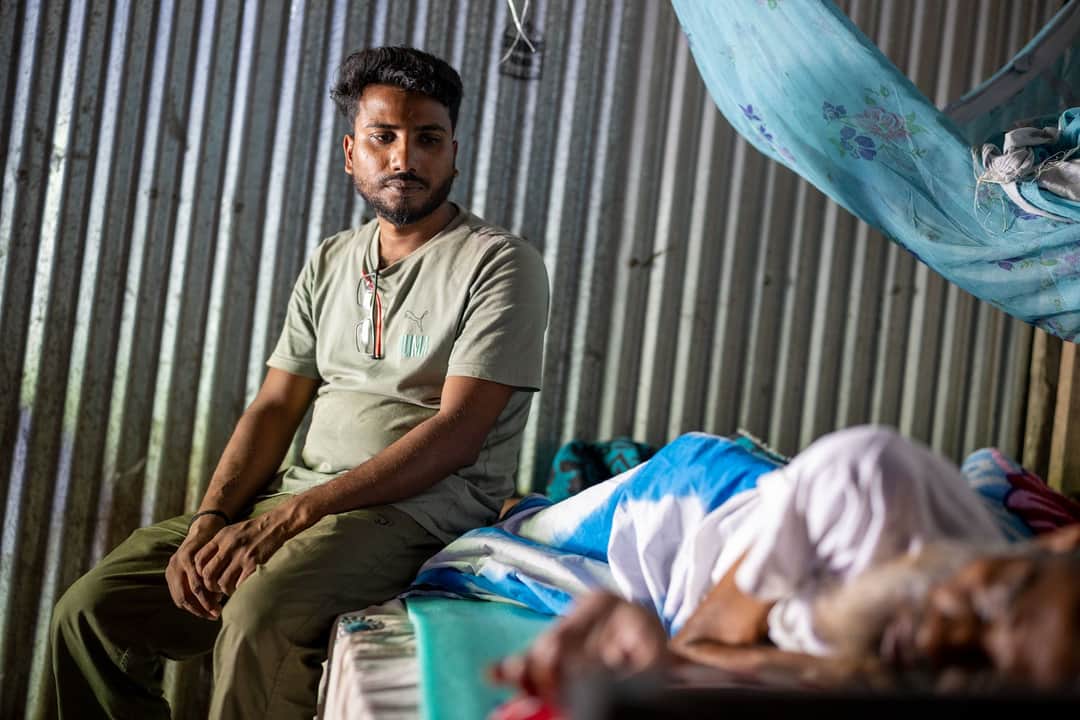
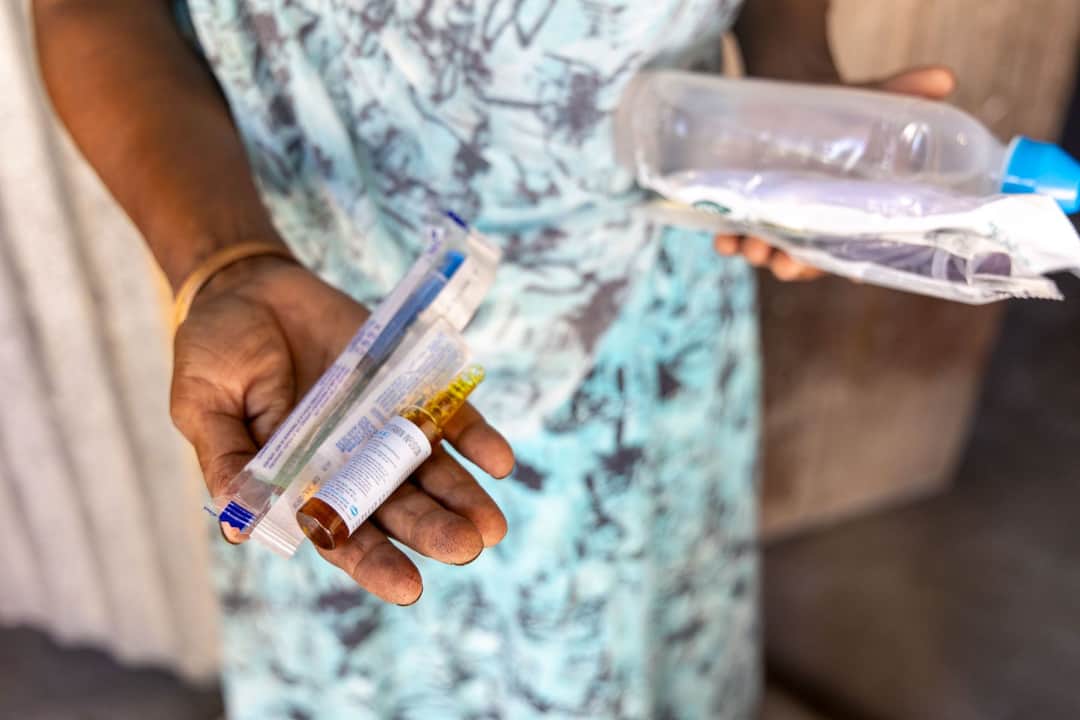
“Some fifteen days ago, he developed a fever and blood levels in his body were going down.” Kader’s 33-year-old son Shahidul Islam was speaking to us, standing at the verandah of their home in Assam’s Gamariguri village. “He can’t eat, talk or move now. We aren’t sure how long he will stay with us,” he said.
Kader was still conscious, with eyes wide open, as if holding on to some hope. Which, however, turned out to be as fleeting as the last rays of the sun that crept in via the only door and through a little crevice in his tin roof.
Within days of our visit, Kader was gone. It was November 18, 2025. He was 66.