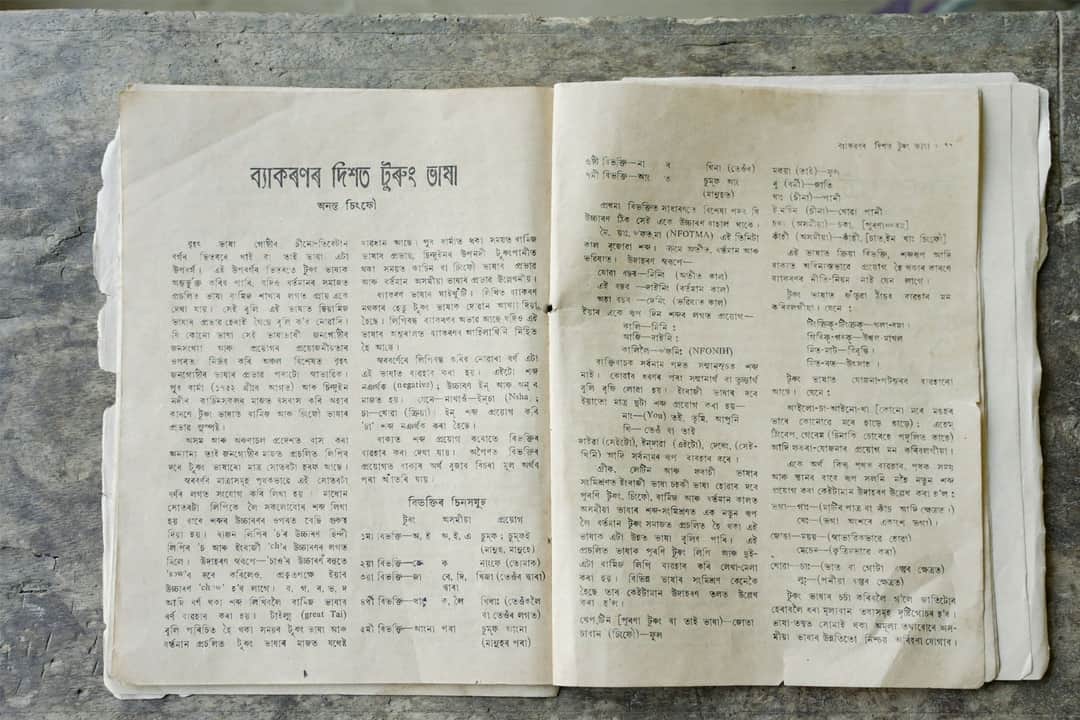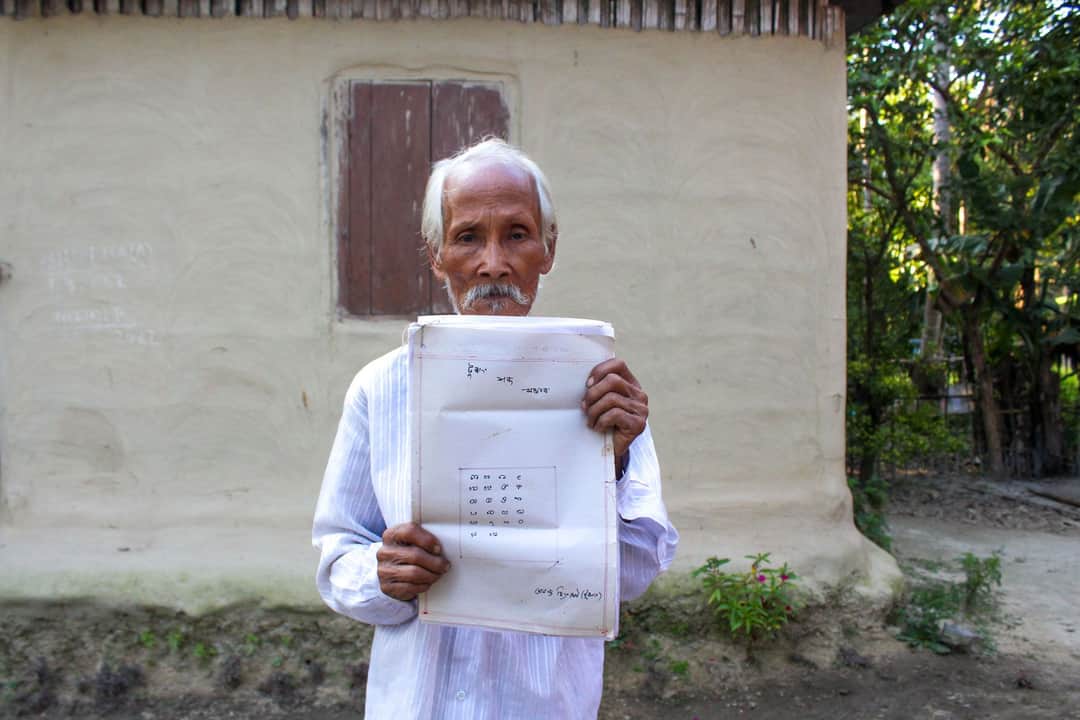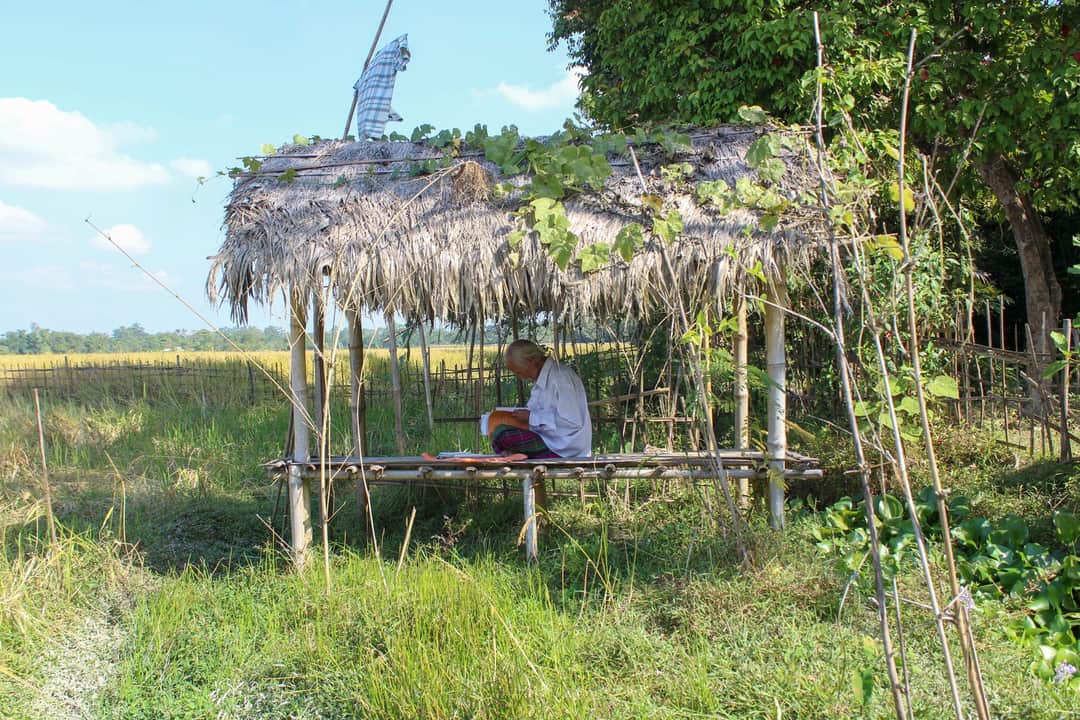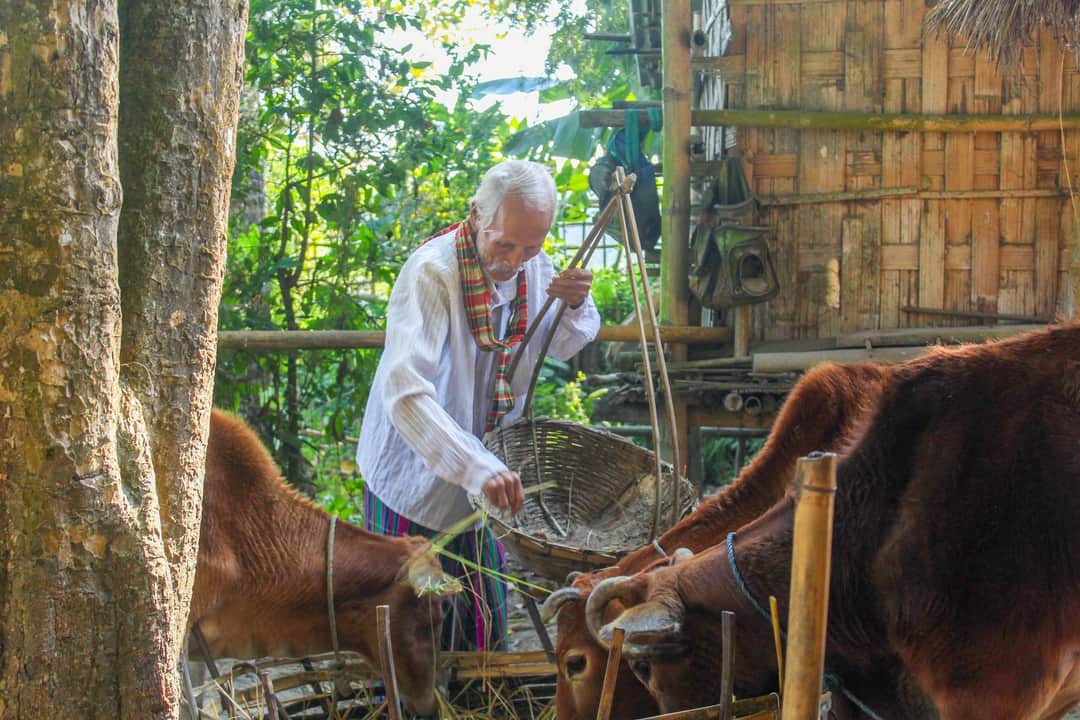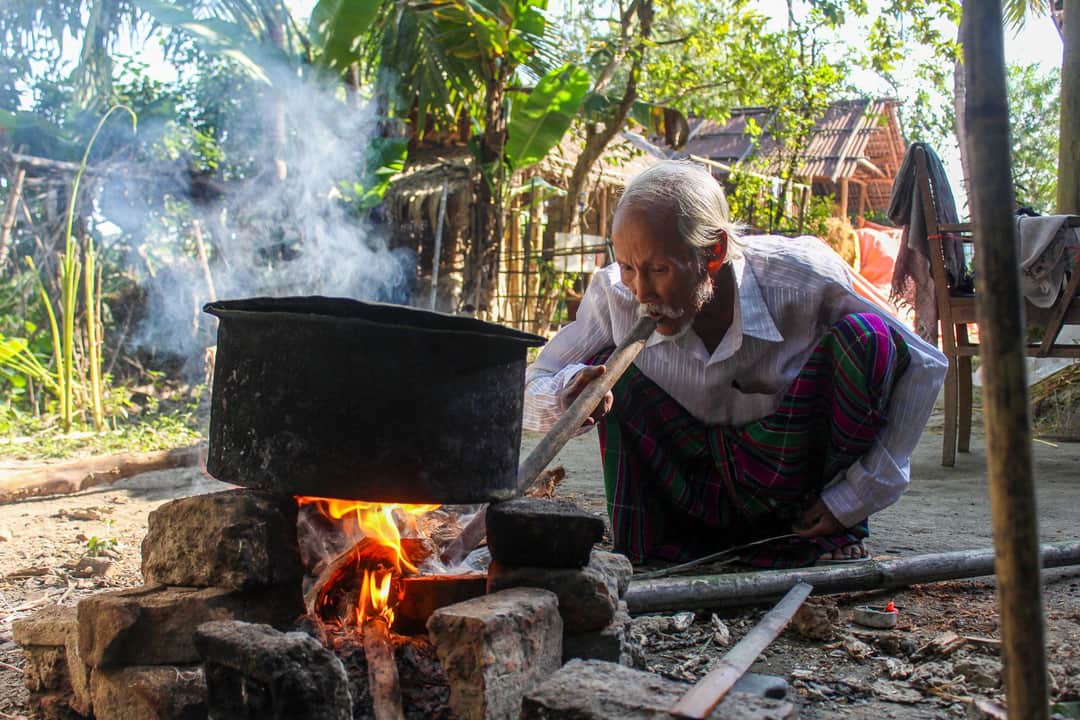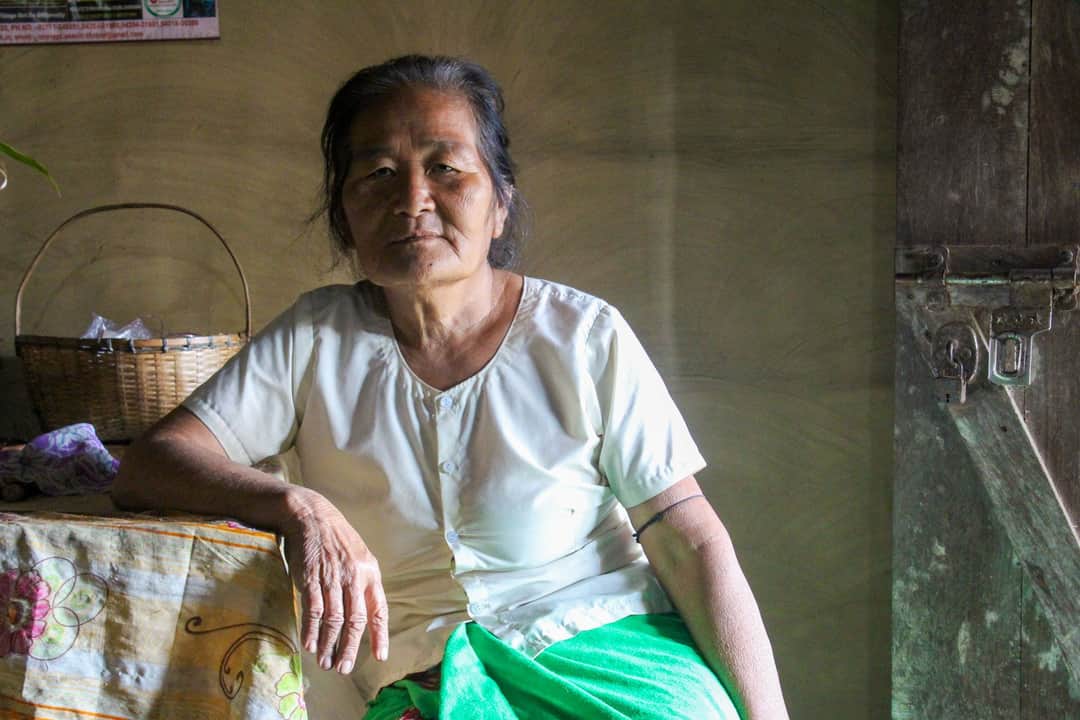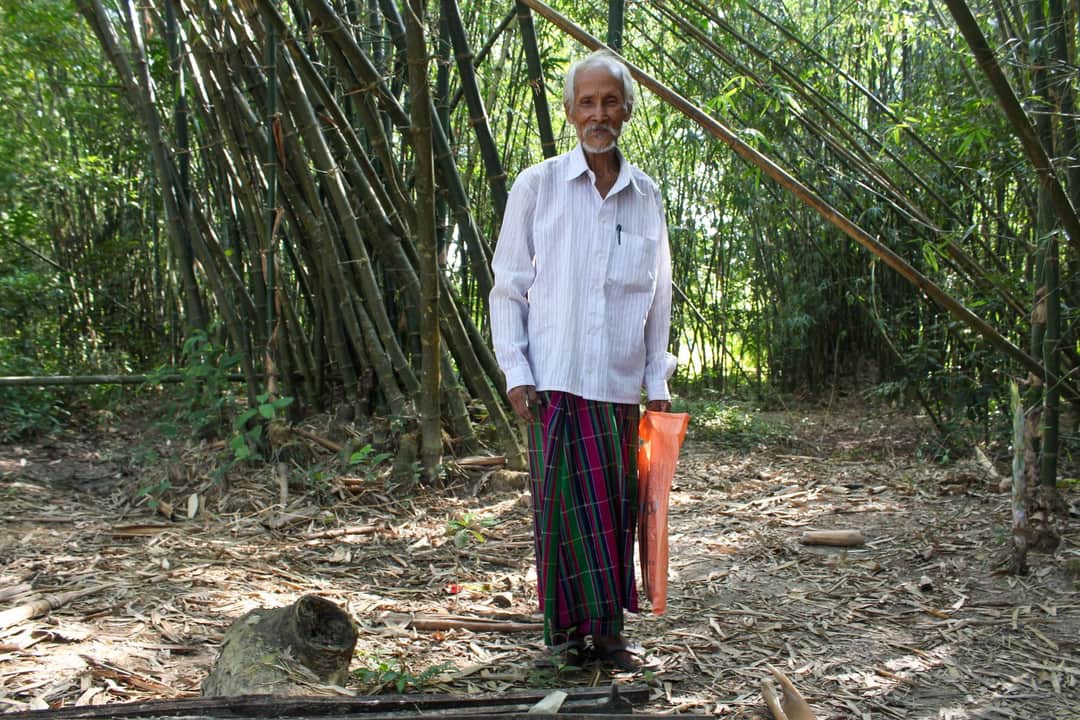

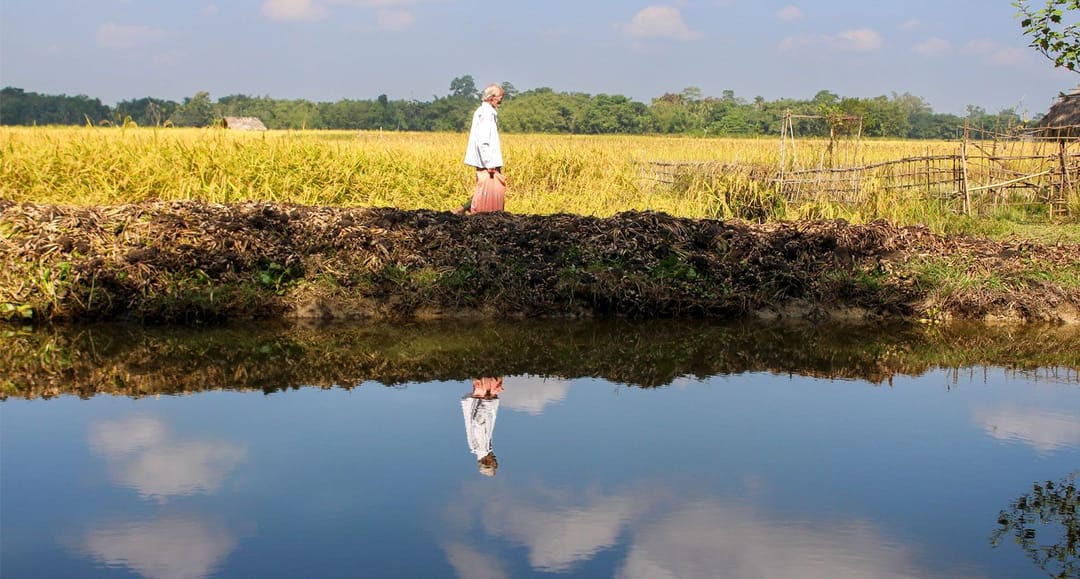
In Assam’s Jorhat district bordering Nagaland lies the quaint little Tai Turung village of Pohukotiya Shyam, known as Tipomia Habi gaon in the official records.* Winding old mud roads and rich vegetation dotted with traditional sang ghars (houses on stilts) with little gardens and weathered bamboo fences make up its pristine landscape. In the village lives a 77-year-old farmer, Ananta Turung, who is building a unique ‘granary of words’ in his mother tongue, Tai Turung.
"Language is like water, a flowing river – it’s not going to remain the same. But it shouldn't change all of a sudden and die," he says. And guided by this conviction, this marginal farmer has dedicated more than five decades to documenting his mother tongue. Researching the roots of his Turung tribe, collecting words, understanding the etymology, grammar, the impact of multiple migrations and cultural assimilation on the changing form and usage; and writing about these in books, magazines, and newspapers.
All at his own expense from the little income that he draws from the 5 bighas (1.6 acres) of land he owns. His more than 40 years of service in a venture school as an ‘unofficial’ teacher and administrator never brought him a salary. By the time the government aid grant finally came, and he was entitled to a clerk’s salary, he was just three months away from retirement. But nothing came in the way of his mission to save his language.