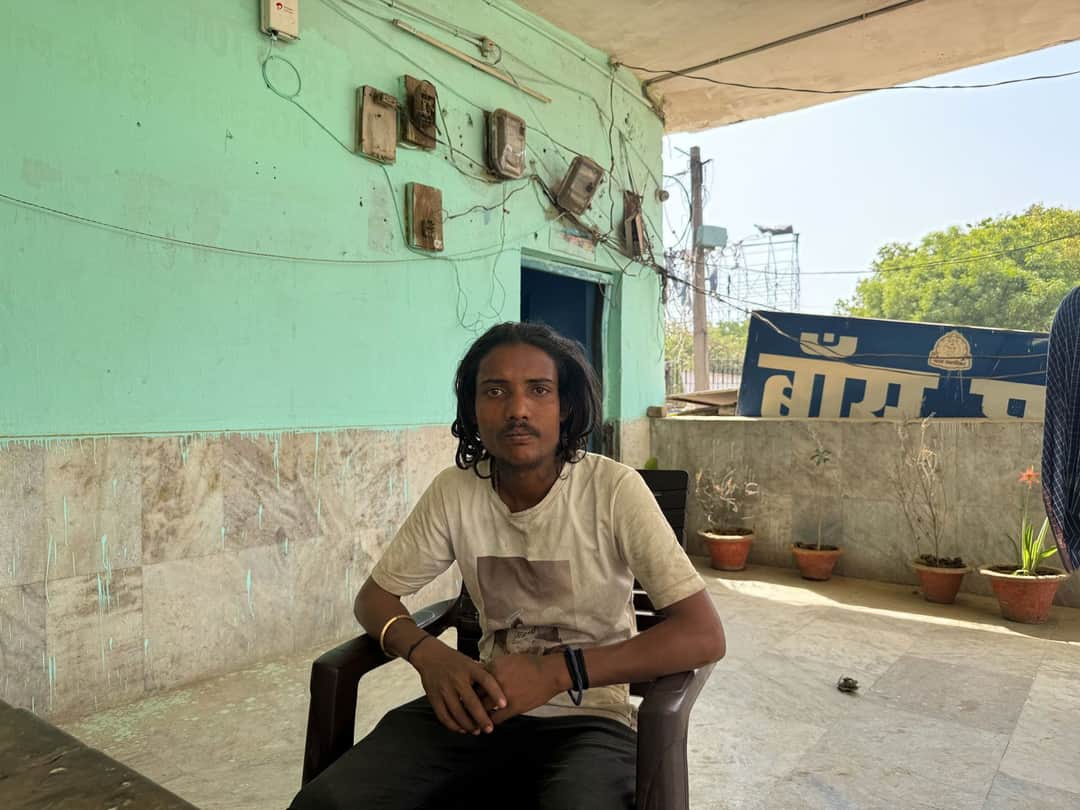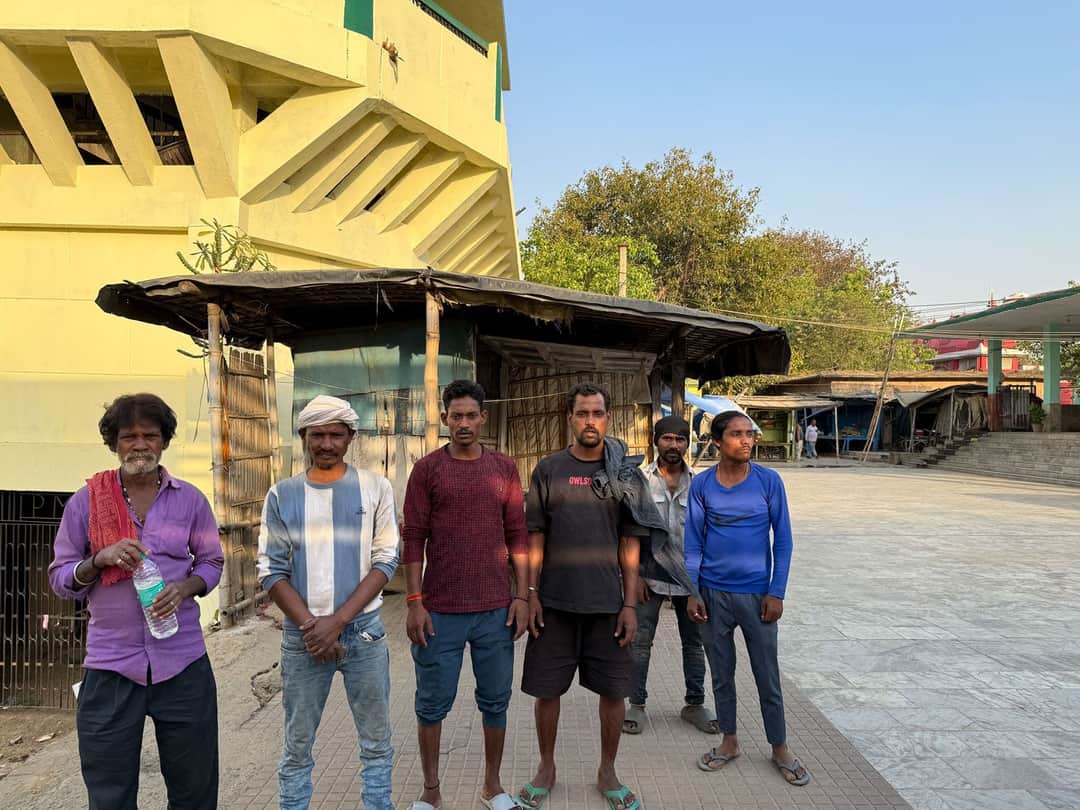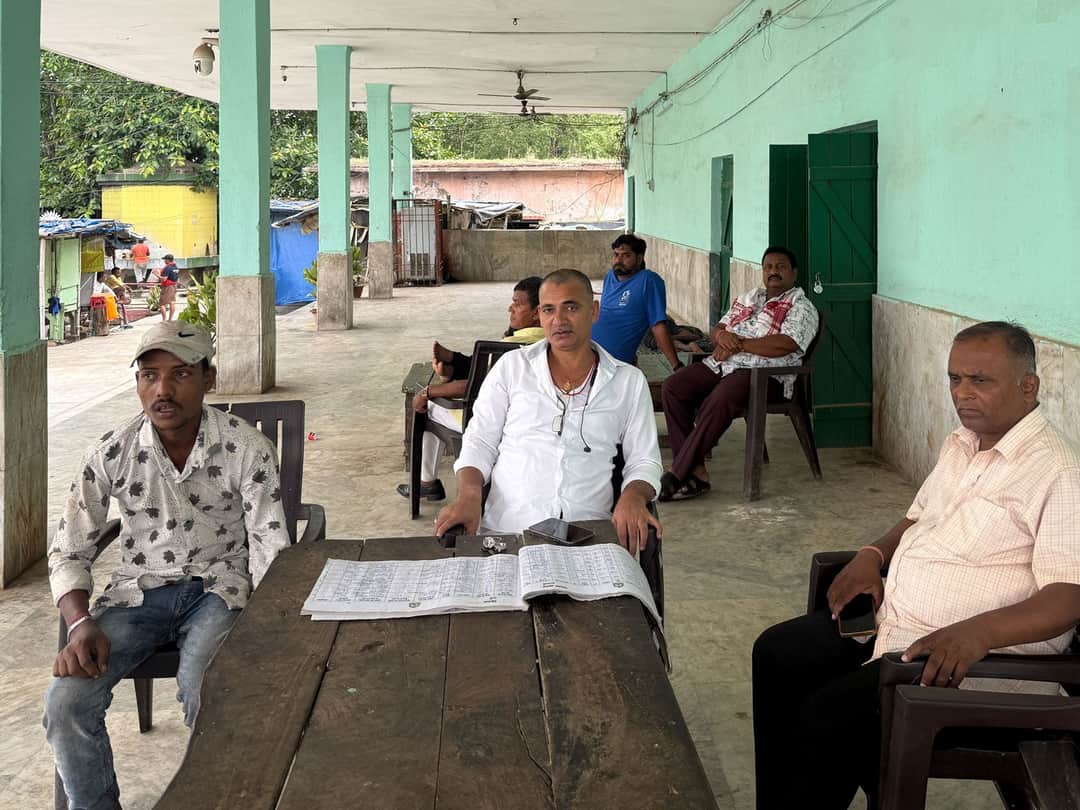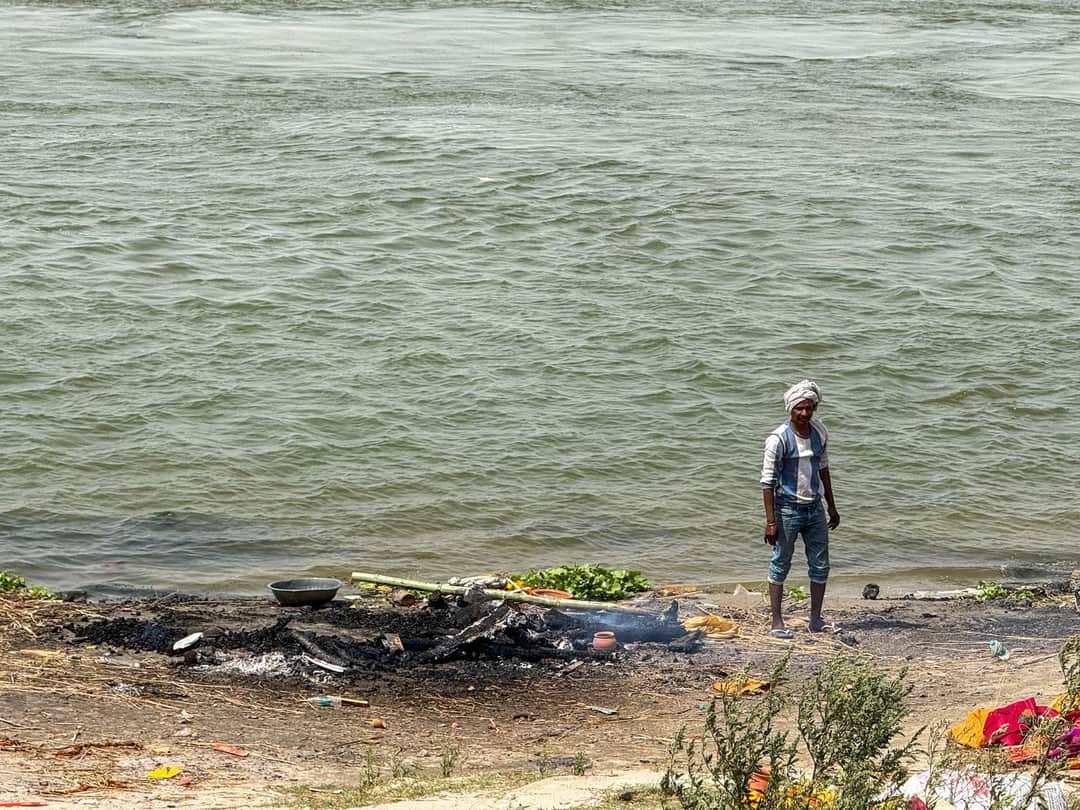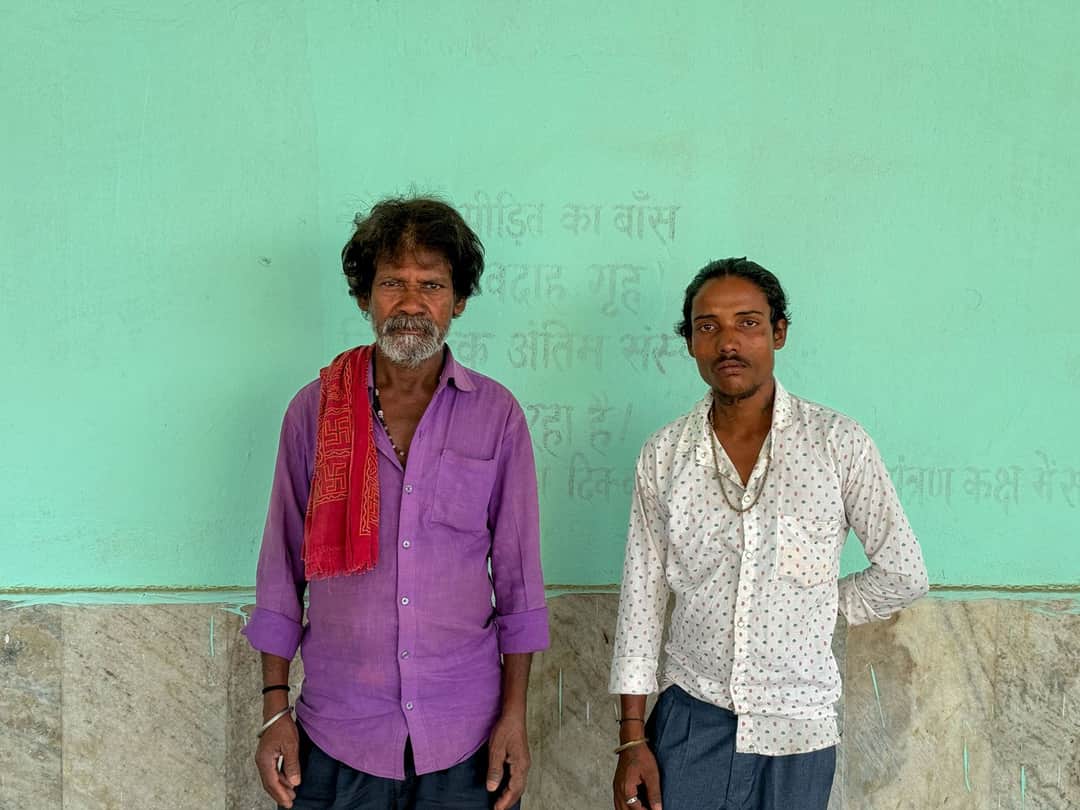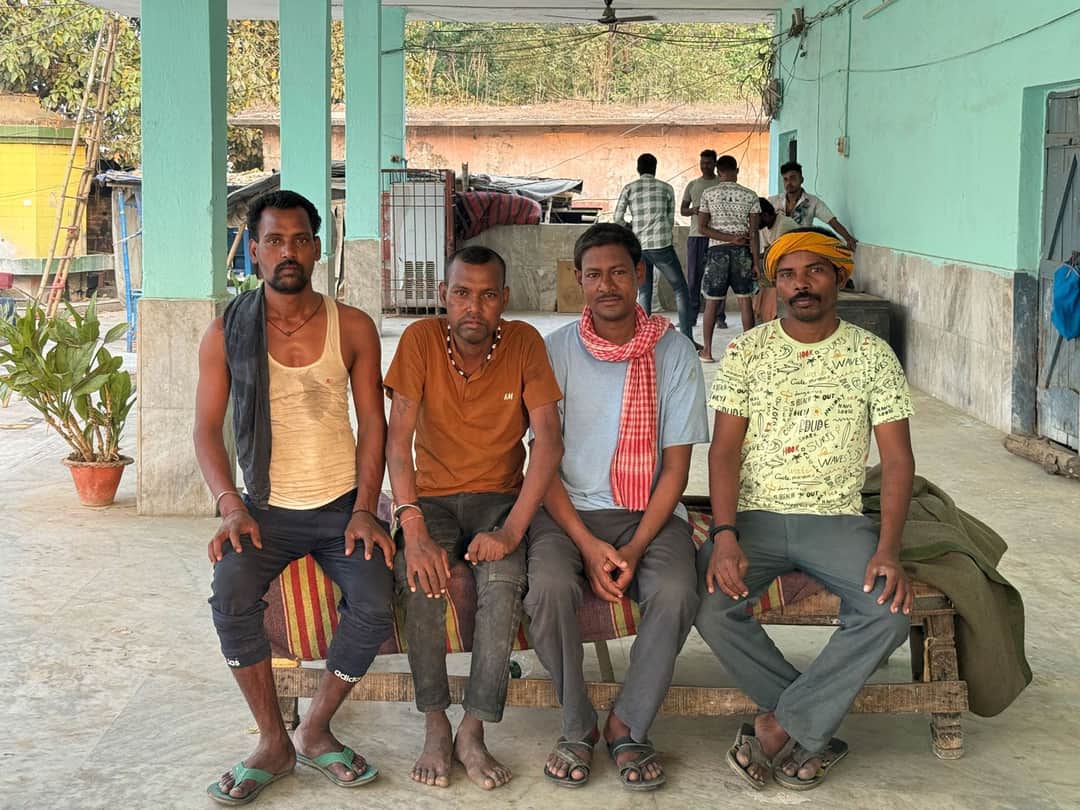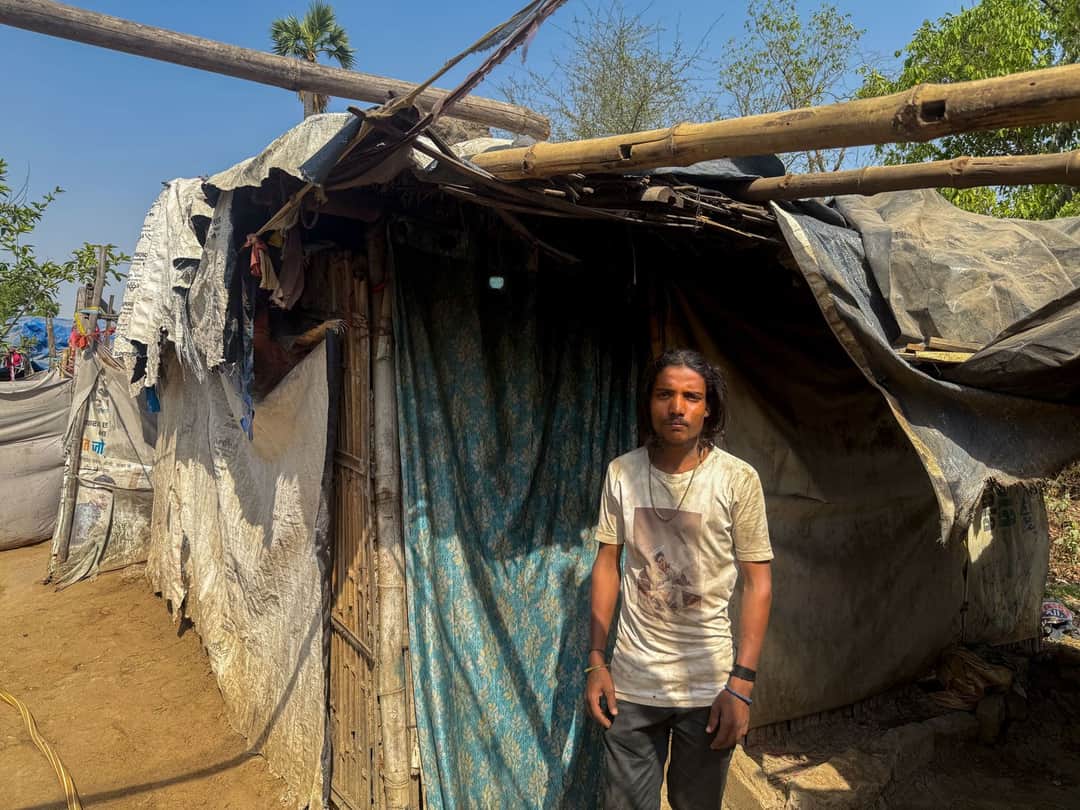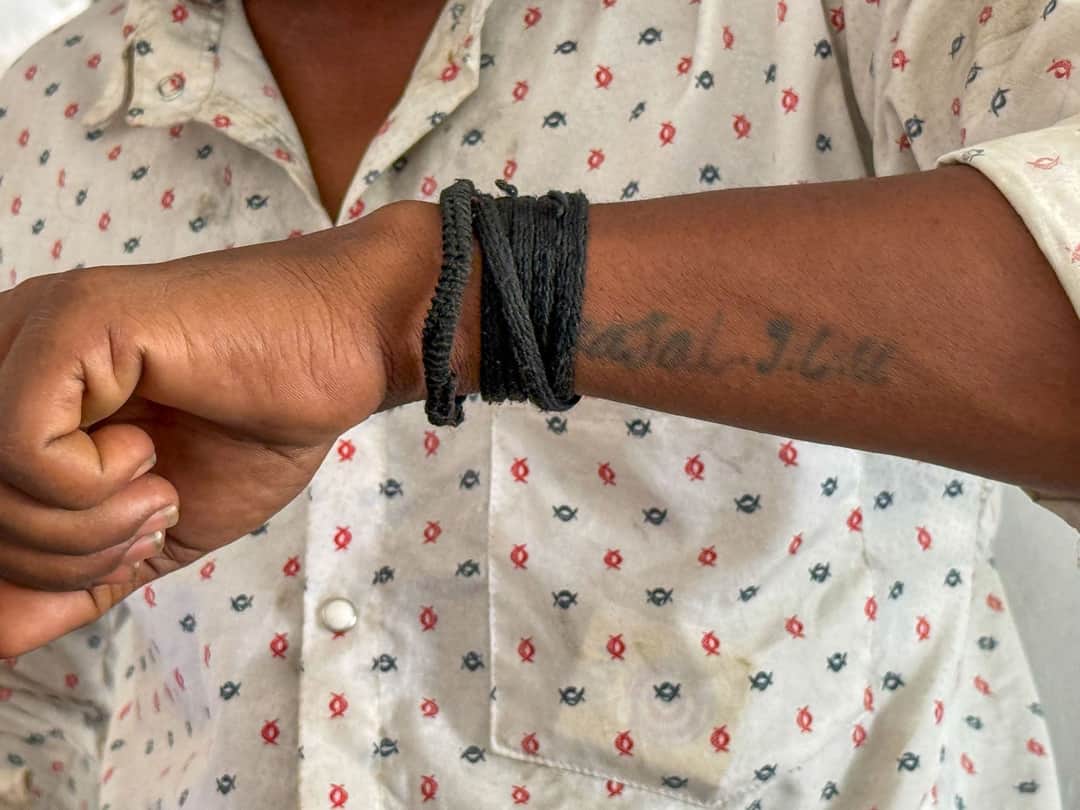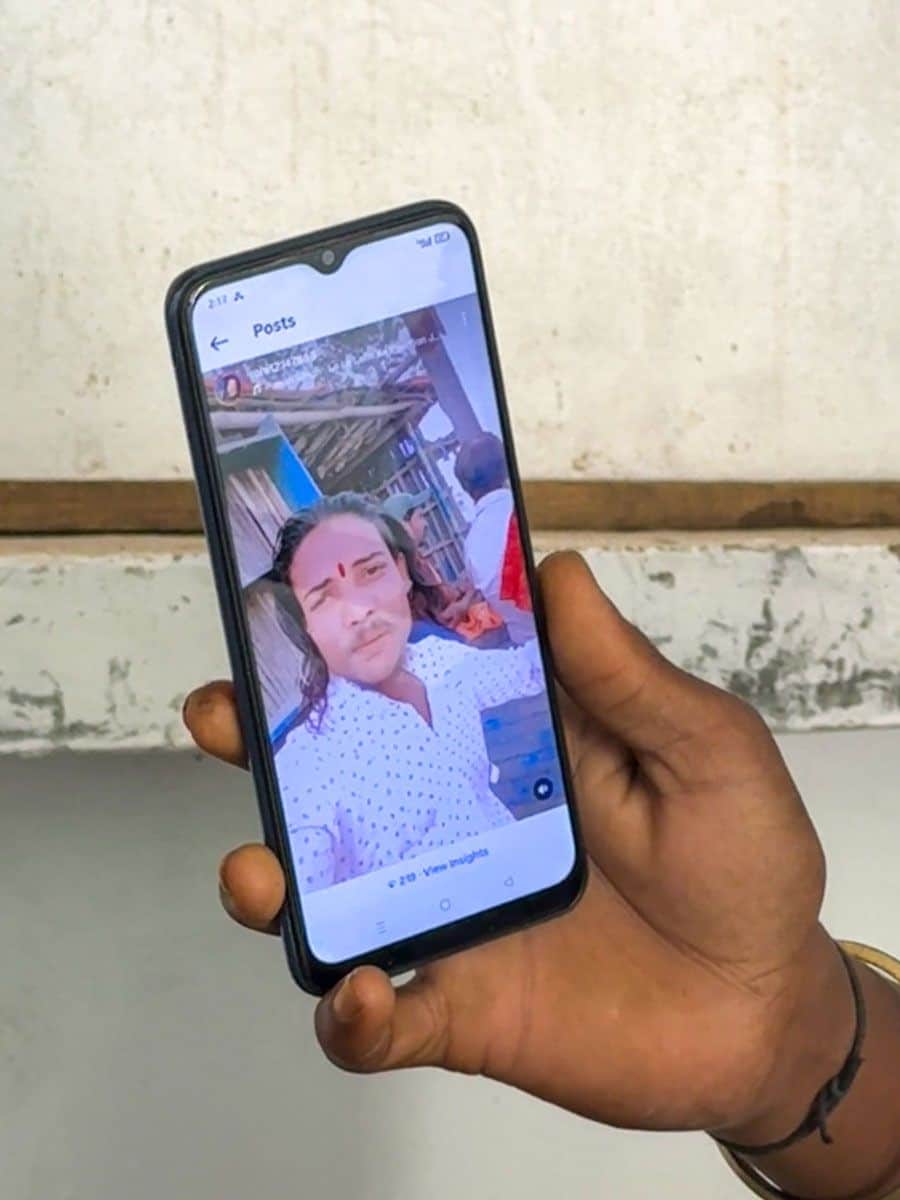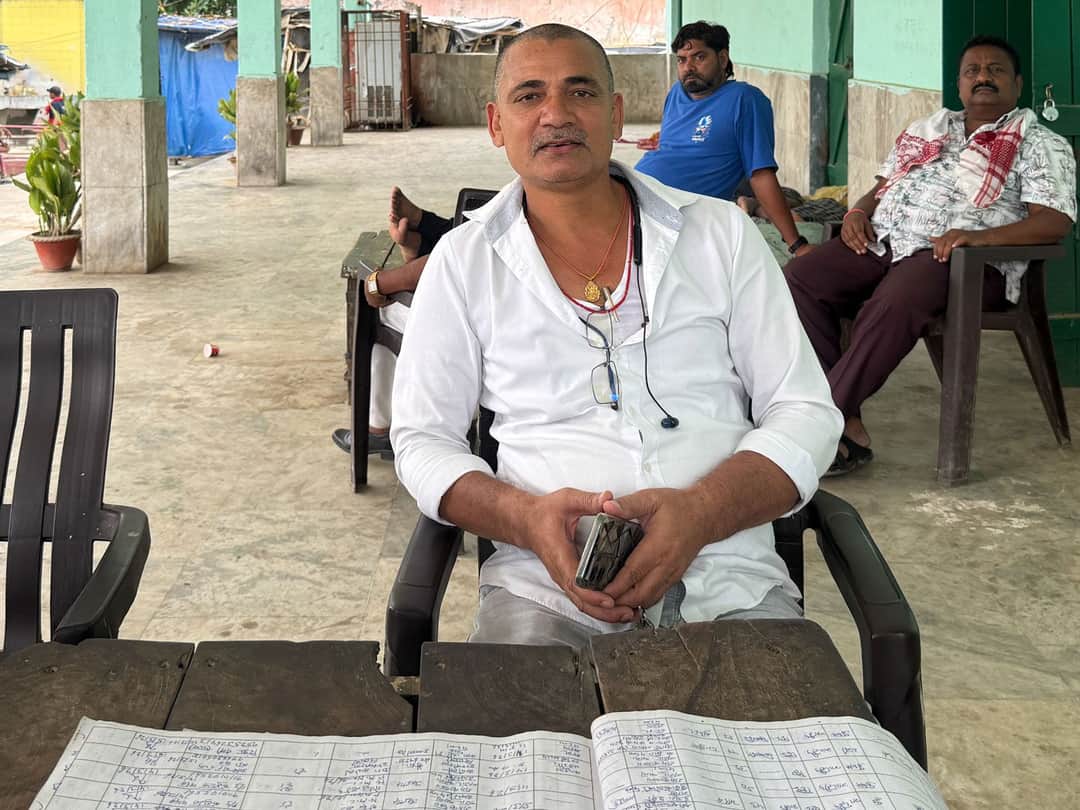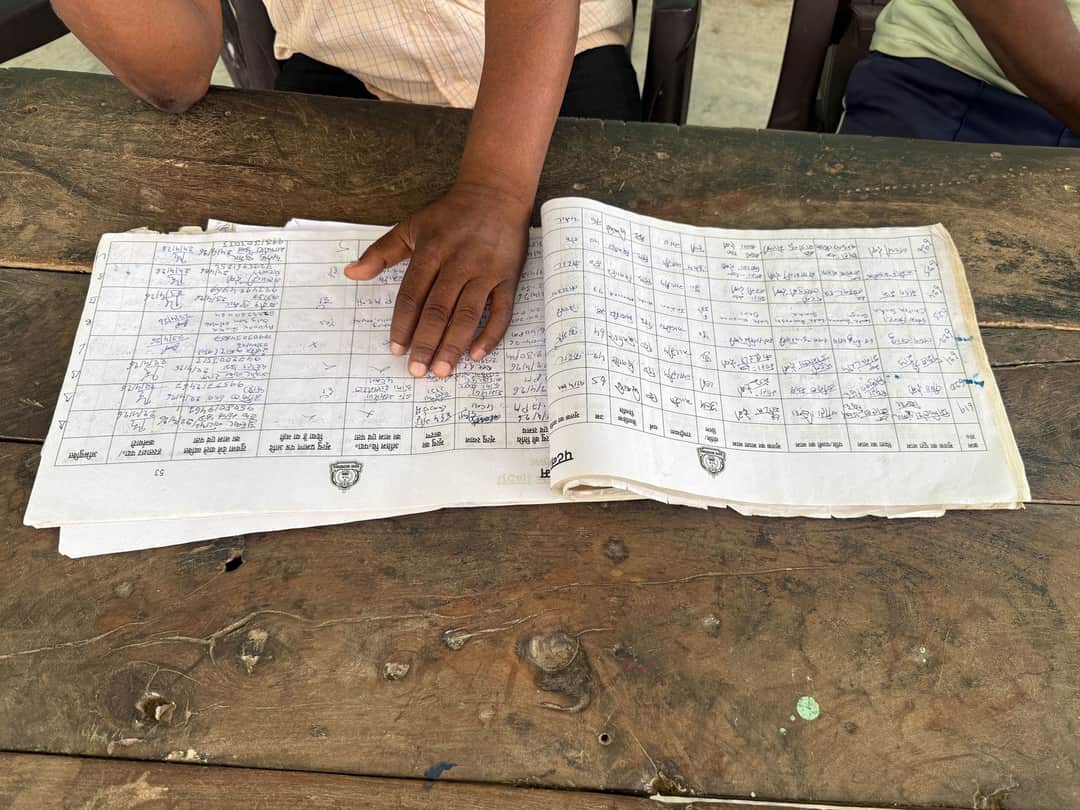

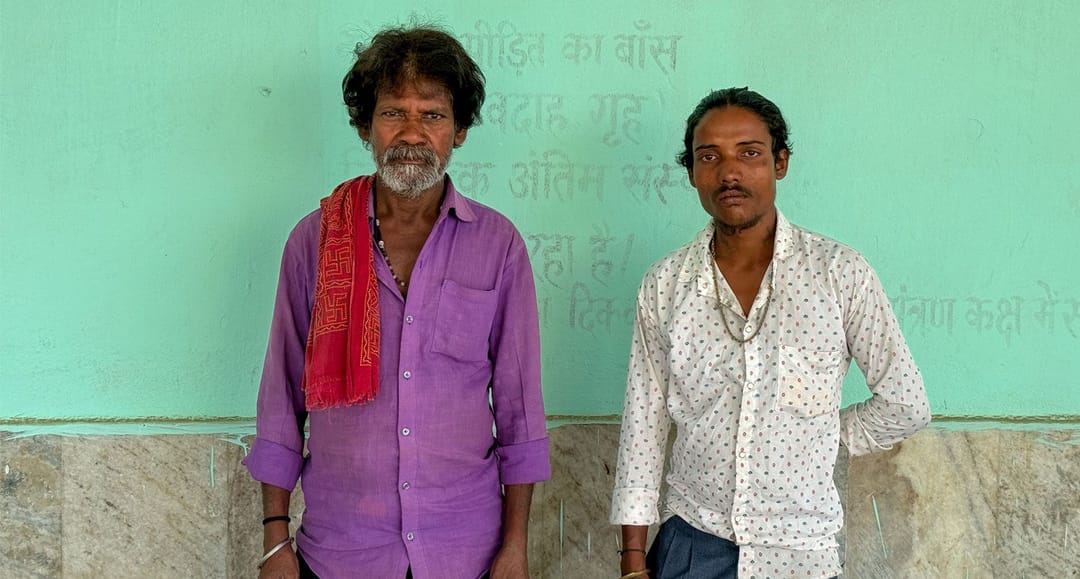
“Kahar barpa tha [It was devastation, pure havoc],” recalls the curiously named Time Pass. “Bahut laash jalaya tha. Ginti ke bahar ho gaya tha [There were so many bodies it was impossible to keep a count].”
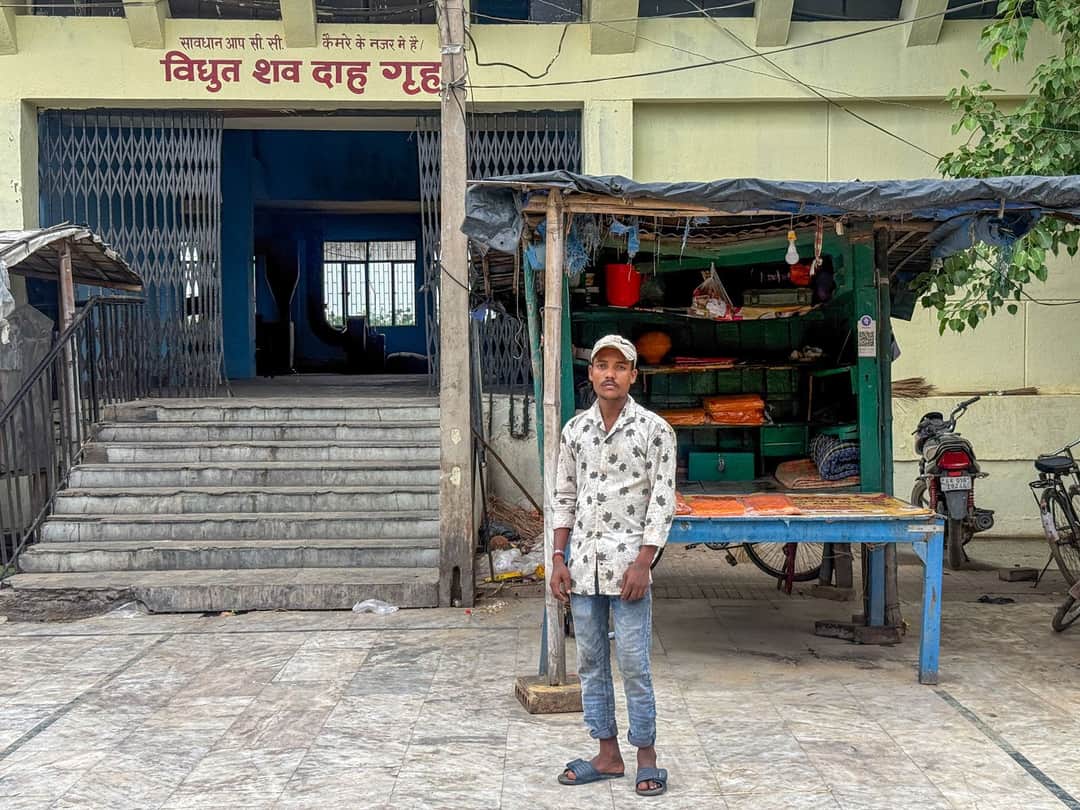
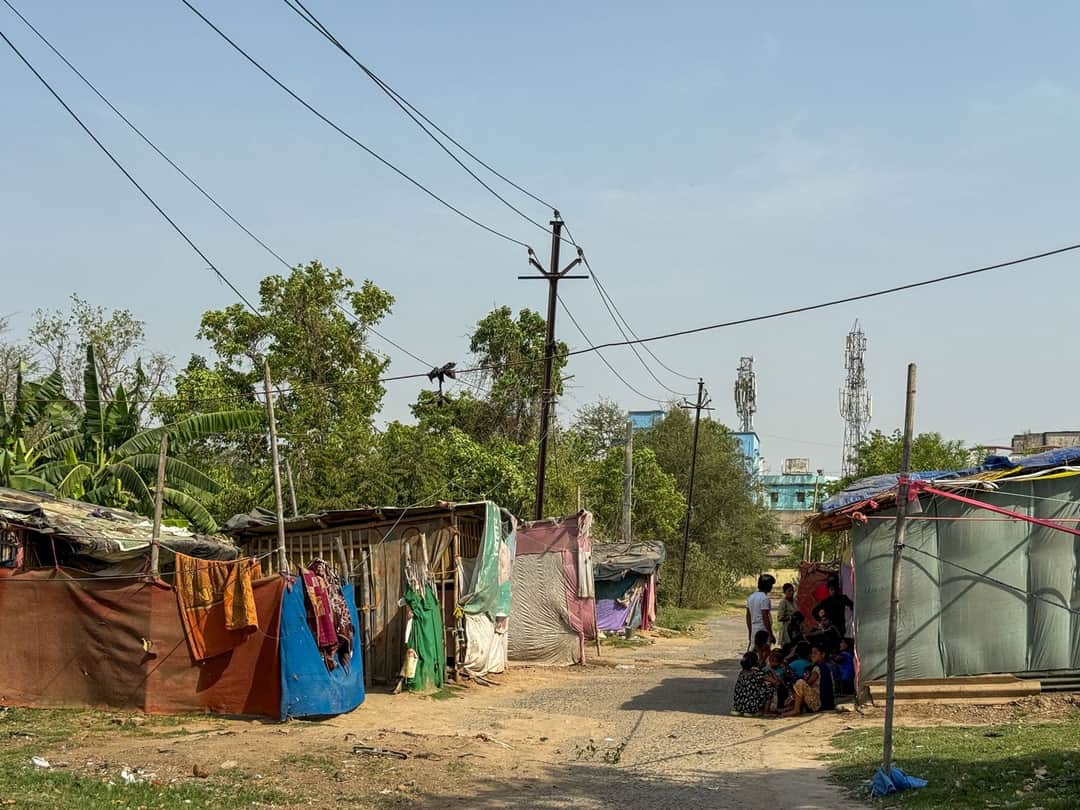
In the five years since Covid-19 struck, Bans Ghat – Patna’s oldest crematorium on the banks of the Ganga – Time Pass, 21, has returned to invisibility. He had briefly emerged from that during the pandemic. He now moves through the city unseen, displaced, and out of work.
Drifting along with no regular job or income, he now seems to be living up to his name, Time Pass.
But that was not how or why he got his label. Blame his uncle Jugnu Ram for that. At the time of his birth, Jugnu Ram had just returned from watching a Sunny Deol film. And when the women of the household teased him about idling, he passed the jibe on as the boy’s name.
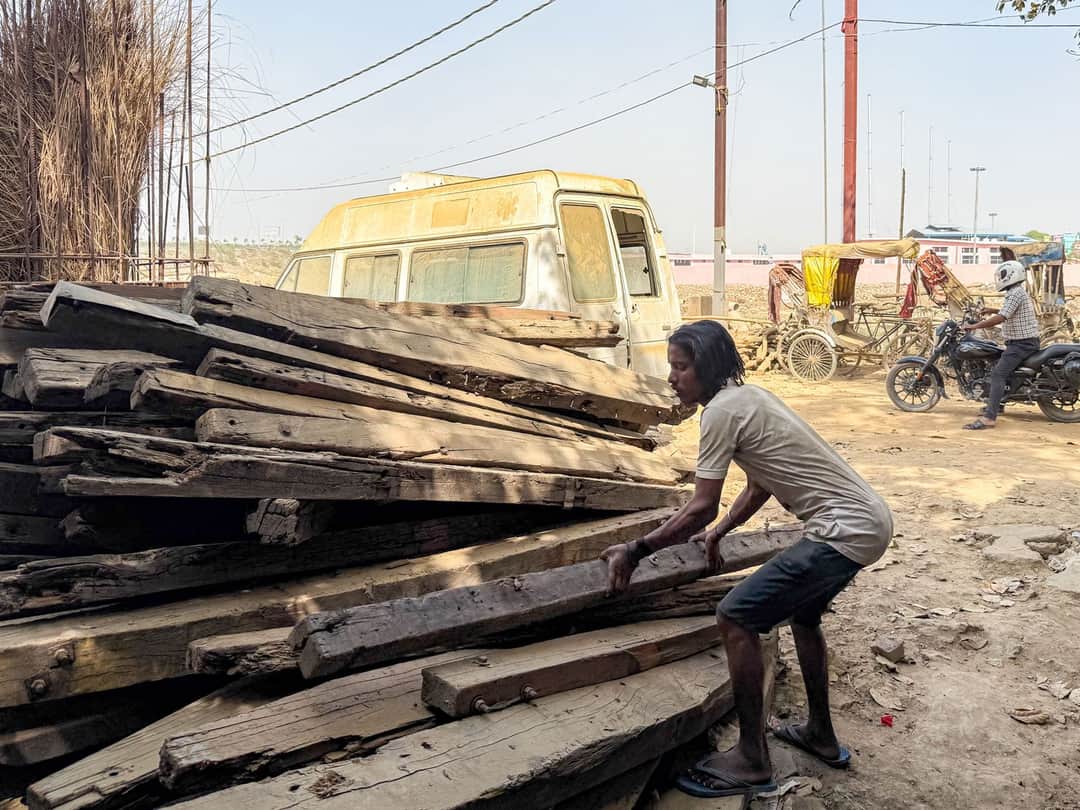
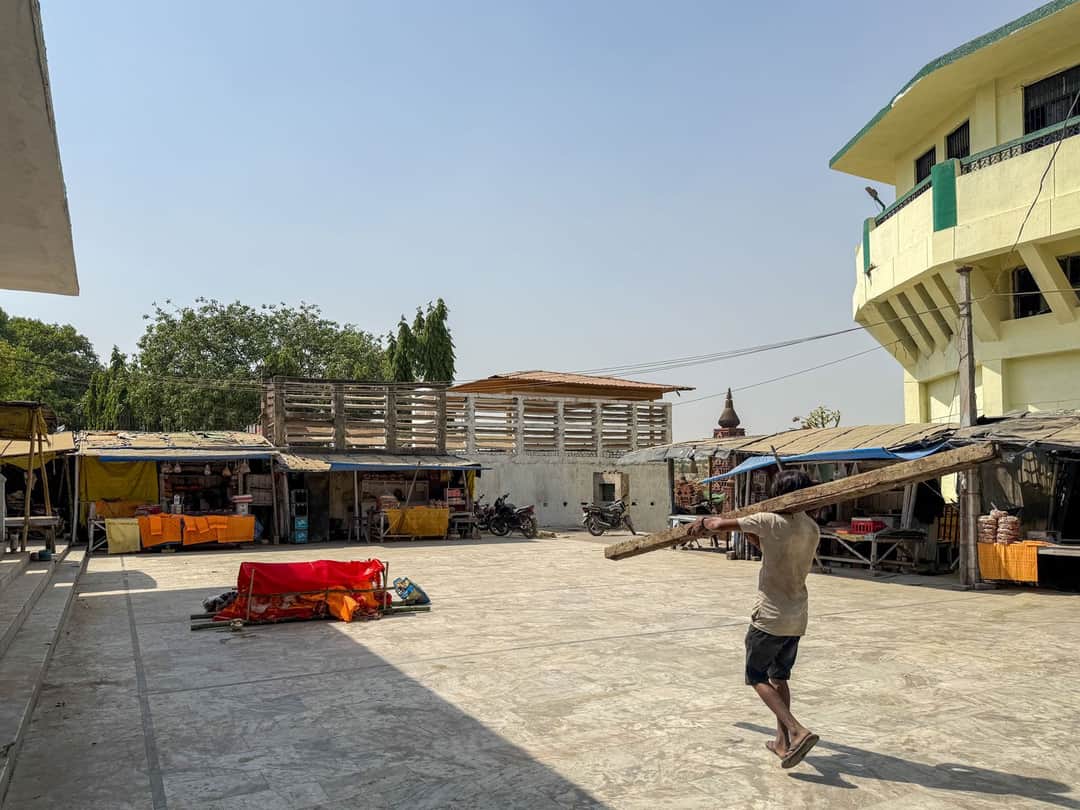
“I do whatever comes my way now,” says Time Pass. “I clean toilets in the metro, sometimes drains, sometimes lift a rotting pig, sometimes cremate an unclaimed body. I collect garbage too,” he lists out such work as he gets.
Each time the city wants its dead, decaying, and abandoned bodies removed, it turns to people like Time Pass. If the stench of a carcass seeps into the air, Time Pass is called in. A body lies mangled on the railway tracks, Time Pass is summoned again. An abandoned body lies in some corner of the city, a police jeep is sent, and he waits outside the postmortem room.
The calls come not because he’s trained for the job, but because he is a Dom. The Doms are classified as Mahadalits – among the most deprived social groups in Bihar. According to the latest 2023 caste survey, they number 263,512, or just 0.20 per cent of the state’s 131 million population.
They languish at the bottom of the Hindu hierarchy. Mostly trapped in an occupation imposed on them by the dominant castes. The work of tending to the dead, or to sanitation.