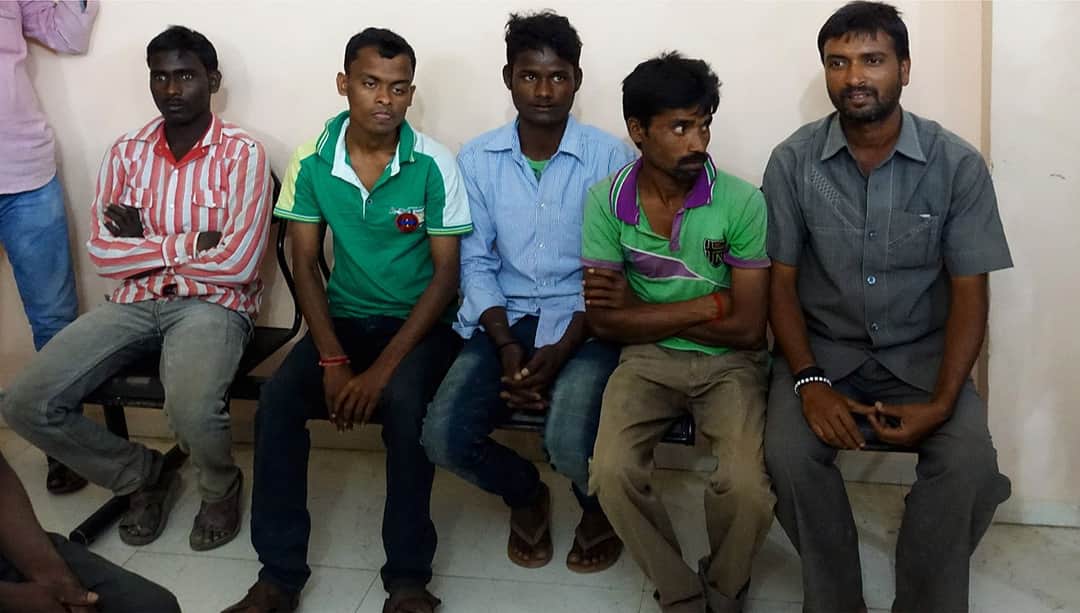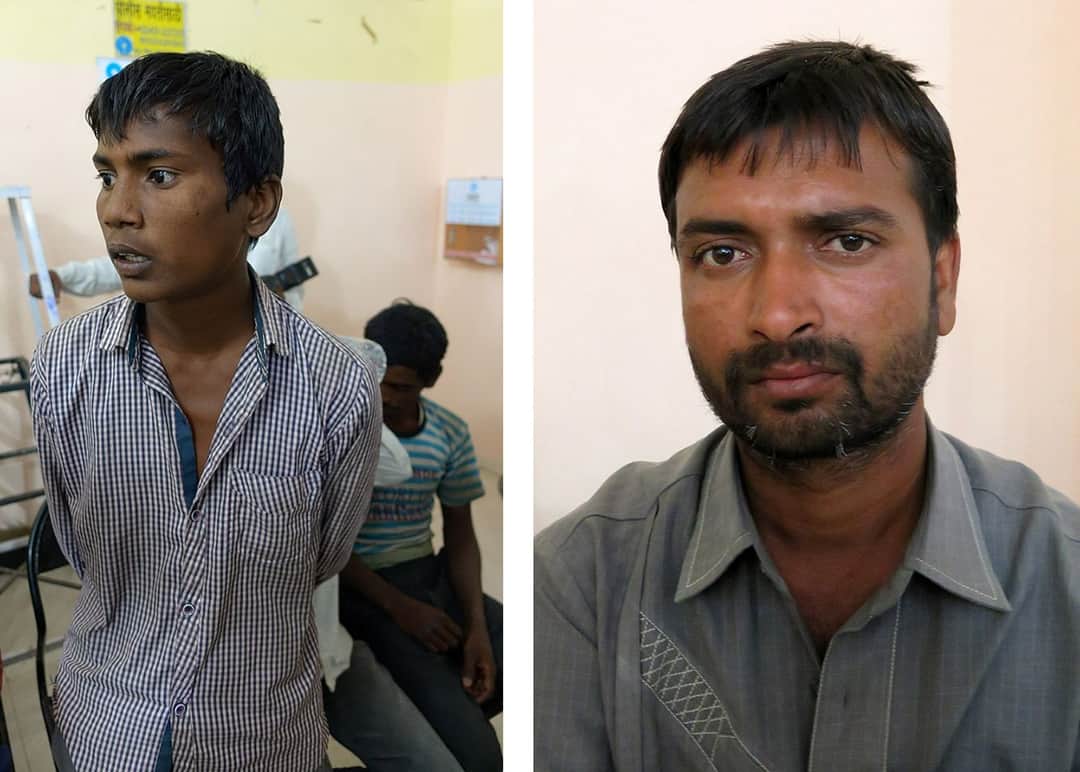


“This new account you will open for me here,” a terribly worried Dheeraj Rehuwamansoor asks the friendly bank manager, “can I operate it from elsewhere in the country?”
Well, says Sanjay Ashturkar smiling, “I will give you an ATM card and you can use that in your own state and town, wherever there is an ATM.”
“Of what use is that to me?” asks Dheeraj, even more worried. “I have no idea how to use an ATM card. Will it work with my angootha chaap ?”
It’s the bank manager’s turn to look worried. He knows this is a legitimate question. He knows three men in the group he’s talking to are illiterate. And that while biometrics might one day have an answer for them, no such means of measurement exist here in Adul town of Aurangabad district. Where it does, it is often in disuse or disrepair. He also knows that Dheeraj’s chances of accessing an ATM in his village in Bahraich district of Uttar Pradesh, or in rural Lucknow where his family now lives, are negligible.
“If I get a cheque book, I can use my angootha with that, no?” Well, no, not really. This is a no-frills savings bank account and has no cheque book.
Dheeraj is close to tears. “How will I send money back to my family? If I put it in here – and even if they go all the way to Lucknow – how will they access it? They will go hungry till I can reach them some cash.”
Dheeraj is one of 11 manual labourers from five different states working in Adul in Maharashtra. Four others bearing the same surname as he does, are also from UP. The rest are from Assam, Jharkhand, Bihar and West Bengal. Each earns Rs. 350 a day. From this modest amount, the migrant workers meet all their expenses on food, shelter, transport, clothing – and still manage to send something back home to their families. Until they were surgically gutted by the demonetisation order of November 8.
We are in the Adul branch of the State Bank of Hyderabad (SBH), an associate of the State Bank of India. A helpful group of bank employees, including the manager, are trying their best to open accounts for the migrants. It’s way past working hours, but the staff are still there to help this vulnerable and distressed group. Tonight, they will complete the verification process for their new clients. Tomorrow the accounts will be operational. The branch’s attitude is in complete contrast to the hostility towards poor clients we saw in the cooperative bank we’d visited the previous day in Osmanabad town. The Migrant XI are the only customers left at SBH now. “The server broke down from an overload and we had to shut regular operations early today,” explains a staffer. A new server has just arrived and is quickly being set up.