Another study, done in 2014 by The Energy and Resources Institute (TERI), notes: “Rainfall data from the period 1901-2003 shows that the share of monsoon rain in July has been decreasing [across the state], while August rainfall has been increasing… Moreover, there has been an increase in the contribution to extreme rainfall events to monsoon rainfall, especially during the first half of the season (June and July).”
For Vidarbha, the study, titled Assessing Climate Change Vulnerability and Adaptation Strategies for Maharashtra: Maharashtra State Adaptation Action Plan on Climate Change, highlights the main vulnerabilities as “long dry spells, recent increase in rainfall variability and decrease in amount [of rainfall].”
Bhandara, it says, is in the group of districts where extreme rainfall could increase by 14 to 18 per cent (relative to baseline), and the dry days during the monsoon are projected to also increase. The study also notes that there will be an average increase (over the annual mean temperature of 27.19 degrees) for Nagpur division (where Bhandara is located) by 1.18 to 1.4 degrees (by 2030), 1.95 to 2.2 degrees (by 2050) and 2.88 to 3.16 degrees (by 2070). This is the highest for any region in the state.
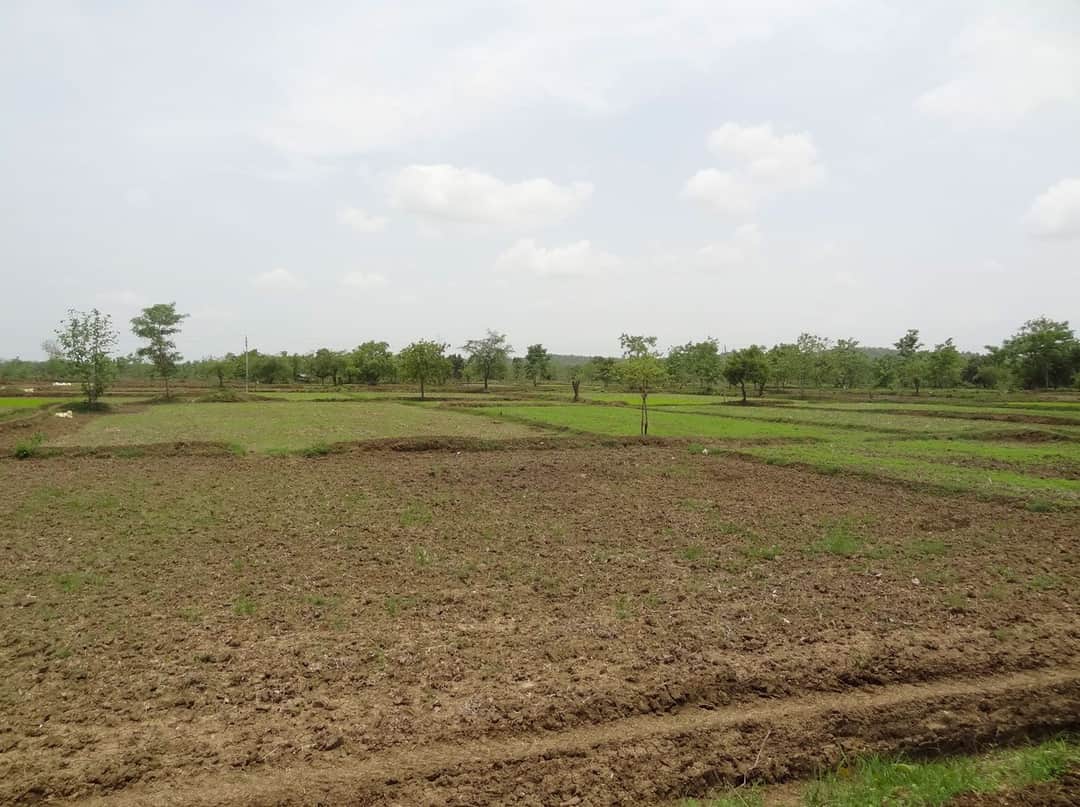
Bhandara agriculture officials too have noticed these incipient changes in their largely rain-dependent district that still gets categorised in government literature and district plans as a ‘better-irrigated’ region due to its traditional tanks, rivers and sufficient rainfall. “We are seeing a steady trend of delayed onset of rains over the district, which hurts sowing and yields,” says the divisional superintending agriculture officer in Bhandara, Milind Lad. “We used to have 60-65 rainy days, but in the last decade or so, this is down to 40-45 in the June-September period.” Some circles – clusters of 20 revenue villages – of Bhandara have got barely 6 or 7 days of rains this year in June and July, he observes.
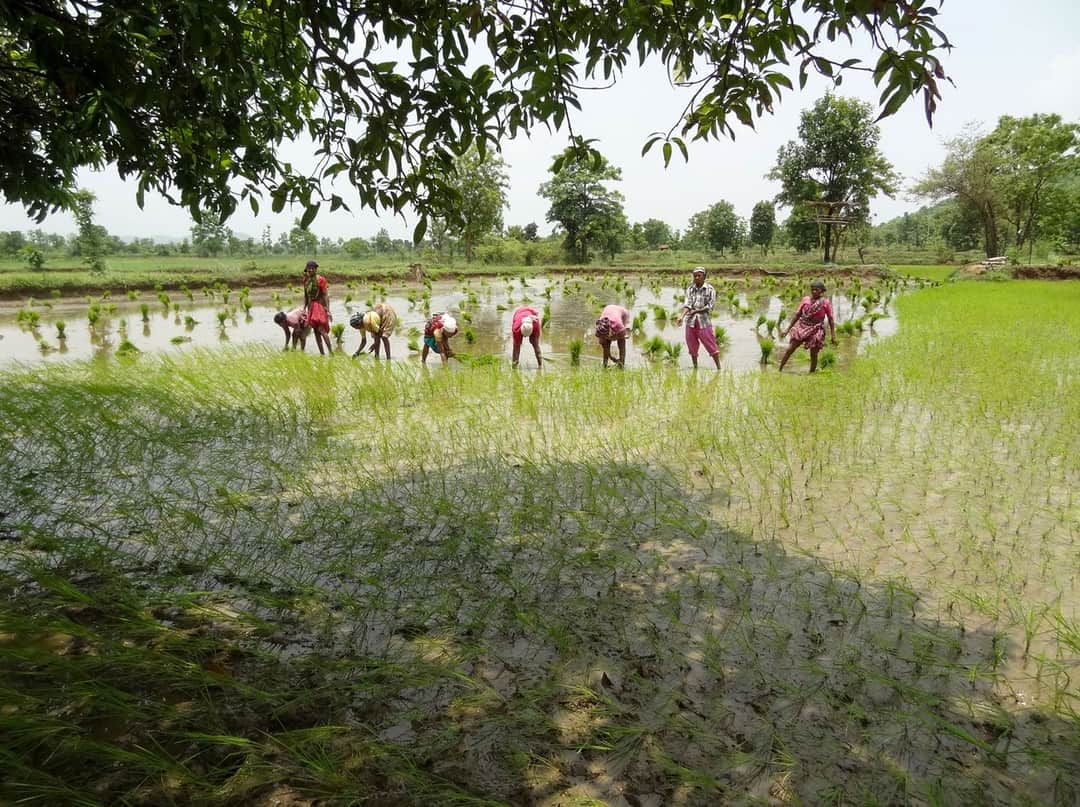
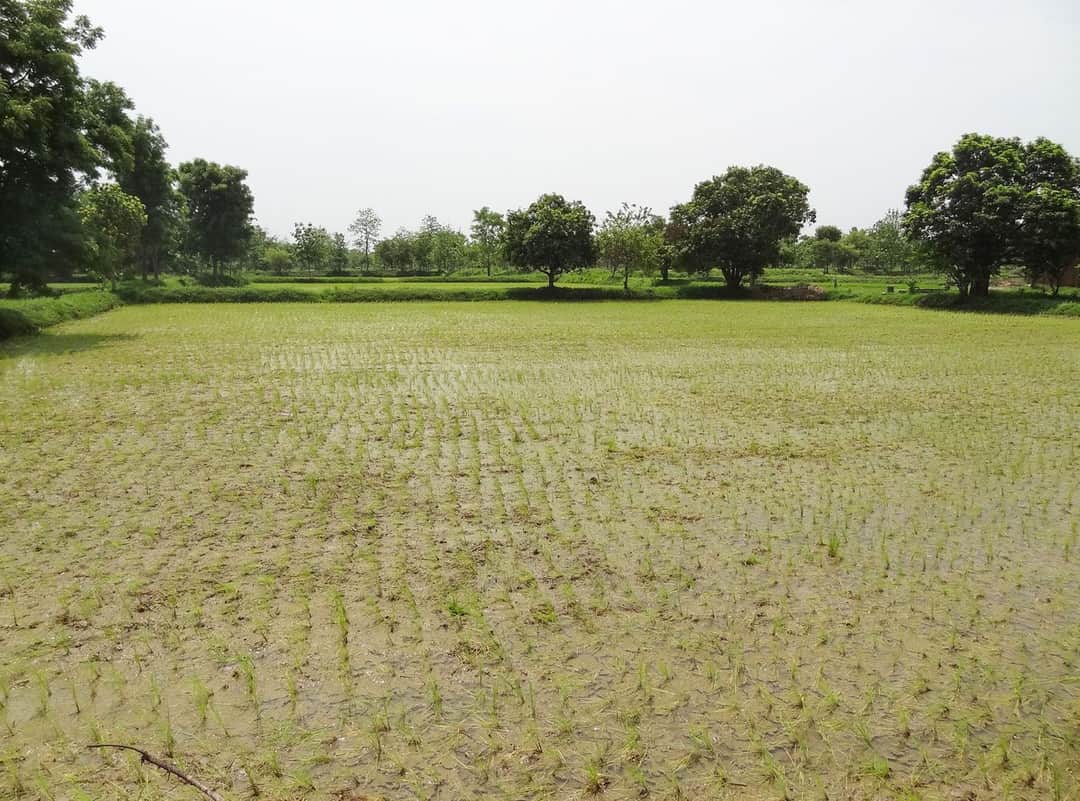
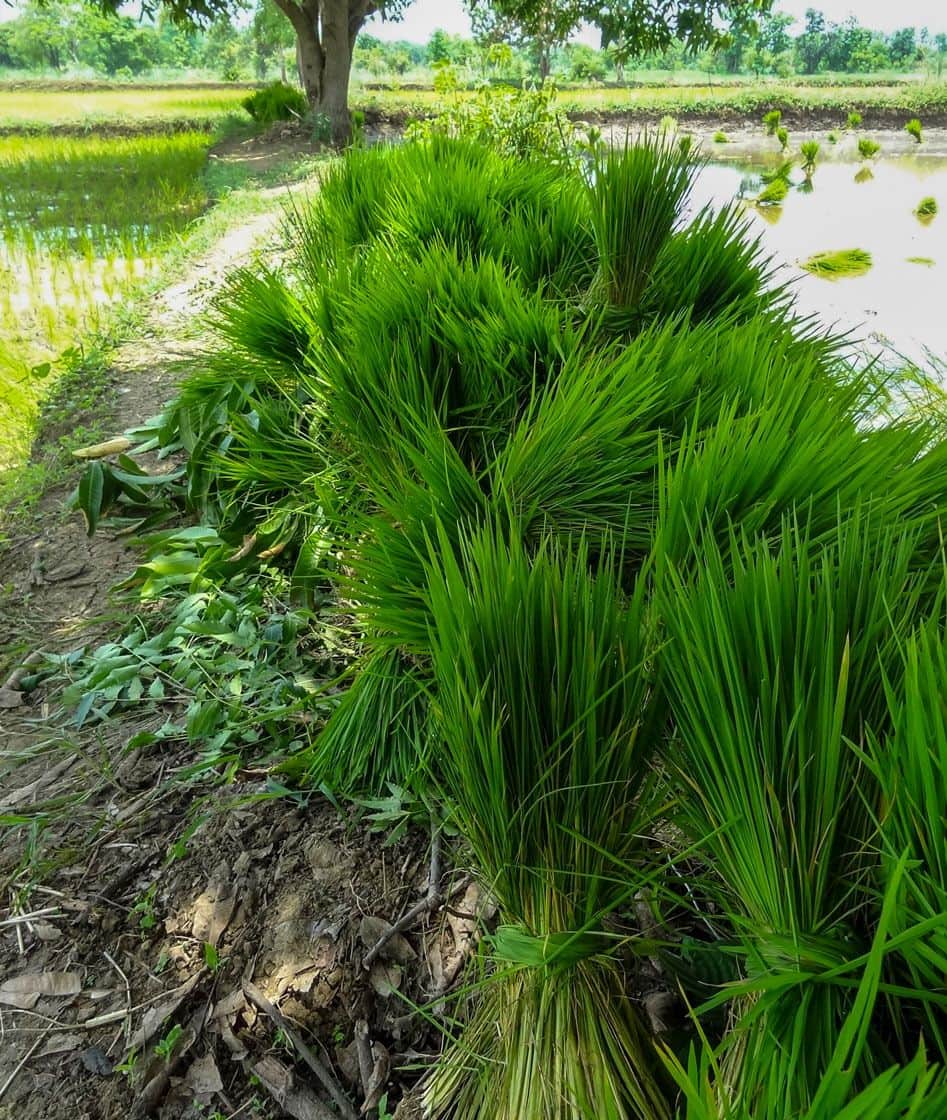
“You can’t grow fine quality rice if the monsoon is delayed,” adds Lad. “Production drops by 10 kilos per day per hectare if the paddy transplantation is delayed after the 21-day period of the nursery.”
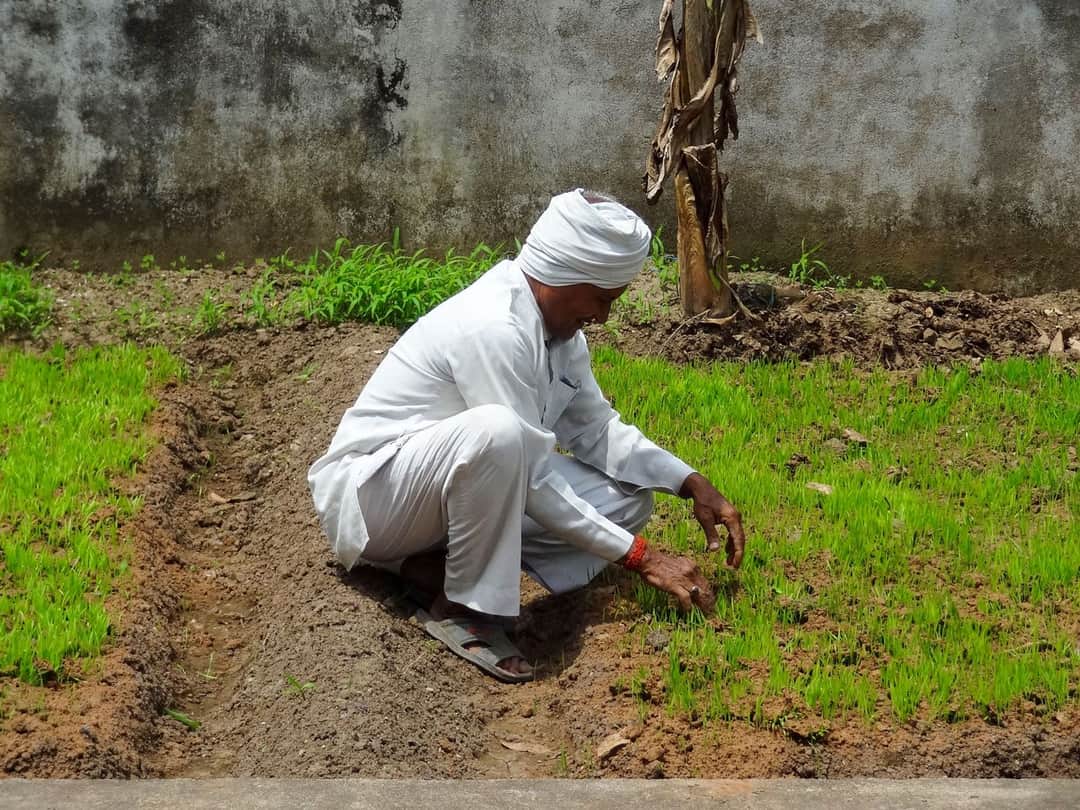
The traditional method of broadcasting seeds – throwing the seeds into the soil rather than planting a nursery first and then transplanting the tillers – is steadily returning to the district. But broadcasting can bring poor yields due to a low rate of germination, unlike the transplantation method. Still, instead of losing the entire crop if the tillers don’t grow in the nursery without the first rains, with broadcasting the farmers could face only a partial loss.