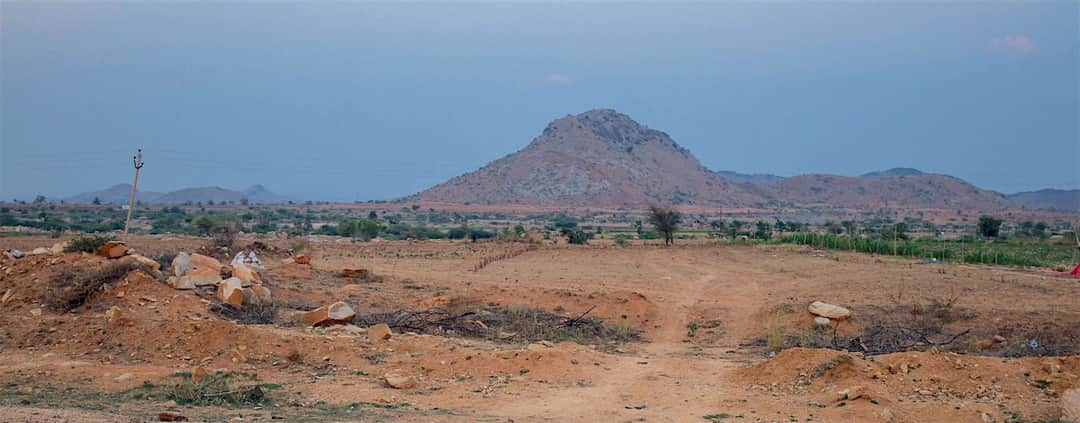


On December 2, 2016, when Andhra Pradesh Chief Minister Chandrababu Naidu inaugurated the newly-built Gollapalli reservoir in the Erramanchi area of Penukonda block, Anantapur district, local farmers were delighted. At last, they thought, their fields would be irrigated.
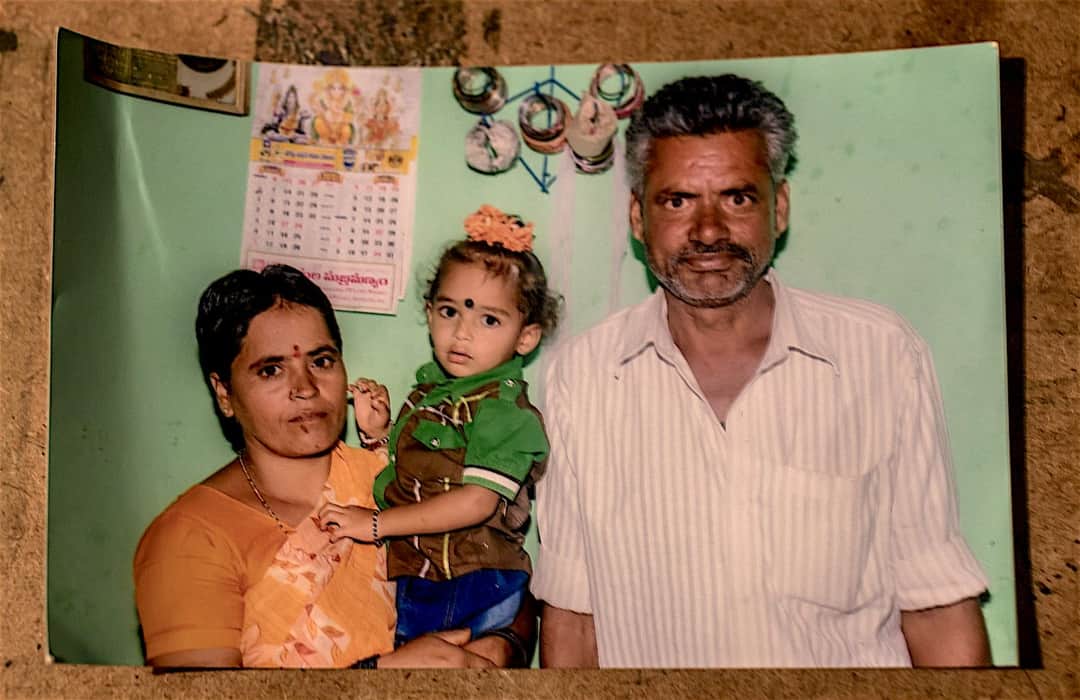
S. Balu Nayak, a Sugali (Scheduled Tribe) farmer from Makkajipalli tanda (the ST hamlet) in Gutturu village 5 kilometres from Erramanchi, was among them. Balu, in his late 40s-early 50s, believed the reservoir would replenish the three failed borewells he had sunk on his land. The Gollapalli reservoir is part of the Handri Neeva Sujala Sravanthi Scheme of water canals, expected to hold 1.6 tmc (thousand million cubic feet) of water from the Krishna river, and provide for agriculture, drinking and recharge of the water table.
Anantapur has seen meagre rainfall in the last two decades, with drought declared for the last five consecutive years in all 63 mandals of the district. Agriculture in Anantapur district is entirely dependent on rainwater and borewells, and underground water levels have been declining dangerously.
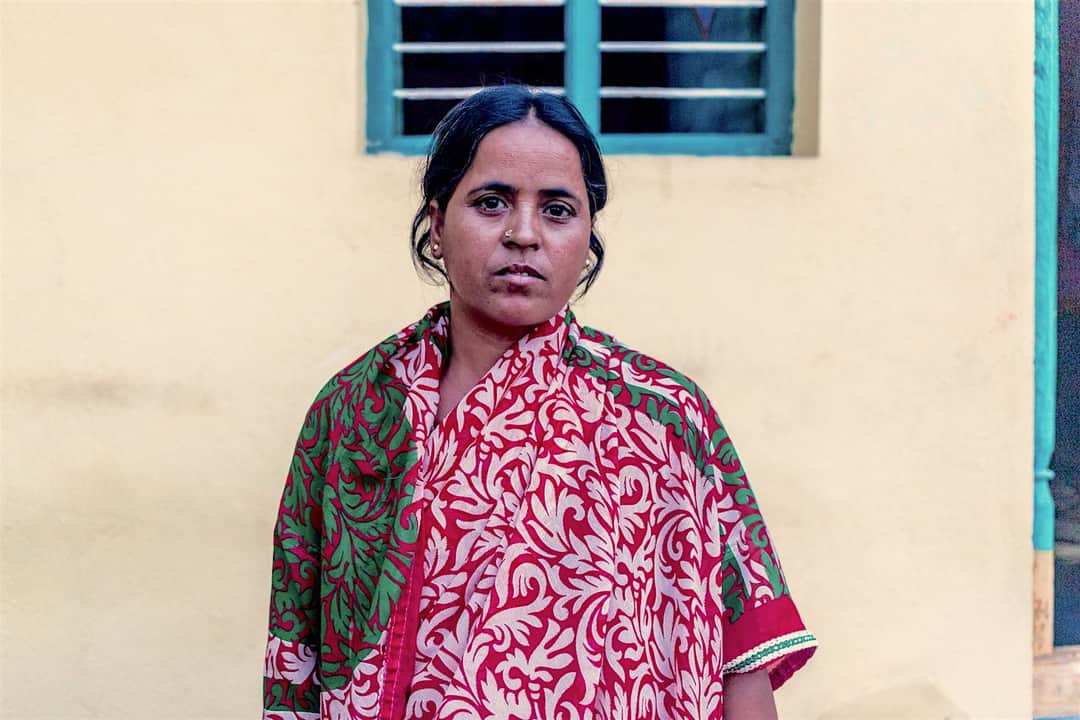
“All of us went with him to see the dam four or five times,” Balu's wife, S. Salamma, recalls. The farmers did not know then that the new reservoir would principally feed the car factory being set up in the area by Korean multinational, Kia Motors. The government had been surveying the area with the intention of taking over roughly 2,200 acres of land for a Special Economic Zone. Of this land, around 600 acres were earmarked for the Kia factory. Balu was under the impression that he would lose three acres of their farmland, registered in his wife’s name. He had become reconciled to that, but hoped to continue cultivating his remaining three acres.