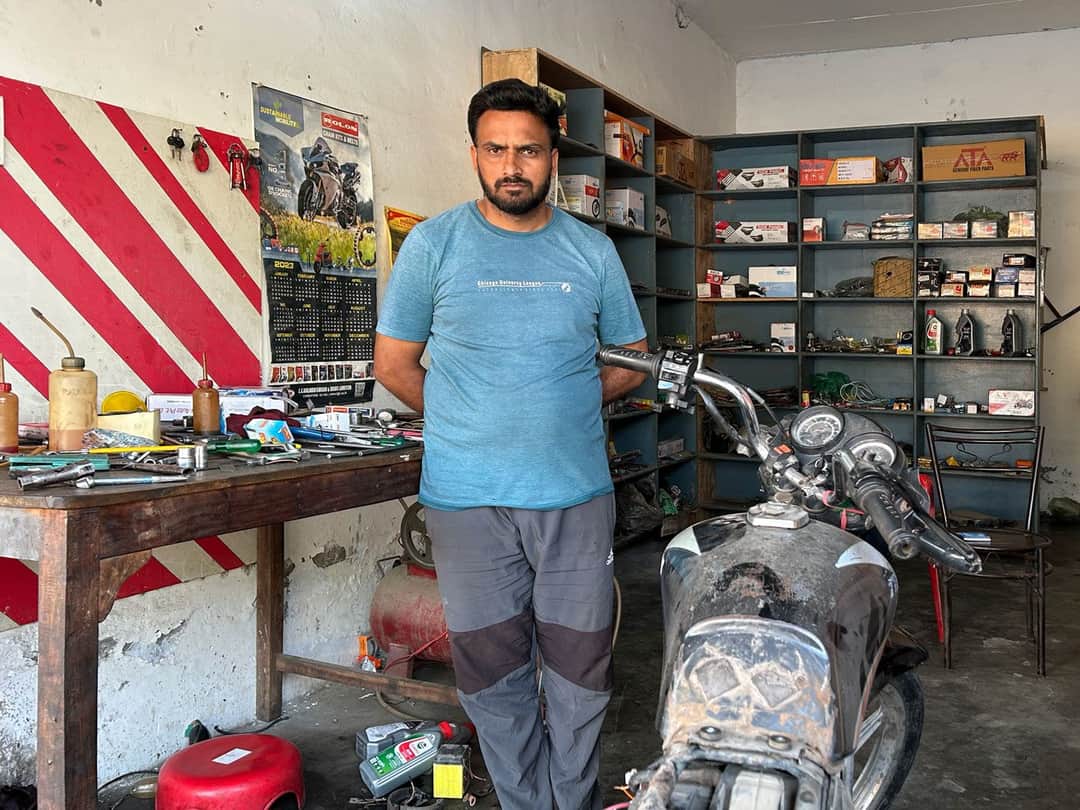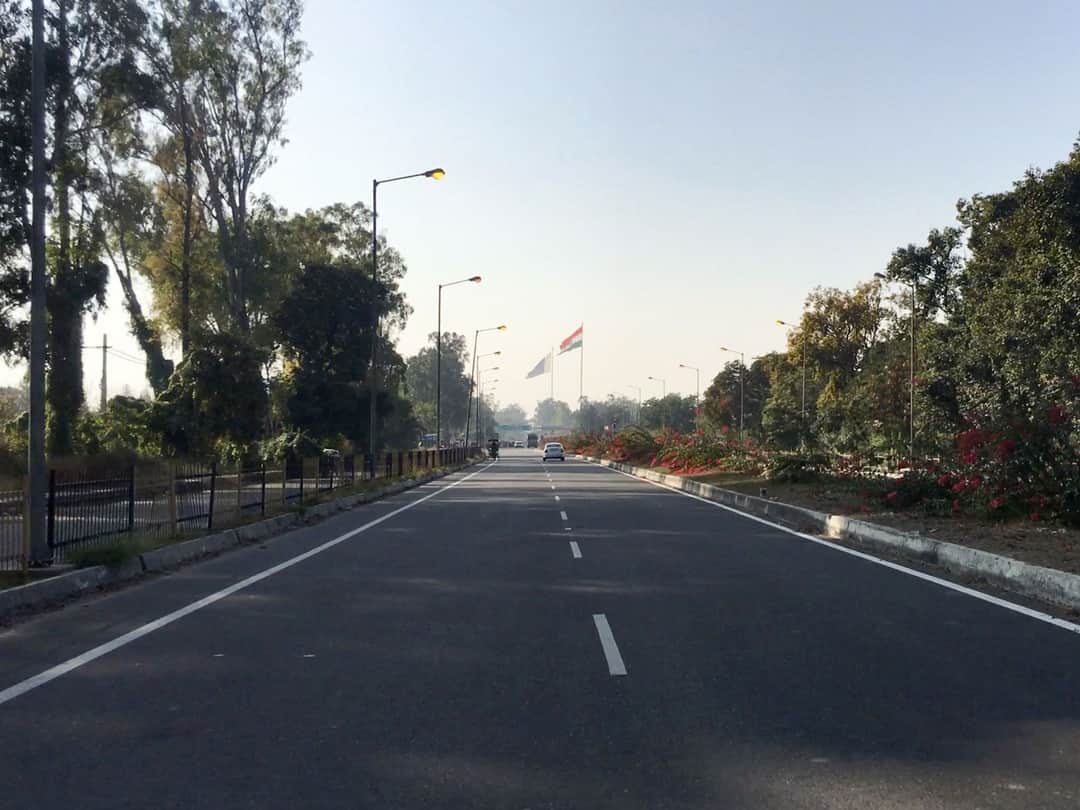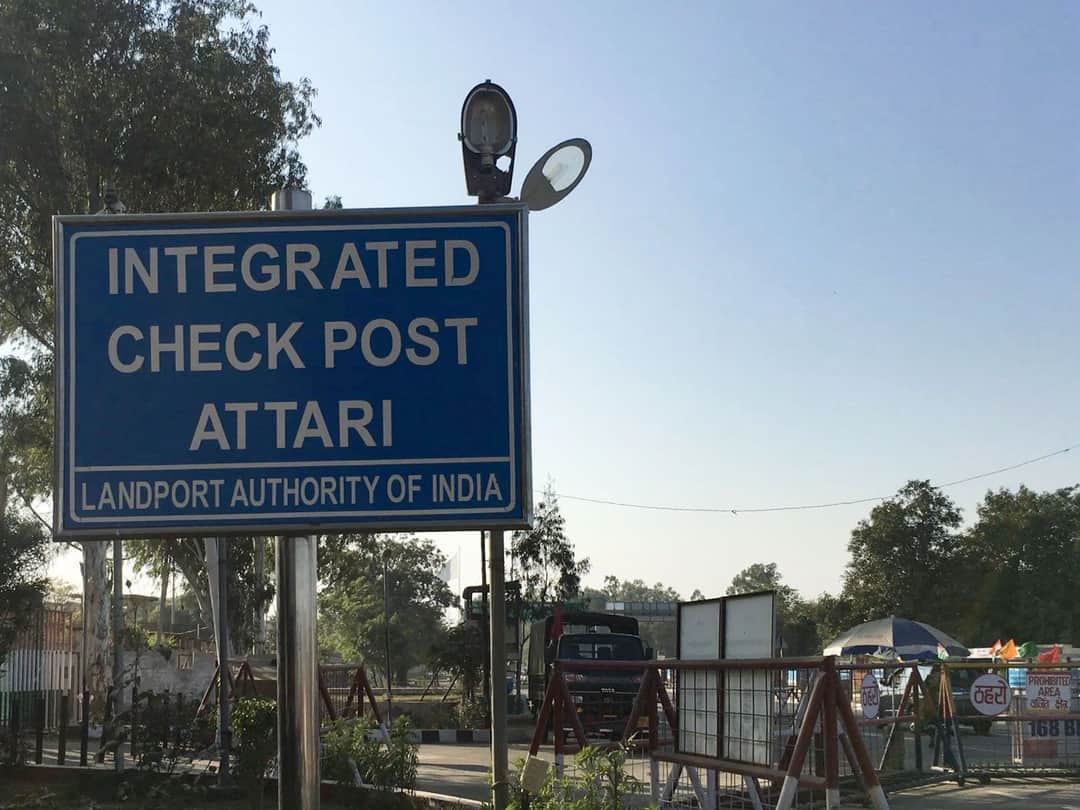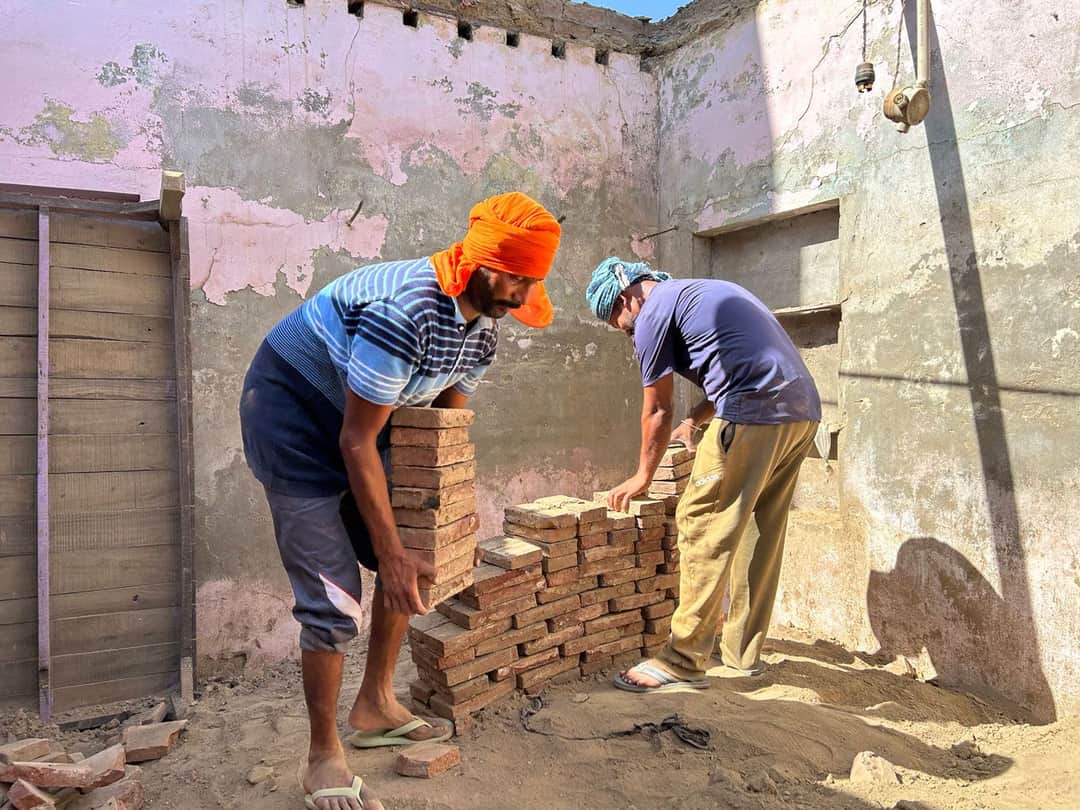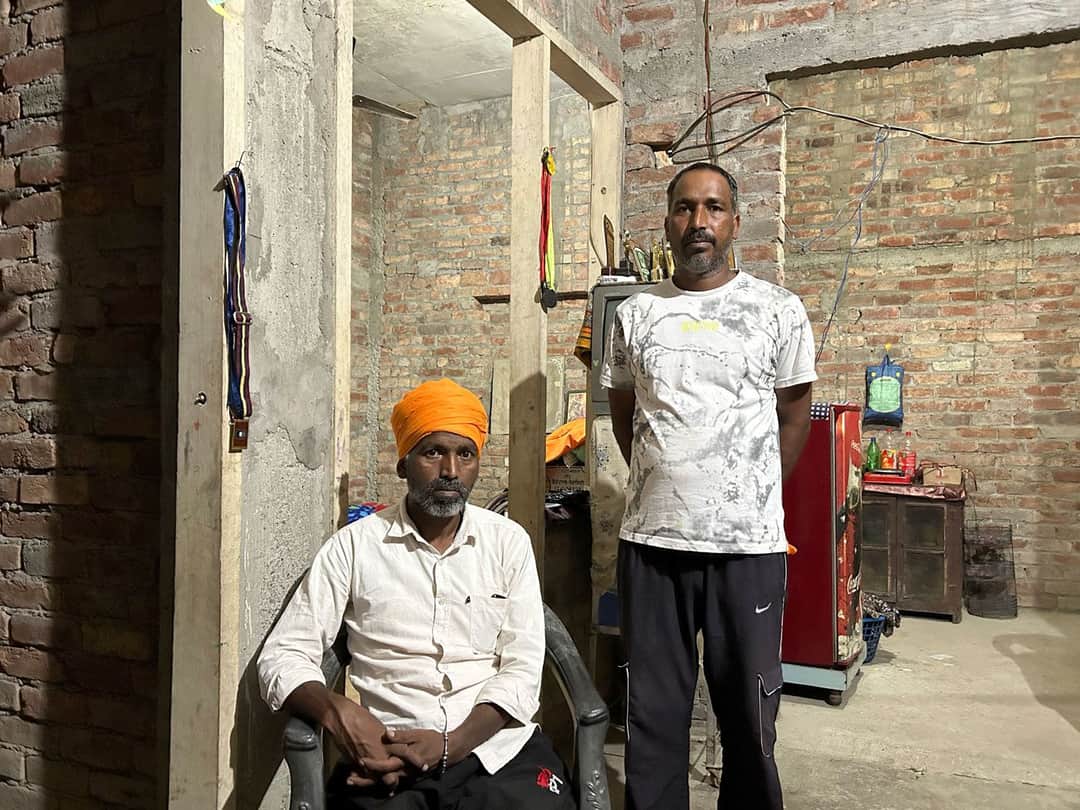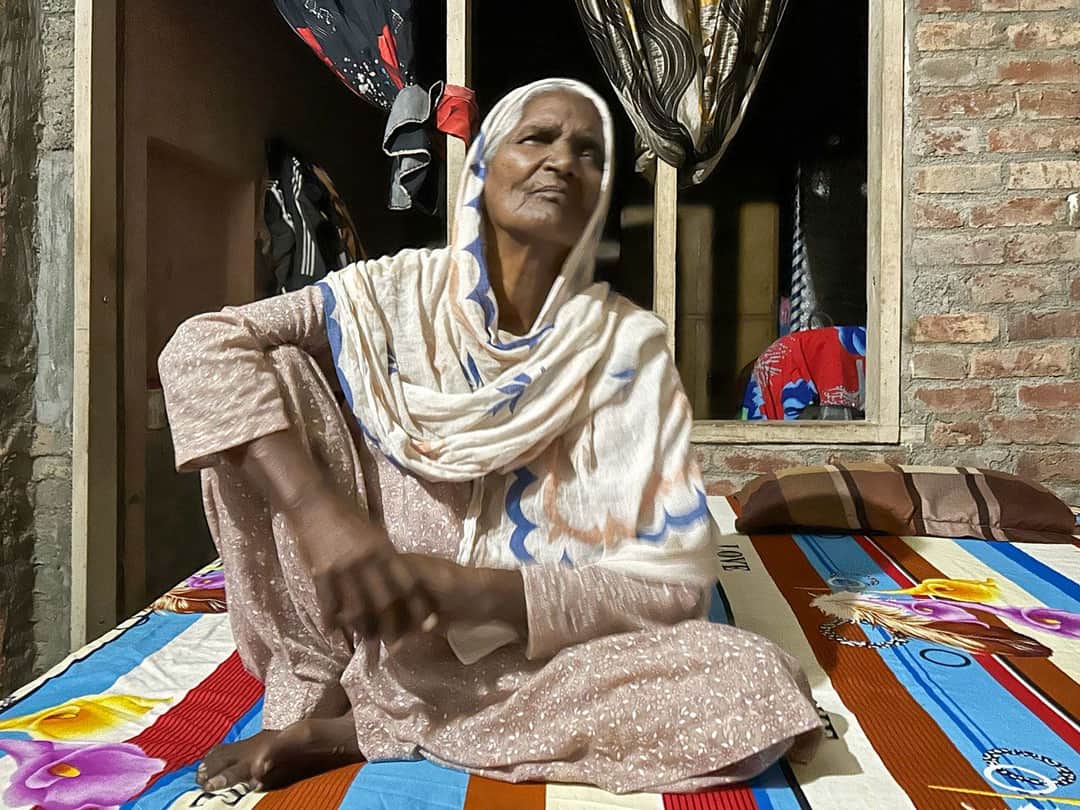

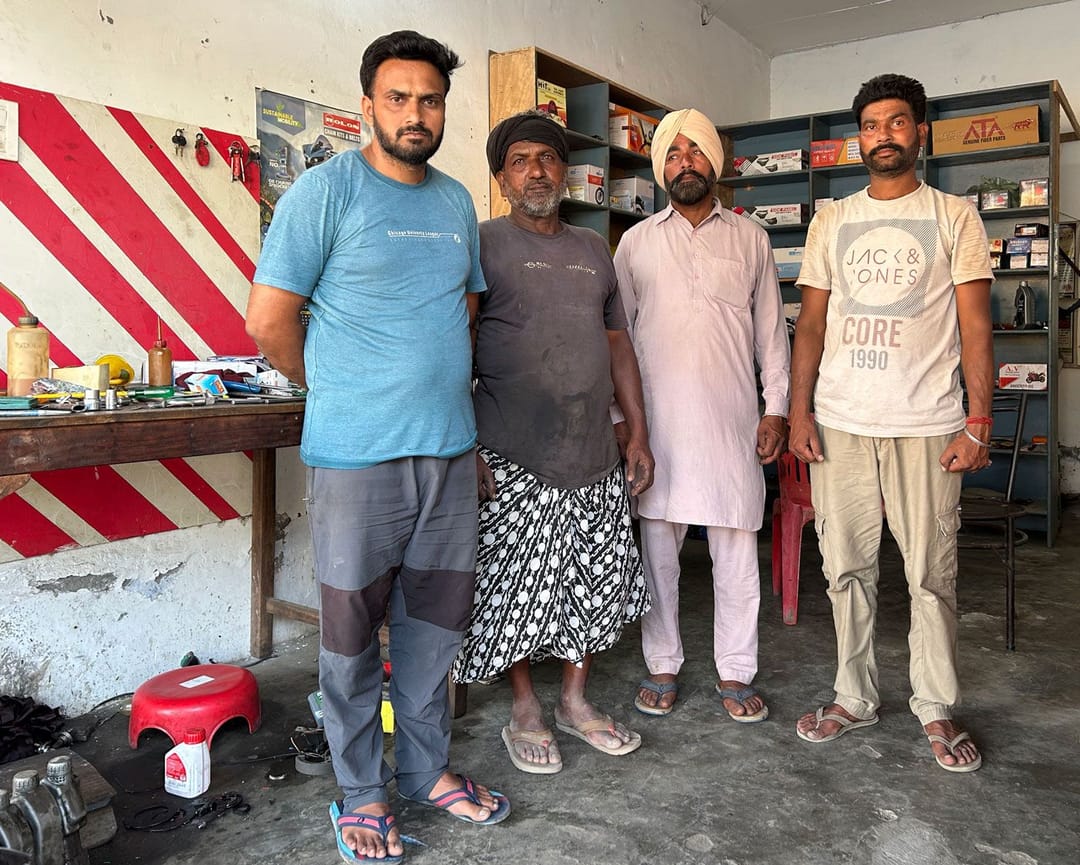
Around four kilometres from the border of Pakistan, Shamsher Singh is at work in his brother’s garage, going through his tools. He has been working here as a mechanic for the past three years, but not out of choice.
Shamsher, 35, is a third-generation porter who once worked at the Attari-Wagah border between India and Pakistan. His family belong to the Prajapati community, listed as Other Backward Class (OBC) in the state.
At this border of Punjab with Pakistan, hundreds of trucks carrying cement, gypsum and dry fruits would once arrive into India every day. Trucks carrying tomatoes, ginger, garlic, soybean extract and cotton yarn among other goods, would similarly cross over to Pakistan.
Shamsher was one of almost 1,500 porters whose job was “to unload and load these goods onto trucks for their onward journey at the border crossing.” There are no factories or industries in the area; landless residents of villages located within a 20 km radius of the Attari-Wagah border rely heavily on cross-border trade for their livelihood.