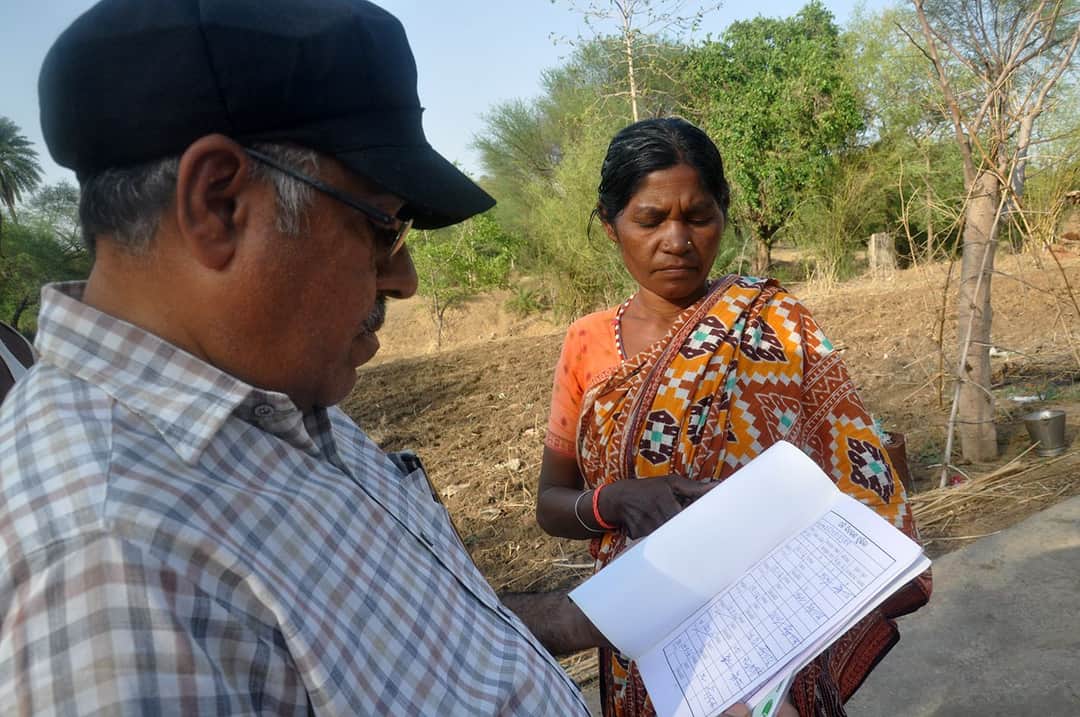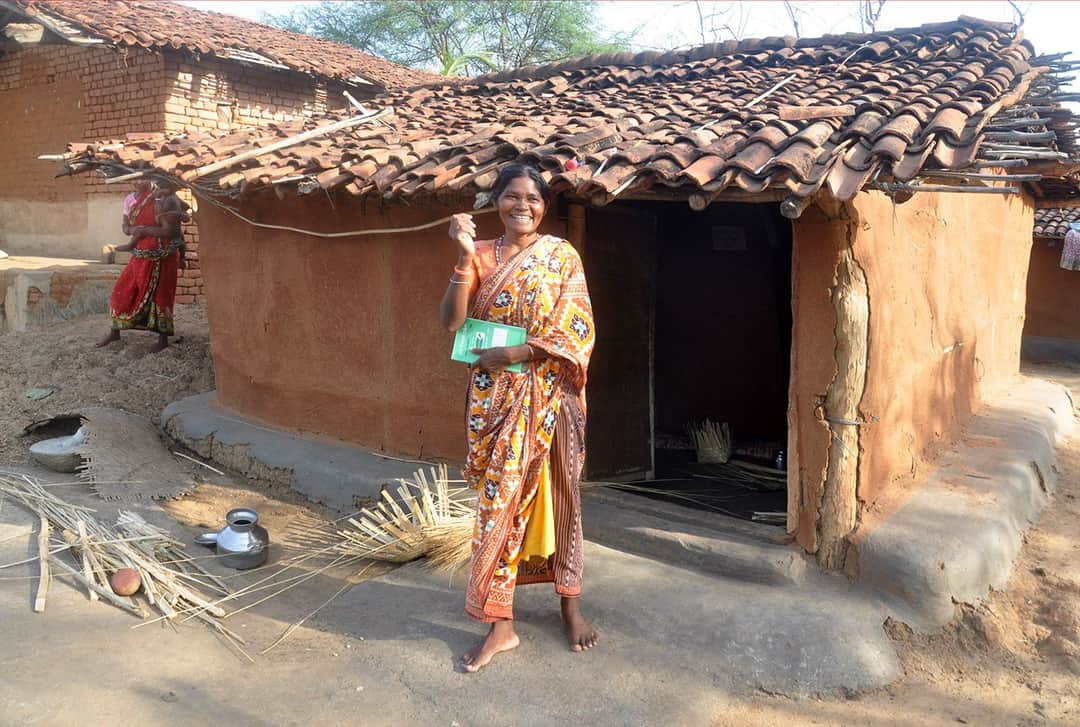

It has been 16 years since we first met Kamla Paharia, an Adivasi widow and mother of four, who lives in a mud hut on the farthest patch of Dhusamunda village of Balangir district in Odisha. At the time, Kamla had appealed to the court of the judicial magistrate in Kantabanji to order the rescue of her two-year-old son Kautuk, forcibly retained by a brick kiln owner in Hyderabad.
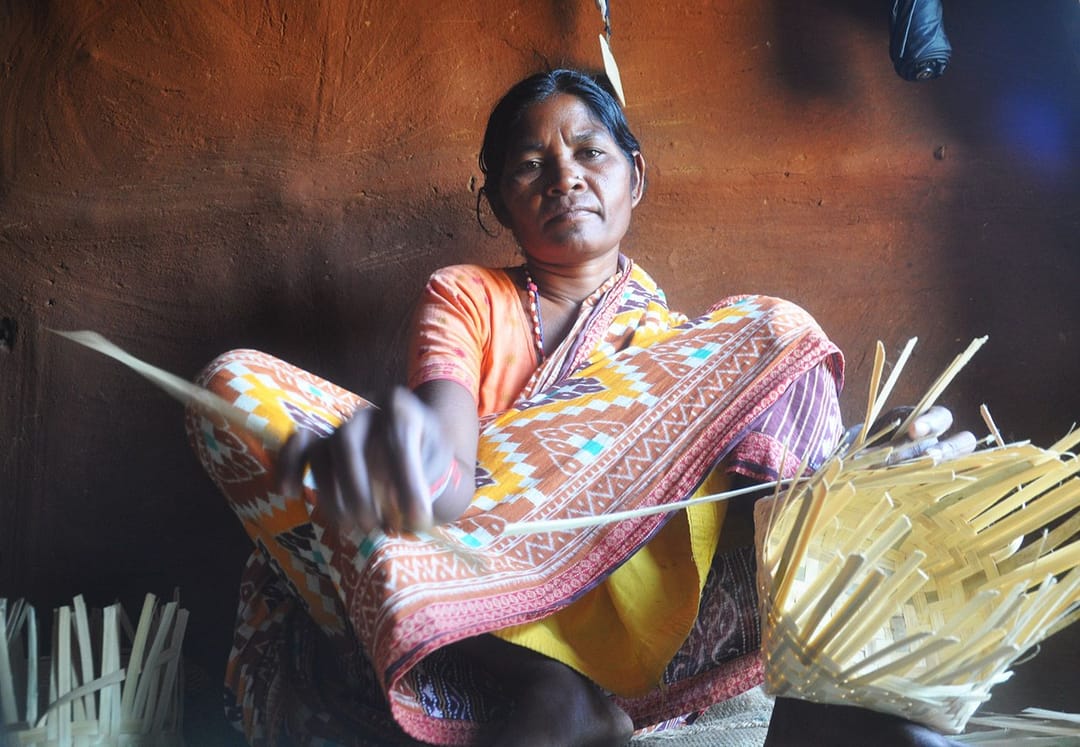
The family belongs to the Paharia tribe, who are traditional basket-makers. They had migrated to the city looking for work, but Kamla had been pregnant and fell ill, and they were forced to return to the village. The kiln owner kept their child to ensure recovery of the advance money the family had taken from him.
The court ordered the police to rescue the child, and Kautuk returned home.
In the years since, little has changed for the Paharias, also known as the Kamar community, who have been struggling to get the status of Scheduled Tribe in the eastern state of Odisha, whereas their counterparts in Chhattisgarh have been recognised as a Particularly Vulnerable Tribal Group (PVTG). Kautuk, now 18, has no option but to become a migrant labourer himself. He works on construction sites in Mumbai.
“This is the second time since he left school in Class 8 that he has migrated to the city for work," says Kamla. "I pleaded with him to continue his education but he did not listen." Young men from the area say they prefer to work in the construction industry – it affords them more freedom and is less torturous than work at the brick kilns.
Kautuk is the eldest of Kamla's four children. Her daughters are all in school. Sakrabati, 14, is in Class 9, Chandrakanti is 13 and in Class 8, and 10-year-old Premalata is in Class 4. Chandrakanti and Premalata are in Kasturba Gandhi ashram schools, residential schools meant mainly for Scheduled Tribe and Scheduled Caste children. Sakrabati too was at an ashram school, but now she lives at home and goes to a high school in a nearby village by bicycle.
“Kamla has struggled a lot but never gives up," says Bishnu Sharma, a local advocate, human rights activist and authority on migration issues in the region. "She fought the system to get her daughters admitted to the ashram schools. The authorities denied admission at first, saying the Paharias are not a Scheduled Tribe."