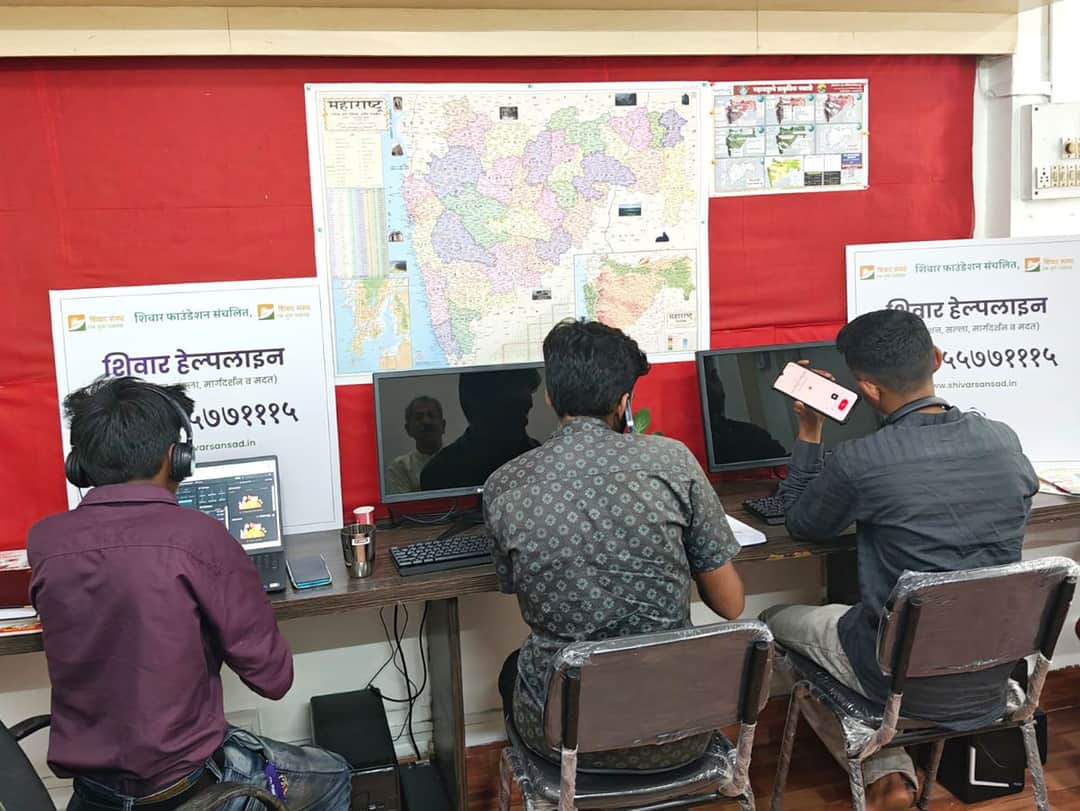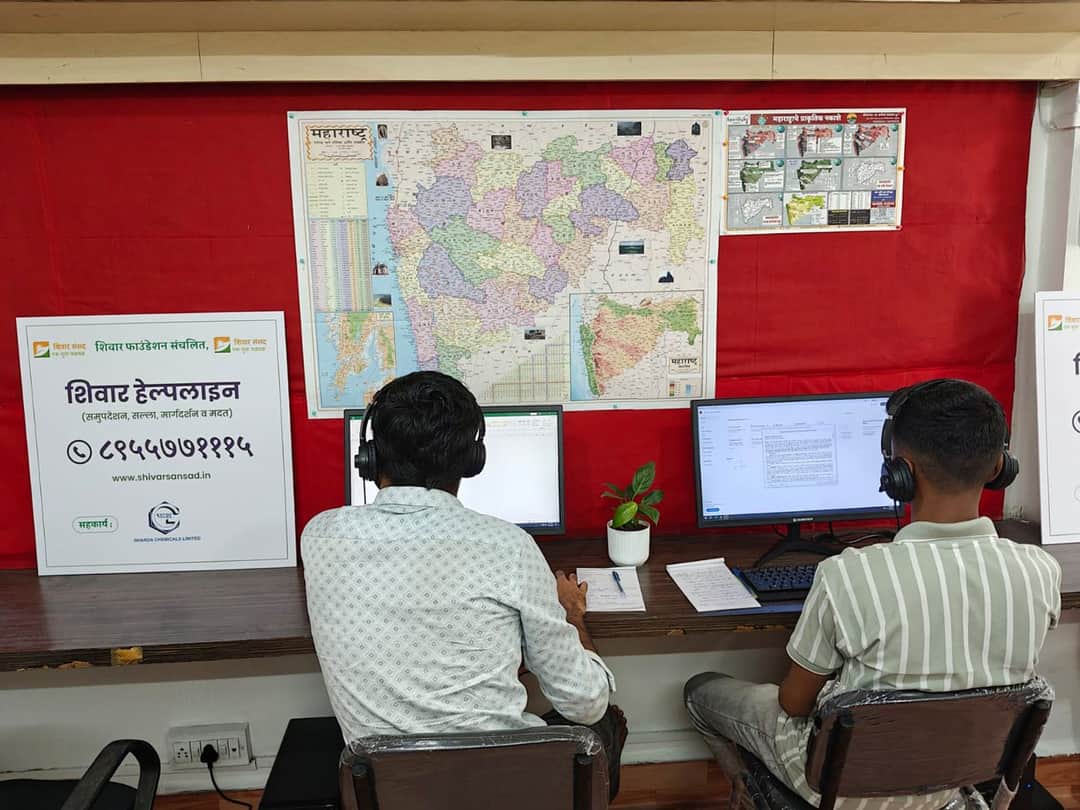

As his cell phone starts buzzing, 20-year-old Kirit quickly settles before a desktop, slides on his headphones, picks up a pen, and flips open his diary.
“Namaskar, Shivar Helpline,” he says, in a quiet and steady voice.
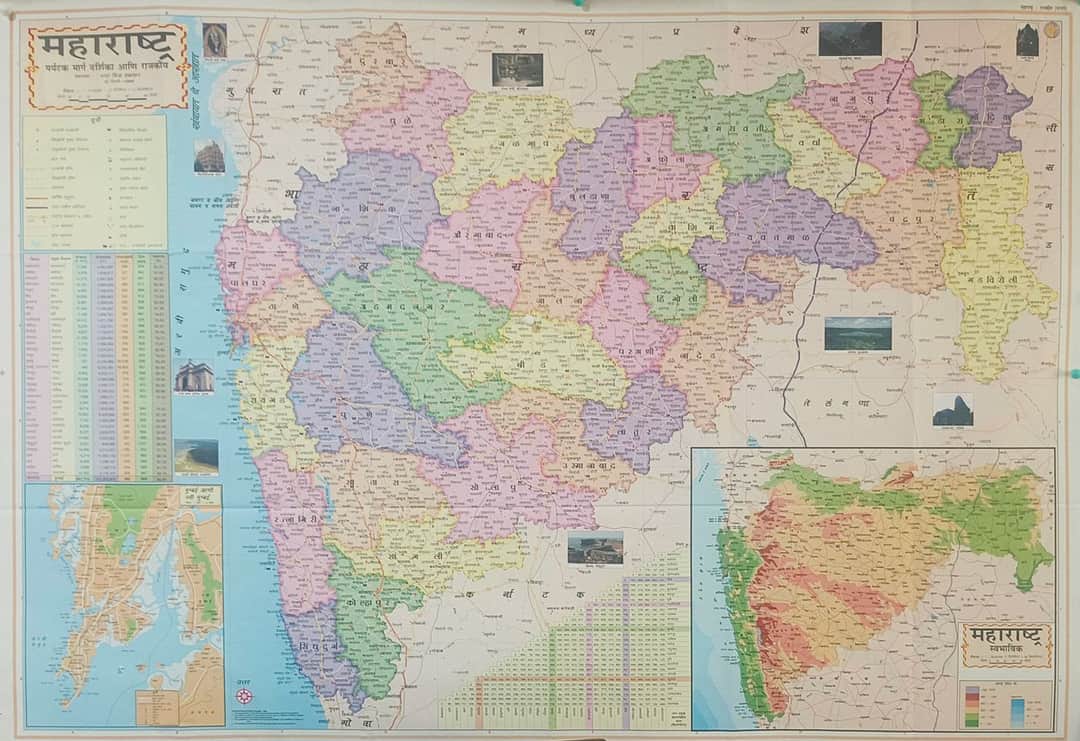
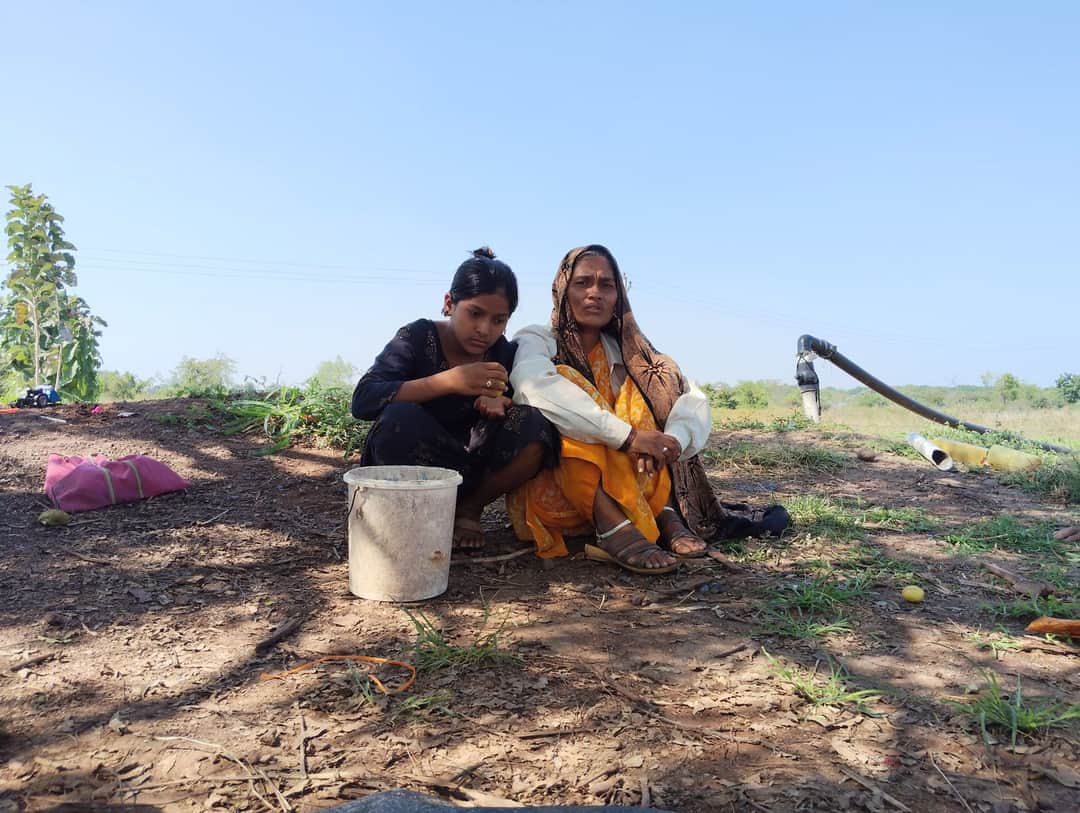
On the other end is a middle-aged woman-farmer, Parvati from a village in Maharashtra’s Nanded district.
“How may I help you?” asks Kirit, speaking in Marathi. A third year BA Psychology student of a college in Pune, he is originally from a village in Parbhani.
Paravti hesitates. Her voice trembles.
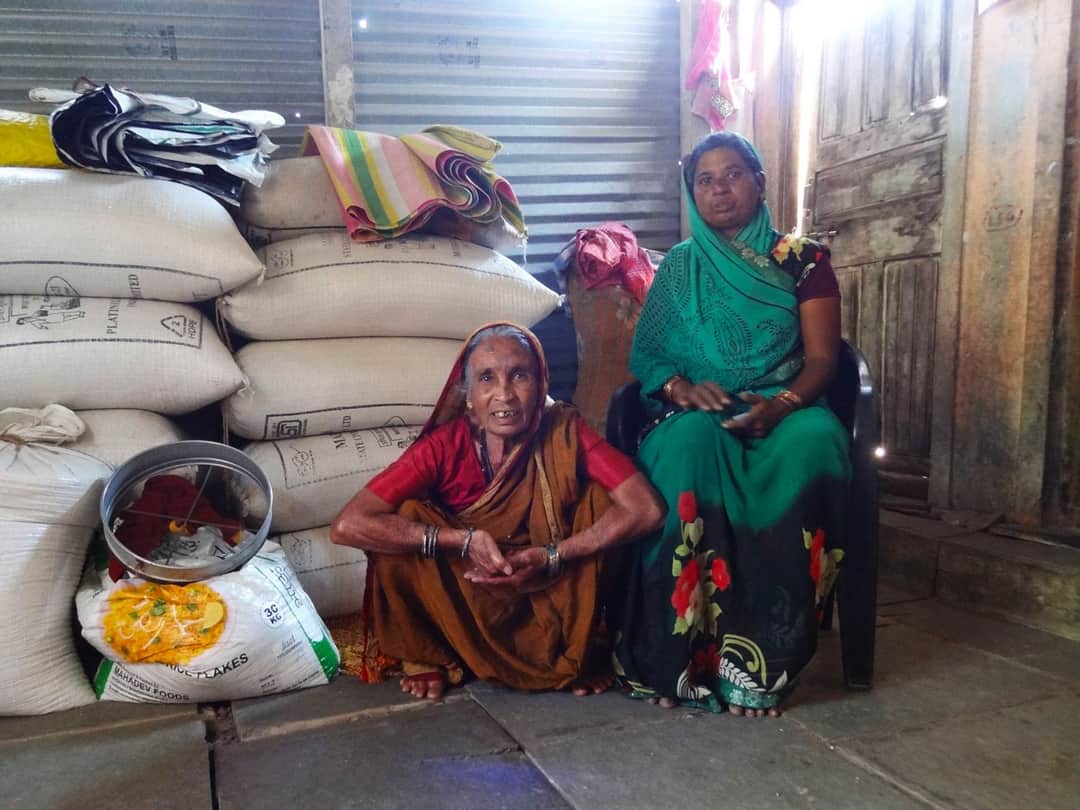
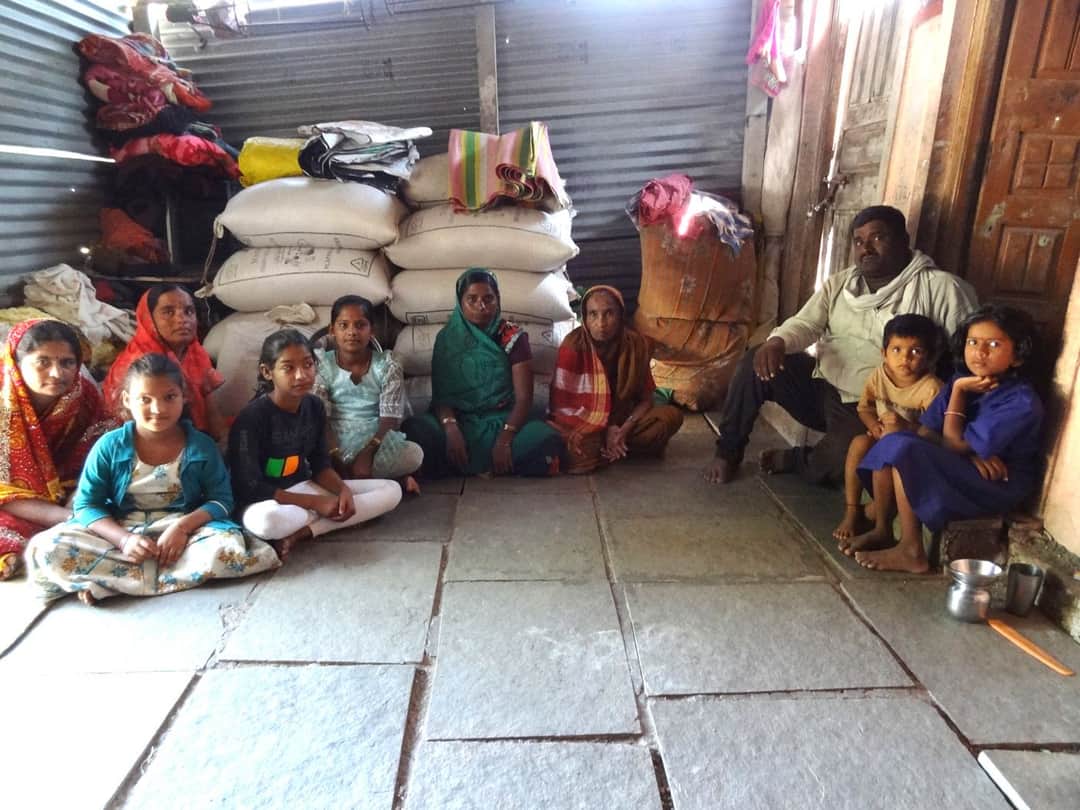
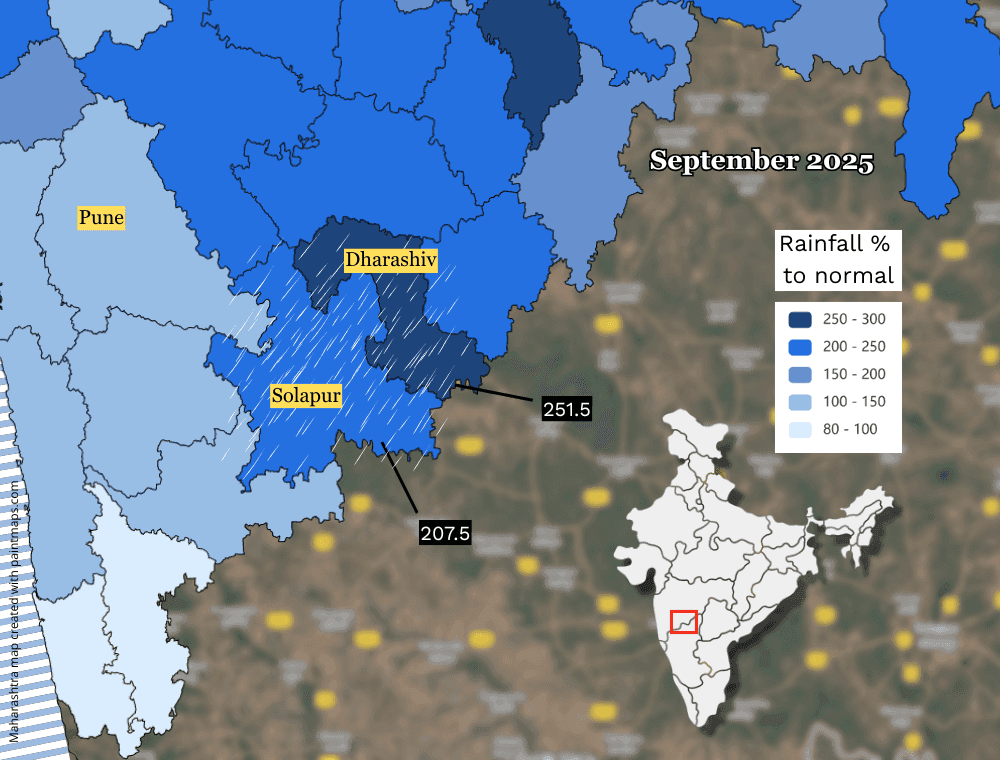
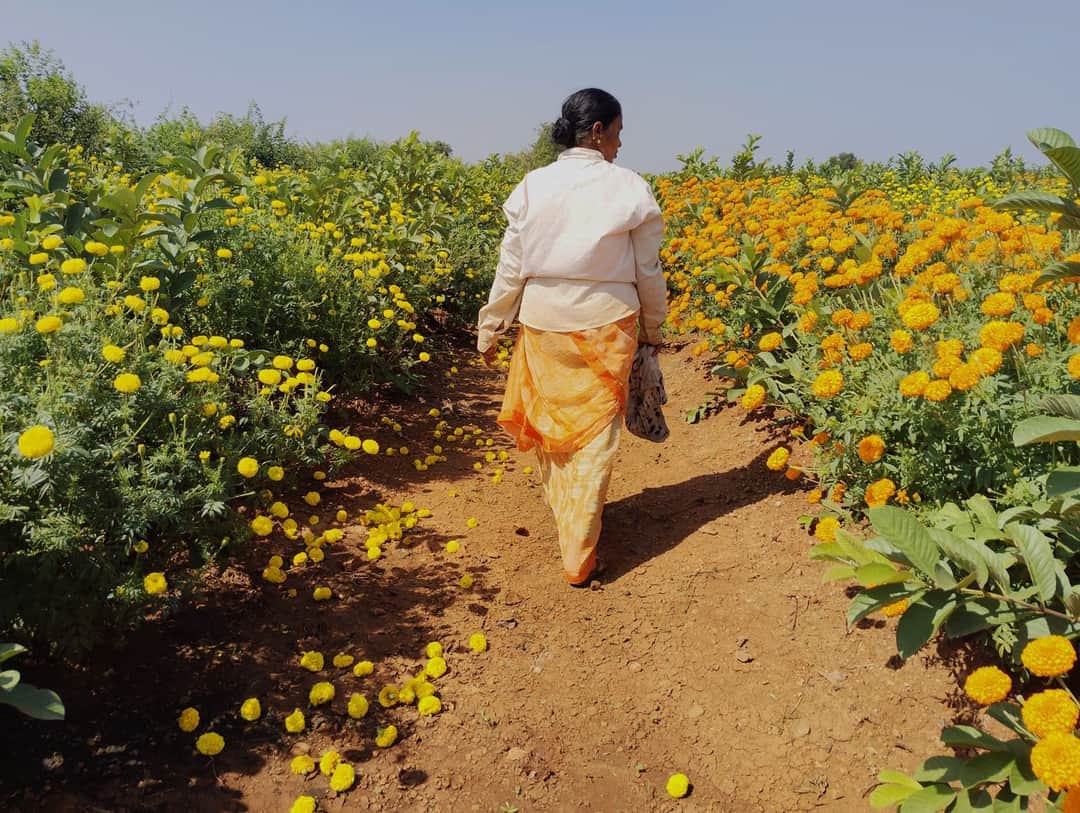
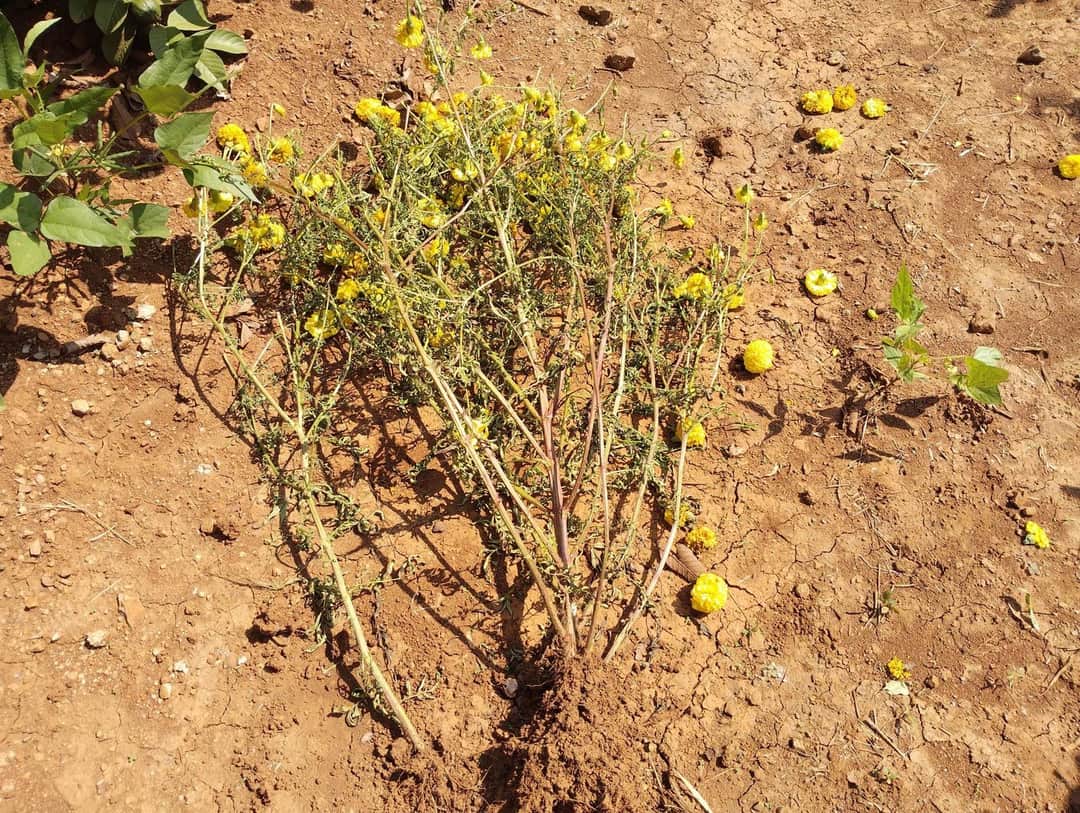
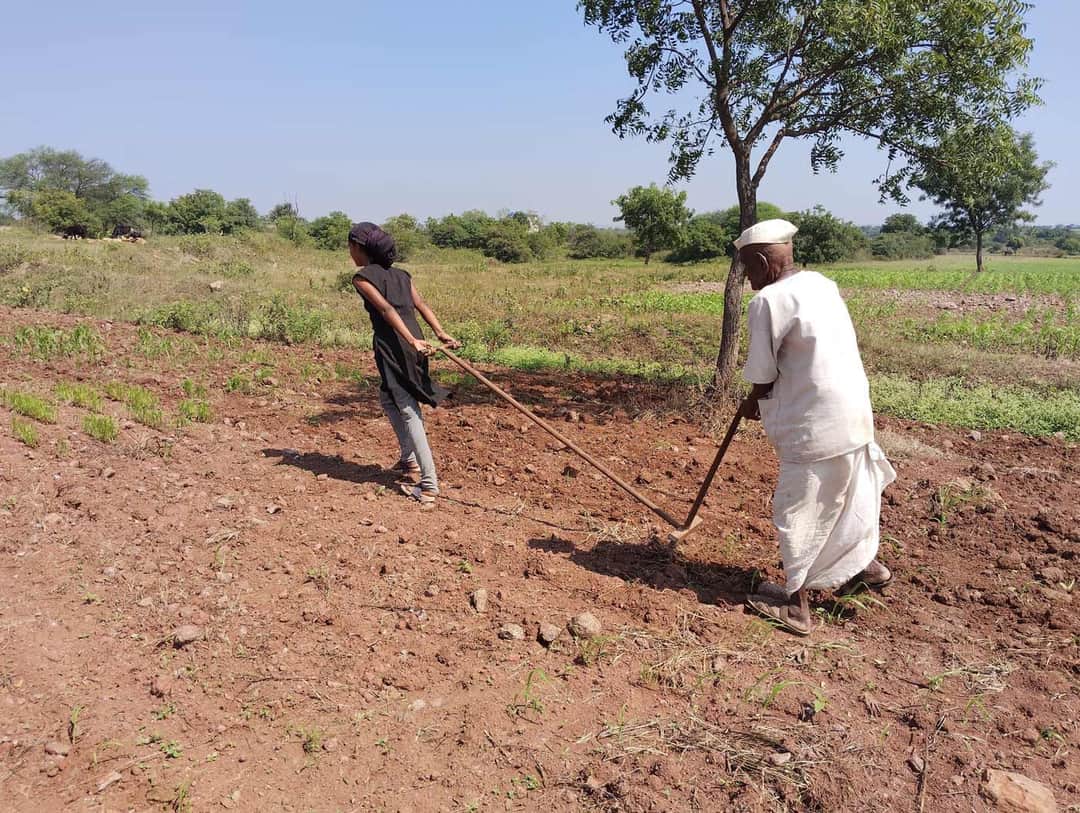
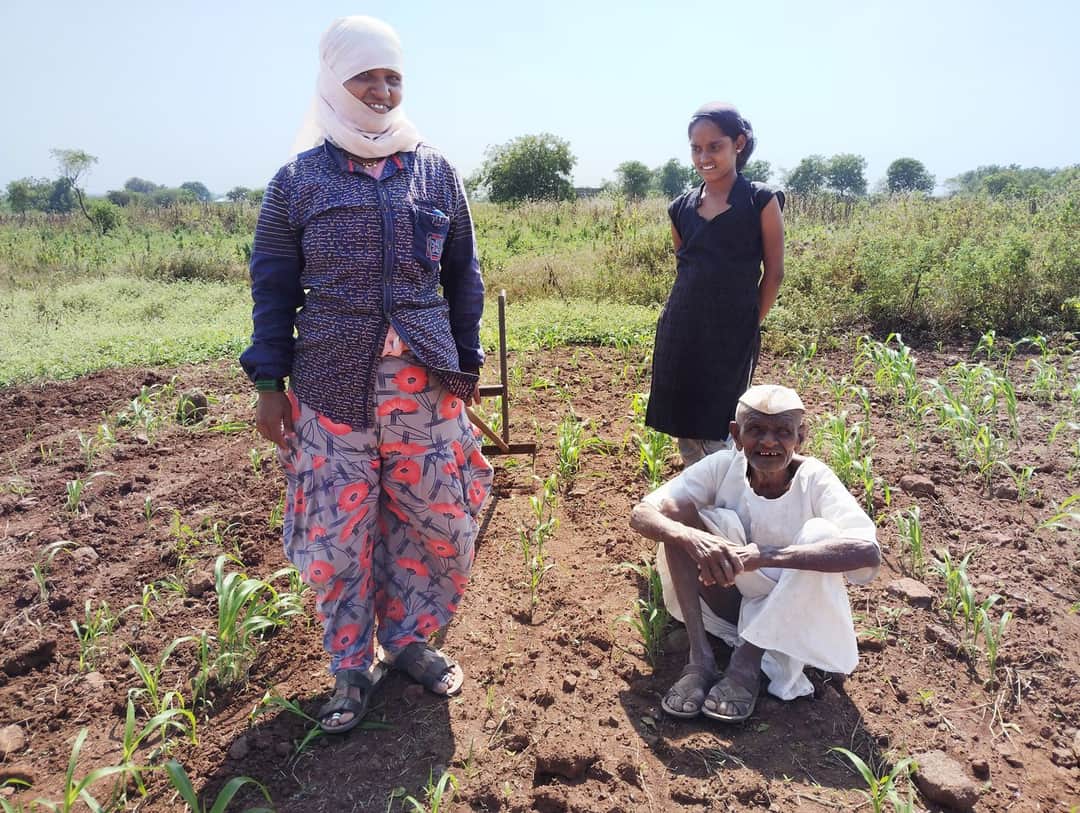
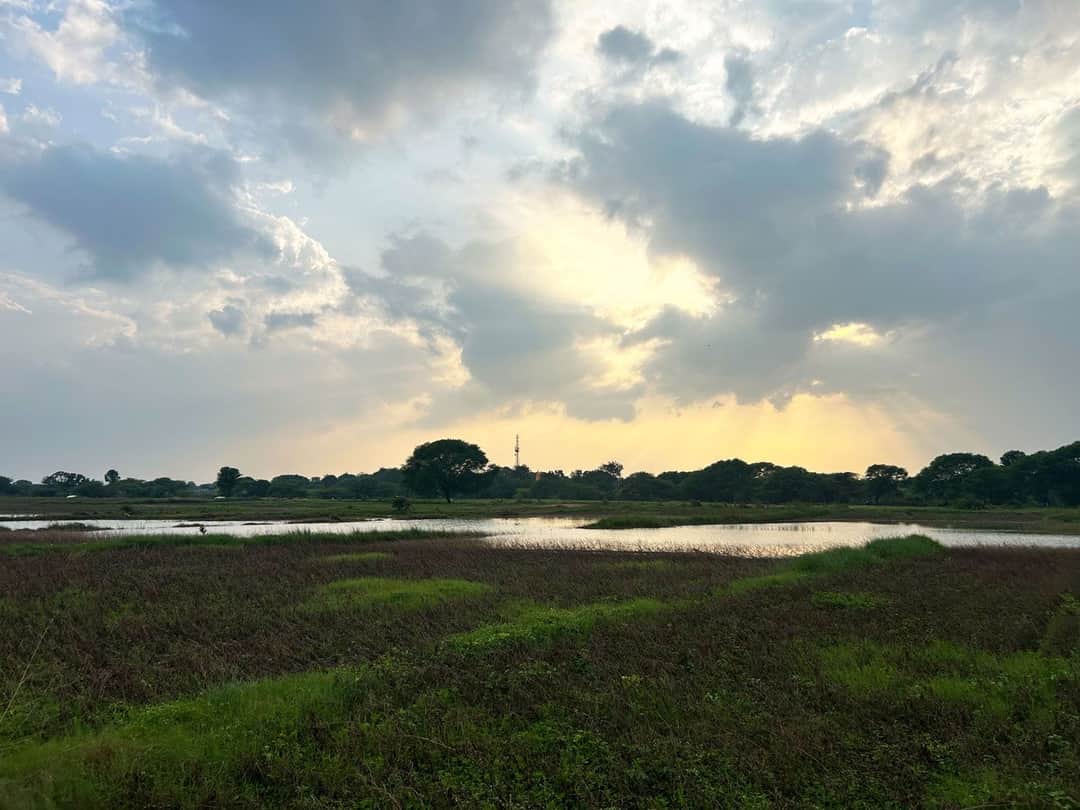
“Rains destroyed all our crops,” she manages to say. “Soybean, tur…the goats are gone too. There’s no work now.” The family’s stable fallback – farming, livestock, seasonal labour – has disappeared under water. Loans remain unpaid; hope has drowned. She asks if he can provide green-gram seeds for the upcoming rabi season.
“If we get seeds, we will at least be able to see through the summer,” she reasons.