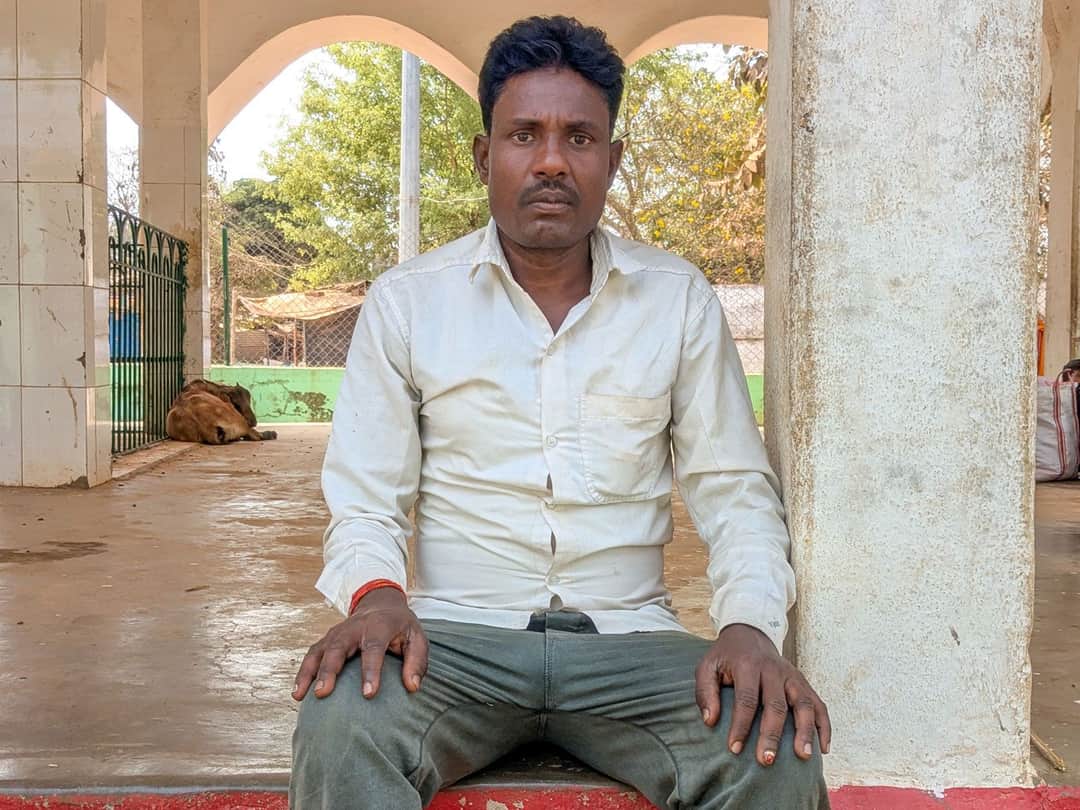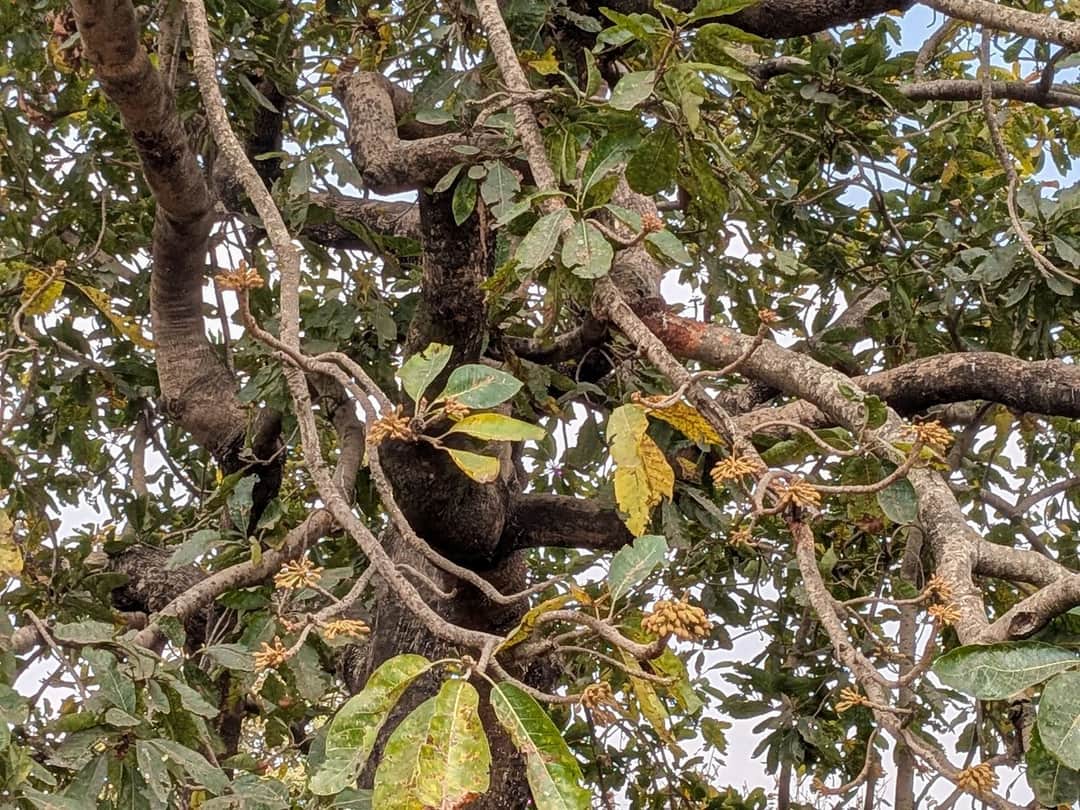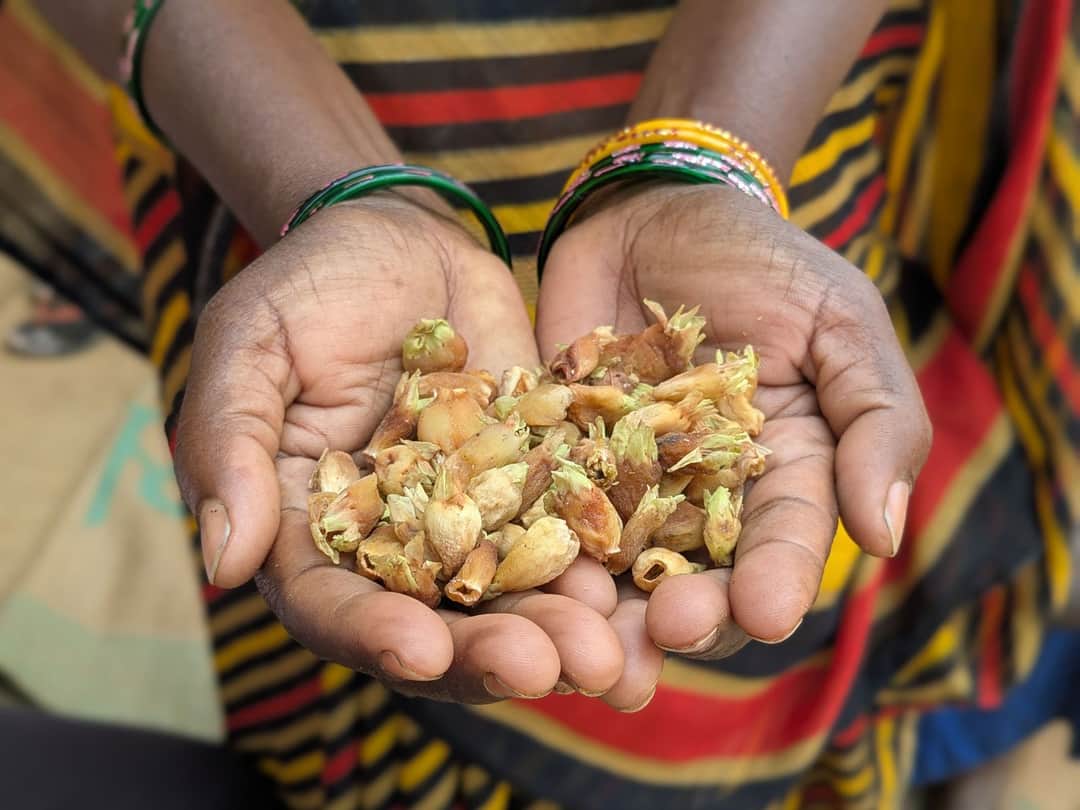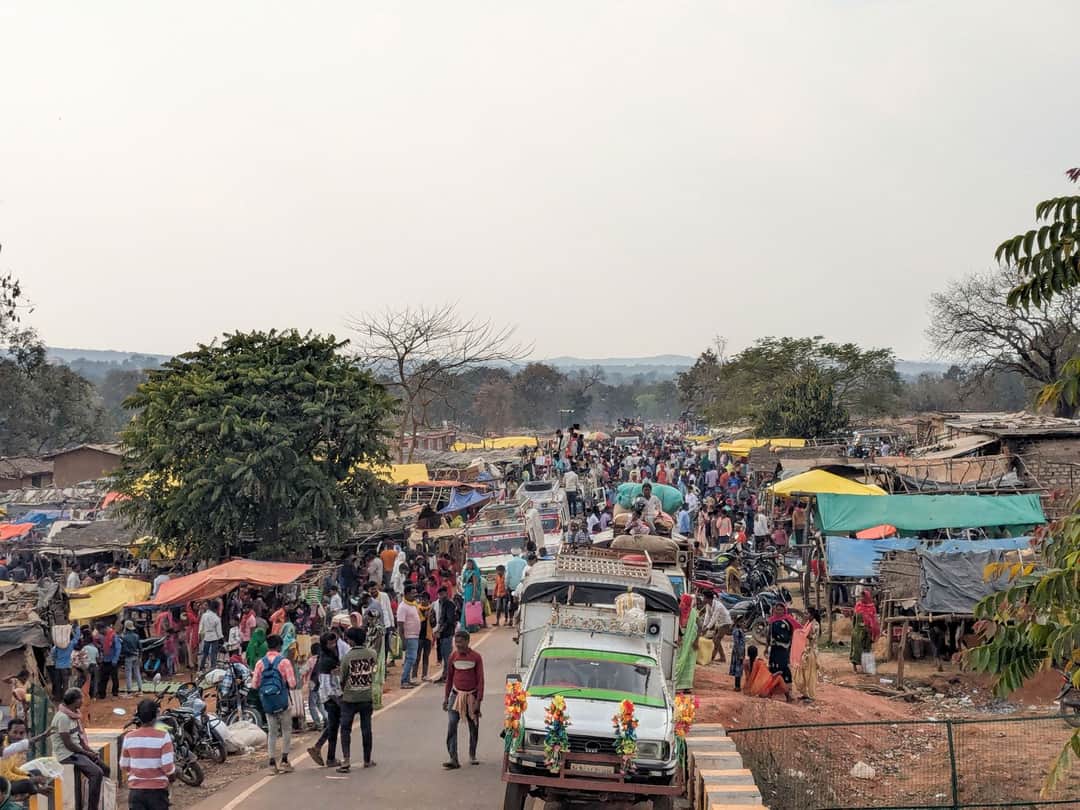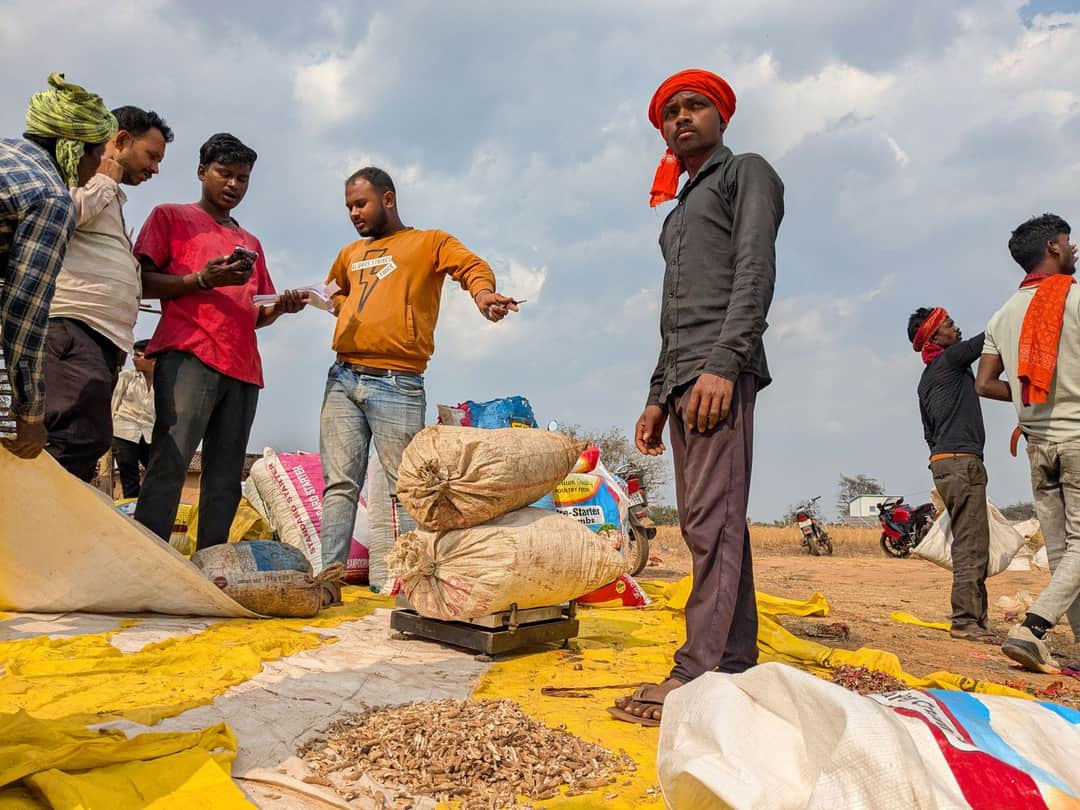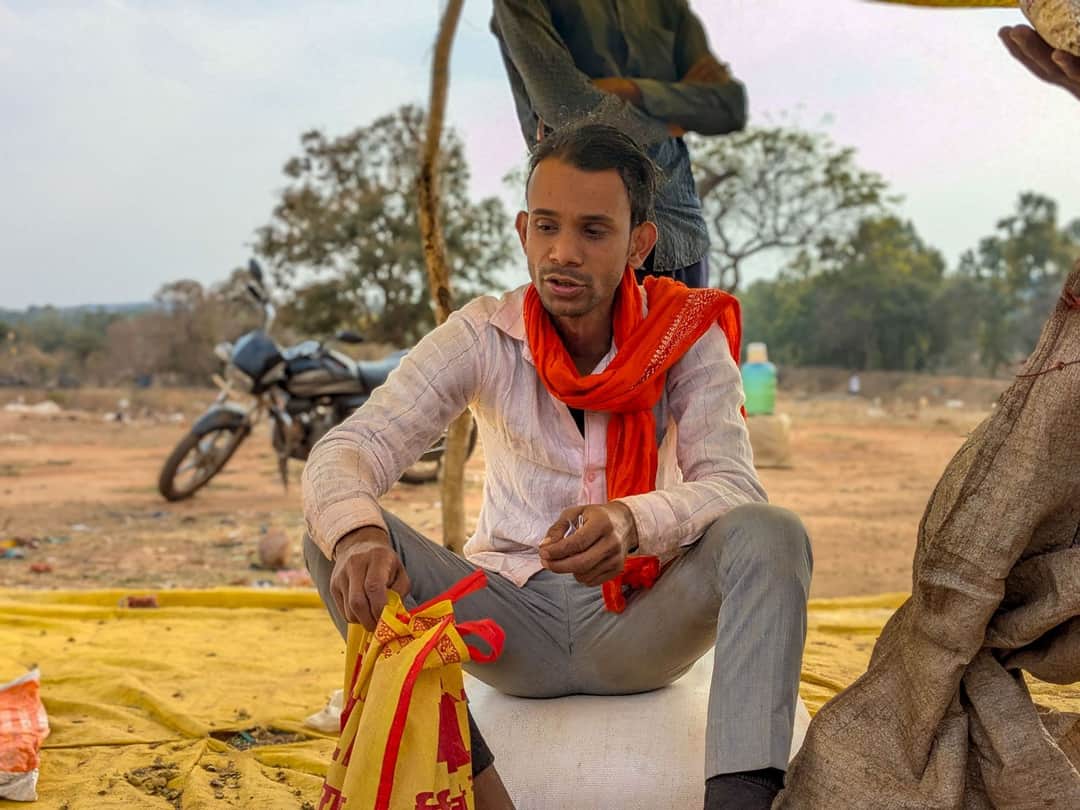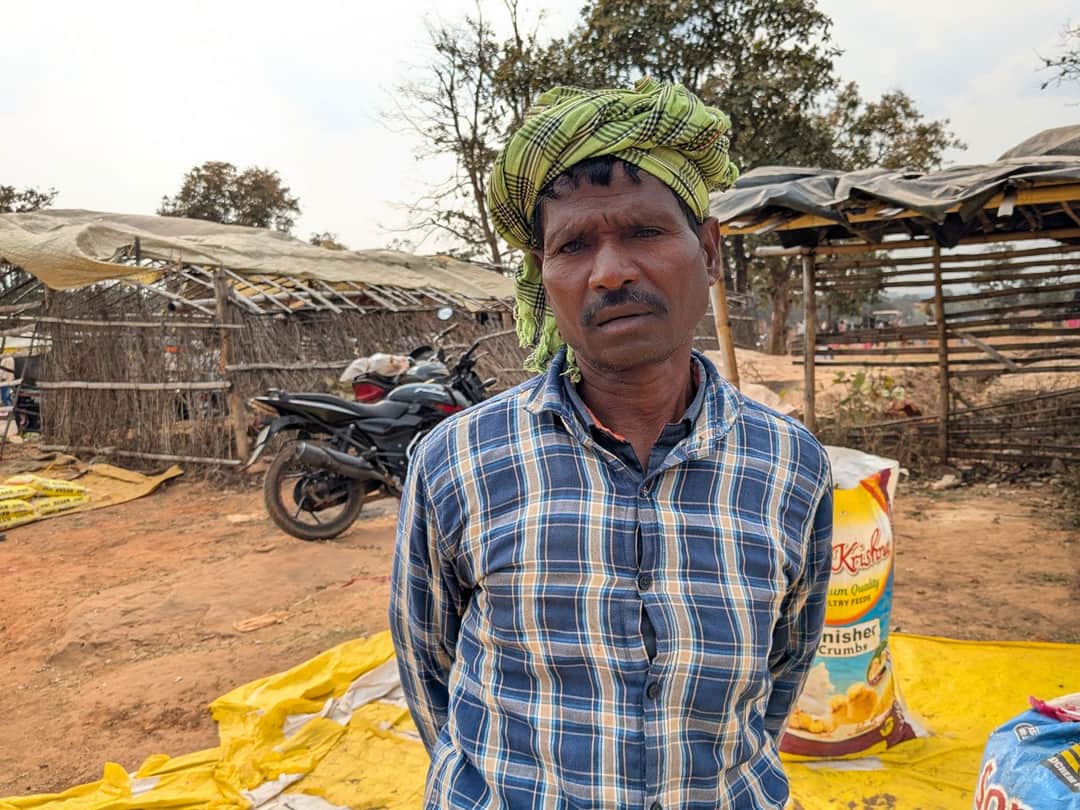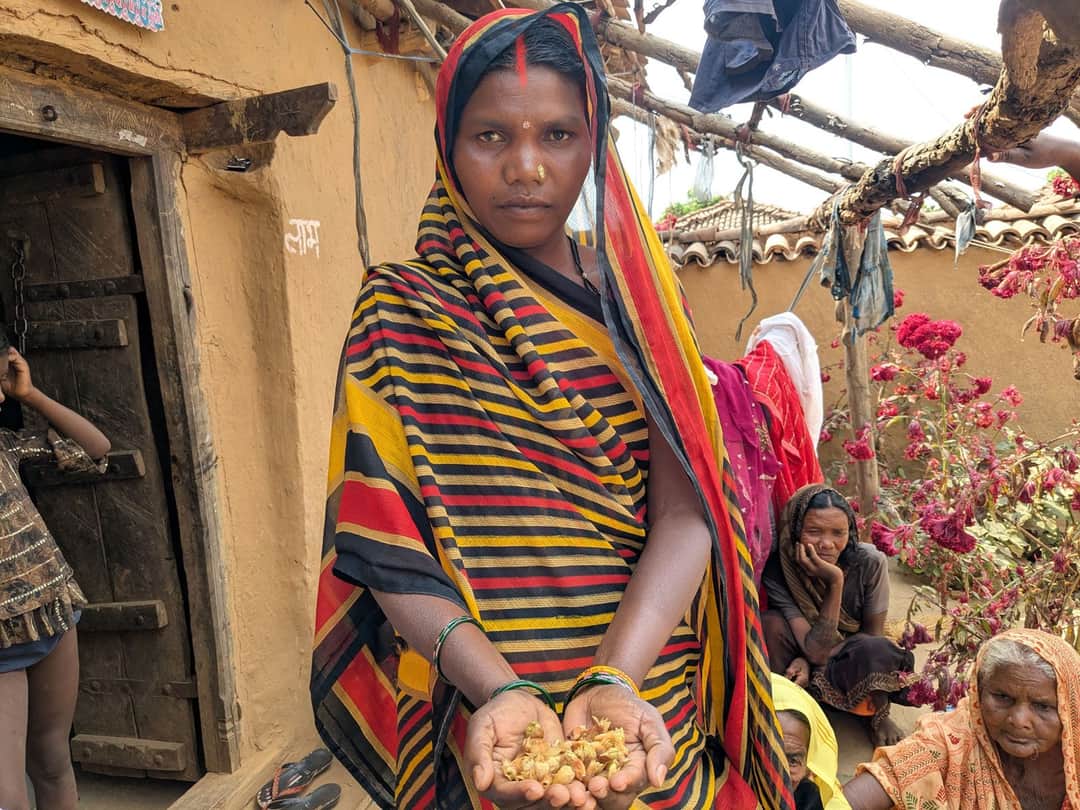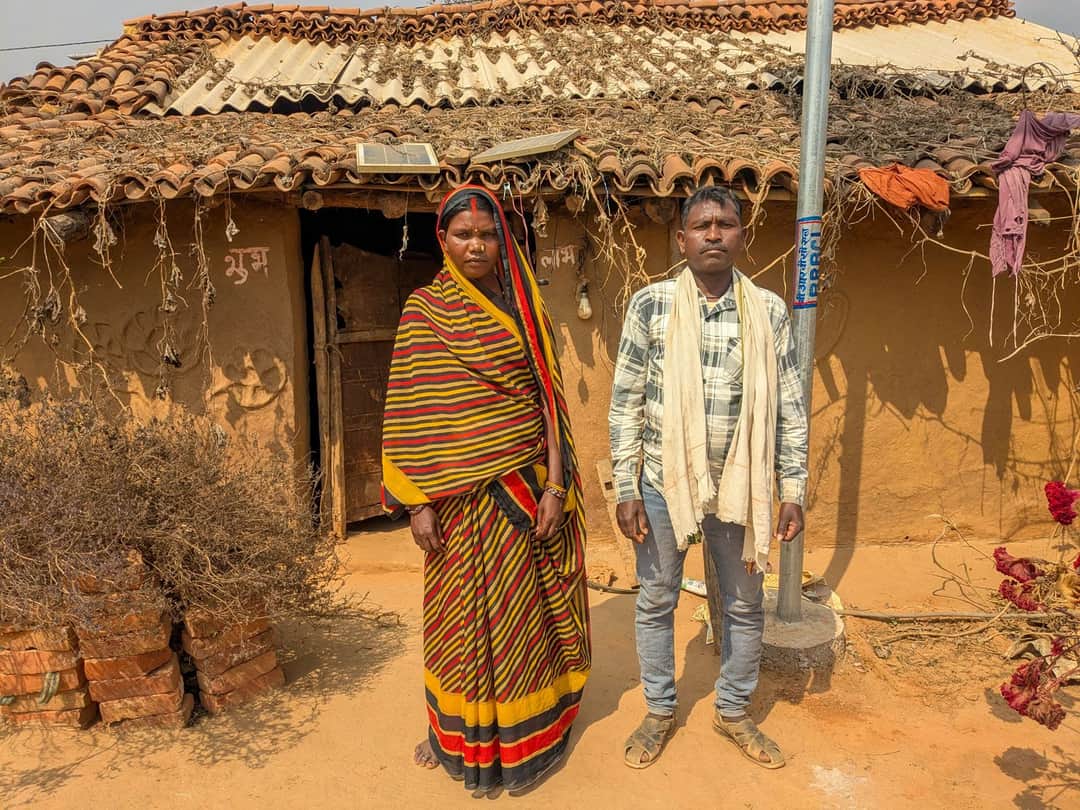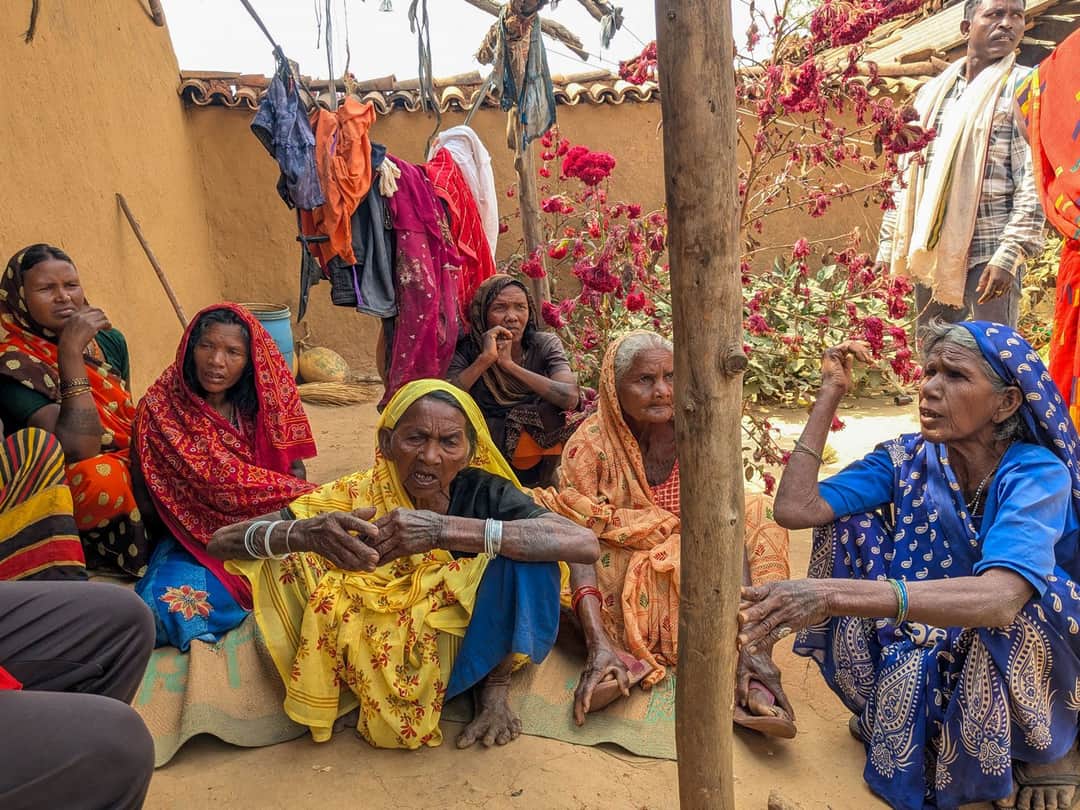

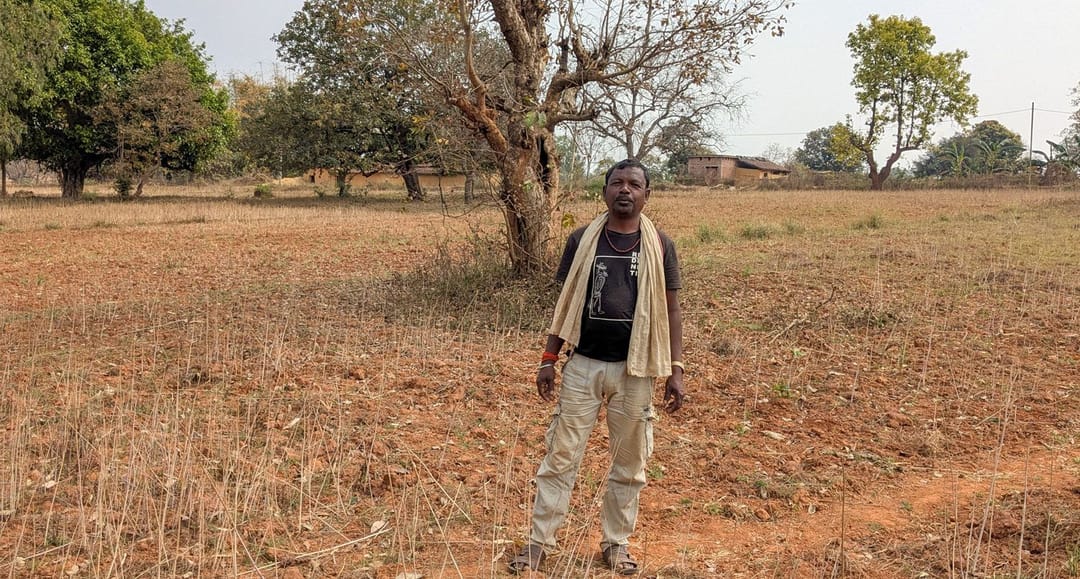
Srinath Singh Kharwar recalls the silence in the dense forests of Adhaura when he and his friends would enter to harvest tendu (Diospyros melanoxylon) leaves. The silence would soon be replaced by the voices of his fellow Adivasis talking and singing. “We carried food and water from home. As we chatted and conversed amongst ourselves, the forest would come alive,” Srinath says, recalling the festive atmosphere.
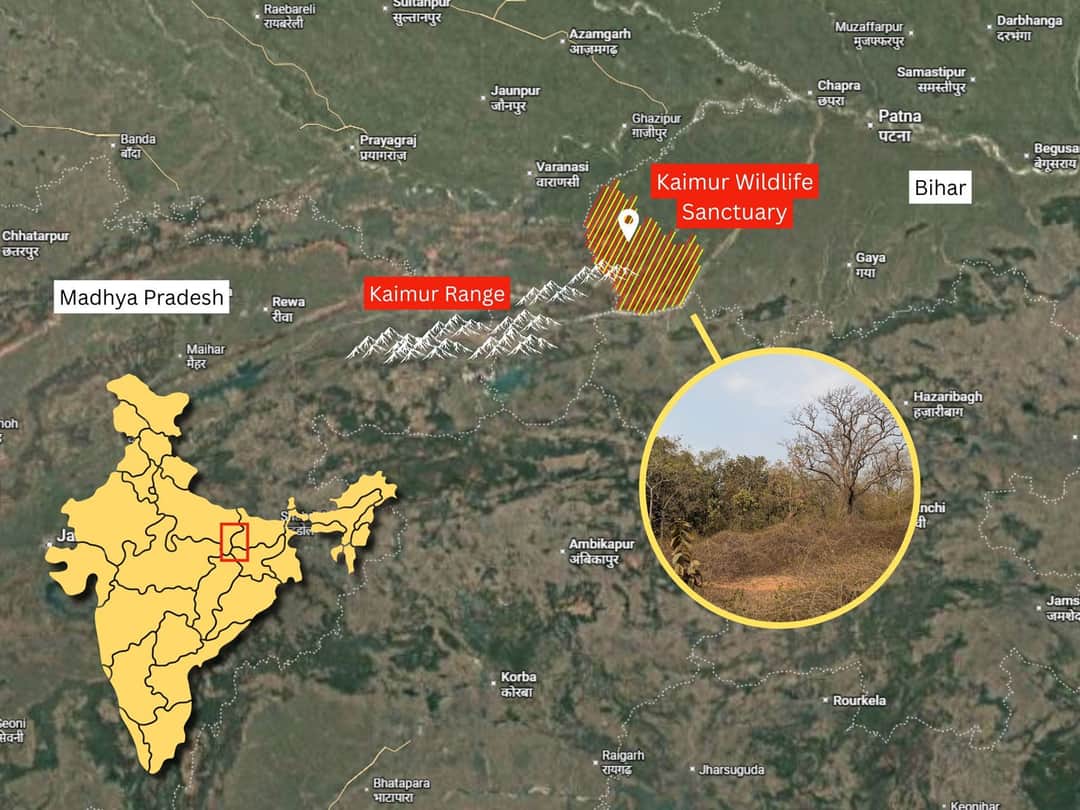
The 47-year-old Srinath is reliving memories from nearly two and a half decades ago. We are seated next to each other on a bus bound for the Adhaura hills. The bus left the slumbering town of Bhabhua in Kaimur, a southern district of Bihar, early in the morning. Most of our co-travellors are Adivasis who migrate out for work, now returning to their villages.
Srinath is returning to his village Chanpura. He now works at a cement factory in Patratu, Jharkhand, the neighbouring state carved out of Bihar. Prior to this, he had worked in factories in distant states like Delhi and Maharashtra, but no more. “Unlike Delhi or Maharashtra, It is easy to reach home quickly from Patratu,” Srinath adds.
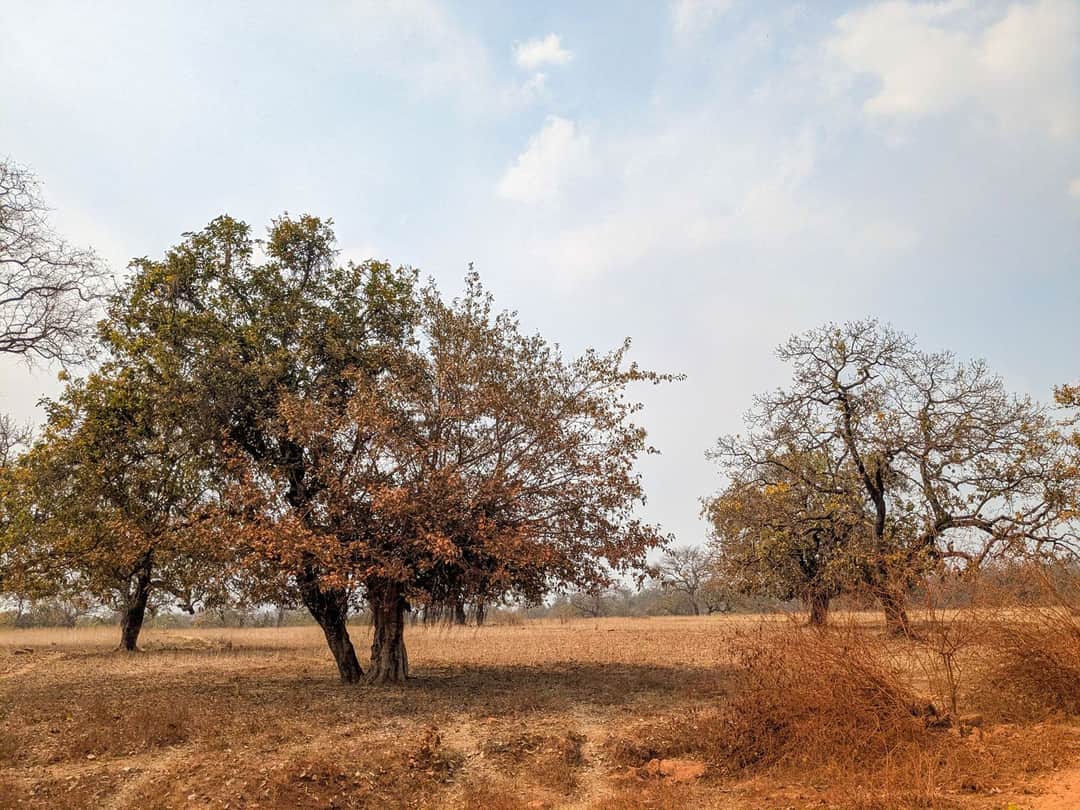
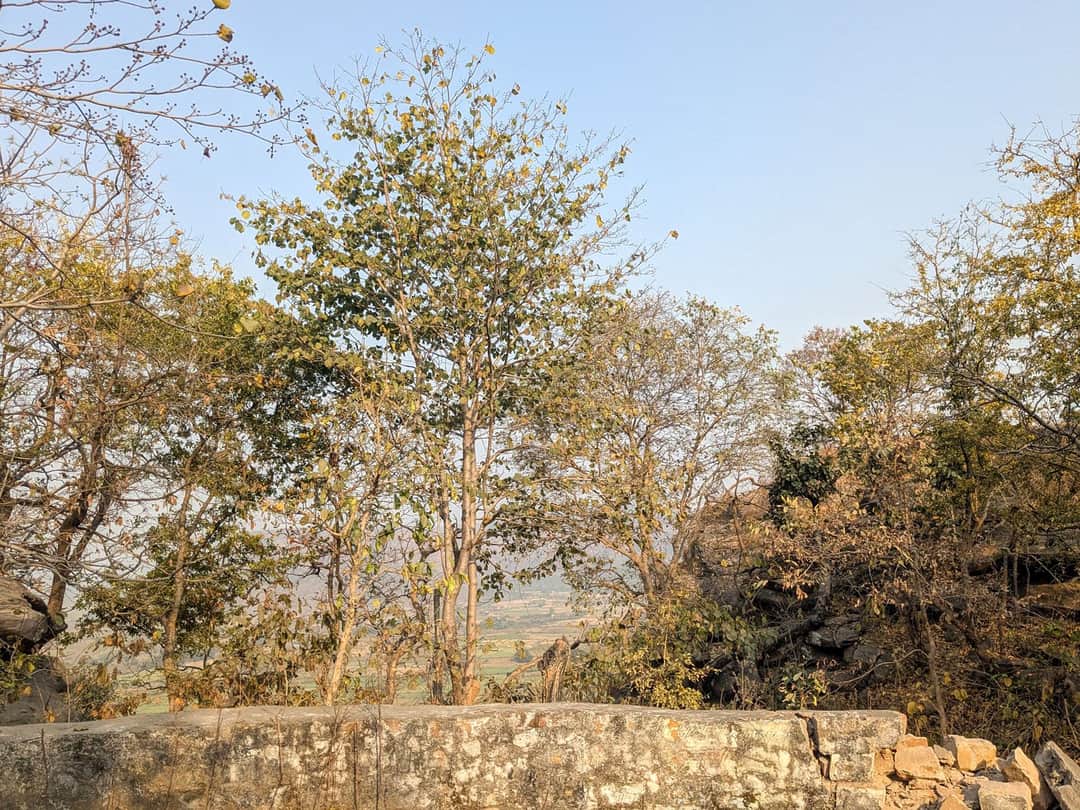
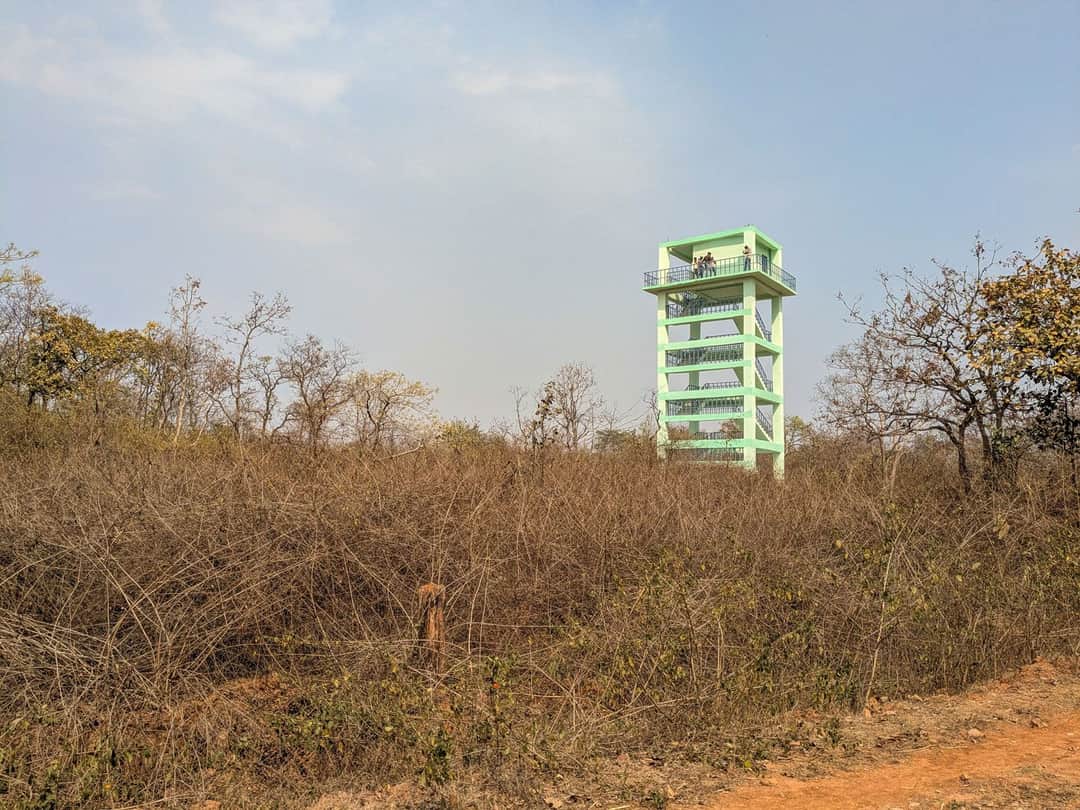
The sun is up as the bus slowly climbs the Adhaura hills tracing a winding road. All along the way, big trees in this tropical dry mixed deciduous and sal forests have dropped their yellowing leaves and are standing with skeleton-like branches. Within a few minutes of climbing the hills, the mobile network is gone; only the Bharat Sanchar Nigam Limited (BSNL) network now works here.