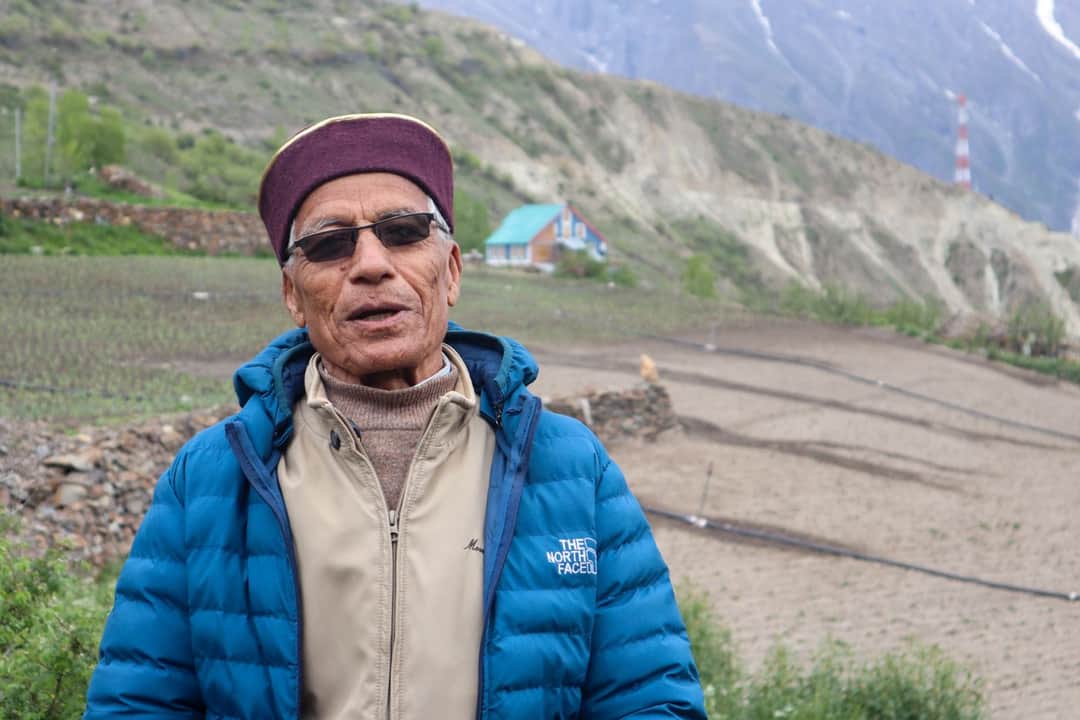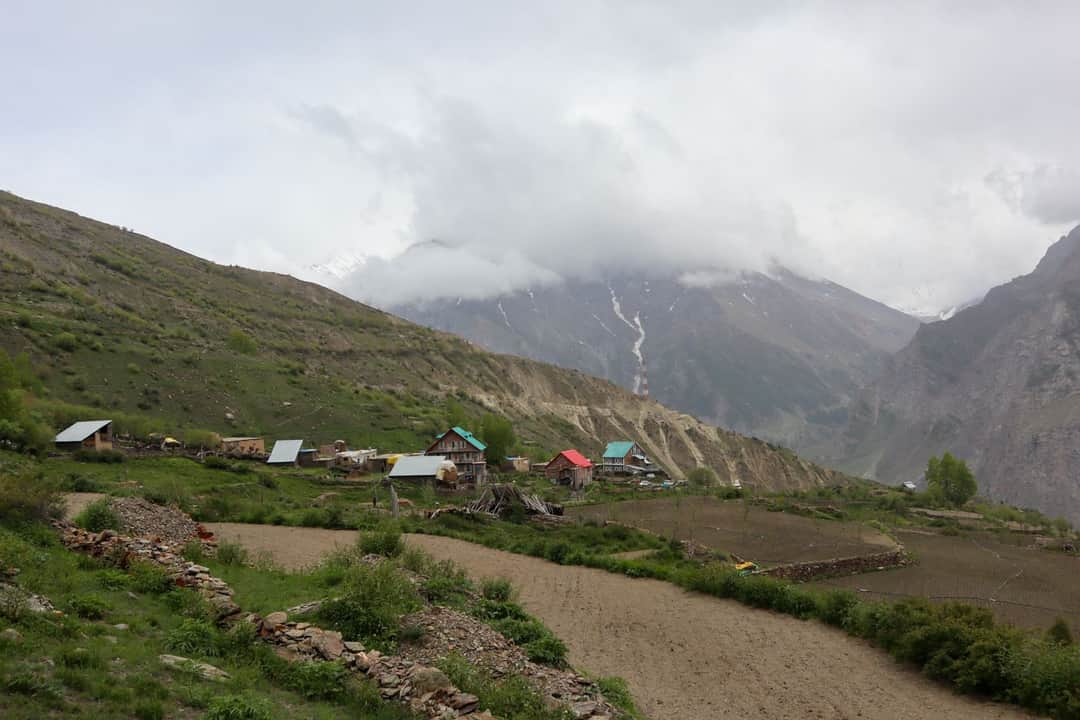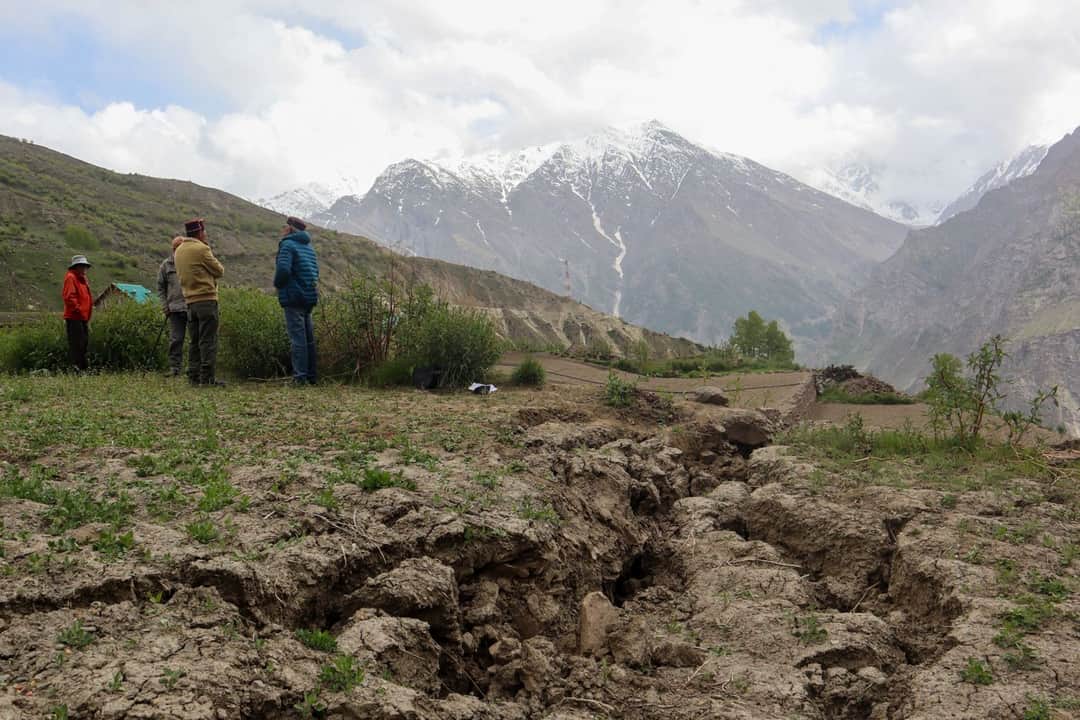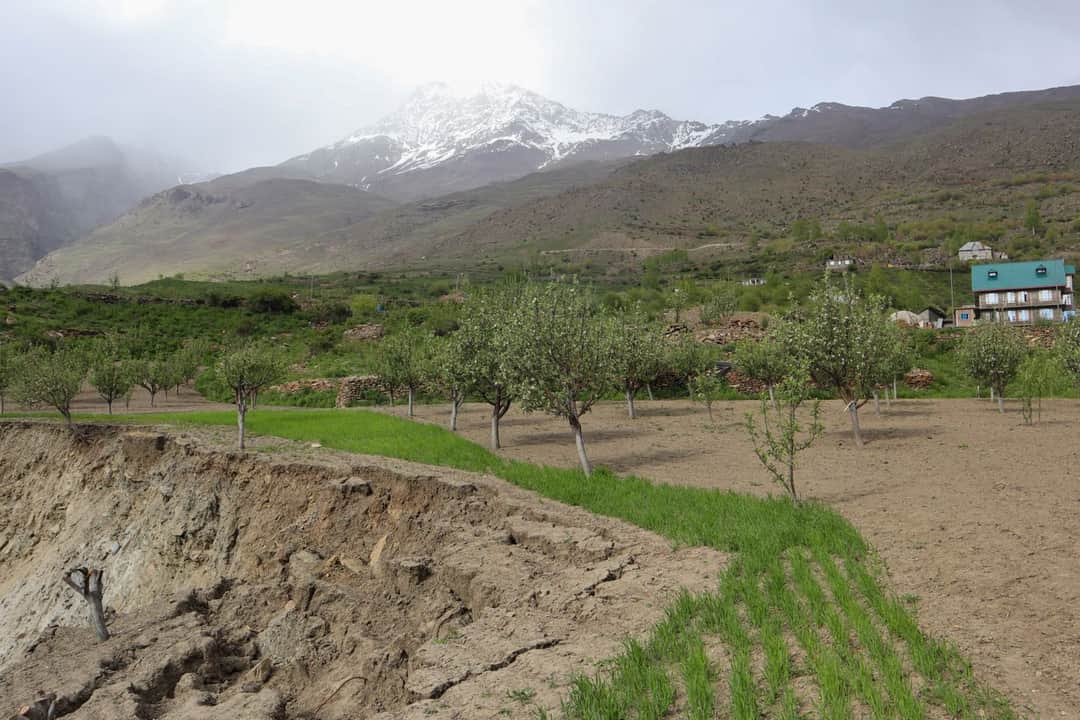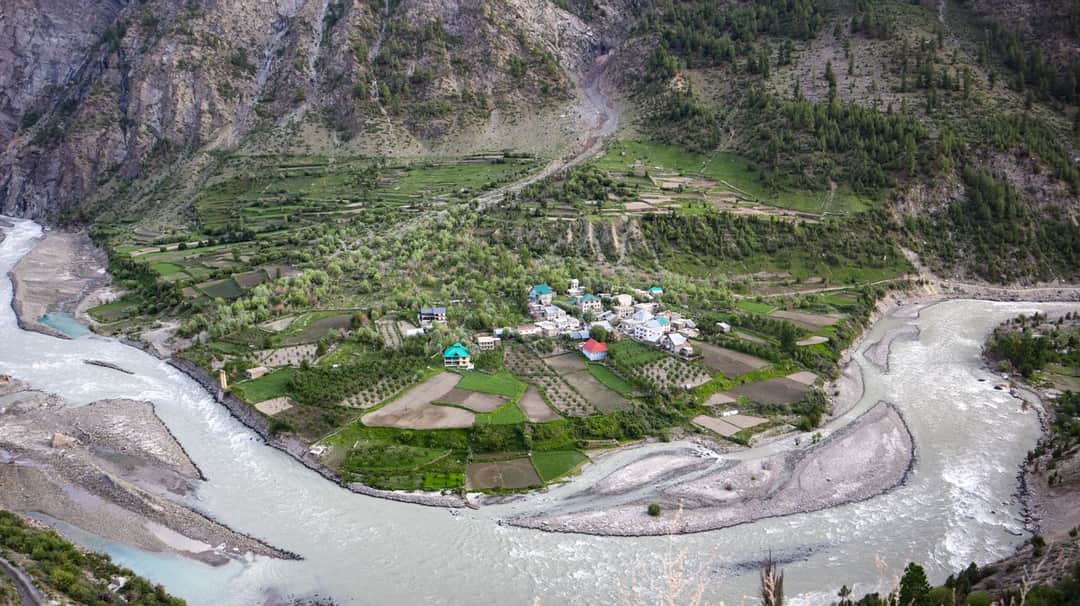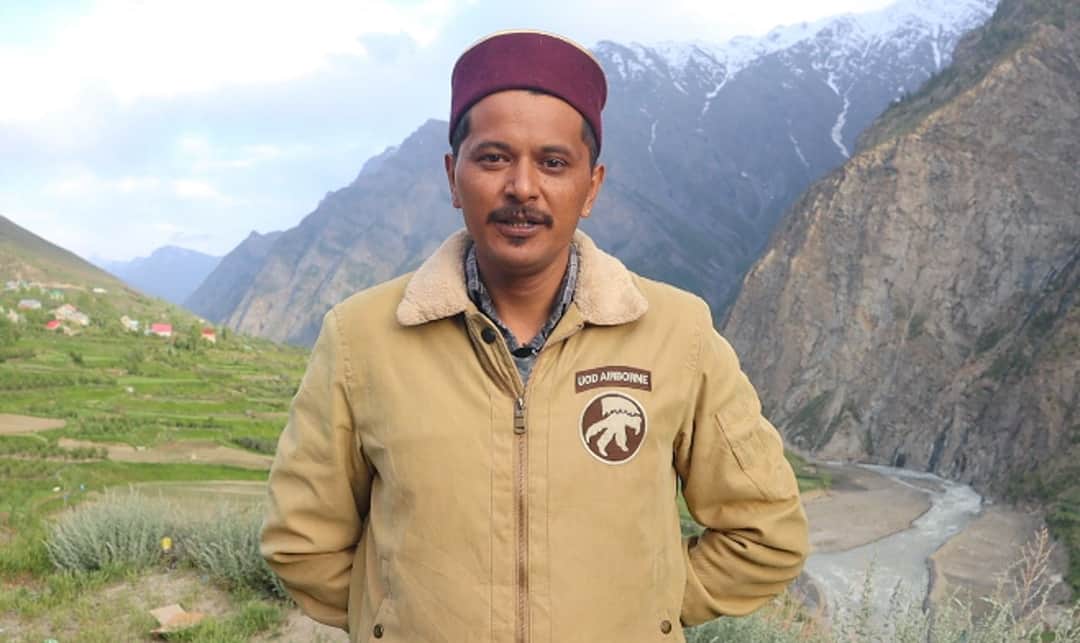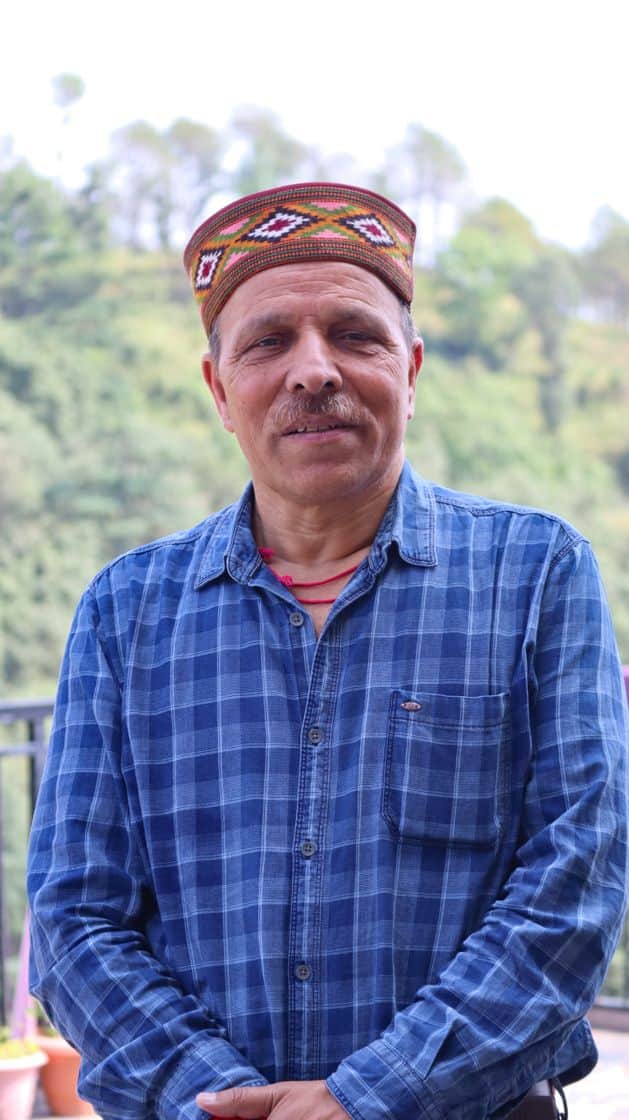

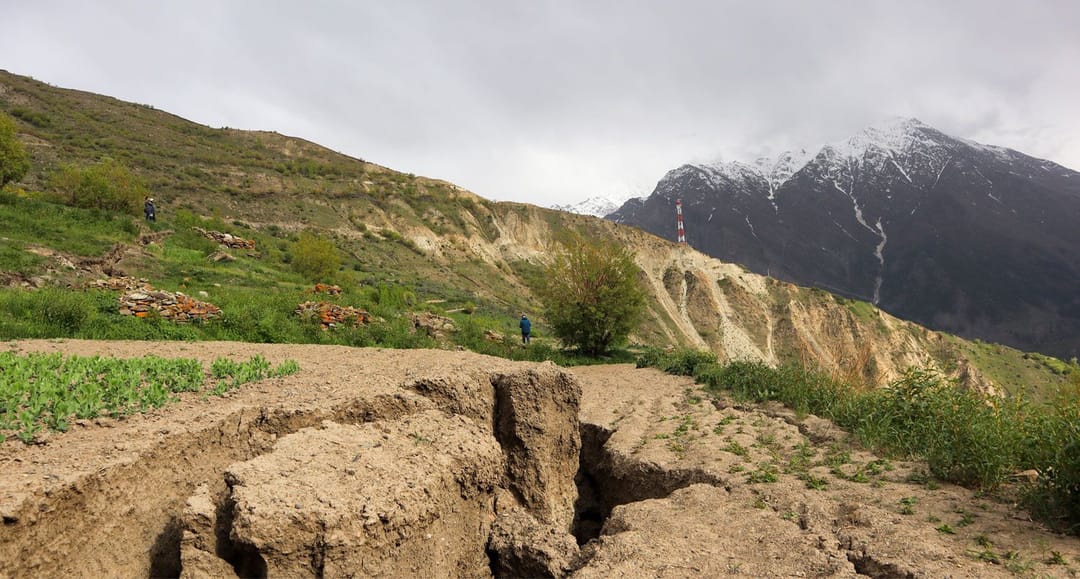
Every morning, Hira Lal Raspa walks toward his field in Lindur with a growing sense of dread. “An anxiety grips me,” he says. “Has more of my farmland collapsed today? What will be left tomorrow?”
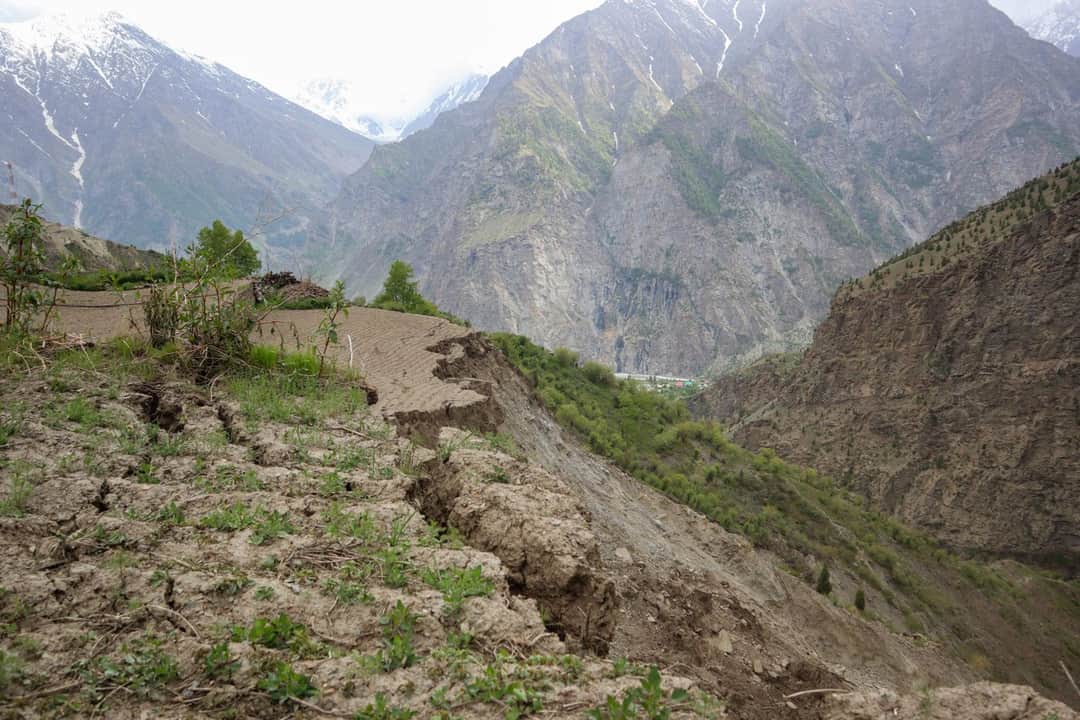
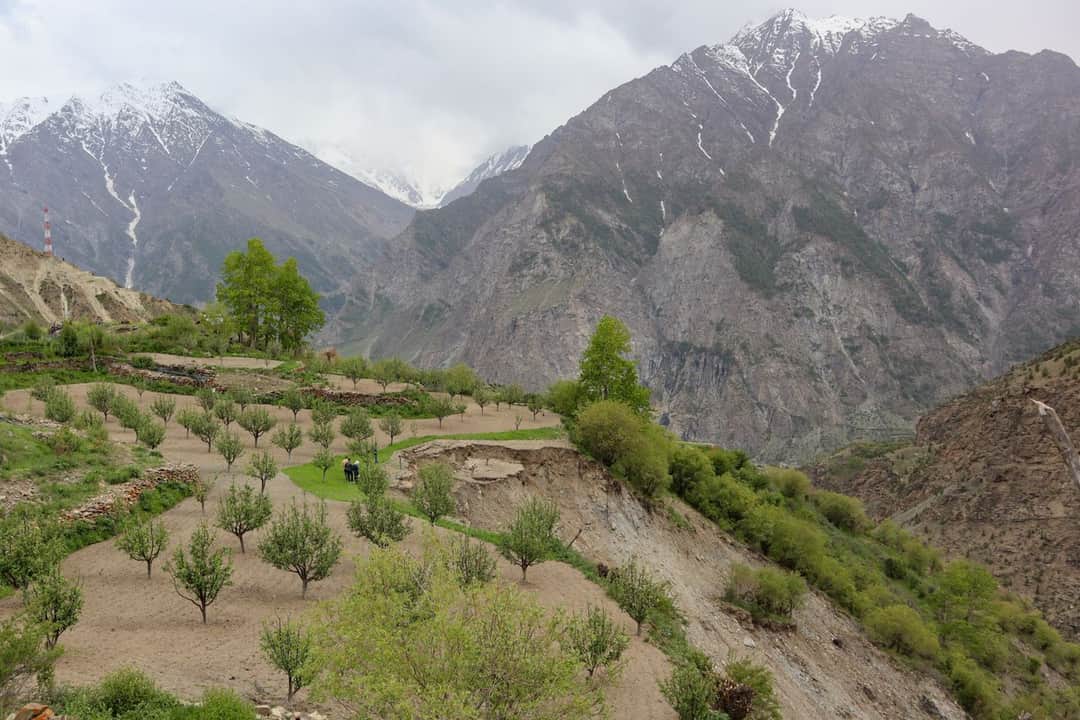
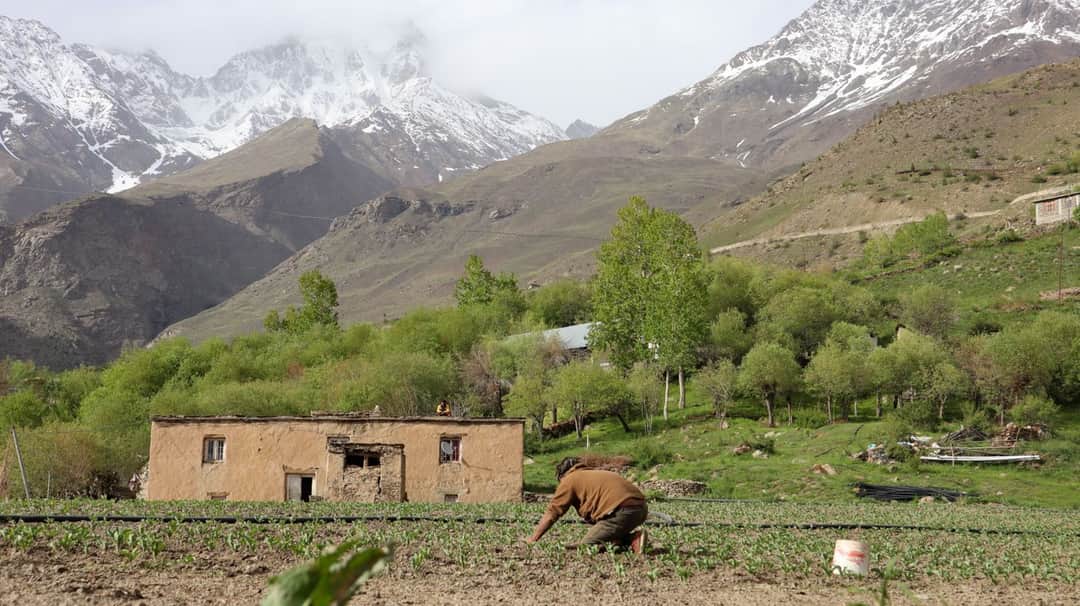
Raspa, a 55-year-old tribal farmer from Lindur village in the Lahaul and Spiti region of Himachal Pradesh, planted potatoes on his 2.5 bighas [about 0.2 acres] of land in April 2025. By mid-May, nearly half of his farmland had fallen into a widening drain.
The rest of his crop still stands, healthy for now, but Raspa is not hopeful.
The short summer window from late April to October is critical for residents of the Lahaul and Spiti valley, where snow seals off life for six months every year. It is the only time residents can grow food and cash crops.
June, usually a month of hard work and hope, was clouded by dread this year. People still toiled in the fields, but with anxious hearts.
“Every day, every week, a bit more of my field disappears,” Raspa says. “By the time the potatoes are ready to harvest, the whole field might be gone.”
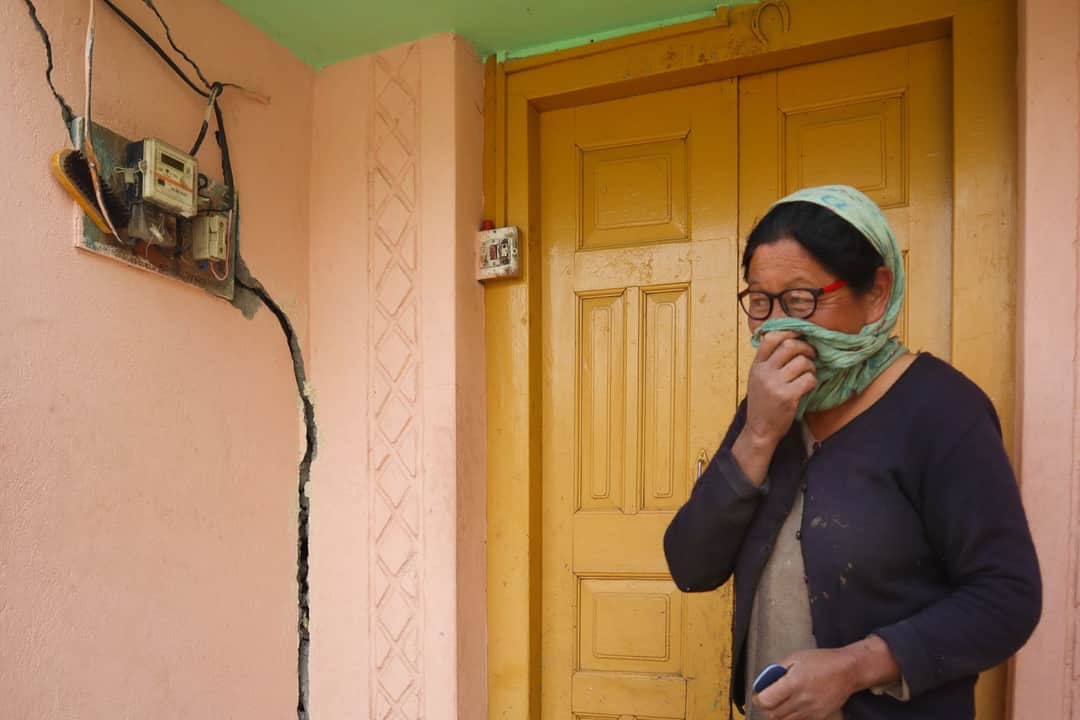
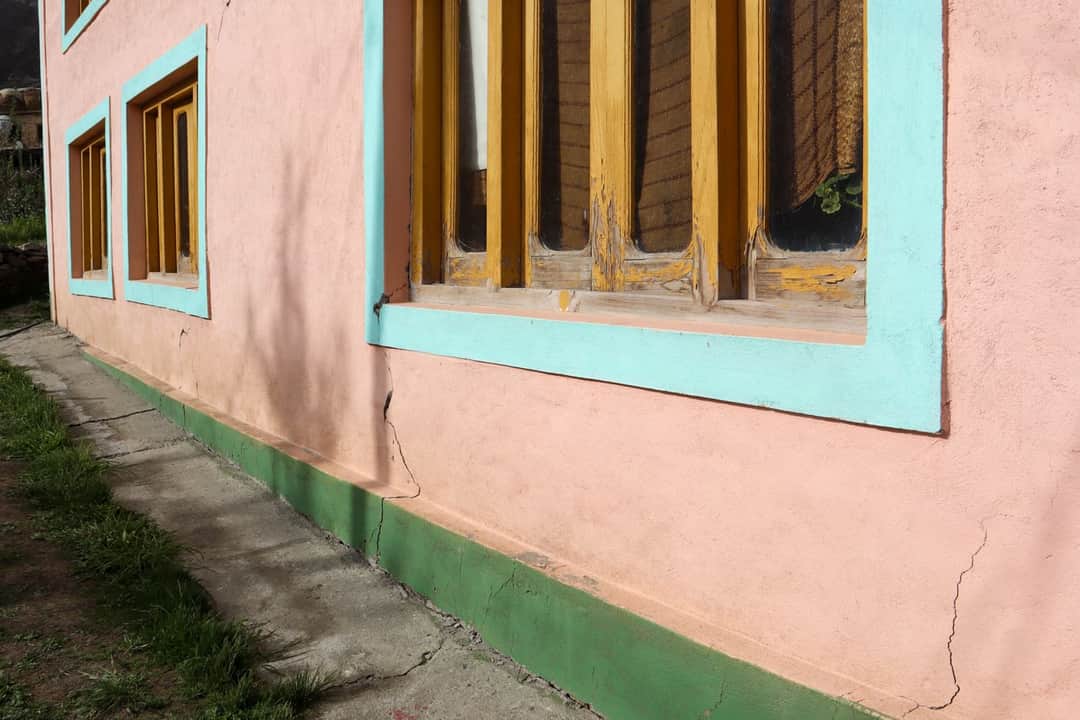
With a kind of weary disbelief, he adds: “Our homes, our fields, our farms –they’re all slipping away. We don’t understand why the Almighty is punishing us. We, the people of Lindur, are living through a kind of hell.”
That hell is land subsidence, a sloping or sinking of the ground caused by readjustments or collapses in underground soil structures.