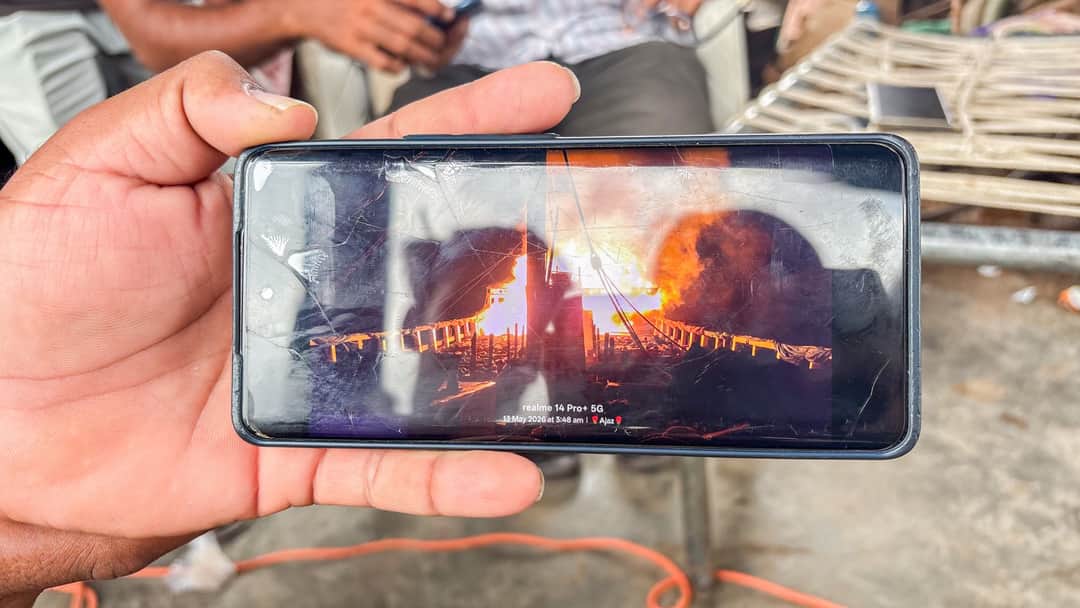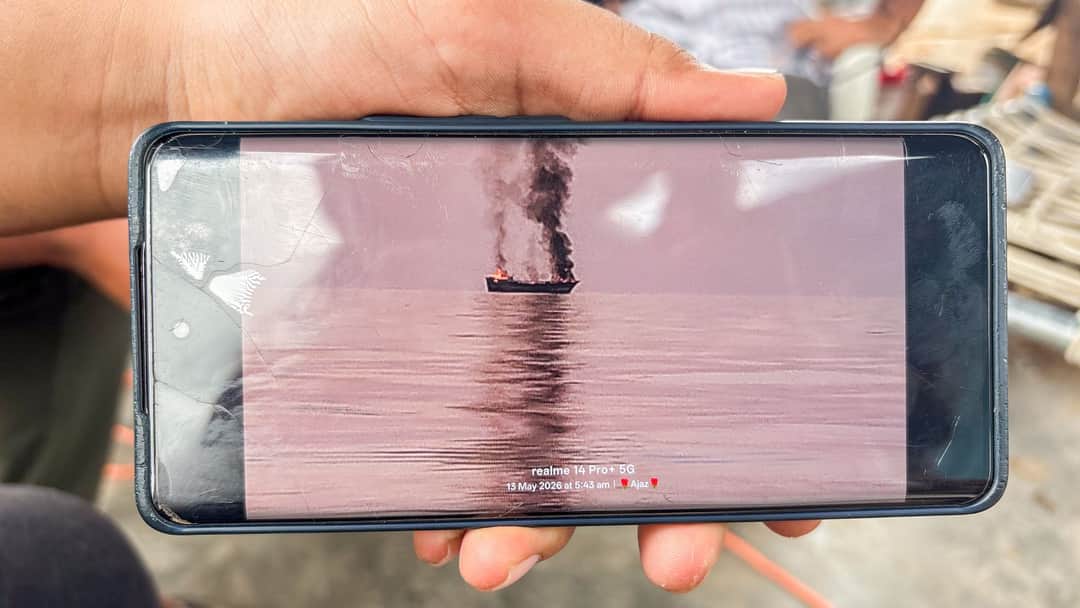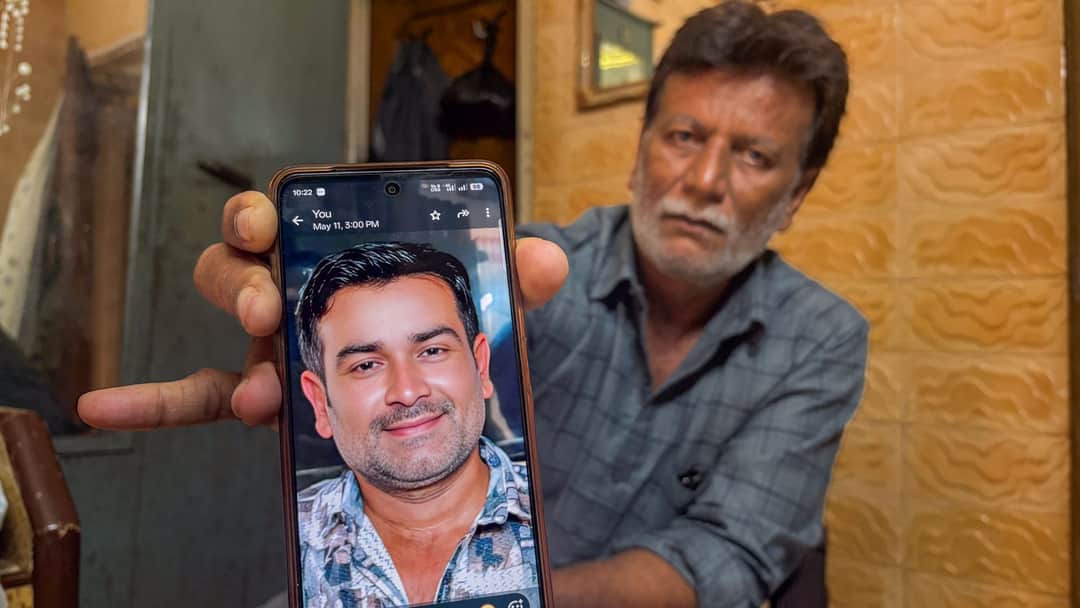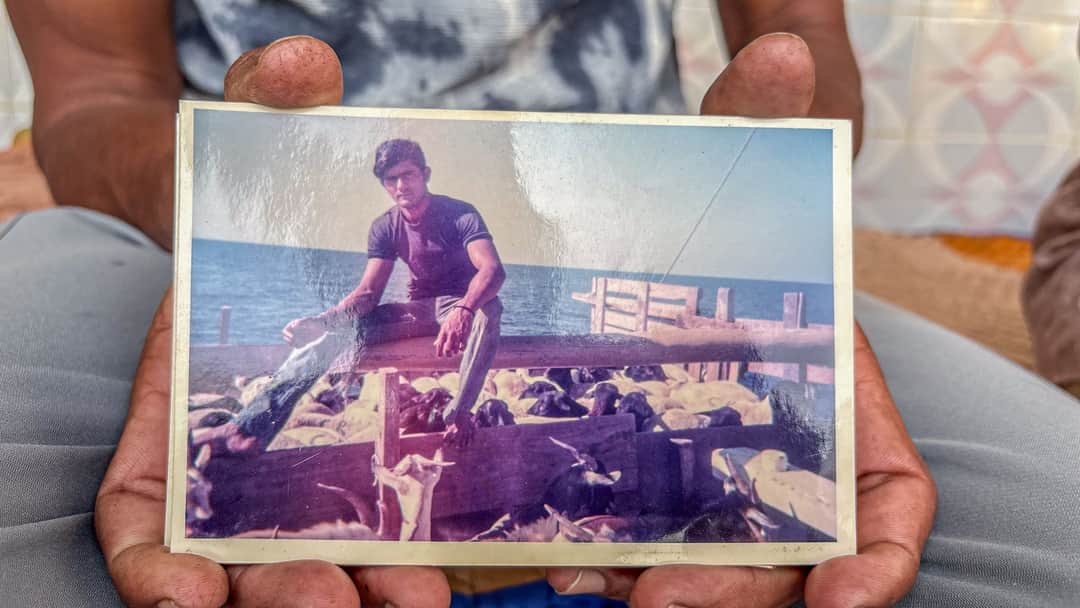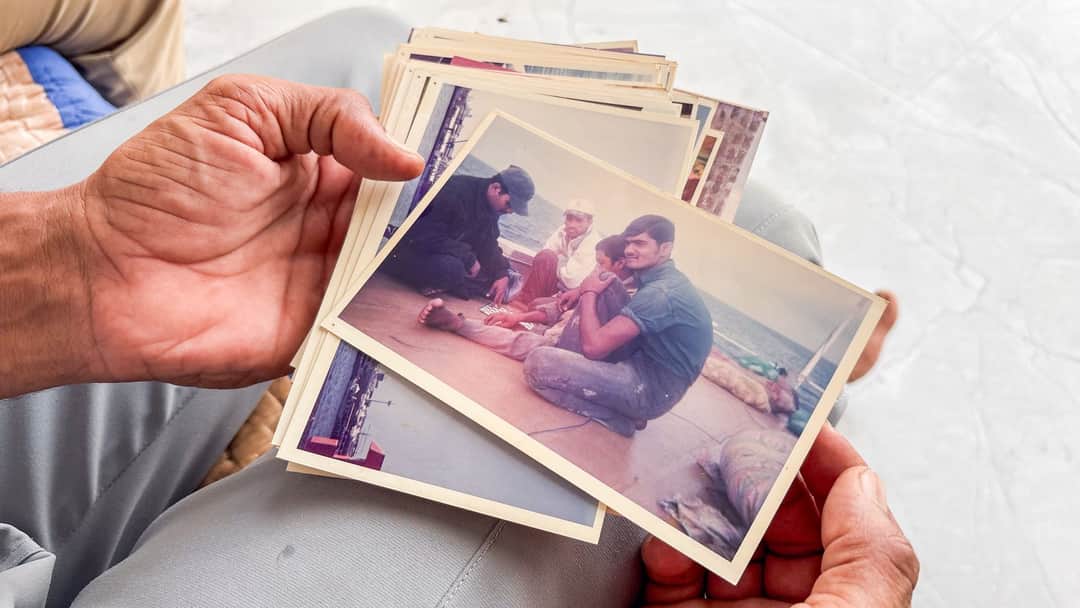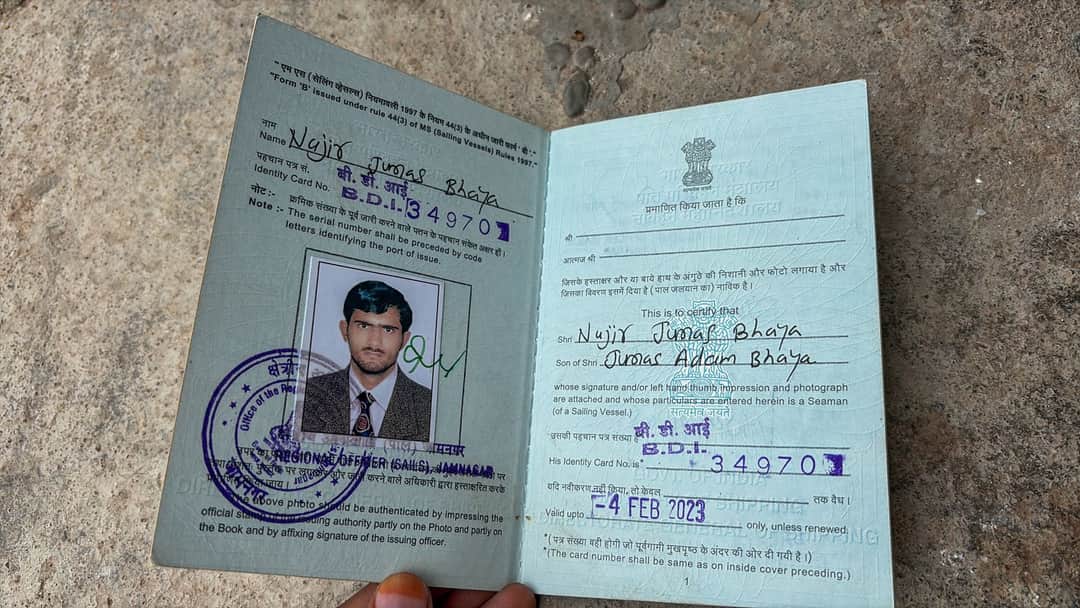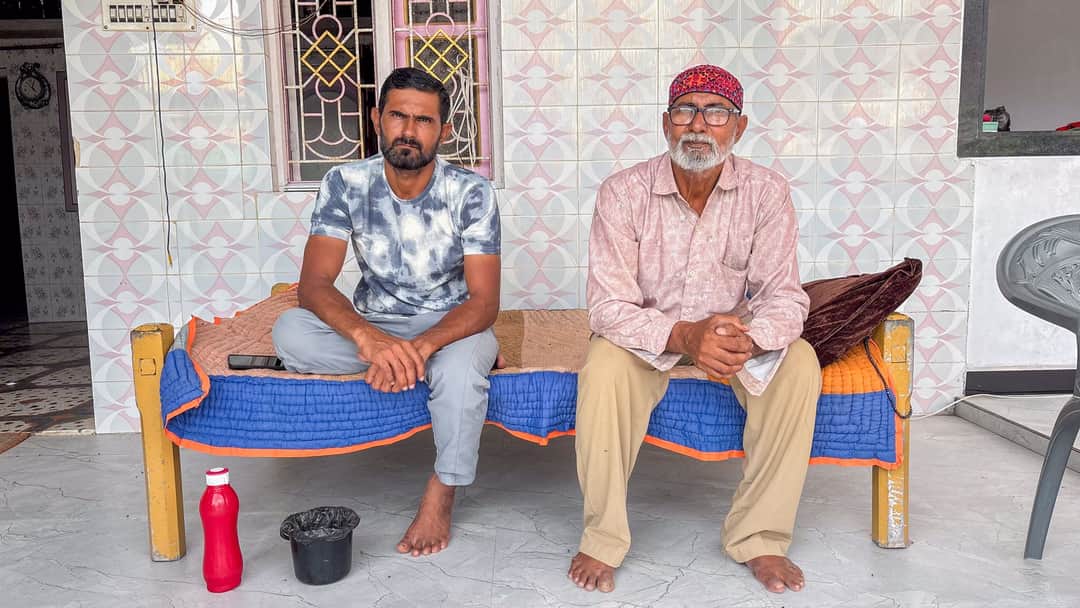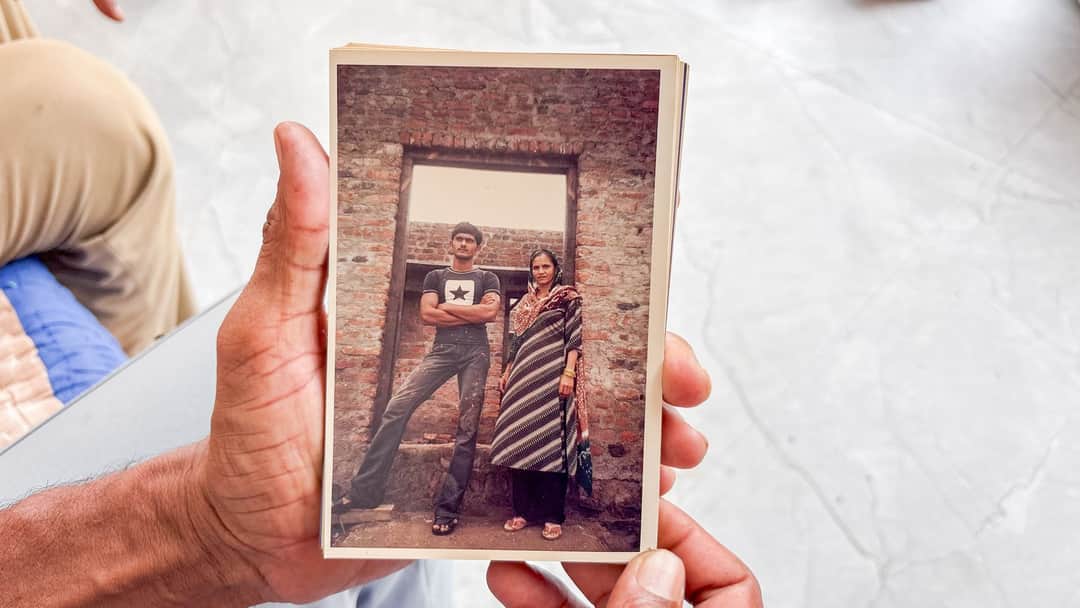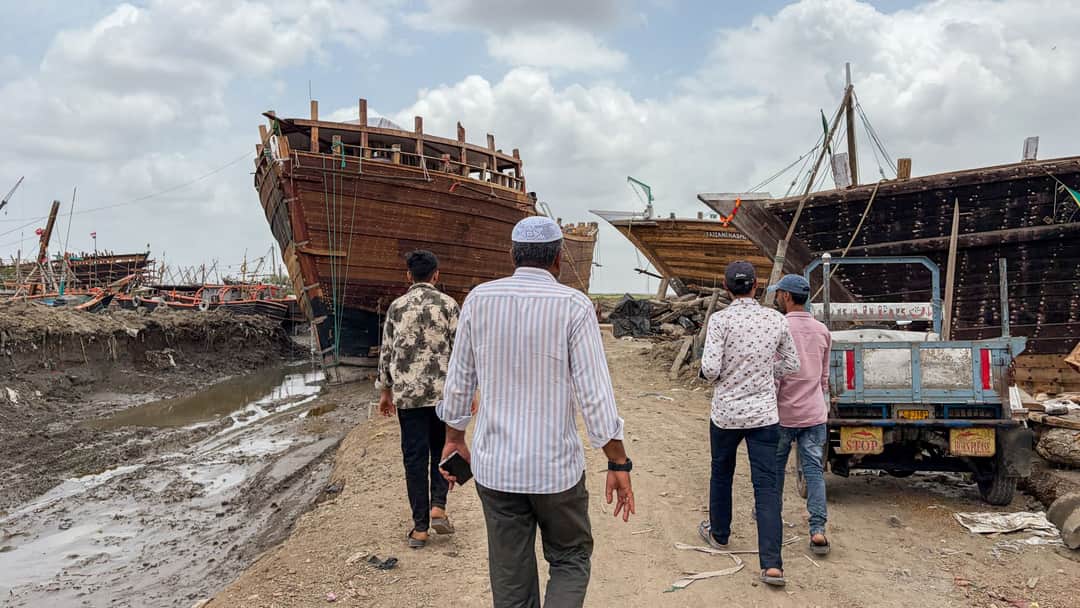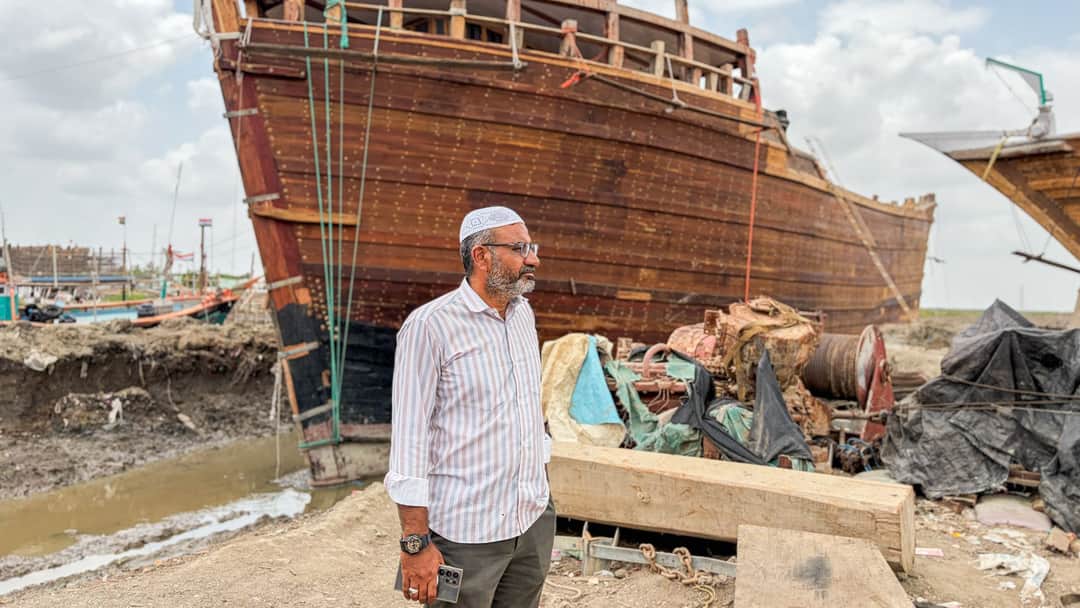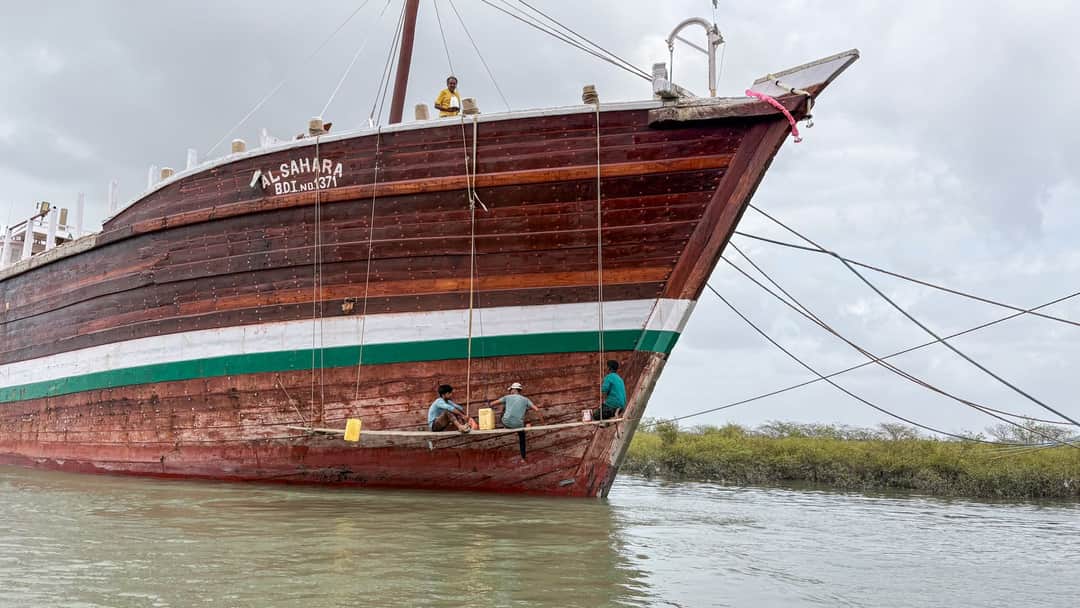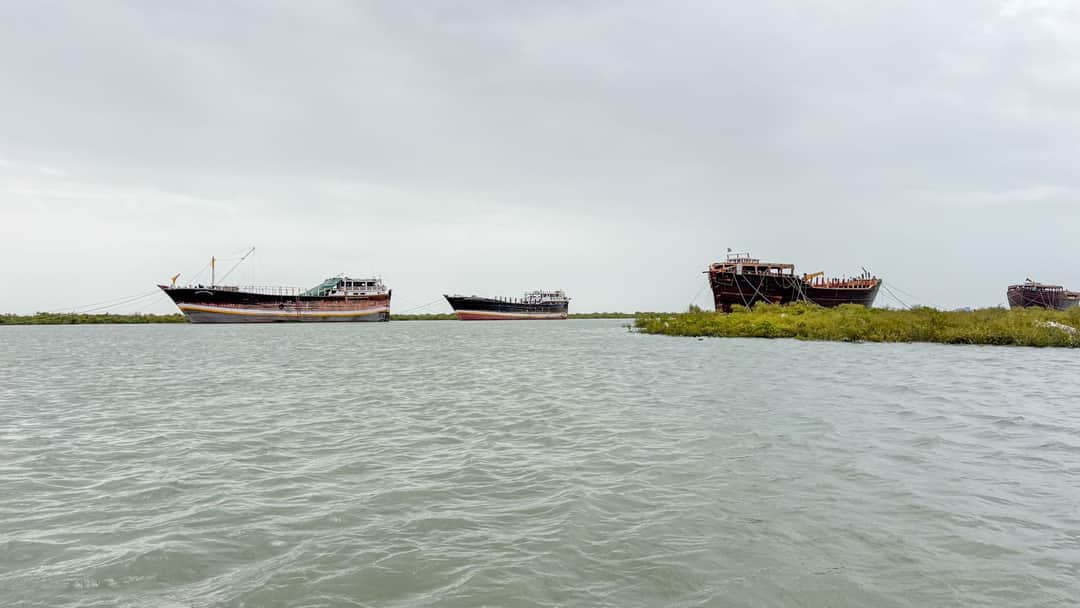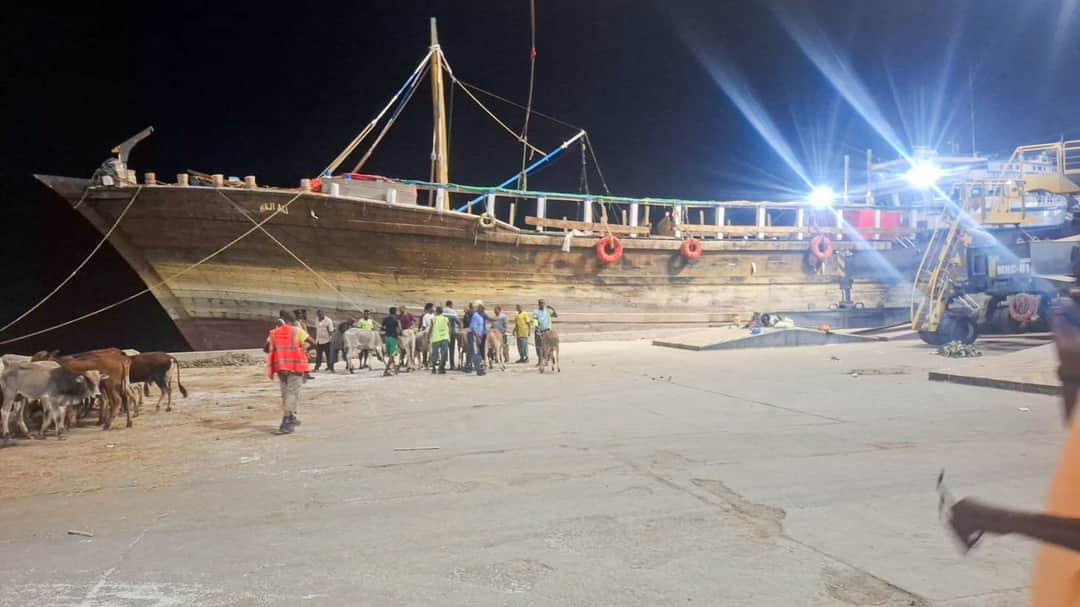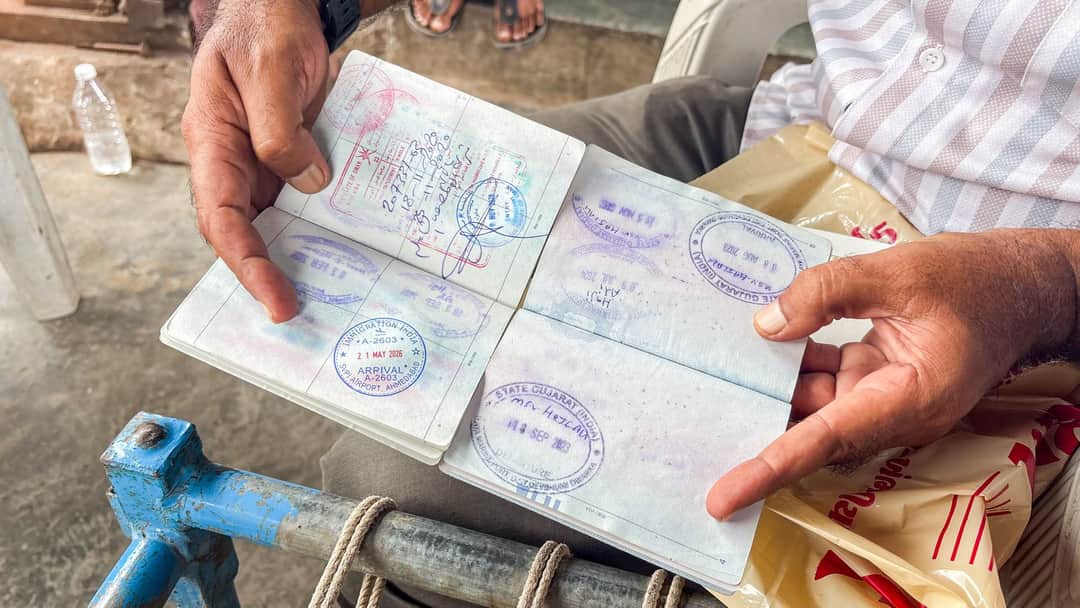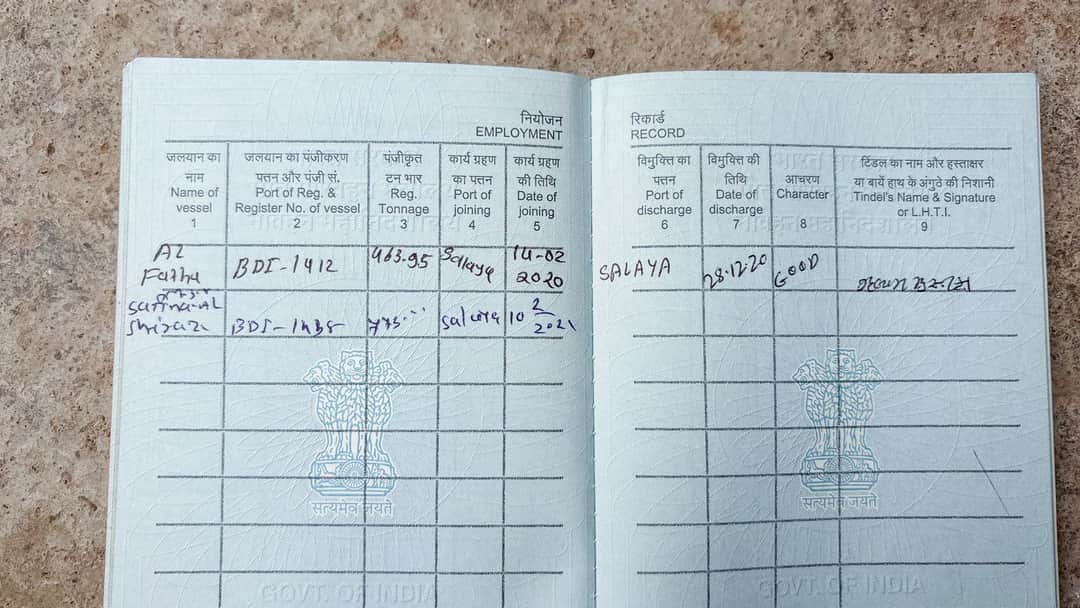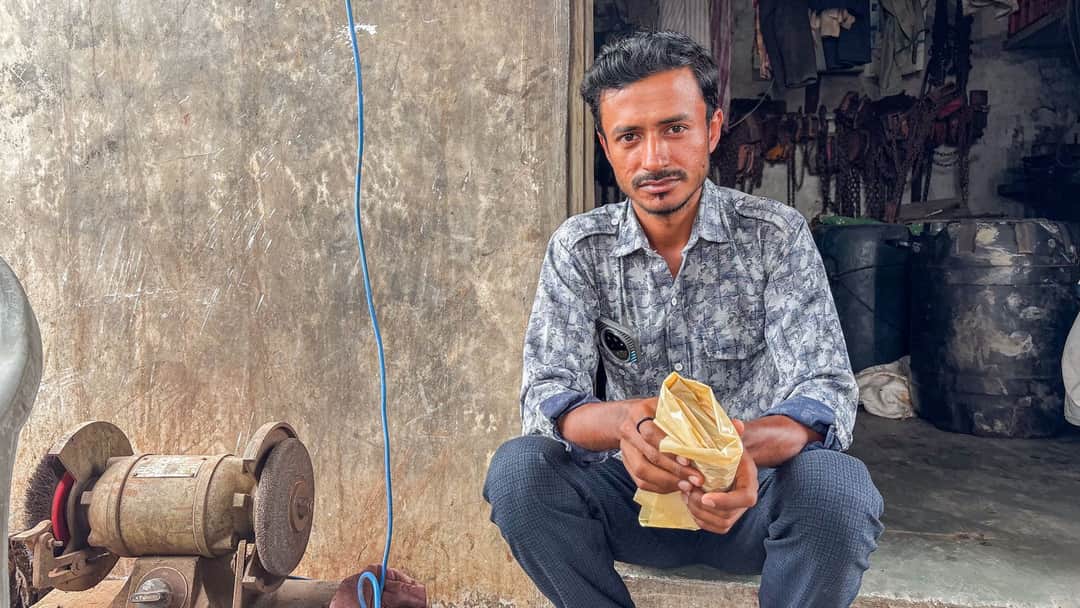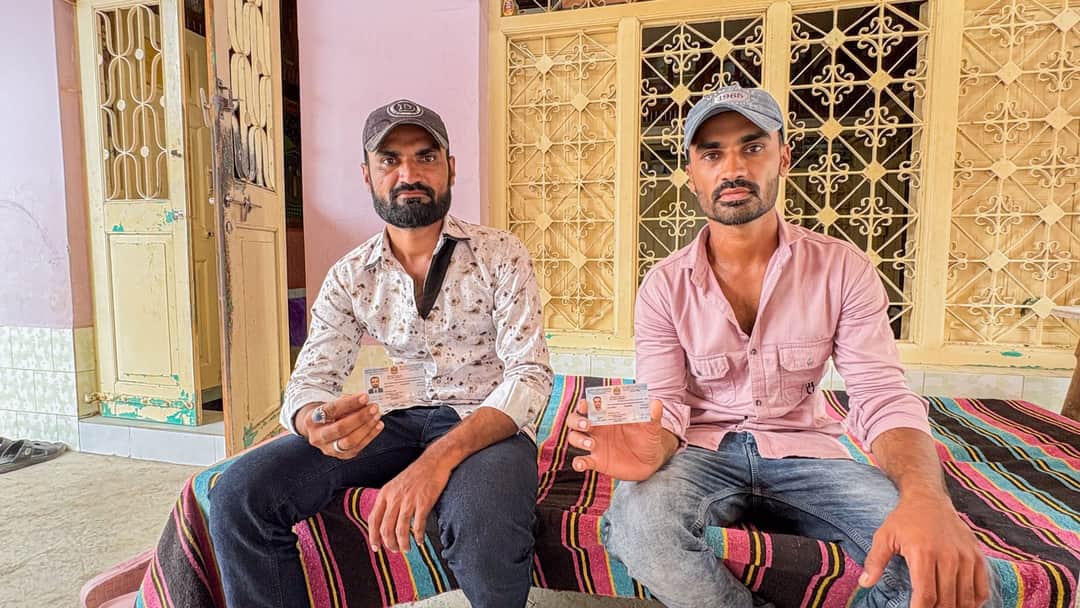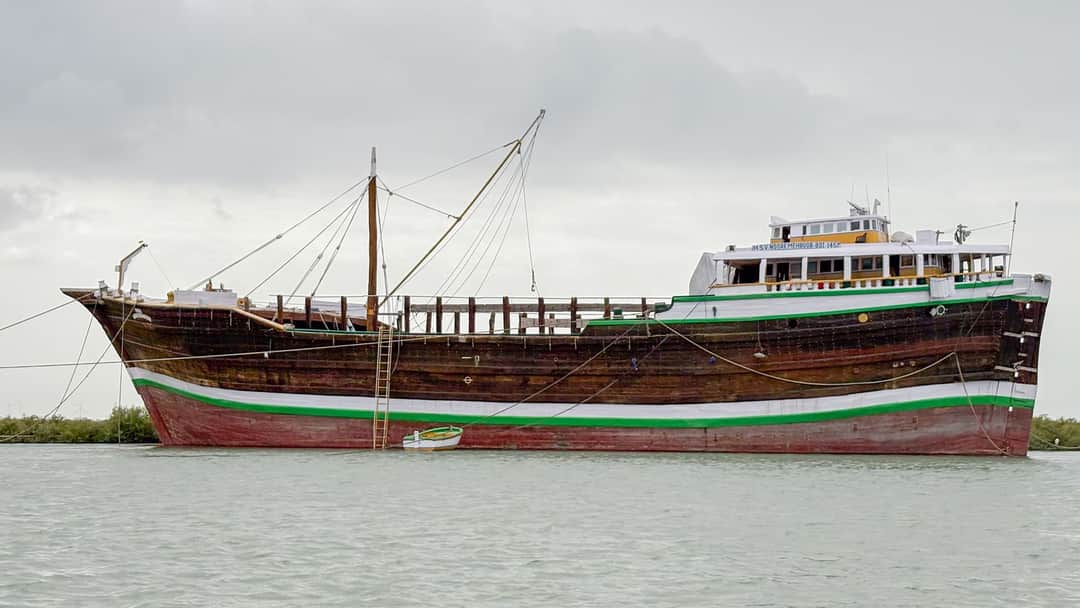

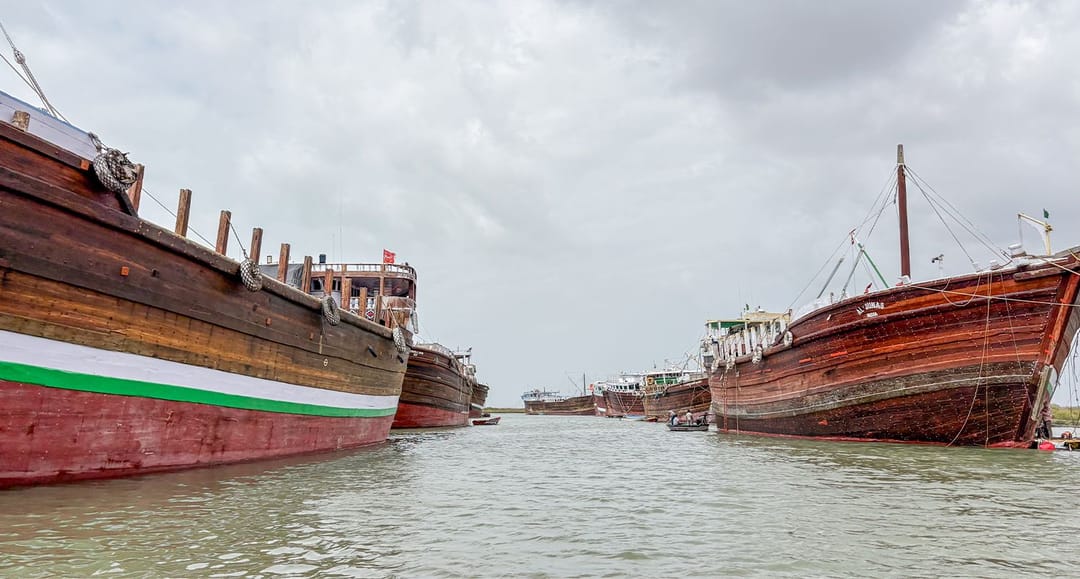
“My father was lying when he said that those who live on the sea never fear death [Abba Juth bolte the ki, je dariya ma rehta hoy emne maut no dar na hoy]. He used to say that when I took my first job as a sailor at 17,” says Nazir Junas Bhaya, 43, staring at his hands. Hands that had steered MSV Al Faiz Noor E Sulaimani for six months before it sank in the Gulf of Oman. He recollects the dreadful moment a missile struck the ship he was navigating on the captain’s command across the Strait of Hormuz.
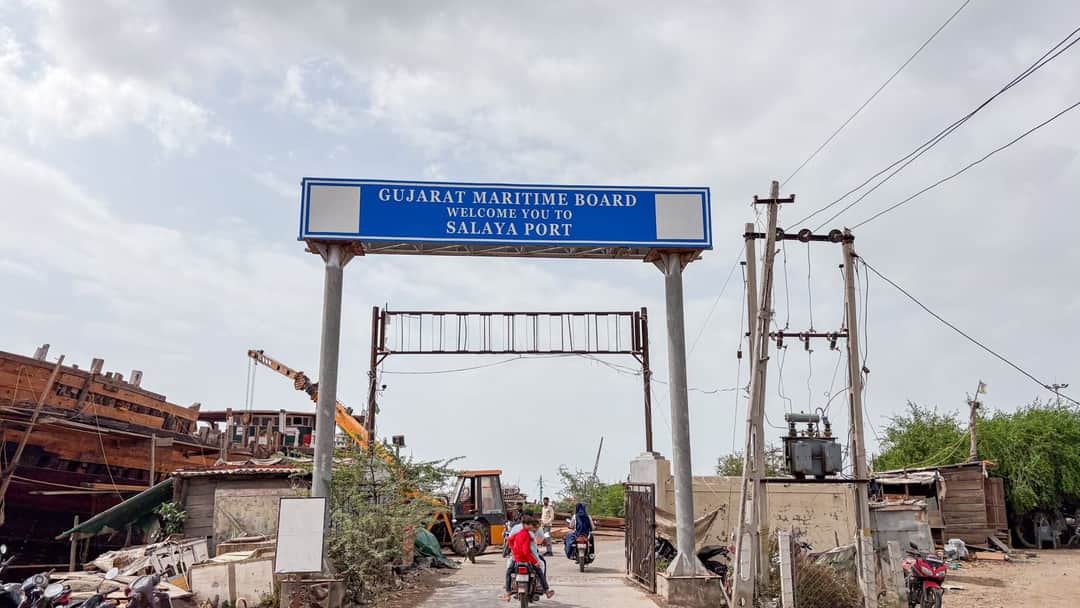
" Abba jooth bolte the [My father was lying],” he repeats. “Mein to laanch mein paani dekh kar haibat kha gaya tha. [I was terrified the minute I saw the water entering our ship]. It was past 12 a.m. on May 8, 2026. A missile wanted us dead. Iran had not restricted us from crossing the Hormuz. So it’s unlikely they were the attackers. We heard a loud explosion, and a massive fire broke out instantly.” Nazir takes another long pause between his sentences, a mix of Hindi and Gujarati rather than Kutchi Sindhi in which he speaks with his people. We are sitting in his single storied house in the port town of Salaya in Gujarat’s Dwarka district.