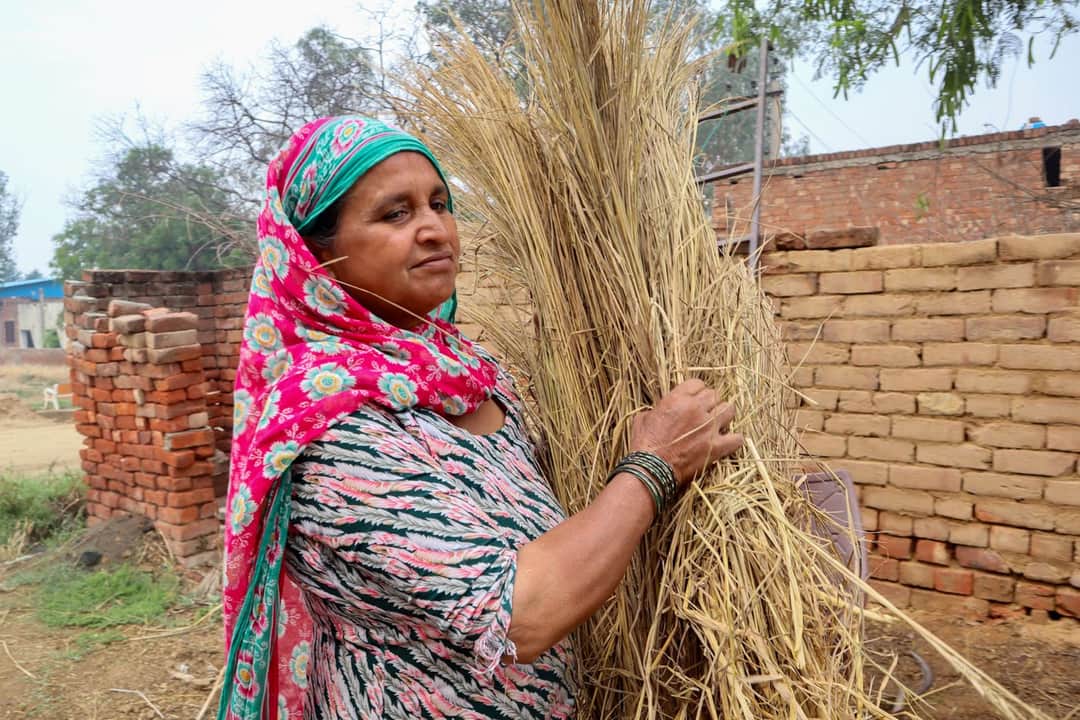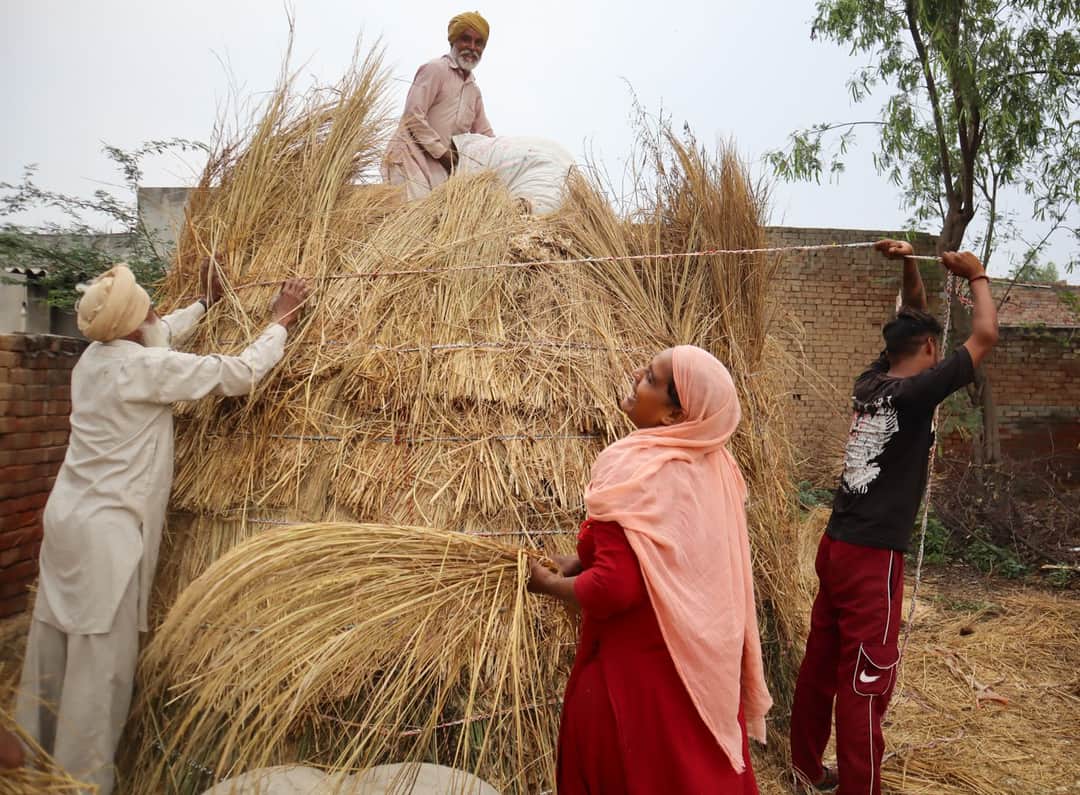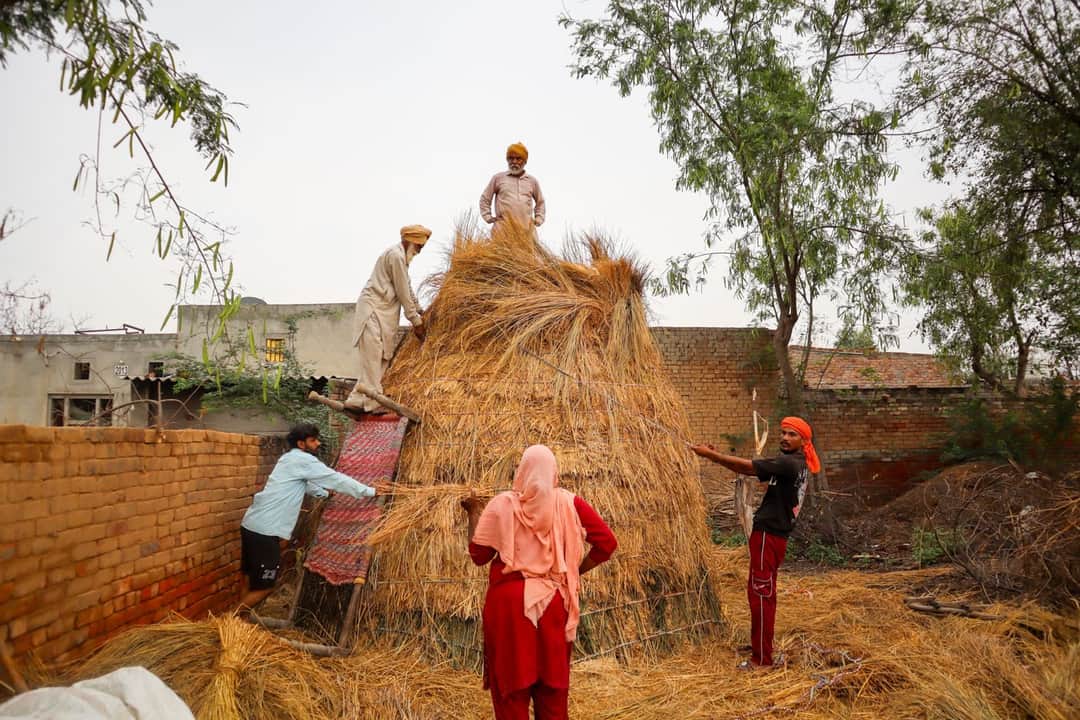

Most families buy the animal first and worry about its fodder later. But Jasvinder Kaur and her husband, Jagseer Singh, are doing it the other way around.
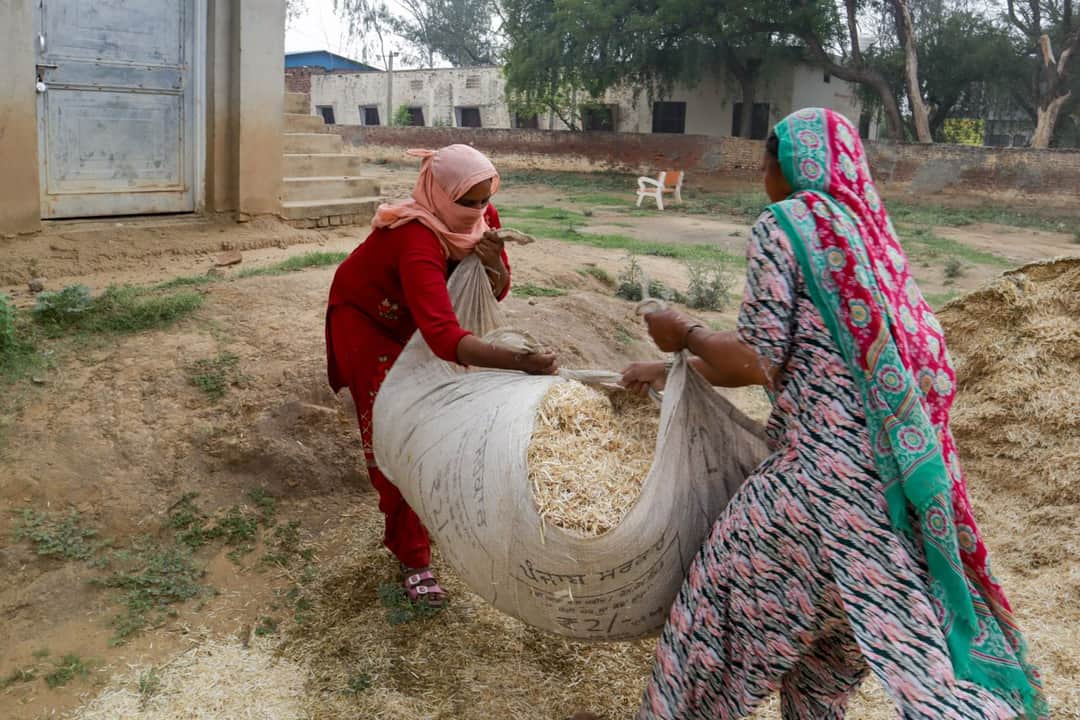
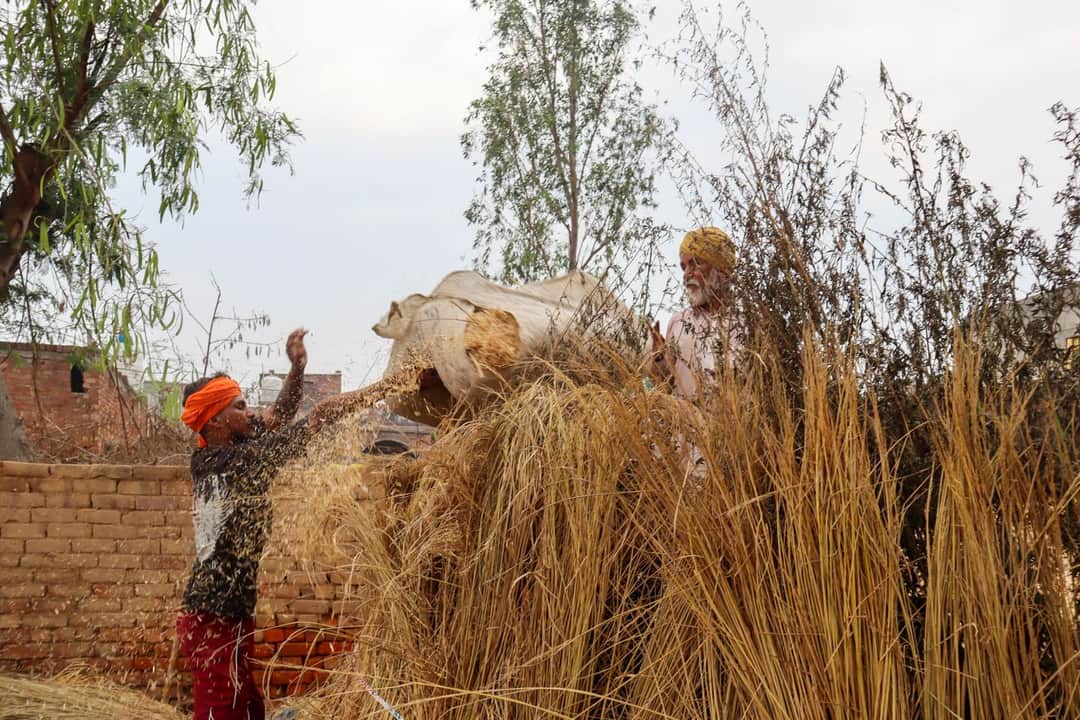
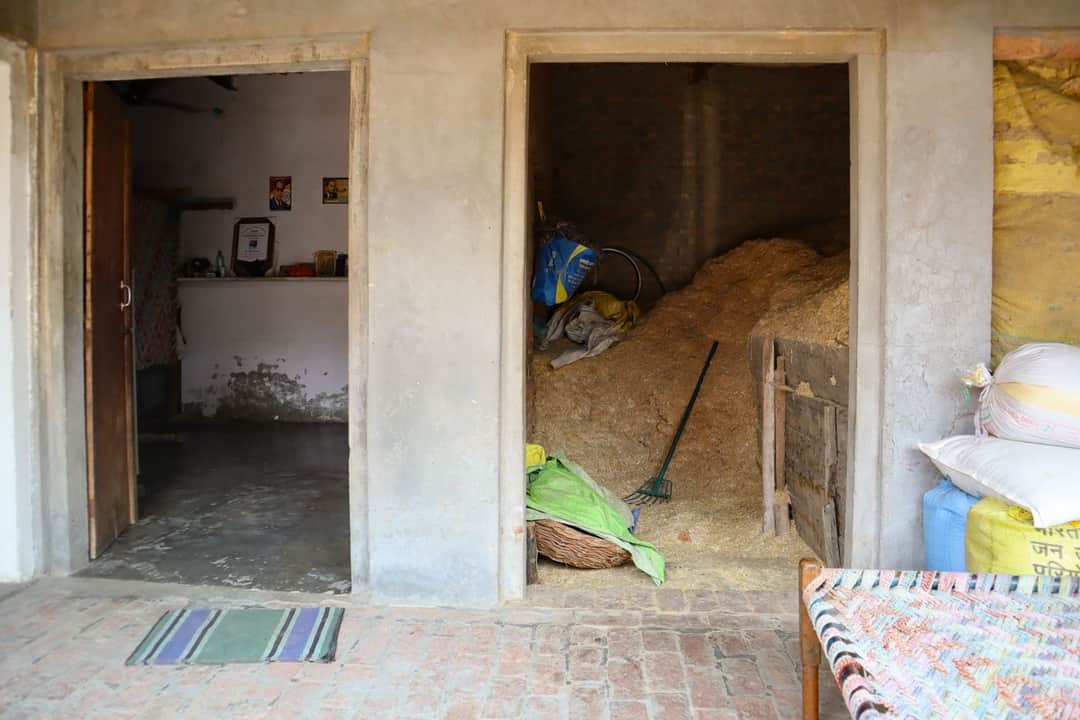
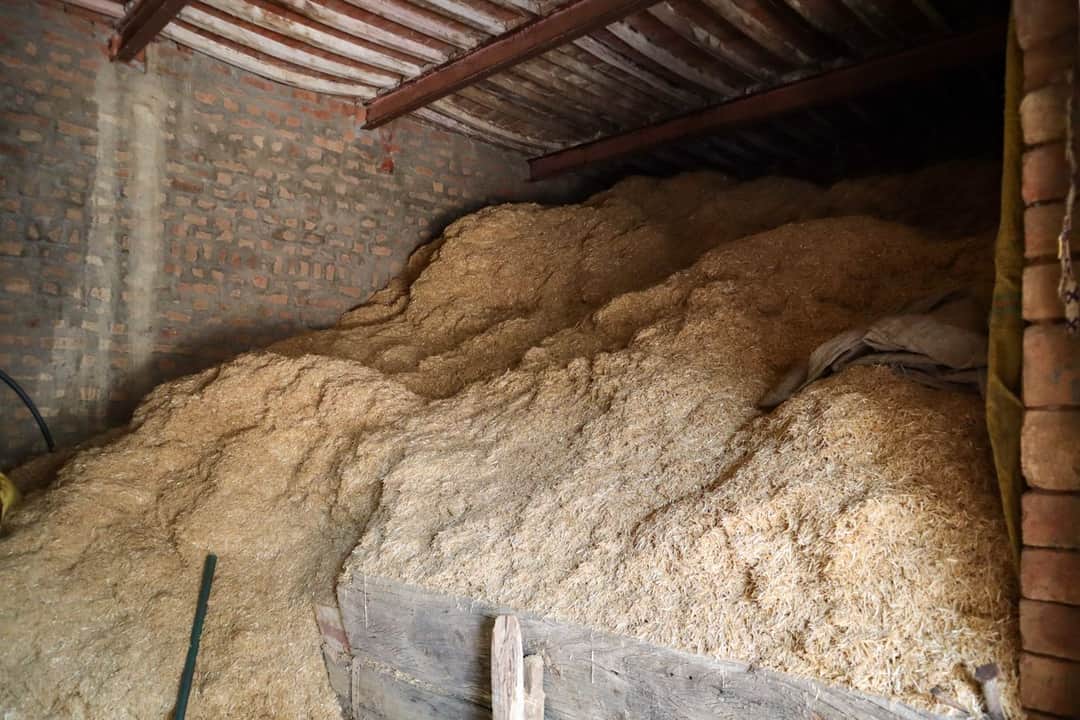
They are building a kupp to store fodder for a buffalo they cannot yet afford. Leading them down this path is the fact that price of toori (chopped wheat straw used as dry fodder) has seen a drop of almost 75 per cent this year. In 2024, a quintal of toori was sold for Rs. 800-1,000; this season the price dropped to Rs. 200–250 for a quintal.
So the couple figured it made sense to buy and store the feed before bringing the animal home to in Changliwala village, Sangrur district.
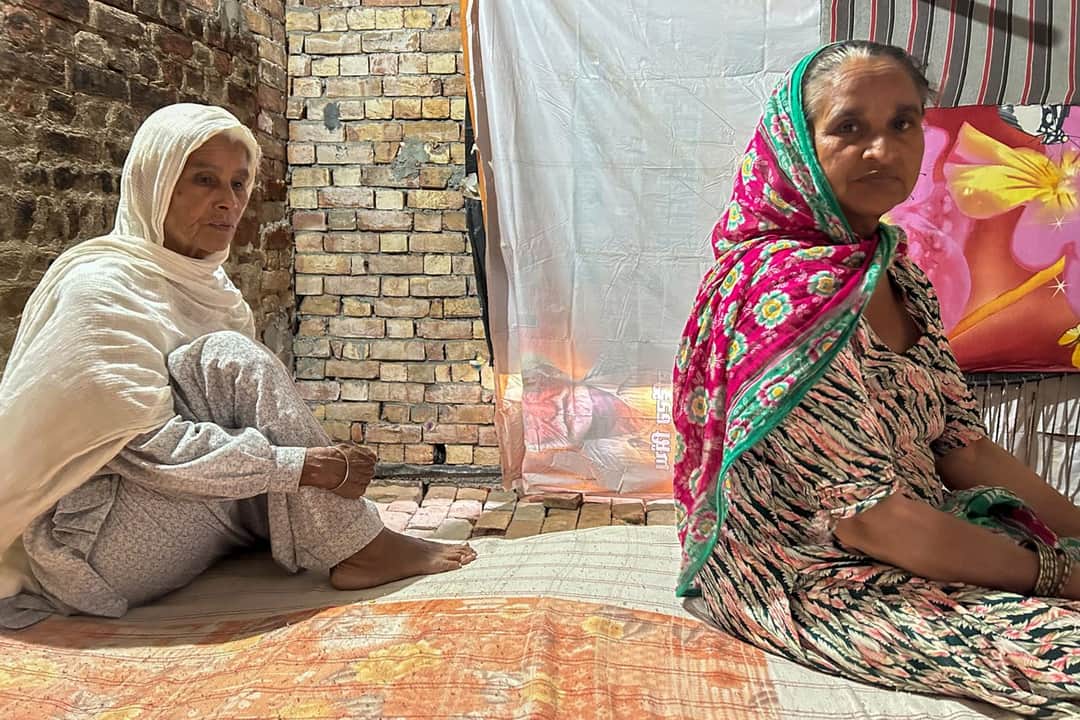
The family want the extra nutrition – their 27-year-old son is a budding kabaddi champion and a glass of milk from the family buffalo will help. “A better diet, especially for our son who plays kabaddi in the village,” says 50-year-old Jasvinder. The couple have two daughters, one is married and lives away, and the other, Gagan, 25, has completed her post-graduation, and manages the home after her mother fell ill a few years ago.
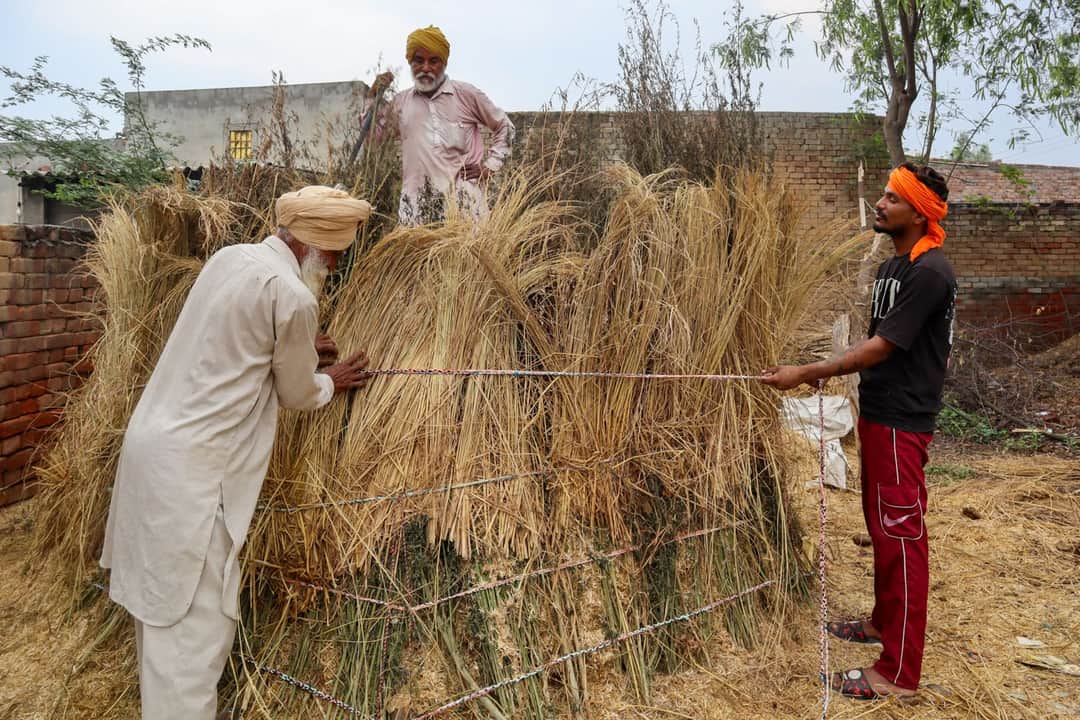
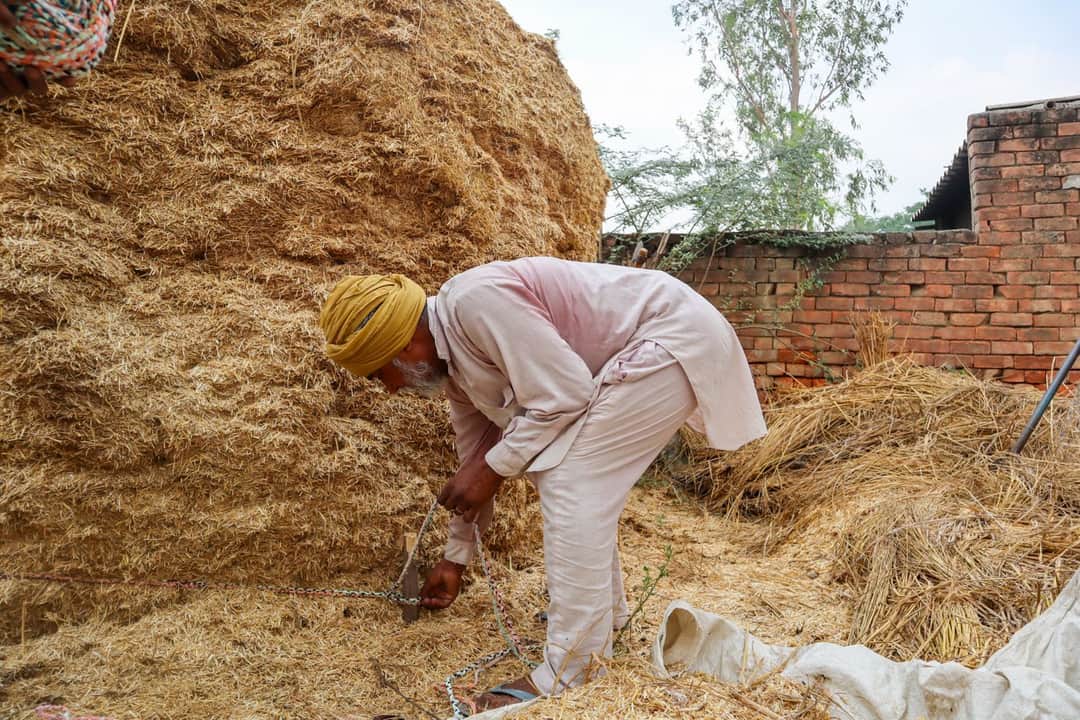
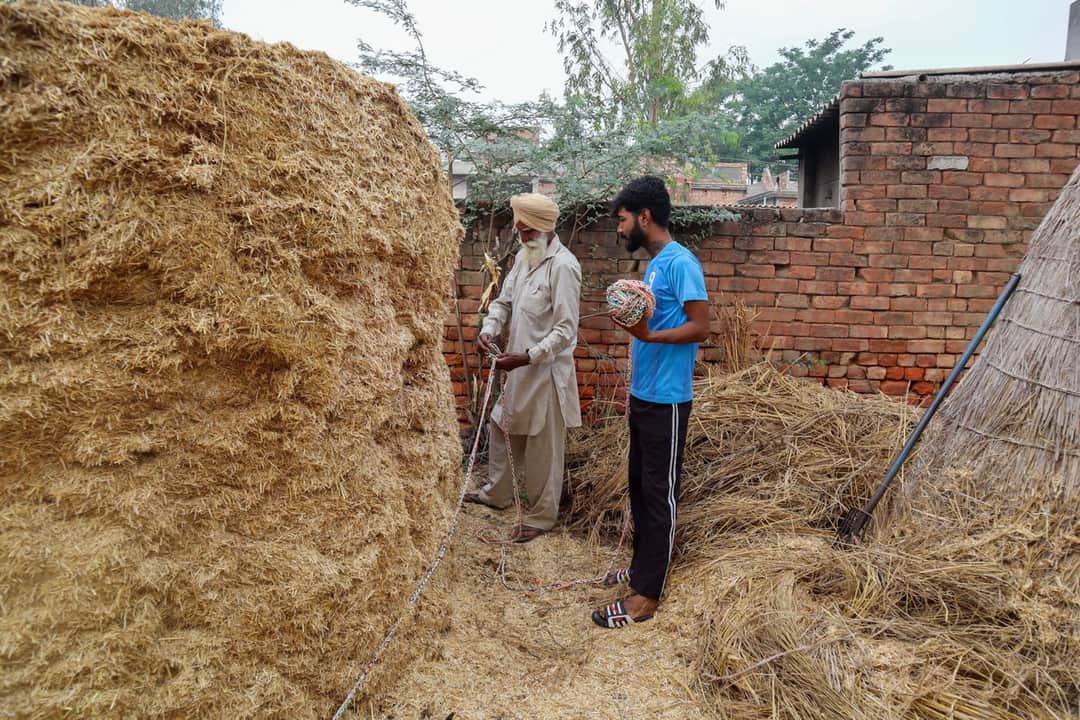
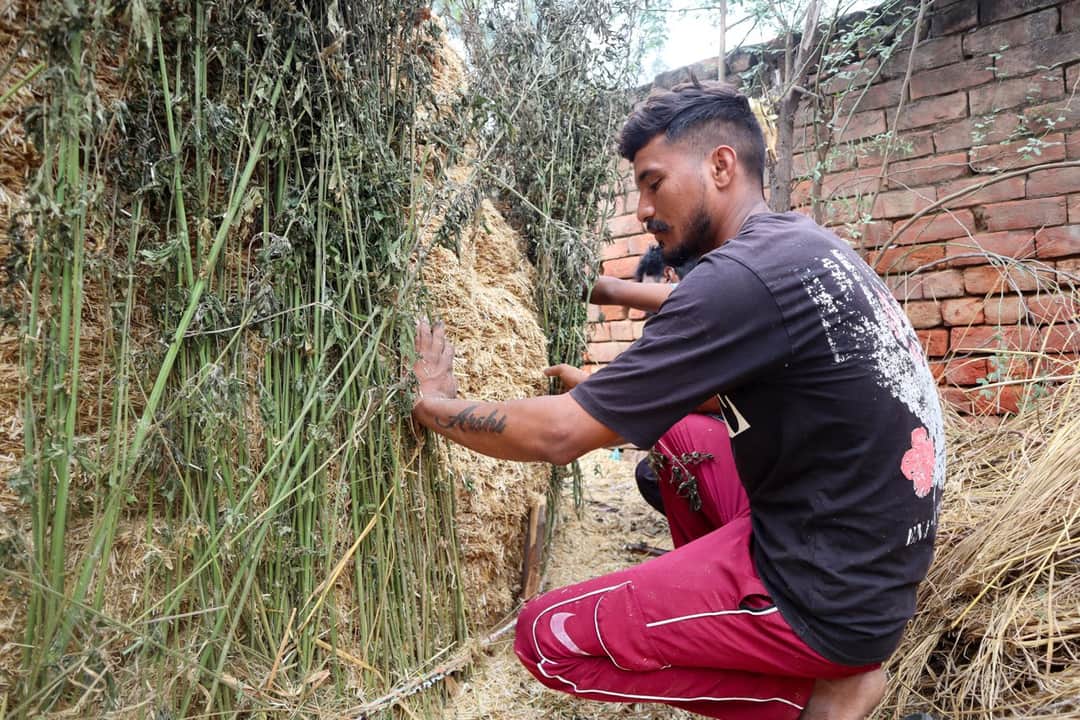
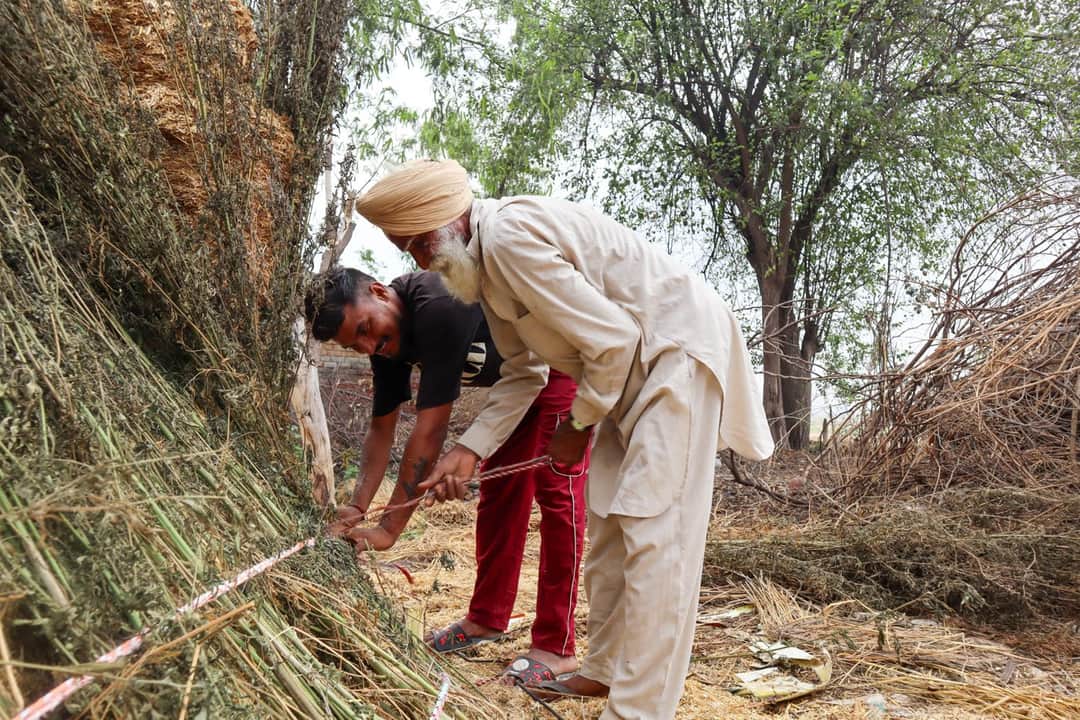
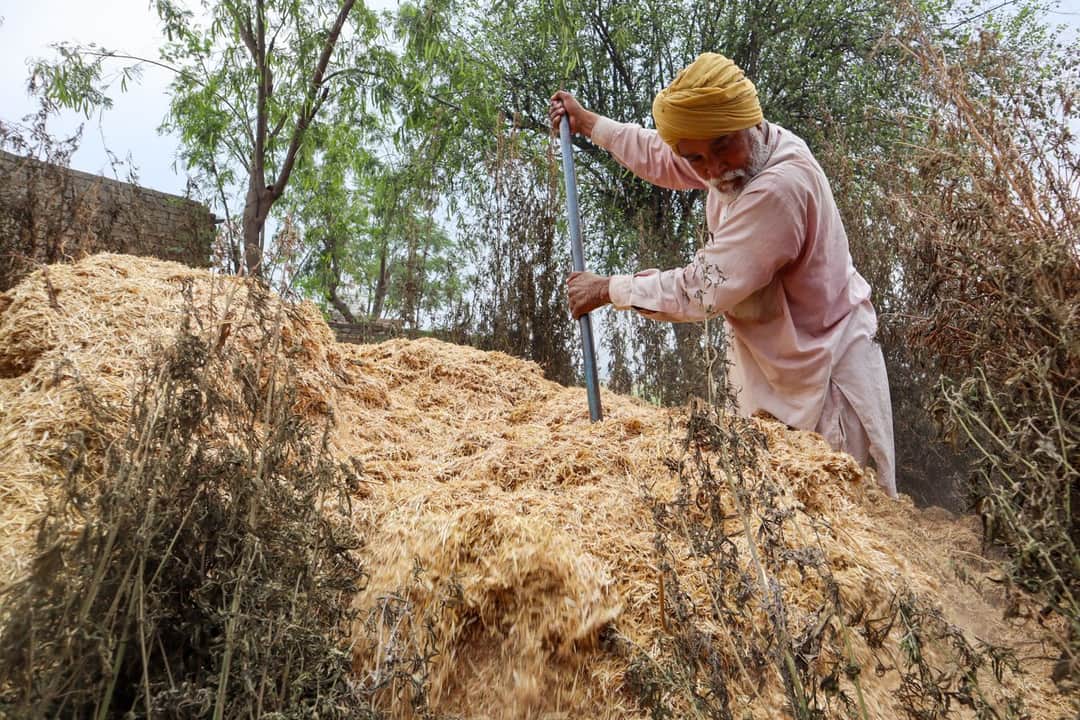
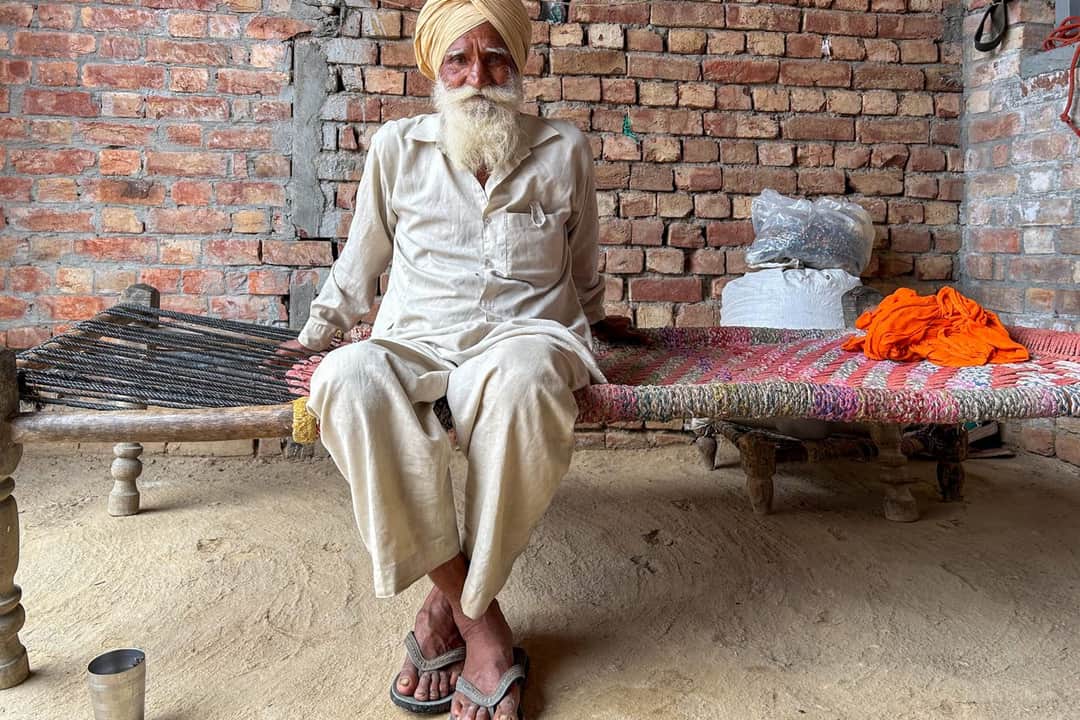
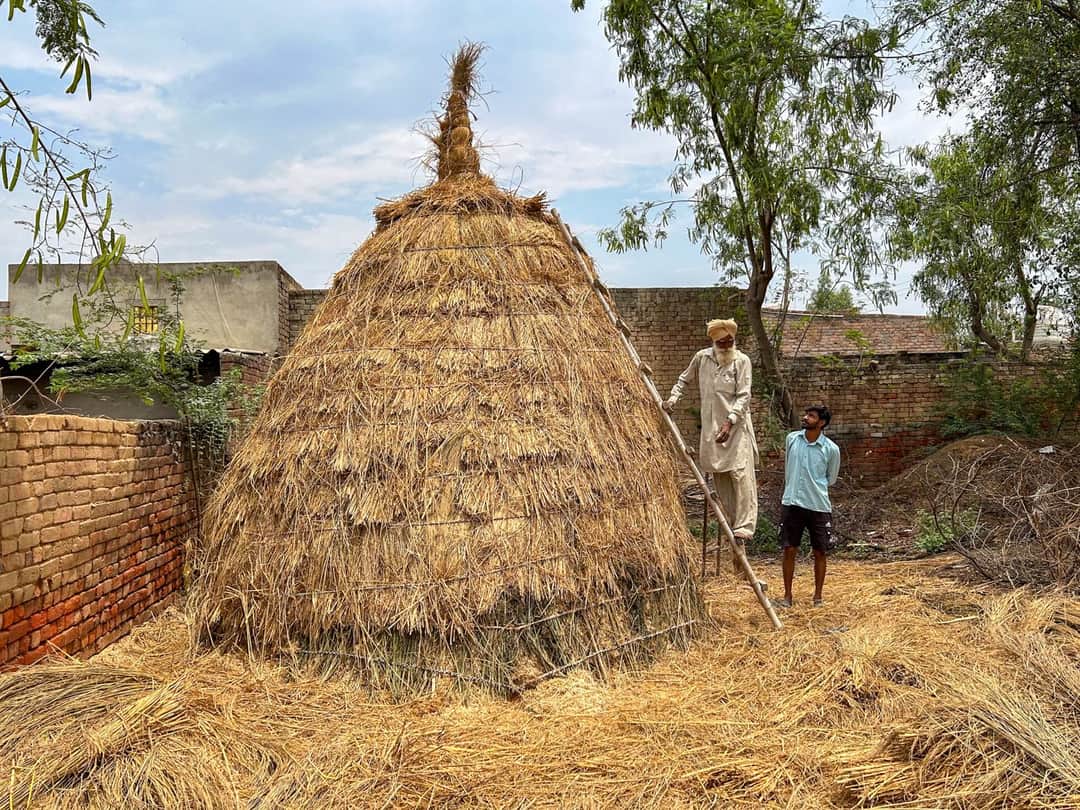
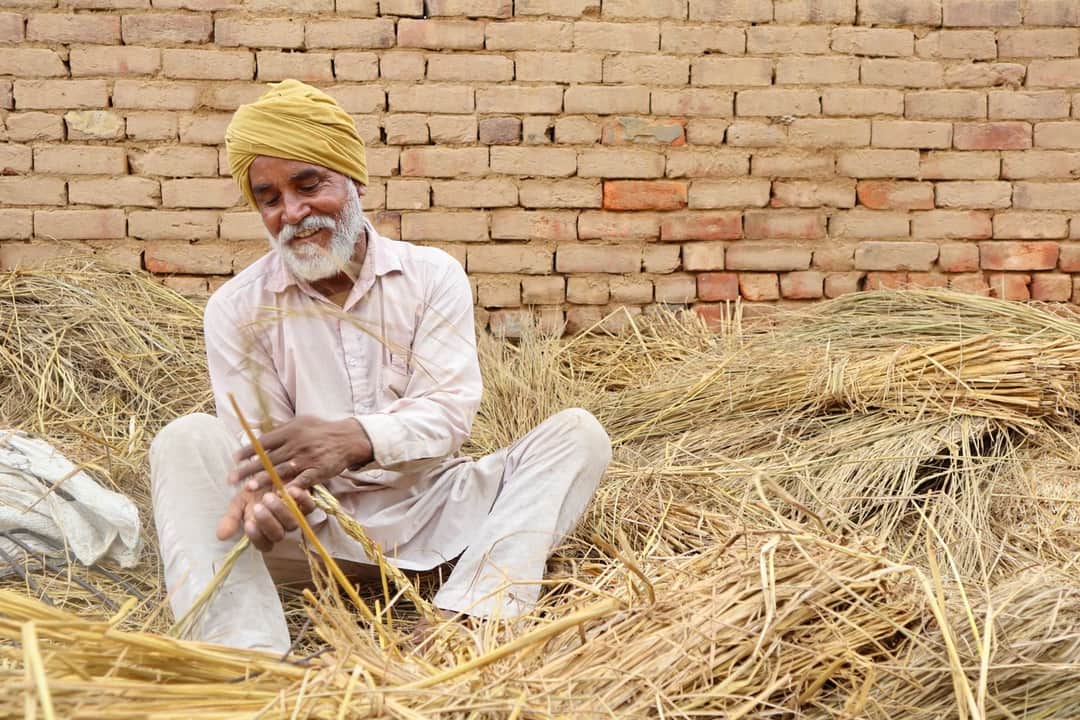
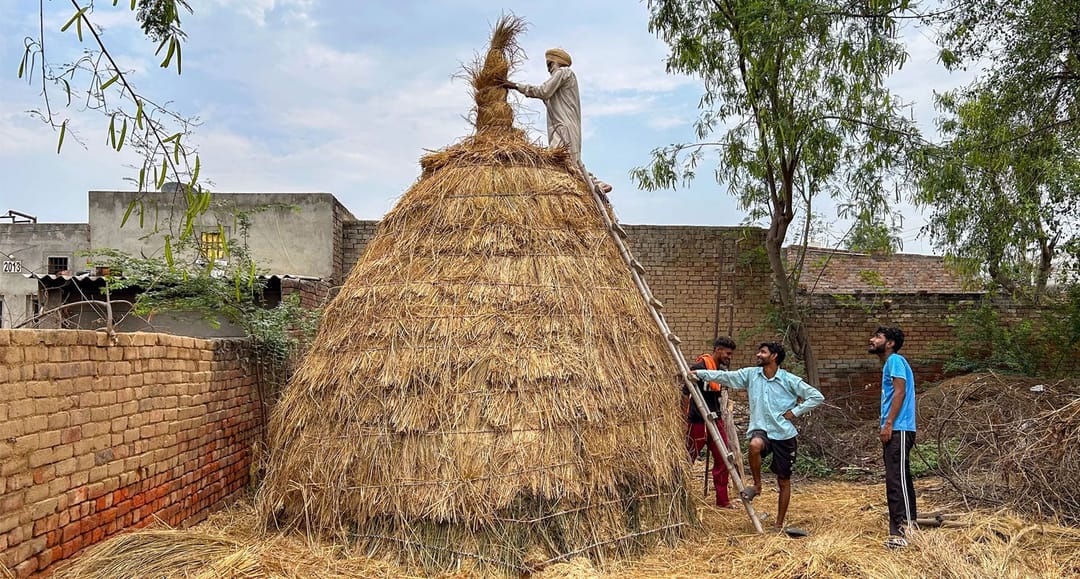
When the family decided to build a kupp, they reached out to a maternal cousin of Jagseer – Gurmail Singh. The 60-year-old veteran craftsman estimates that he has made over 2,000 kupp in the last 40 years. He says, “We used to make at least two every day in the months following the wheat harvest.”
The kupp is a dome-shaped low-cost temporary structure to store fodder. Once integral to Punjab’s rural landscape, it is now hard to find. Sitting in a train from Delhi to Changliwala in Punjab, I spotted only very few.