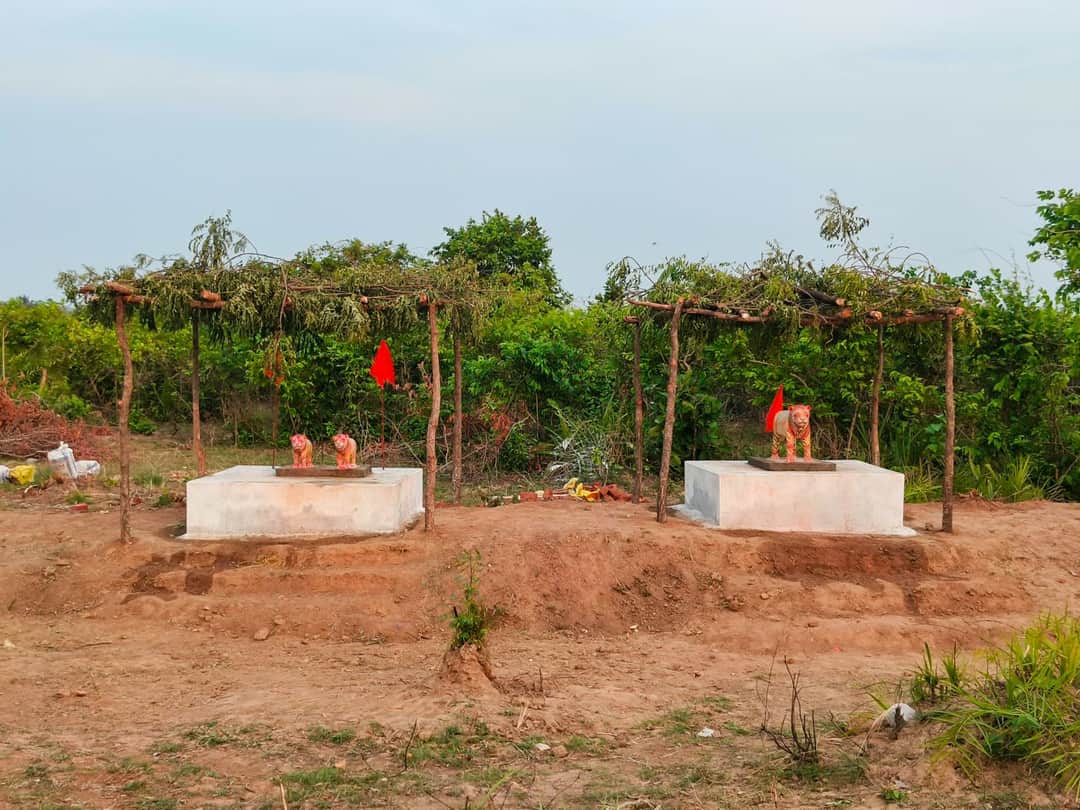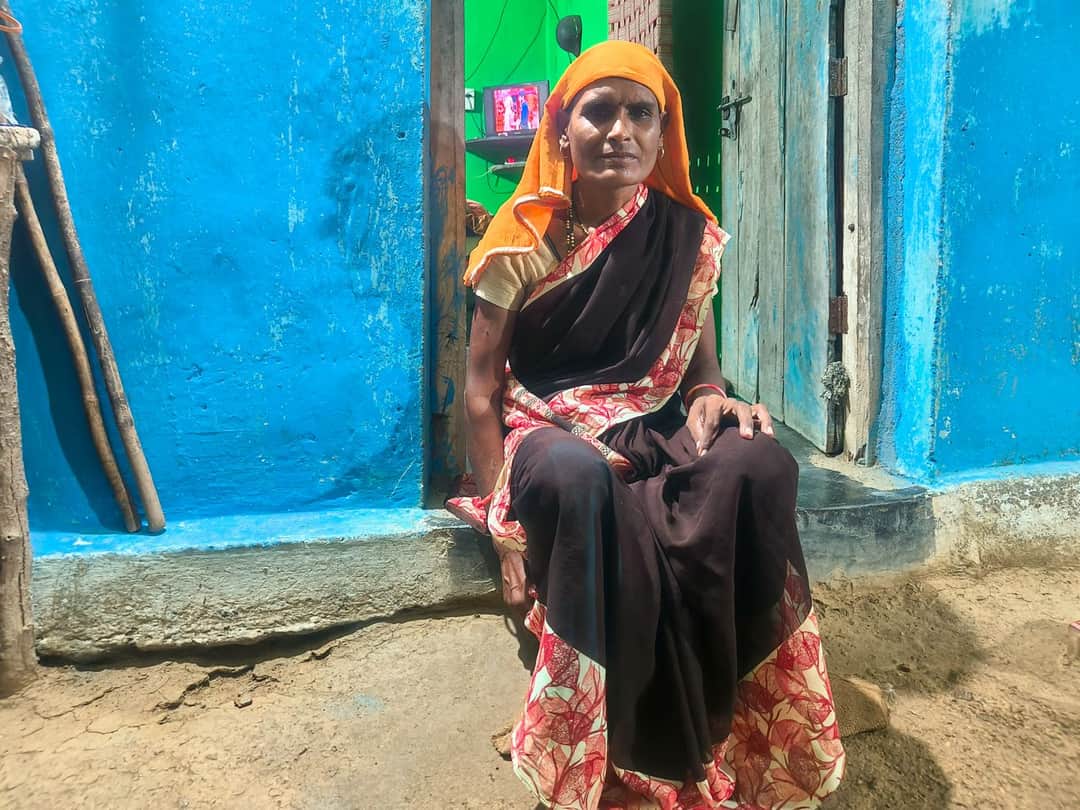

Manoj Chaudhari’s world took seconds to collapse.
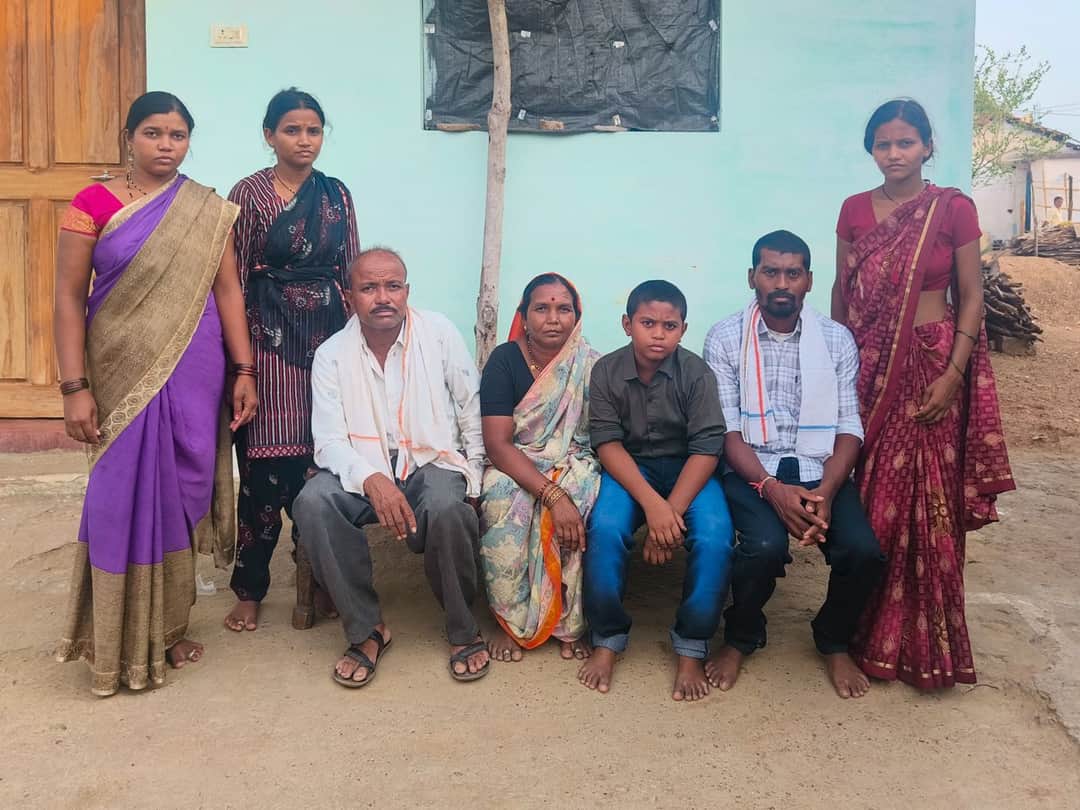
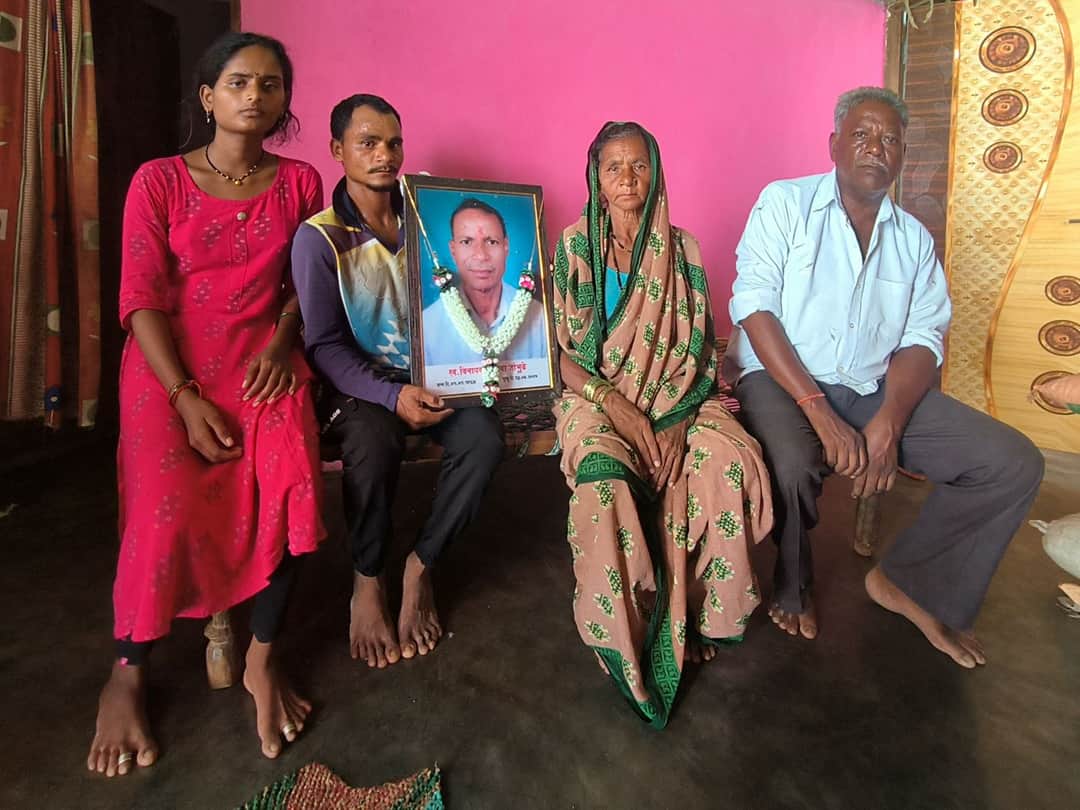
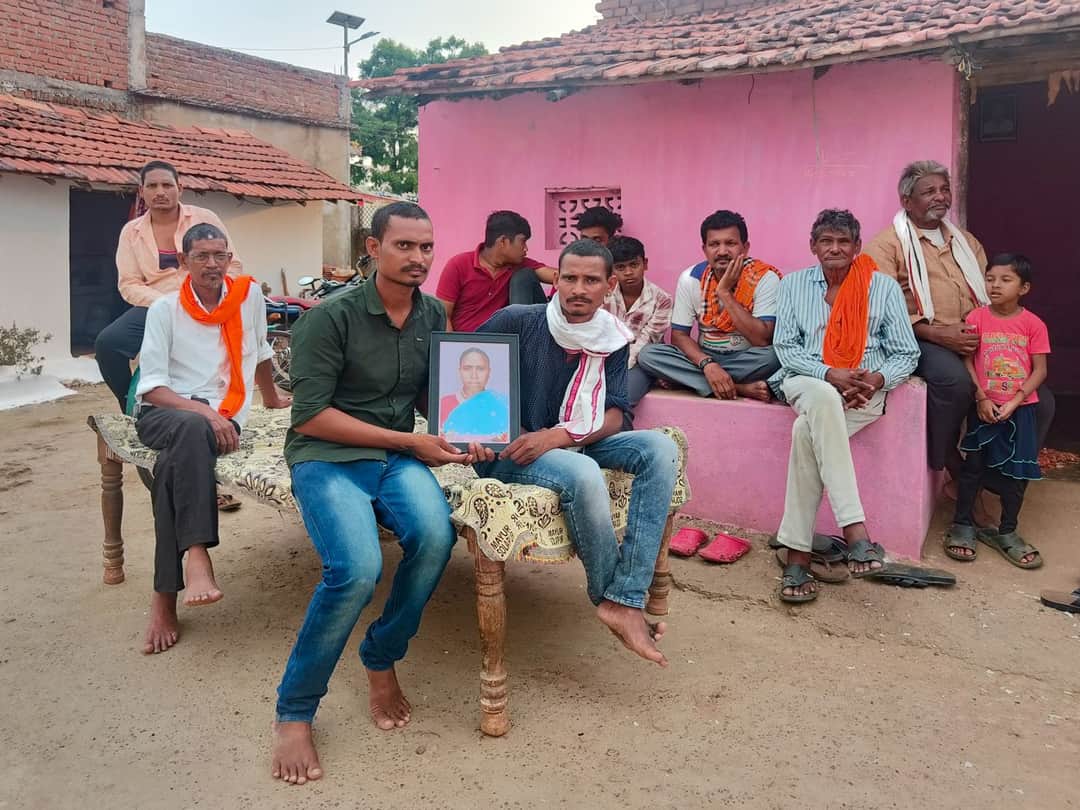
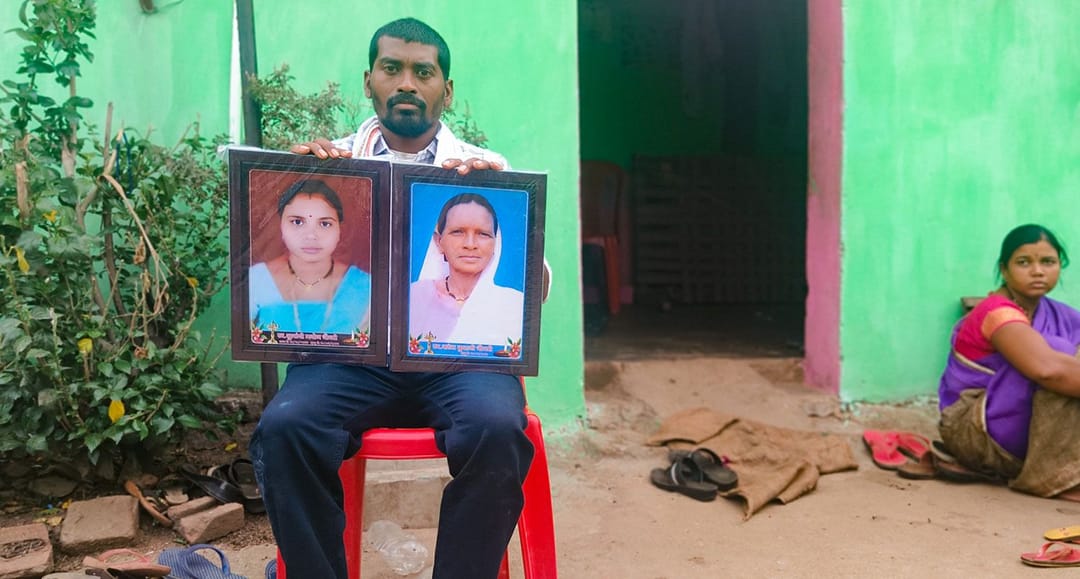
“My mother and my wife were my world, and now my two children are all that I am left with,” says the 35-year-old Manoj, speaking at his home in rural Chandrapur.
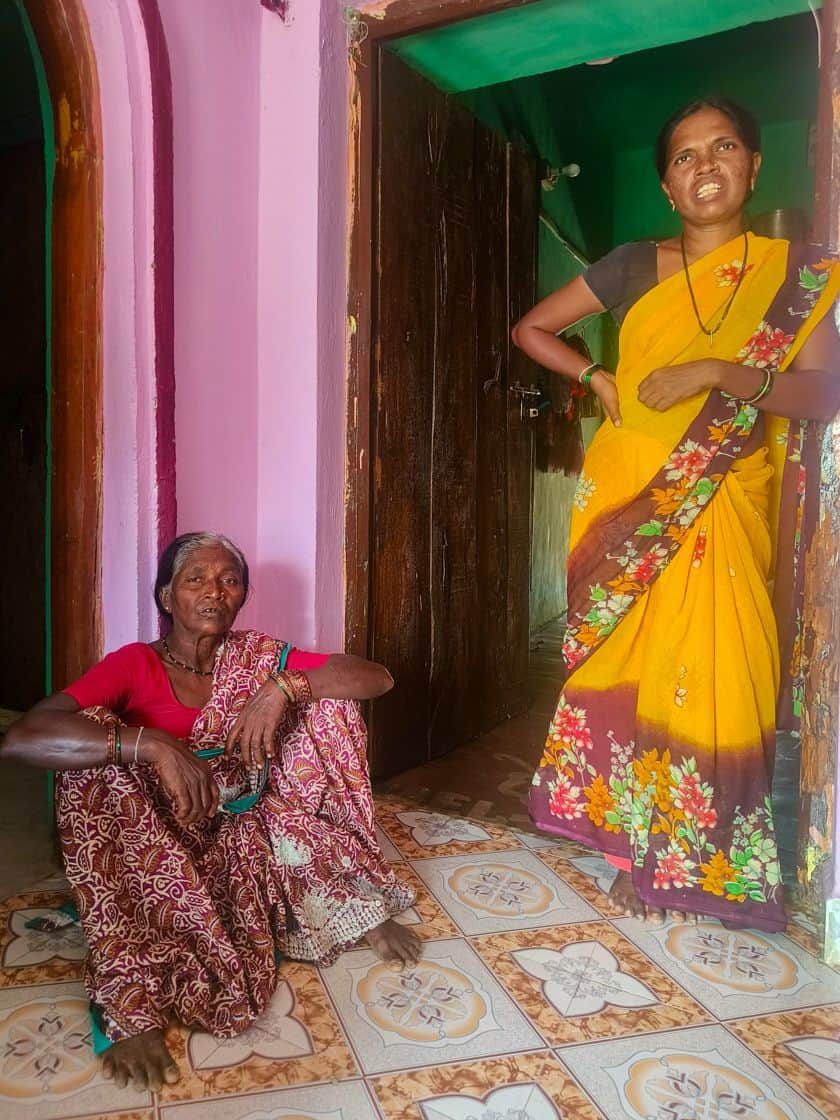
“My children and I were still asleep when my mother and wife left for the forests.” Hours later on May 10, 2025, Kanta Budhaji Chaudhari, 60, and Shubhangi, 30, were killed in a tiger attack in a shrub forest two kilometres from their village. Their neighbour Sarika Shalik Shende, around 50, was the third victim.
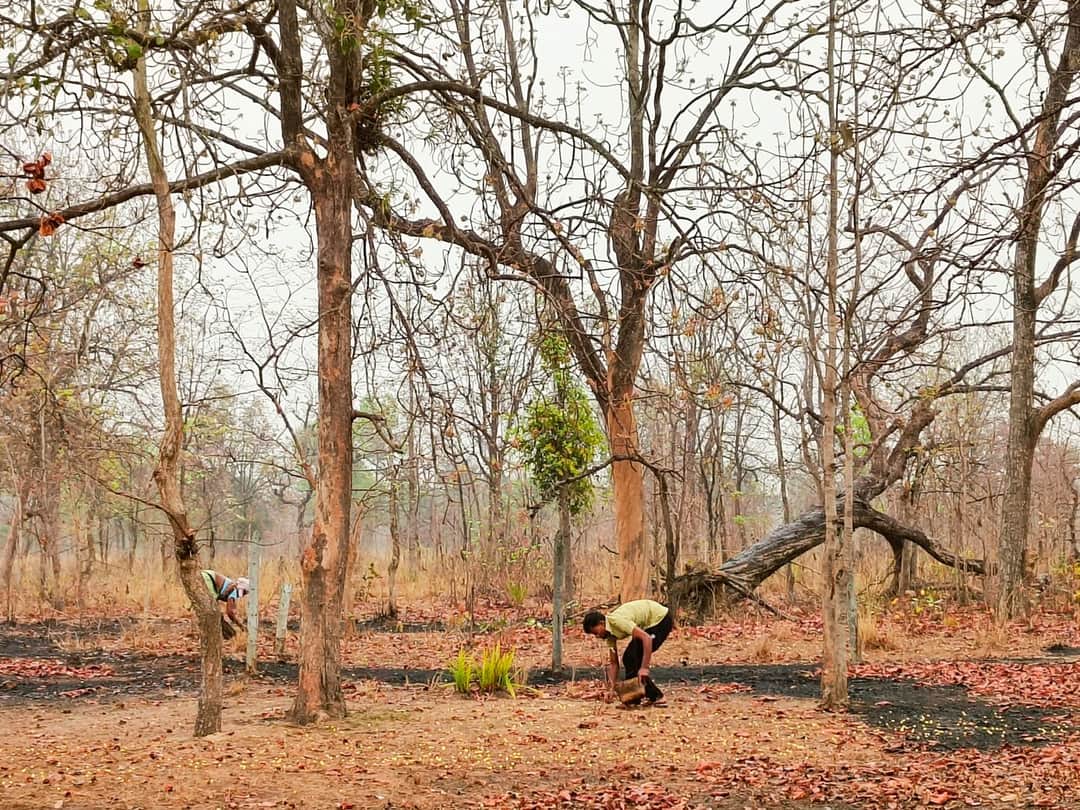
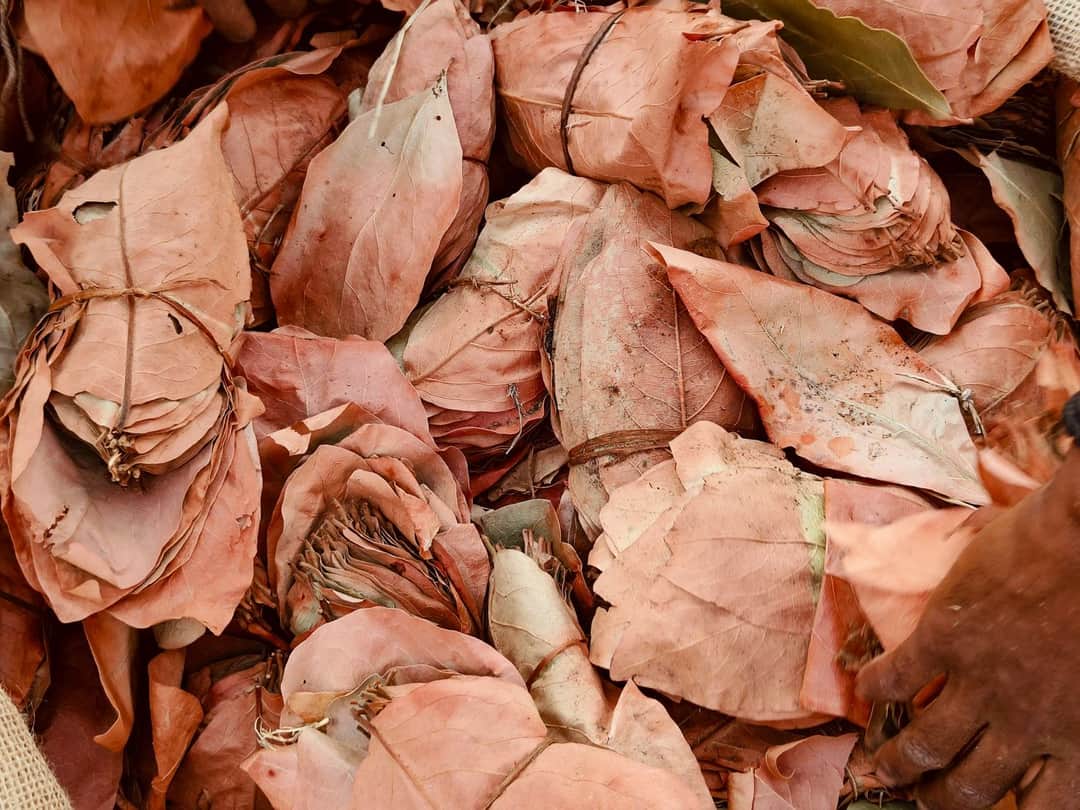
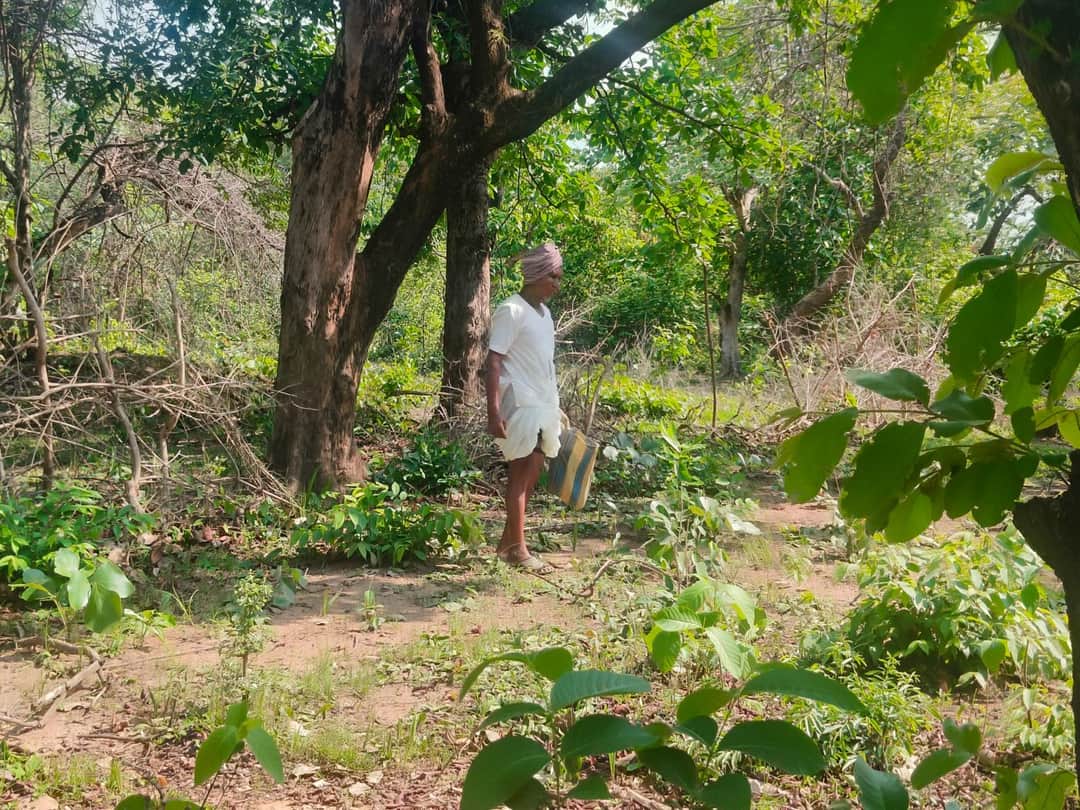
The three women, along with others, had gone to the forest to collect tendu leaves.
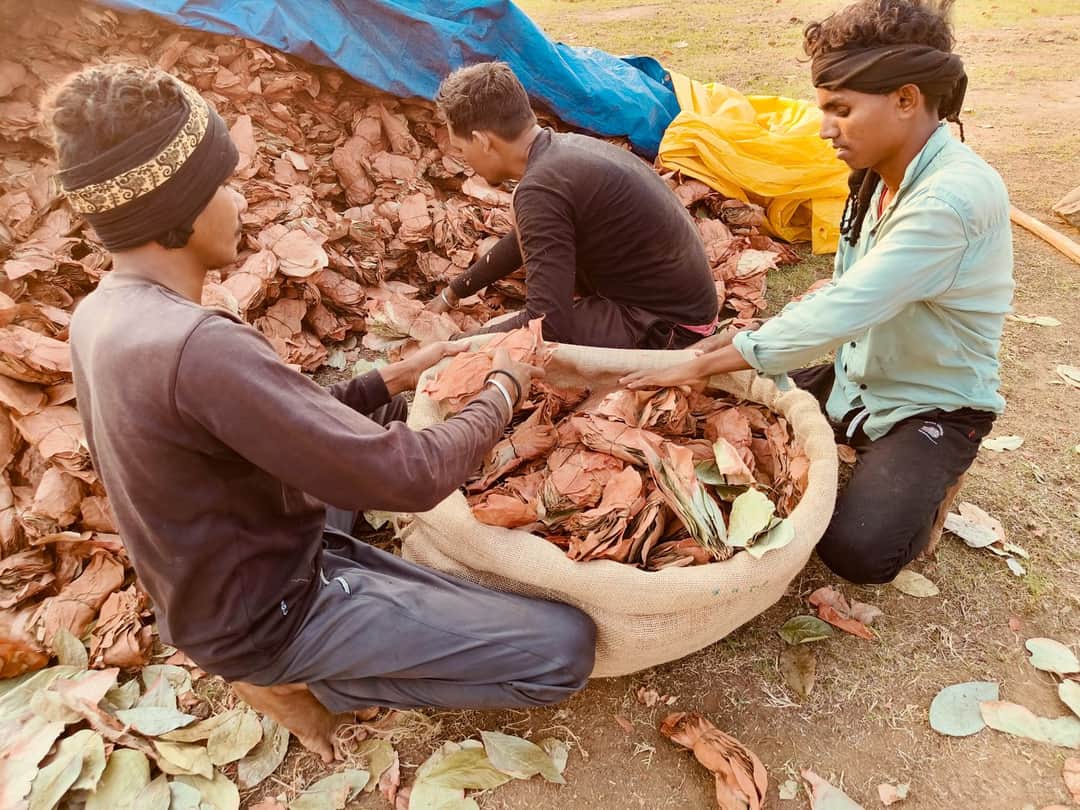
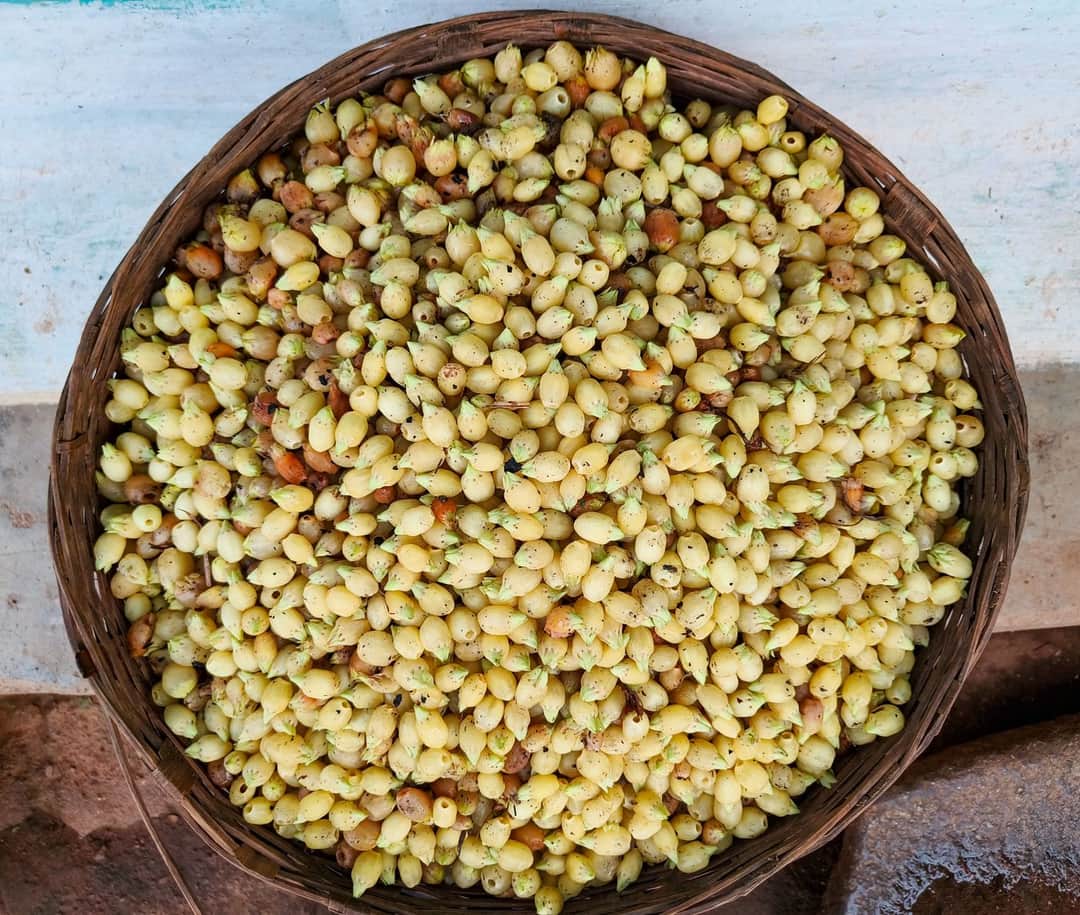
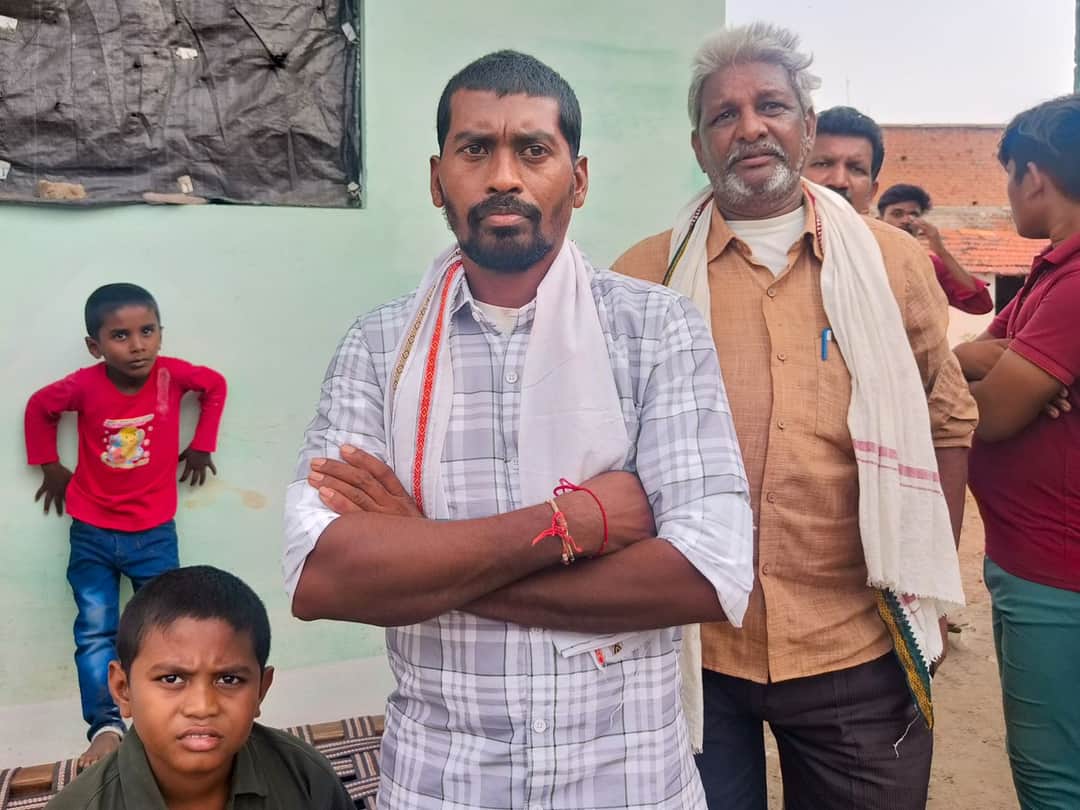
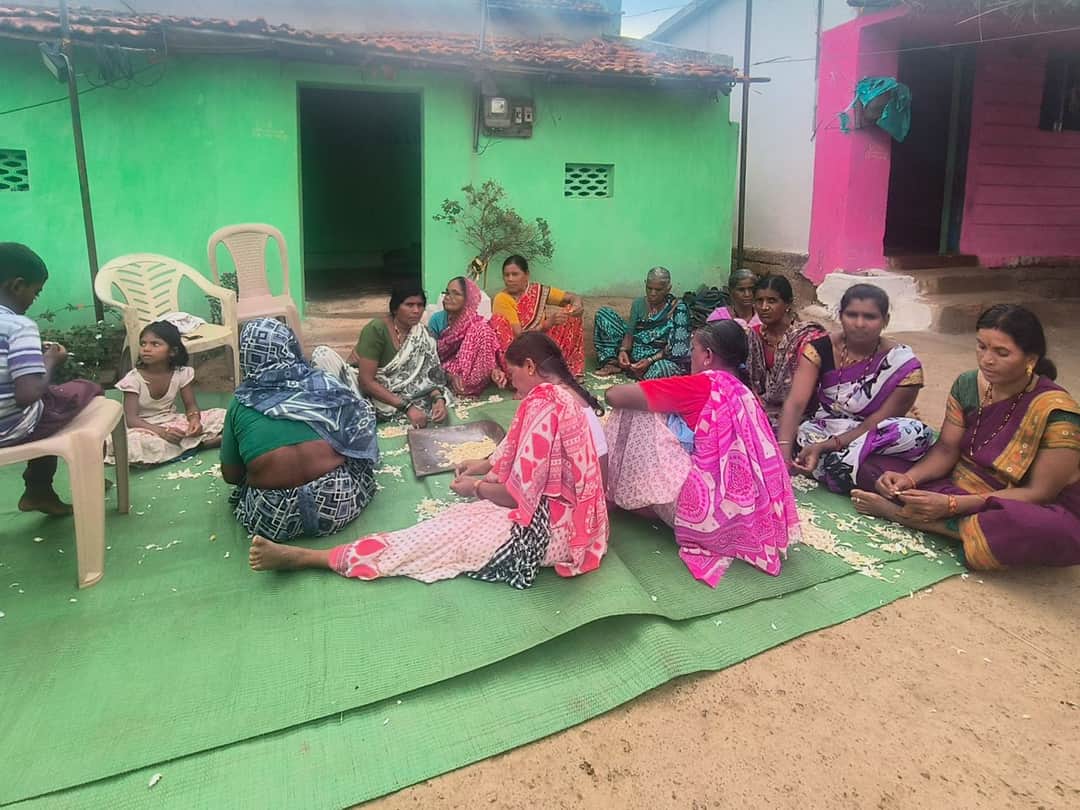
Mendha (Maal), a village of over a thousand people in Chandrapur district of Maharashtra, plunged into grief. The villagers are mostly small farmers or landless workers, like Manoj, who migrate seasonally to cities across the state and country. During the months of March, April and May every year, they gather tendu leaves and mahua flowers from the forest to supplement their income.
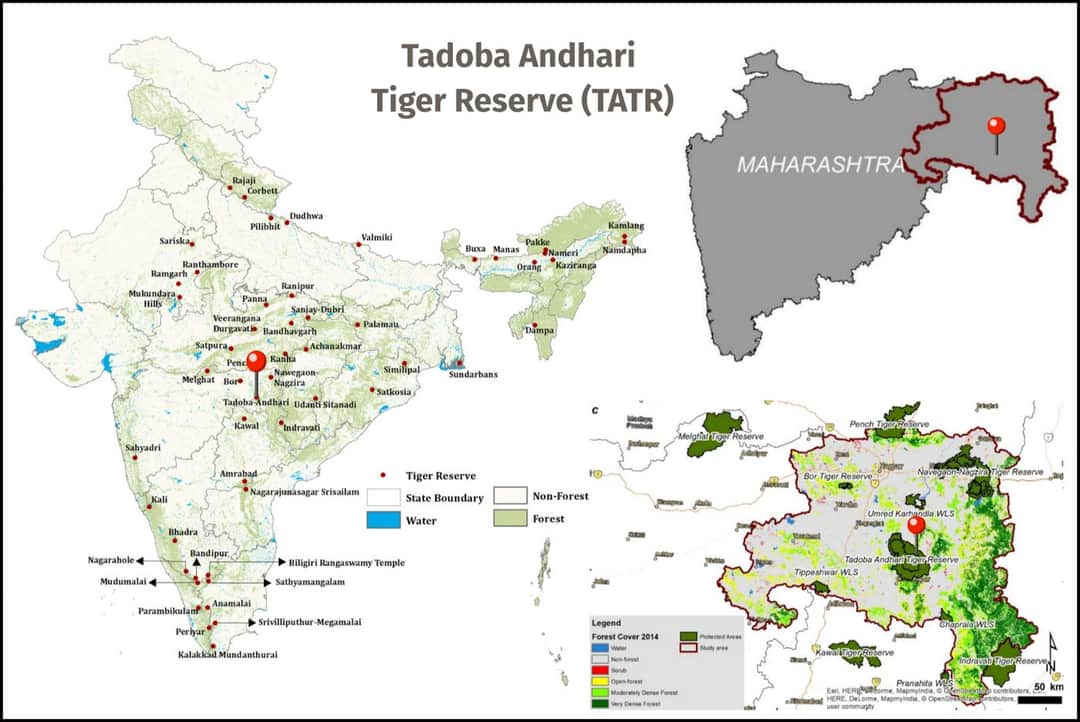
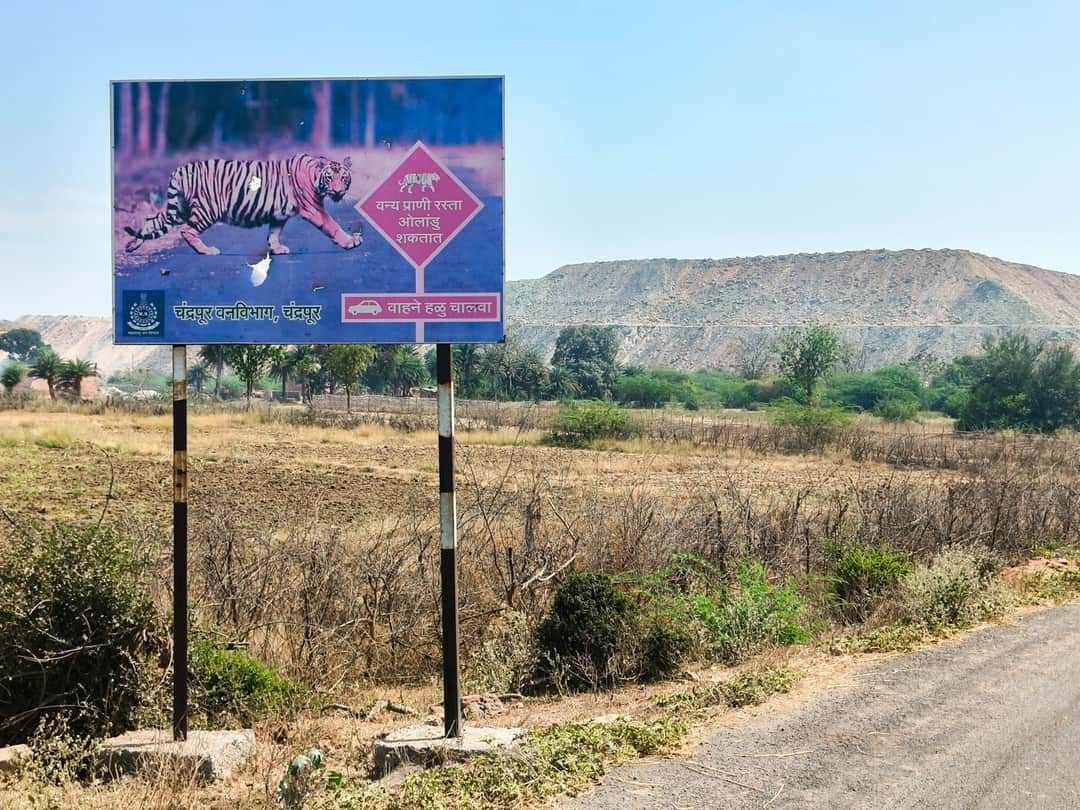
The village in Sindewahi tehsil, is listed as Mendhamal Gujari in official records, but a sign outside the village announces it as ‘Mendha (Maal)’. It lies near the Tadoba Andhari Tiger Reserve (TATR) that has a core or inviolate area of 625 square km and a buffer area – around the reserve with human population – of about 1,102 square kilometeres.
Chandrapur district has 223 tigers with about 120-125 within the TATR, according to the latest forest department data. Going by the accounts of several villagers, this was the first time anyone at Mendha (Maal) had been killed by a big cat.
The three women were mauled by a tigress with three cubs, the villagers say, citing police and forest officials.
The deaths triggered an uproar, sparked brief protests, and prompted the local legislator and other politicians of the district to stop by to pacify the bereaved family members and villagers.