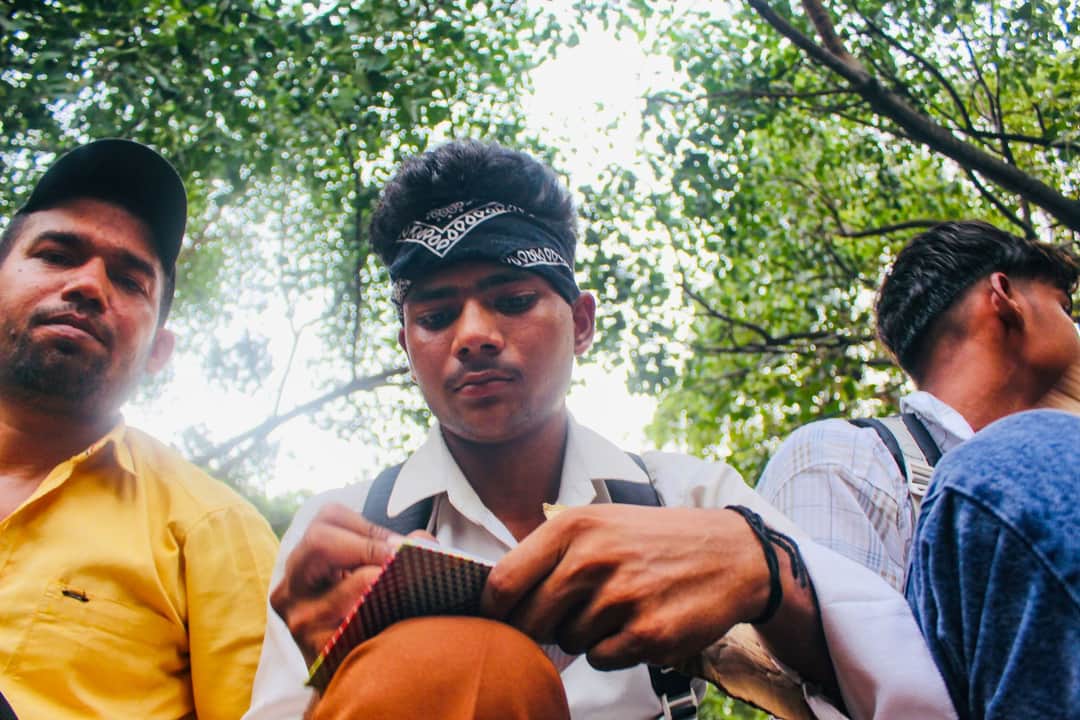


“People think we came [for the march] because of one exam or one job. We came because every year it becomes harder to believe that our future matters,” says Chhotu Yadav.
The 27-year-old has travelled two days, crammed in the general compartment of a train from Siwan, Bihar to Delhi. “In our villages, young people are either forced to migrate or keep waiting for opportunities that never arrive,” says Chhotu.
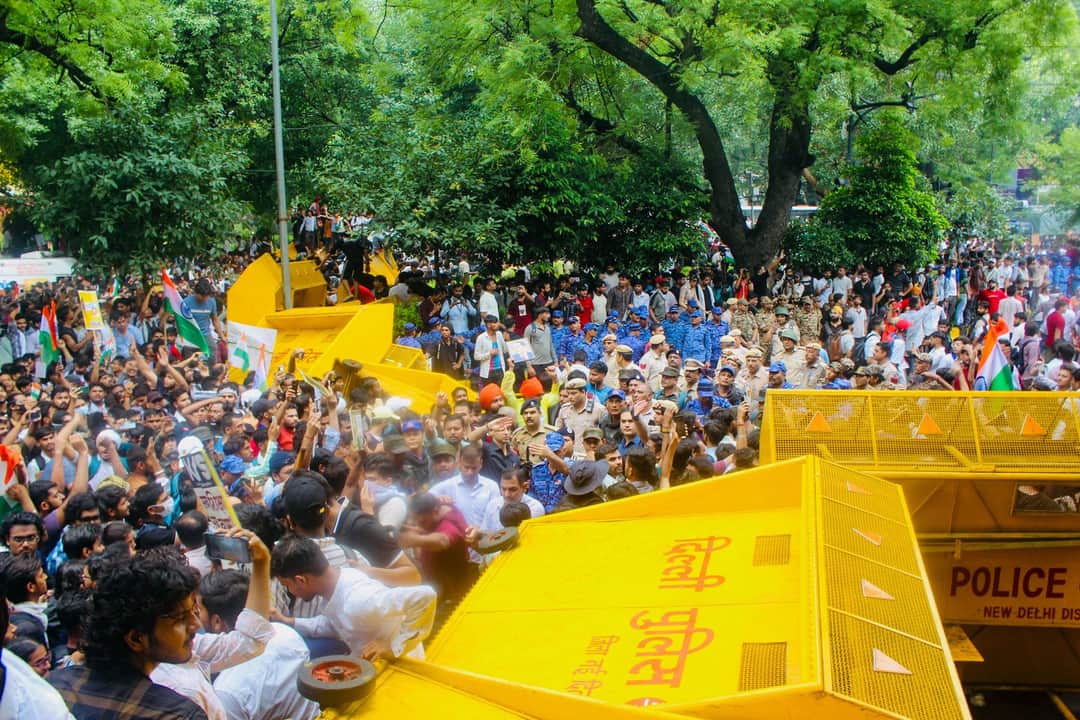
“Chalo Sansad [March to Parliament]!” was sparked by a call of the Cockroach Janata Party (CJP) to take the concerns of India's youth directly to Parliament, where the monsoon session began on July 20, 2026.
The protest has now gone beyond the CJP and grown into a movement spanning cities across the nation.
Recurring examination paper leaks triggered a broader campaign against unemployment, delays in government recruitment, and what protesters describe as a deepening crisis of trust – in public institutions, the larger system and governance. The movement has become a platform to voice frustrations over shrinking opportunities, rising migration from villages, and the feeling that young people, particularly those from rural India, are being left out of decisions shaping their future.
“I came to Delhi because I don't want young people from villages like mine to lose faith in the future,” says Dheeram, a 25-year-old final year student of medicine at the Government Medical College in Pali. He travelled with his friend Ashu Ram, 24, a humanities student. The duo reached Delhi at noon on July 19, after an overnight journey of 15 hours.